Basil Companion Plant Guide for Garden Pest Control and Growth
Published on
February 16, 2026
Author
Anjali Sharma
Anjali was born and raised in Indi and is now residing in New Jersey with her husband. Anjali's passion lies in raising her own vegetables and herbs, which she wants to share with others.
Planting Calendar Q&A
Is an almanac planting calendar exact?
No. It is a useful regional estimate built from historical conditions. Confirm its suggested planting date with your local forecast, soil condition, and microclimate.
When is the best time to plant?
The best time to plant is when the crop's temperature needs match your frost window and the soil is workable. Cool crops can begin earlier; tender warm-season crops wait until frost danger has passed.
Can every vegetable be started indoors?
No. Tomatoes and peppers handle indoor seed starting well, while carrots are usually sown directly in the ground. Follow crop-specific seed packets and avoid disturbing sensitive roots.
What if a late frost is forecast?
Delay transplanting tender crops, move containers inside, or cover established plants overnight. Remove covers after temperatures rise so light and airflow return.
How often should I revise my calendar?
Review it at the start of each growing season and add notes after major sowings and harvests. Records reveal which dates, varieties, and methods work best in your garden.
Evergreen Shrubs Q&A
How do I choose evergreen shrubs for my outdoor space?
Match mature size to USDA hardiness, light, drainage, and wind. Use a tall evergreen for screening, a mounded shrub for foundation planting, or ground cover on slopes. Repetition unifies home landscapes, while contrast creates a focal point in the landscape.
What are the best small evergreen shrubs?
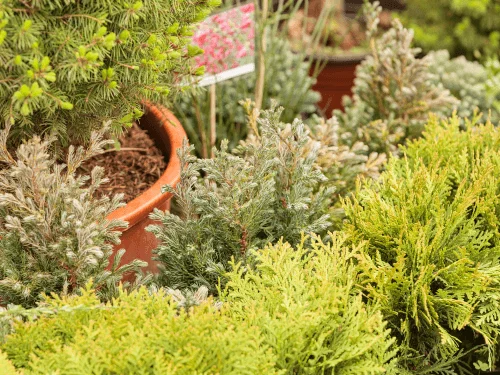
Blue Star juniper, dwarf Chamaecyparis, azalea, and Daphne are strong small-space choices. The best evergreen shrubs fit without constant shear work; check mature spread and leave airflow around glossy foliage.
Do evergreen shrubs flower as long as hydrangea?
Not usually. A hydrangea may have a long bloom time from mid-summer onward, while evergreen shrubs often bloom briefly. Combine azalea for spring, Viburnum or Mahonia for winter, and summer perennials.
When should I prune an evergreen hedge?
Prune flowering shrubs after bloom, and shape boxwood, yew, or Thuja lightly during growth. Avoid leafless old conifer wood; natural forms need less pruning and preserve year-round interest.
Why can an evergreen turn brown in winter?
Frozen soil, wind, salt, or poor drainage can brown green foliage. Water before freezing, mulch roots, and choose a protected area so evergreen shrubs retain year-round beauty and lasting structure.
Starting a Fruit Garden Q&A
What is the easiest fruit to grow for a first garden?
Strawberry is often the simplest starting point because it fits containers, fruits quickly, and is easy to replace. Raspberry, blackberry, and currant can also be forgiving when their spread is controlled. The best fruit is the one matched to your climate, sunlight, soil, and available care.
Can I grow fruit trees in a small space?
Yes. Choose a dwarf tree on a clearly labeled rootstock, train an espalier against wires, or use fruit trees in containers with sufficient soil volume and winter protection. Confirm mature dimensions, pollination needs, and whether the container can be watered consistently before you grow fruit trees.
Do I need more than one fruit tree?
It depends on the cultivar. Some trees are self-fertile, while others need compatible partners that bloom together. A nursery may recommend 2-4 fruit trees for varied harvests, but one self-pollinating dwarf tree can be enough when garden space is limited.
How soon will fruit plants produce fruit?
Strawberries and some cane fruits may crop in the first or second season, while a grafted fruit tree often takes several years. Rootstock, plant age, climate, pruning, and stress all affect timing. Remove an excessive early crop if the young plant needs energy for roots and structure.
Can a fruit garden share space with vegetables?
Yes. A combined vegetable and fruit area works when permanent crops do not shade or crowd annual beds. Put long-lived fruit plants where future digging will not disturb their roots, maintain clear paths, and choose fruits to grow at home that fit the same sunlight and watering pattern as the wider garden.
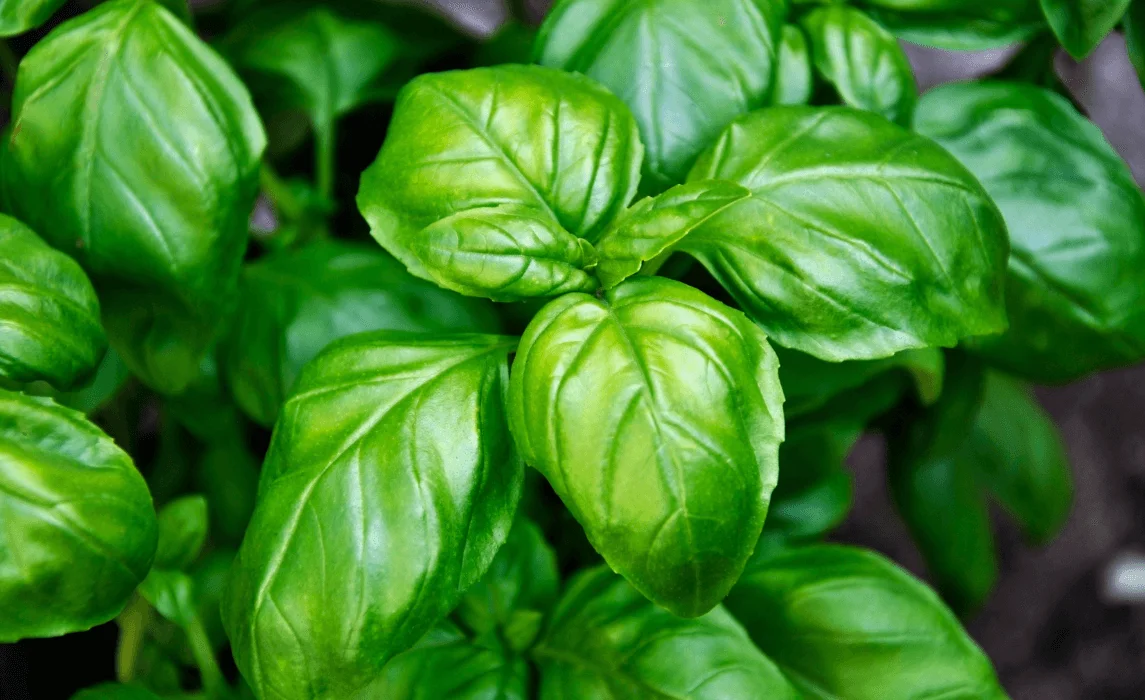
Basil isn’t just a flavorful herb you tuck into the corner of your garden—it’s a hardworking companion plant that plays a big role in natural pest control and healthier plant growth. In a well-planned garden, basil helps repel common pests like aphids, mosquitoes, and tomato hornworms while improving the overall vitality of nearby plants. That’s why understanding how to use basil as a companion plant can make a noticeable difference in both your harvest and your garden’s balance.
In this guide, you’ll learn which plants grow best alongside basil, how basil protects companion plants from pests, and where it fits into a productive garden layout. Whether you’re growing vegetables, herbs, or ornamental plants, this guide will help you use basil as a smart companion plant to boost growth, reduce pest problems, and create a more resilient garden.
10 Basil Companion Plant
1. Tomato
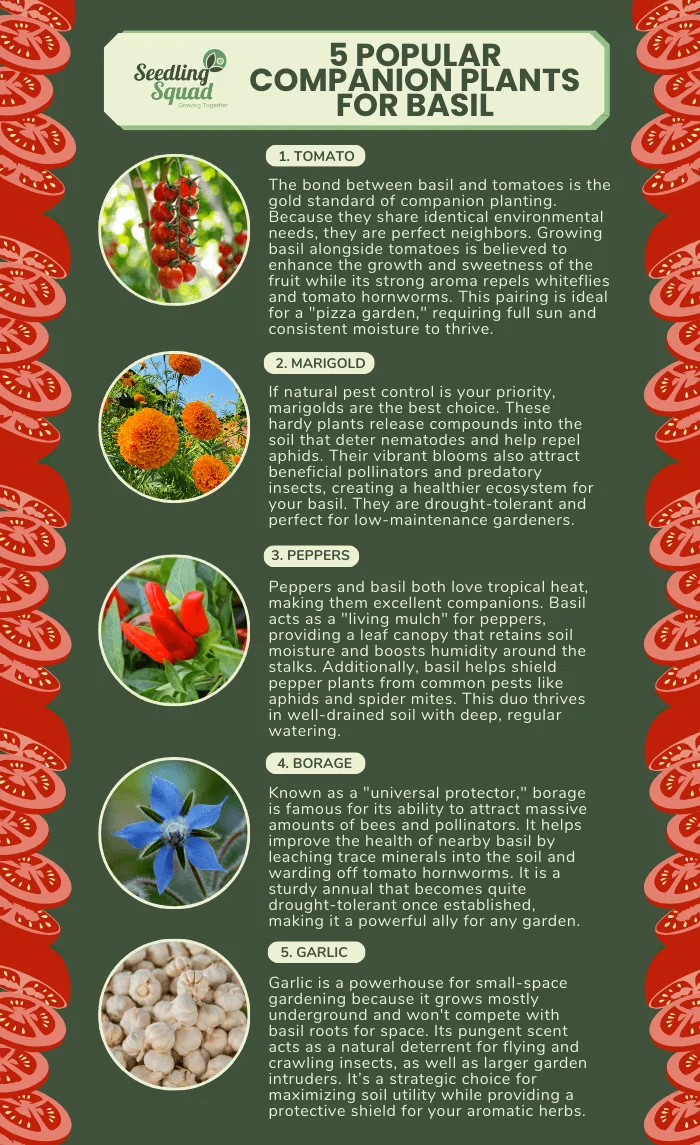
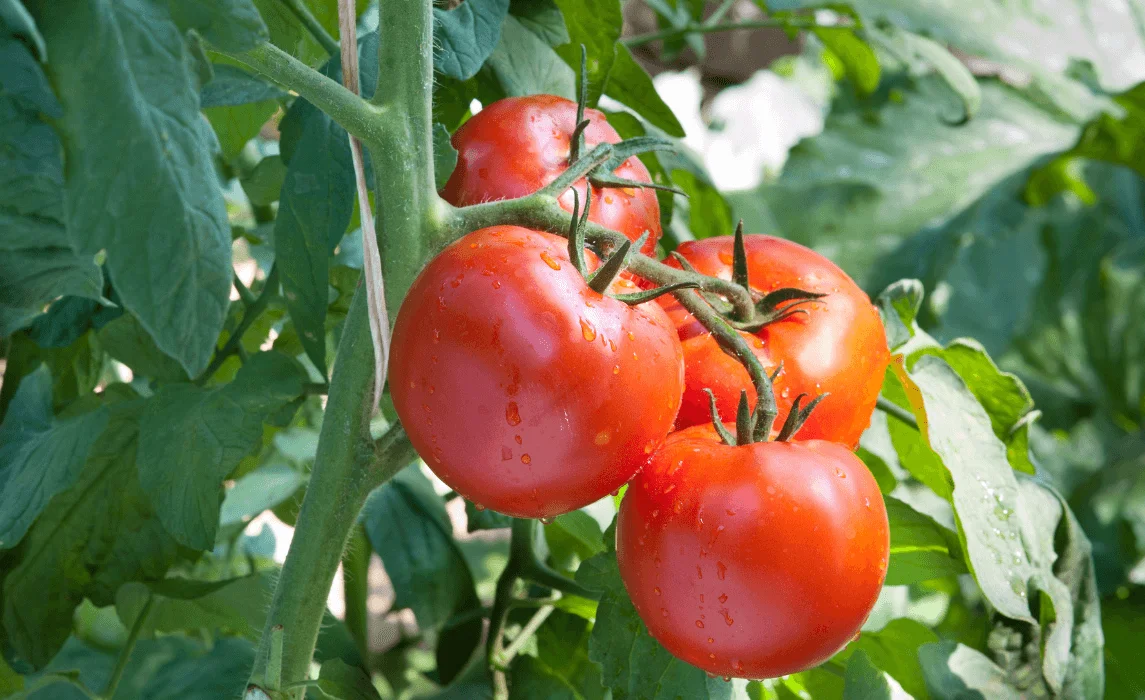
The relationship between basil and tomatoes is the most celebrated example of companion planting. These two are considered the best companion plants because they share identical environmental needs and provide mutual benefits. Physically, tomato plants are tall, vining, or bushy perennials (grown as annuals) that can reach 3 to 10 feet in height, featuring fuzzy, serrated green leaves and small yellow flowers that produce red, orange, or yellow fruits. Basil is a great companion plant for this vegetable because it is believed to enhance the sweet taste and overall growth and flavor of both the basil plant and the tomatoes themselves. Furthermore, the strong aroma of basil helps keep away the tomato hornworms and whiteflies that often threaten basil and tomato crops. To care for them, provide rich, well-draining soil, consistent moisture at the base to avoid wetting leaves, and at least 6 to 8 hours of full sun daily in temperatures between 21°C and 29°C. This combination is highly recommended for the Culinary Gardener who wants a "pizza garden" in one plot.
Soil: Rich, well-draining
Water: Consistent
Light: Full sun
Humidity: Moderate
Fertilizer: Balanced/High Phosphorus
Temperature: 21–29°C
USDA Zone: 3–11
2. Marigold
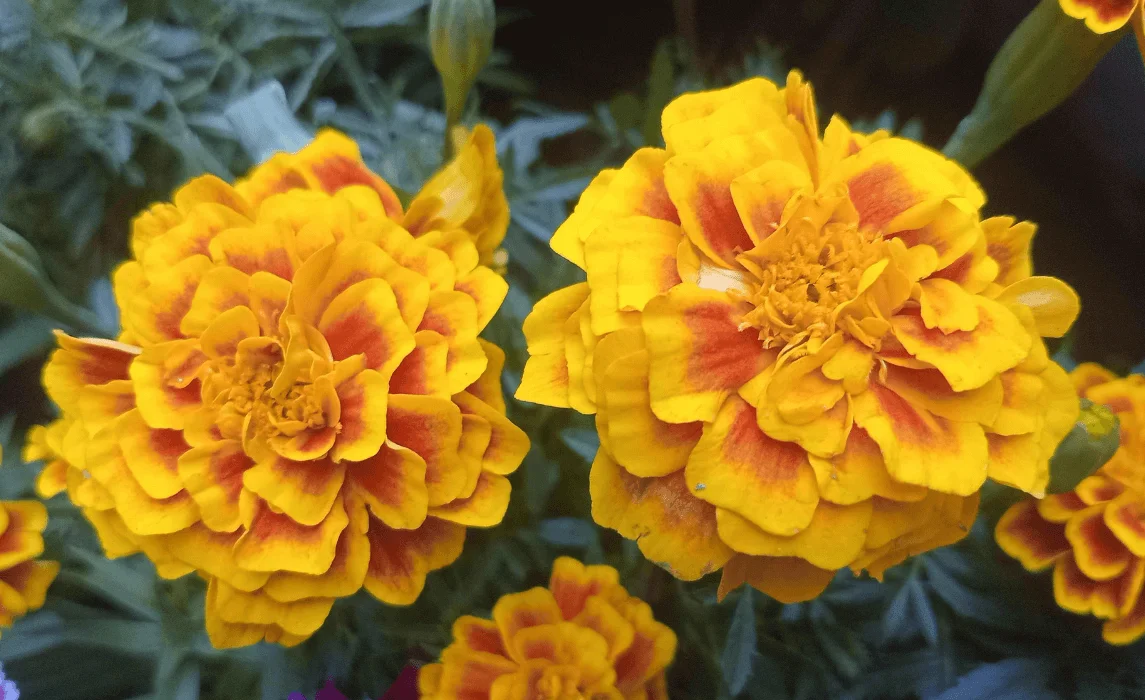
Originating from Central and South America, marigolds are one of the best companion plants for basil when natural pest control is a priority. These hardy garden plants are famous for their pungent scent and vibrant blooms in orange, yellow, or red, and they are typically compact to medium-sized, reaching 6 inches to 2 feet tall with deeply green, fern-like foliage. Marigolds are a great companion plant because they release compounds into the soil that deter nematodes and help repel aphids and other garden pest varieties. They also attract beneficial insects like pollinators and predatory insects, creating a healthier ecosystem around your basil plant. For care, they require full sun and well-draining, moderately fertile soil, with moderate watering as they are drought-tolerant once established in temperatures between 18°C and 29°C. They are perfect for the Low-Maintenance Gardener.
Soil: Well-draining, moderately fertile
Water: Moderate; drought-tolerant
Light: Full sun
Humidity: Low to moderate
Fertilizer: Light feeding
Temperature: 18–29°C
USDA Zone: 2–11
3. Asparagus
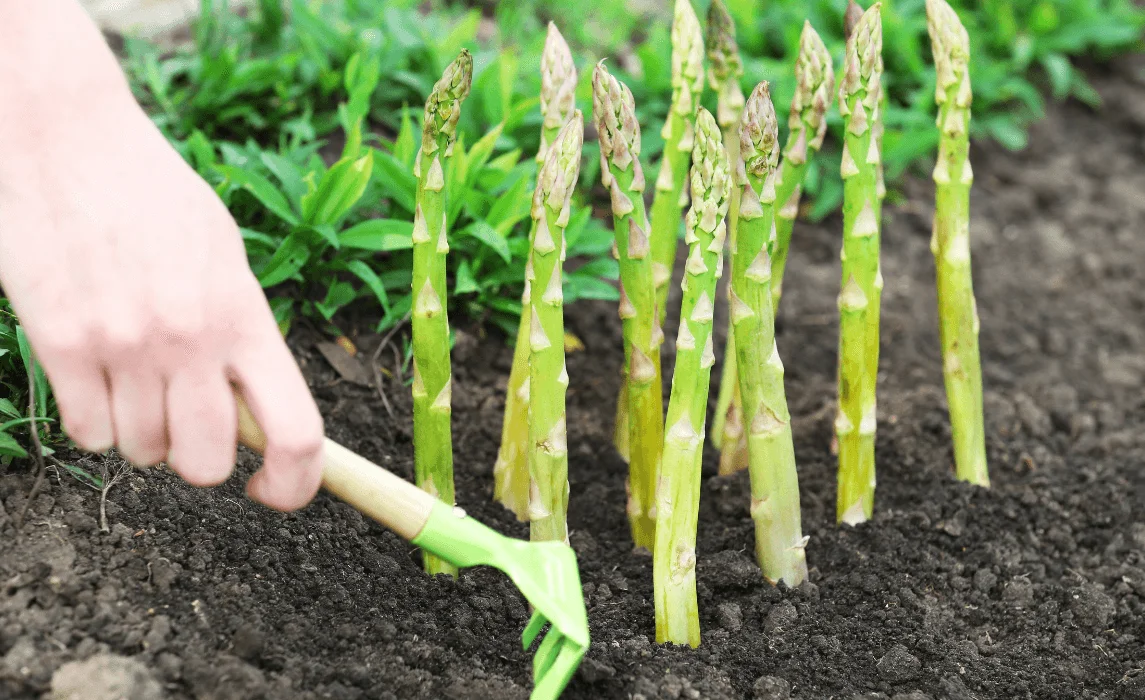
Basil and asparagus have a unique symbiotic relationship where the annual herb protects the perennial vegetable. Asparagus is a perennial plant that produces tall, feathery, fern-like foliage that can reach up to 5 feet in height, yielding the familiar edible green spears in the early spring. Basil is a great companion plant for asparagus because it produces chemical compounds that repel pests like the asparagus beetle, while the asparagus provides a structural backdrop and slight afternoon shade for the basil. They thrive in sandy, loamy, and highly fertile soil that is kept consistently moist under full sun in temperatures between 15°C and 21°C. Because asparagus is a long-term crop that remains in the ground for years, this is highly recommended for the Patient Perennial Gardener.
Soil: Sandy/Loamy fertile
Water: Consistent
Light: Full sun
Humidity: Moderate
Fertilizer: Compost/High Nitrogen
Temperature: 15–21°C
USDA Zone: 4–9
4. Peppers
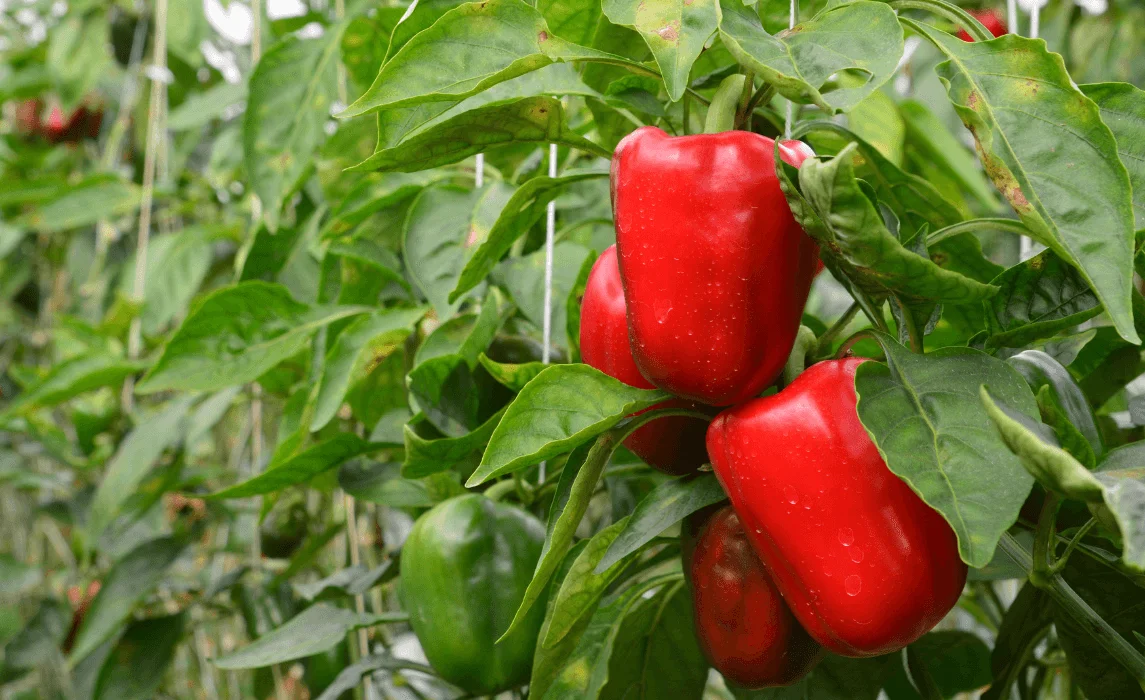
Both bell and chili peppers are excellent plants to grow with basil because they share tropical origins and an intense love for high-heat environments. These upright garden plants feature glossy, pointed green leaves and small star-shaped white flowers, typically reaching a height of 2 to 4 feet depending on the specific variety. Basil acts as a functional "living mulch" for peppers, providing a thick leaf canopy that helps retain soil moisture and increases the localized humidity around the base of the pepper stalks. Furthermore, the basil plant helps deter pests such as aphids and spider mites that frequently threaten basil and pepper crops alike. These are best grown in well-drained soil rich in organic matter, requiring deep watering twice a week and full sun in warm temperatures ranging from 21°C to 32°C. I recommend this pairing to the Salsa Gardener who enjoys cultivating high-heat, vibrant crops.
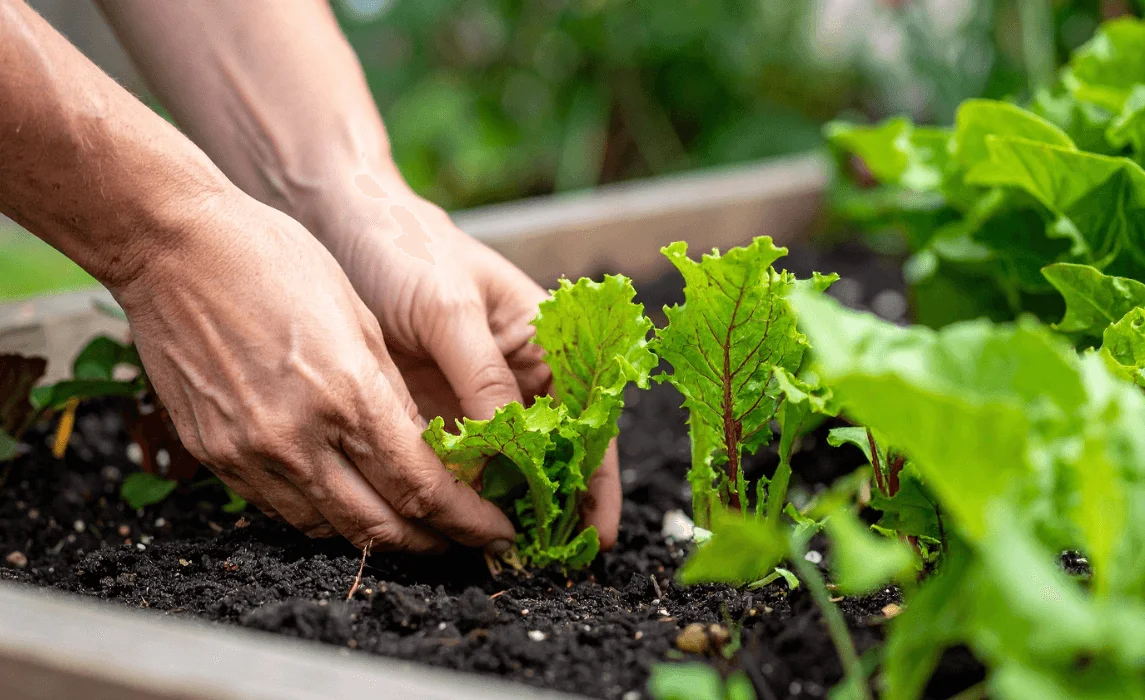
Discover the top companion plants that help lettuce thrive and improve your garden’s overall growth and health.
5. Oregano
Herbs like oregano are classic aromatic herbs that thrive in the same rugged, Mediterranean conditions as the basil plant. Oregano is a low-growing, spreading perennial that reaches about 1 to 2 feet in height, characterized by tiny, round, flavorful green leaves and delicate clusters of purple or white flowers that attract pollinators. Oregano serves as a magnificent ground cover, which helps keep the basil root system cool and maintains soil moisture during peak heat. As a companion plant, oregano’s high essential oil content is incredibly potent, acting to insect repel many flying pests that would otherwise attack basil. They prefer gritty, well-draining soil and are highly drought-tolerant, needing water only when the soil is completely dry under full sun in temperatures from 15°C to 27°C. This is the best choice for the Drought-Conscious Gardener looking for a hardy herb garden.
Soil: Gritty, well-draining
Water: Low (Drought-tolerant)
Light: Full sun
Humidity: Low
Fertilizer: Minimal (spring compost only)
Temperature: 15–27°C
USDA Zone: 4–10
6. Chives
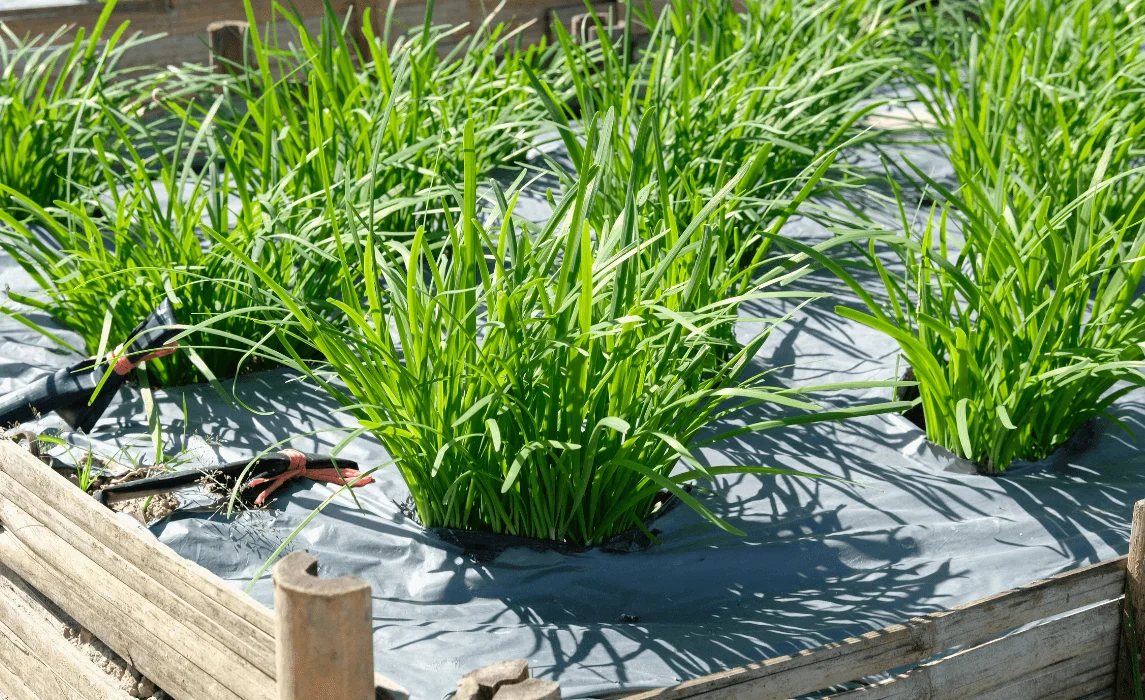
Chive plants are among the best companion plants for basil due to their intense, onion-like scent which creates a protective aromatic barrier. They grow in dense, grass-like clumps reaching approximately 12 inches in height and produce striking, edible, globe-shaped purple flowers in late spring. The natural sulfur compounds found within chives are excellent at helping to repel pests like Japanese beetles and aphids. Additionally, their flowers are exceptionally rich in flower nectar, drawing in bees and other beneficial insects that will also help pollinate the rest of your garden. Chives require moist, fertile soil and frequent but shallow watering to prevent the thin leaves from wilting, thriving in full sun to partial shade in temperatures between 10°C and 21°C. I highly recommend this to the Edible Flower Enthusiast who values both aesthetics and utility.
Soil: Moist, fertile
Water: Frequent, shallow
Light: Full sun to partial shade
Humidity: Moderate
Fertilizer: High Nitrogen
Temperature: 10–21°C
USDA Zone: 3–9
7. Borage
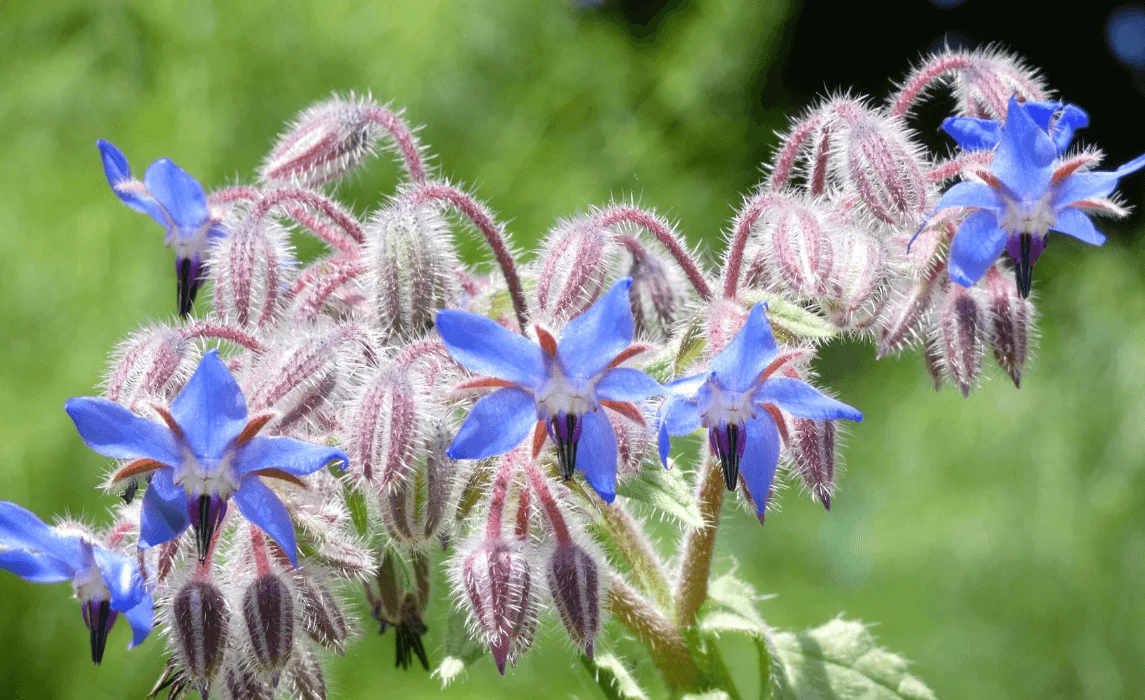
Borage is a staple on any companion plants for basil chart because of its reputation as a "universal protector" in the garden. It is a large, sturdy, hairy annual that can grow up to 3 feet tall and 2 feet wide, featuring stunning bright blue, star-shaped flowers and large, fuzzy leaves that have a distinct cucumber aroma. Borage is a great companion plant because it attracts a massive volume of pollinators, particularly honeybees, which helps increase the overall health of nearby plants. It is also known to ward off tomato hornworms and repels these and other pests from your sweet basil while leaching trace minerals into the soil that basil can help absorb. It is very tolerant of most well-drained soils and becomes drought-tolerant once established, preferring full sun to partial shade in temperatures of 15°C to 25°C. This is the perfect addition for the Pollinator Advocate.
Soil: Well-draining, adaptable
Water: Moderate; drought-tolerant once established
Light: Full sun to partial shade
Humidity: Low to Moderate
Fertilizer: Generally not necessary
Temperature: 15–25°C
USDA Zone: 2–11
8. Parsley
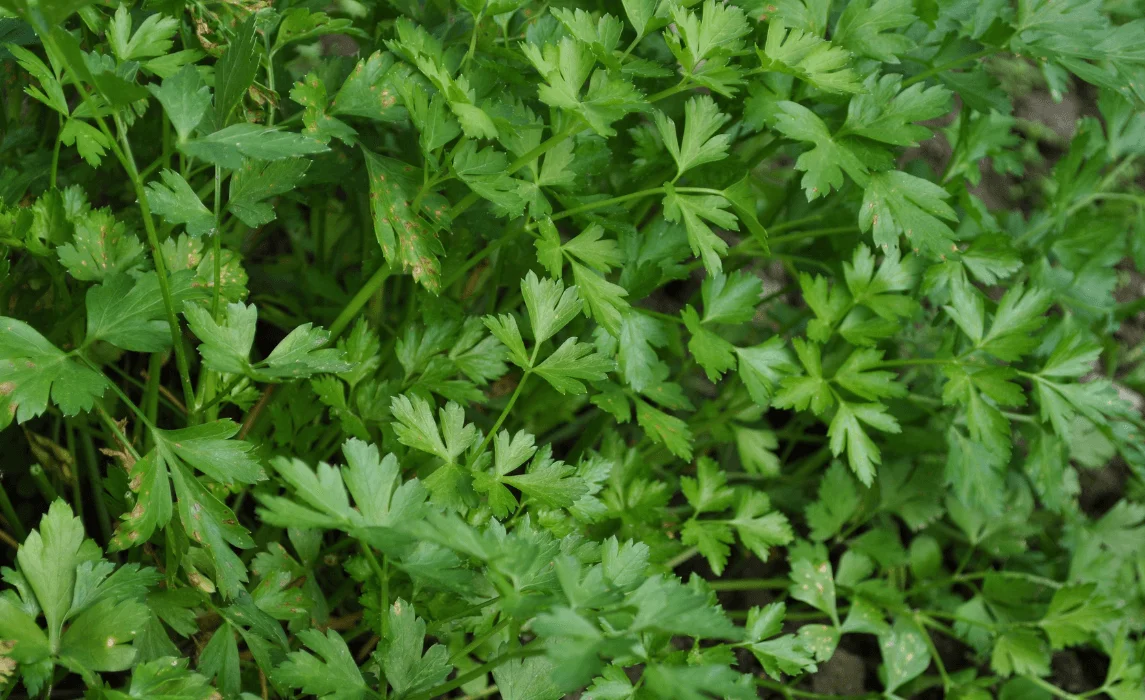
Basil and parsley make a formidable team in a kitchen herb garden because they are both easy to grow and share a love for similar resources. Parsley is a lush biennial with bright green, ruffled or flat-leaf varieties that grow in dense, rounded clumps about 1 foot tall. Both of these aromatic herbs love moisture and nutrient-rich soil; when planted together, they create a high-humidity microclimate that prevents the soil surface from drying out too quickly, which is vital for a tender basil plant. They need deep, loamy, moist soil and consistent watering—never let the soil dry out completely—under full sun to partial shade in temperatures ranging from 10°C to 24°C. This combination is highly recommended for the Indoor or Container Gardener who wants fresh herbs year-round.
Soil: Deep, loamy, and nutrient-rich
Water: Consistent; keep soil moist
Light: Full sun to partial shade
Humidity: High
Fertilizer: Liquid seaweed or organic compost
Temperature: 10–24°C
USDA Zone: 2–11
9. Cilantro
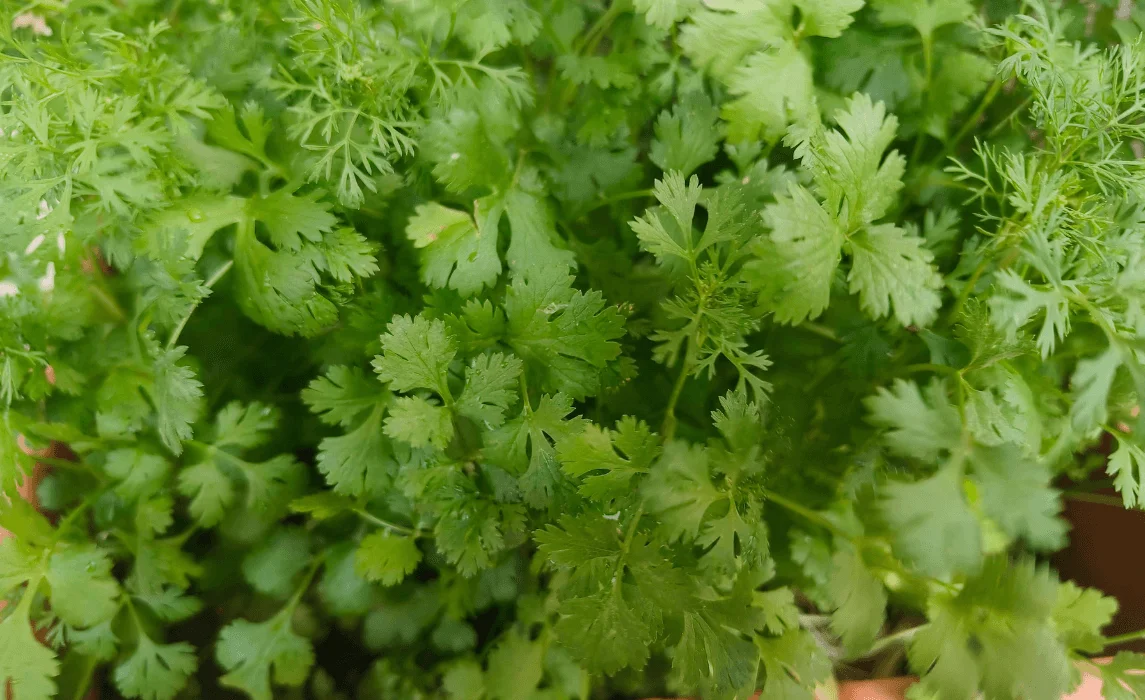
Cilantro is a fast-growing, cool-season herb that serves as an excellent tactical partner for maintaining a healthy garden. It features delicate, lacy green leaves and thin, fragile stems, reaching 1 to 2 feet in height and producing small white or pale pink flowers when it begins to bolt. Cilantro and basil grown in the same area provide a diverse range of essential oil scents that mask the primary crop and confuse a garden pest. Furthermore, the cilantro flowers are highly attractive to predatory wasps and hoverflies that eat the aphids that might otherwise attack basil. It prefers well-drained, light soil and regular watering, requiring full sun in cooler months but needing partial shade in very hot climates to prevent premature bolting, in temperatures of 10°C to 24°C. This is an essential plant for the Herb Specialist.
Soil: Well-drained, light, and sandy
Water: Regular; do not overwater
Light: Full sun (partial shade in high heat)
Humidity: Moderate
Fertilizer: Balanced water-soluble fertilizer
Temperature: 10–24°C
USDA Zone: 2–11
10. Garlic
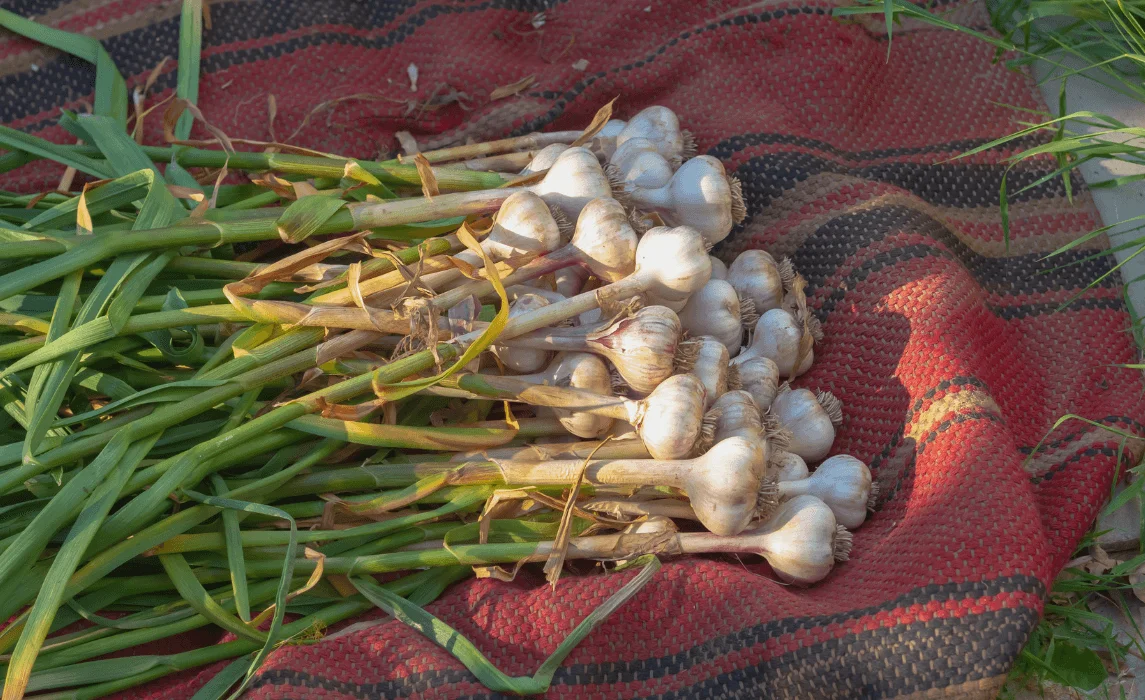
Root vegetables like garlic are absolute powerhouses in the world of basil companion planting. Garlic grows from underground bulbs and produces long, vertical, strap-like green leaves that can reach 1 to 2 feet in height, culminating in a papery flower stalk if left unharvested. The intense, pungent smell of garlic acts as a natural insect repel for almost all flying and crawling pests and is even known to keep away larger intruders like rabbits and deer. Because it grows mostly underground, it does not compete with the basil root system for space or surface nutrients, making it a great companion plant for intensive setups. It requires loose, well-drained, sandy soil with even moisture during its active growth phase under full sun in temperatures between 13°C and 24°C. I recommend this for the Strategic Small-Space Gardener looking to maximize every inch of soil.
Rue: Rue can stunt the growth and flavor of your sweet herb.
Frequently Asked Questions:
What are the benefits of companion planting with basil?
The benefits of companion planting include improved growth and flavor of basil and providing a natural insect repel system for your garden. Using basil as a companion plant allows it to attract beneficial insects via taste of basil flower nectar, while its strong scent acts to basil repels many common garden pest varieties.
Does basil help ward off specific pests?
Yes, basil in your garden is a powerful tool to insect repel. Basil alongside other aromatic plants can basil to keep aphids and other pests like the tomato hornworm away. Additionally, basil is famous for being one of the plants that repel mosquitoes, making it a great companion plant for patios.
Are there plants I should keep away from basil?
Yes, you should keep cucumber and sage away from basil. Cucumber can attract mildew that might attack basil, while sage prefers much drier soil than a basil plant. Also, keep herbs like basil away from rue, as it can stunt the growth and flavor of basil.
Related posts
Here are some articles you might be interested in.