Ryan Johnson relocated to his grandfather's old farm when he was 22 years old where he discovered the joys of farming and gardening. With his cool demeanor and strong-willed passion for the agrarian lifestyle, he now shares his know-how to aspiring gardeners.
Planting Calendar Q&A
Is an almanac planting calendar exact?
No. It is a useful regional estimate built from historical conditions. Confirm its suggested planting date with your local forecast, soil condition, and microclimate.
When is the best time to plant?
The best time to plant is when the crop's temperature needs match your frost window and the soil is workable. Cool crops can begin earlier; tender warm-season crops wait until frost danger has passed.
Can every vegetable be started indoors?
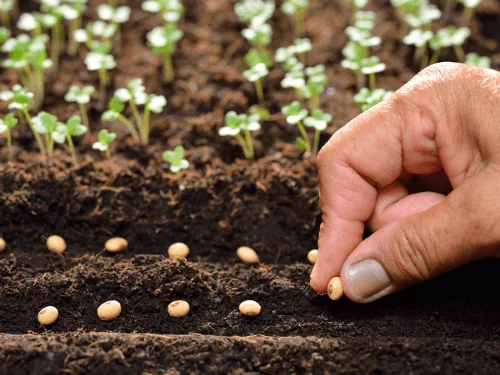
No. Tomatoes and peppers handle indoor seed starting well, while carrots are usually sown directly in the ground. Follow crop-specific seed packets and avoid disturbing sensitive roots.
What if a late frost is forecast?
Delay transplanting tender crops, move containers inside, or cover established plants overnight. Remove covers after temperatures rise so light and airflow return.
How often should I revise my calendar?
Review it at the start of each growing season and add notes after major sowings and harvests. Records reveal which dates, varieties, and methods work best in your garden.
Evergreen Shrubs Q&A
How do I choose evergreen shrubs for my outdoor space?
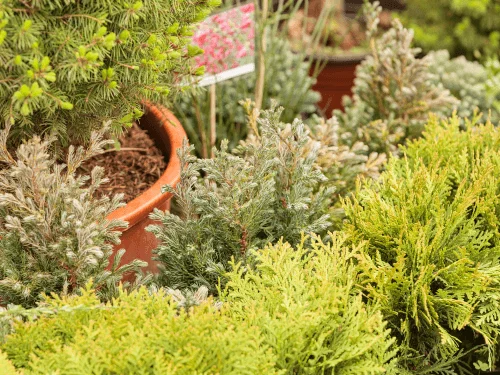
Match mature size to USDA hardiness, light, drainage, and wind. Use a tall evergreen for screening, a mounded shrub for foundation planting, or ground cover on slopes. Repetition unifies home landscapes, while contrast creates a focal point in the landscape.
What are the best small evergreen shrubs?
Blue Star juniper, dwarf Chamaecyparis, azalea, and Daphne are strong small-space choices. The best evergreen shrubs fit without constant shear work; check mature spread and leave airflow around glossy foliage.
Do evergreen shrubs flower as long as hydrangea?
Not usually. A hydrangea may have a long bloom time from mid-summer onward, while evergreen shrubs often bloom briefly. Combine azalea for spring, Viburnum or Mahonia for winter, and summer perennials.
When should I prune an evergreen hedge?
Prune flowering shrubs after bloom, and shape boxwood, yew, or Thuja lightly during growth. Avoid leafless old conifer wood; natural forms need less pruning and preserve year-round interest.
Why can an evergreen turn brown in winter?
Frozen soil, wind, salt, or poor drainage can brown green foliage. Water before freezing, mulch roots, and choose a protected area so evergreen shrubs retain year-round beauty and lasting structure.
Starting a Fruit Garden Q&A
What is the easiest fruit to grow for a first garden?
Strawberry is often the simplest starting point because it fits containers, fruits quickly, and is easy to replace. Raspberry, blackberry, and currant can also be forgiving when their spread is controlled. The best fruit is the one matched to your climate, sunlight, soil, and available care.
Can I grow fruit trees in a small space?
Yes. Choose a dwarf tree on a clearly labeled rootstock, train an espalier against wires, or use fruit trees in containers with sufficient soil volume and winter protection. Confirm mature dimensions, pollination needs, and whether the container can be watered consistently before you grow fruit trees.
Do I need more than one fruit tree?
It depends on the cultivar. Some trees are self-fertile, while others need compatible partners that bloom together. A nursery may recommend 2-4 fruit trees for varied harvests, but one self-pollinating dwarf tree can be enough when garden space is limited.
How soon will fruit plants produce fruit?
Strawberries and some cane fruits may crop in the first or second season, while a grafted fruit tree often takes several years. Rootstock, plant age, climate, pruning, and stress all affect timing. Remove an excessive early crop if the young plant needs energy for roots and structure.
Can a fruit garden share space with vegetables?
Yes. A combined vegetable and fruit area works when permanent crops do not shade or crowd annual beds. Put long-lived fruit plants where future digging will not disturb their roots, maintain clear paths, and choose fruits to grow at home that fit the same sunlight and watering pattern as the wider garden.
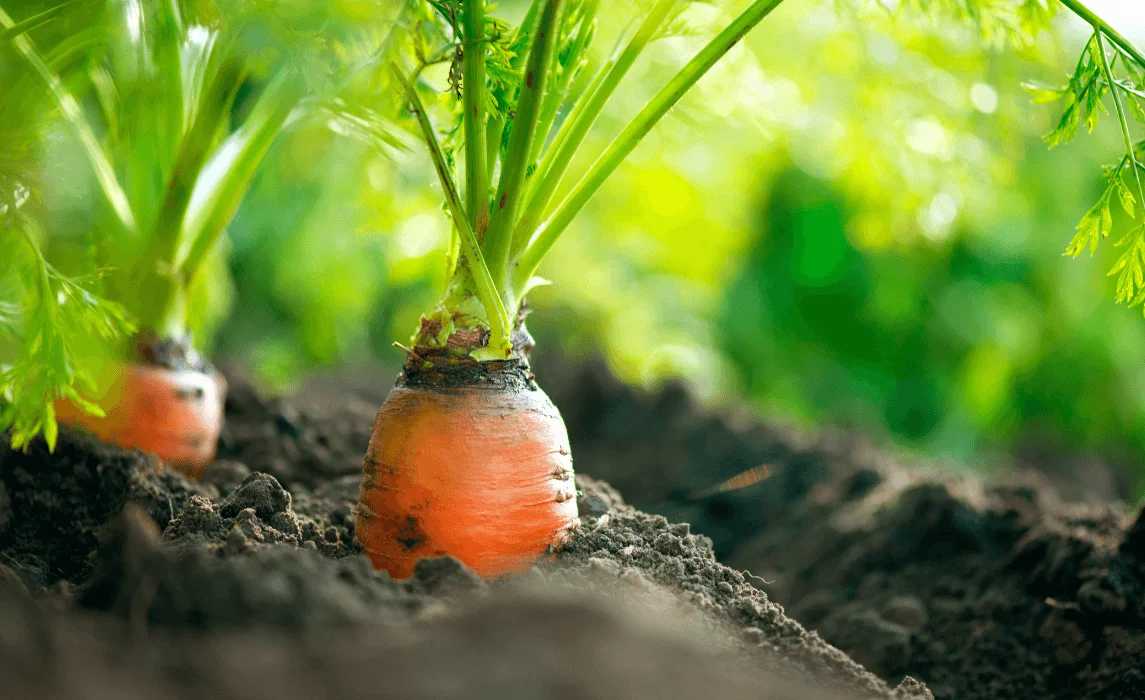
Growing carrots becomes even more rewarding when you pair them with the right companion plants. Good Companion Plants for Carrot Plant Growing focuses on how strategic plant pairings can improve carrot health, boost yields, and naturally reduce common garden pests. Certain herbs, flowers, and vegetables help repel insects, loosen soil, or provide beneficial shade, creating a more balanced and productive garden environment. In this article, you’ll discover which plants grow best alongside carrots, why they work so well together, and how companion planting can help you grow stronger, sweeter carrots with less effort.
10 Good Companion Plants for Carrot Plant
1. Onions
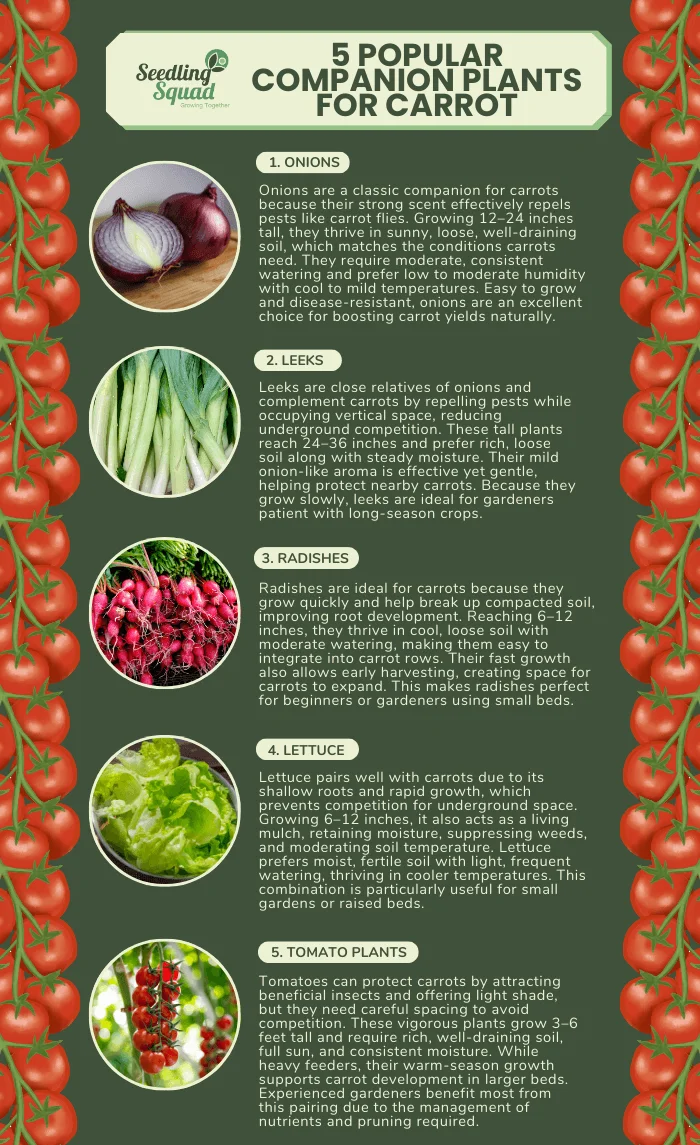
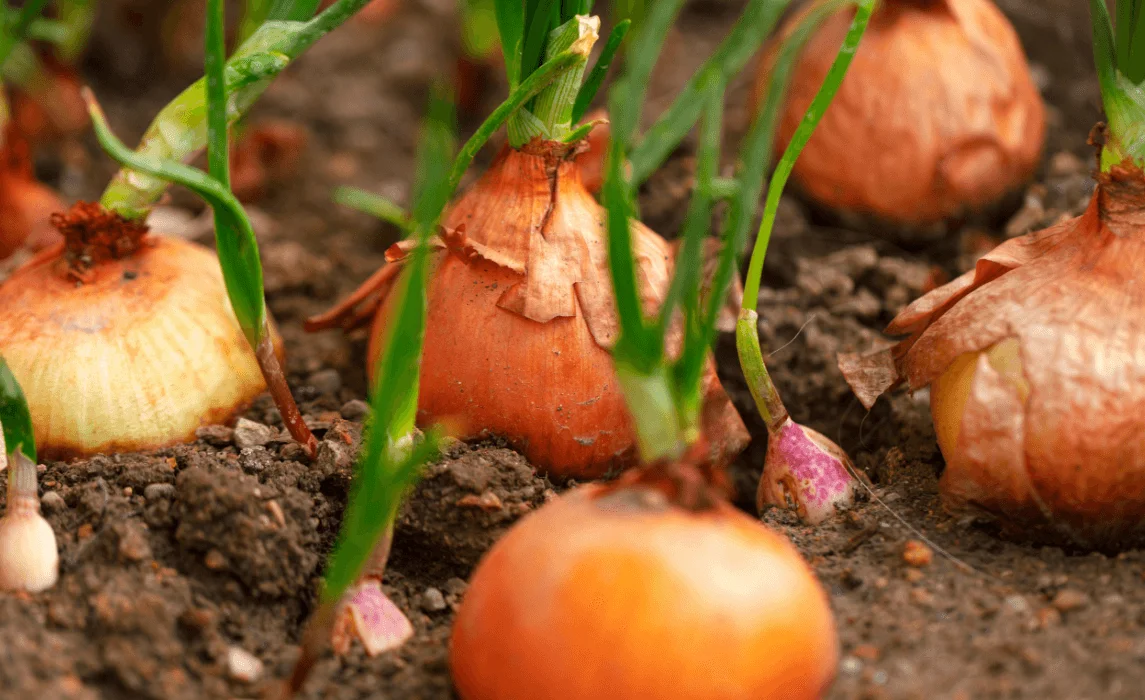
Onions are one of the most traditional and effective companion plants for carrots and have been paired together in vegetable gardens for generations due to their complementary growth habits and natural pest-repelling properties. These bulb-forming plants typically grow between 12 and 24 inches tall, producing narrow, hollow, blue-green leaves and rounded or elongated bulbs that develop just beneath the soil surface, with flowering stalks appearing only if plants are left to bolt. Onions thrive in sunny garden beds with loose, well-draining soil, conditions that closely match what carrots need to develop strong, straight roots. The strong, pungent scent released by onion foliage is highly effective at repelling carrot flies and carrot rust flies by masking the smell of carrot plants, significantly reducing pest pressure throughout the growing season. Onions require consistent but moderate watering, prefer low to moderate humidity, and perform best in cool to mild temperatures, especially during early growth. Because onions are relatively easy to grow, resistant to many diseases, and provide reliable protection for carrots, they are highly recommended for beginner gardeners as well as experienced growers looking to improve carrot yields naturally.
Soil: Loose, well-draining soil
Water: Moderate and consistent
Light: Full sun
Humidity: Low to moderate
Fertilizer: Balanced, light feeding
Temperature: Cool to mild
USDA Zone: 3–9
2. Leeks
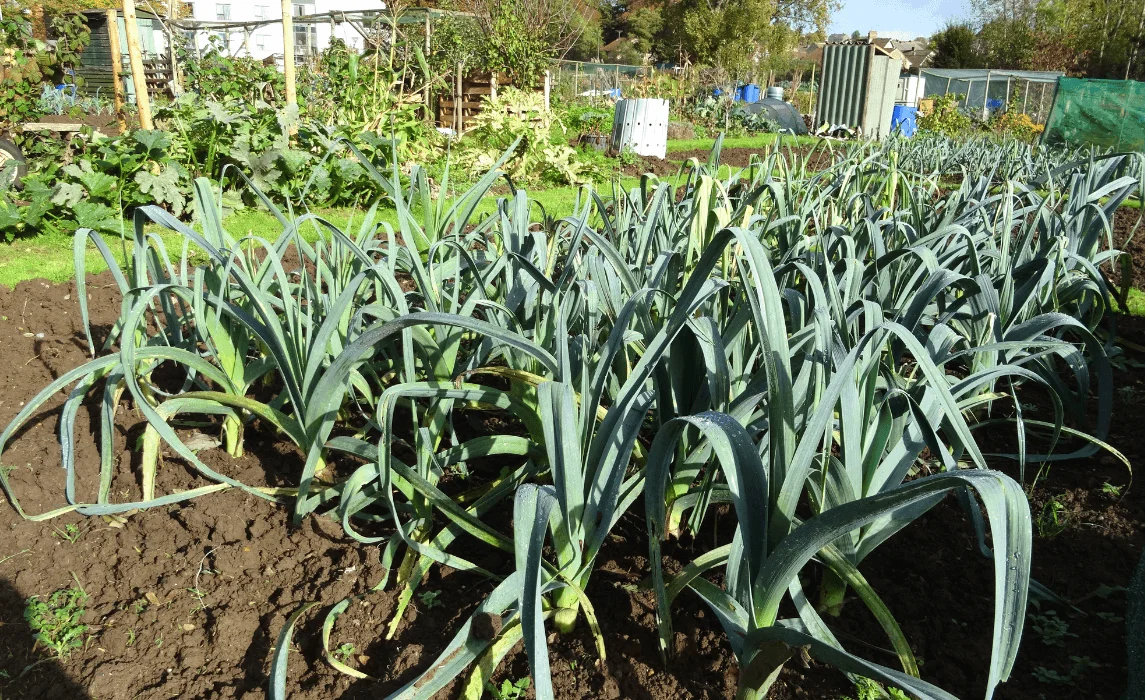
Leeks are close relatives of onions and are valued as companion plants for carrots because they offer similar pest-repelling benefits while occupying vertical space rather than competing underground. These slow-growing plants can reach 24 to 36 inches in height, featuring thick, white cylindrical stalks that gradually transition into broad, flat, blue-green leaves, with flowering only occurring if plants overwinter. Leeks thrive in cool climates and deep, fertile soil, making them particularly well suited for carrot beds where loose soil is essential for healthy root formation. Their mild onion-like aroma helps repel carrot flies, aphids, and rust flies while remaining gentle enough not to overwhelm nearby plants. Leeks require steady moisture, full sun to partial shade, moderate humidity, and cooler temperatures for best growth. Because they grow slowly and require patience and regular maintenance such as blanching, leeks are best suited for intermediate gardeners or those who enjoy tending long-season crops alongside carrots.
Soil: Rich, loose, well-draining soil
Water: Regular, even moisture
Light: Full sun to partial shade
Humidity: Moderate
Fertilizer: Compost or nitrogen-rich feed
Temperature: Cool to mild
USDA Zone: 3–8
3. Radishes
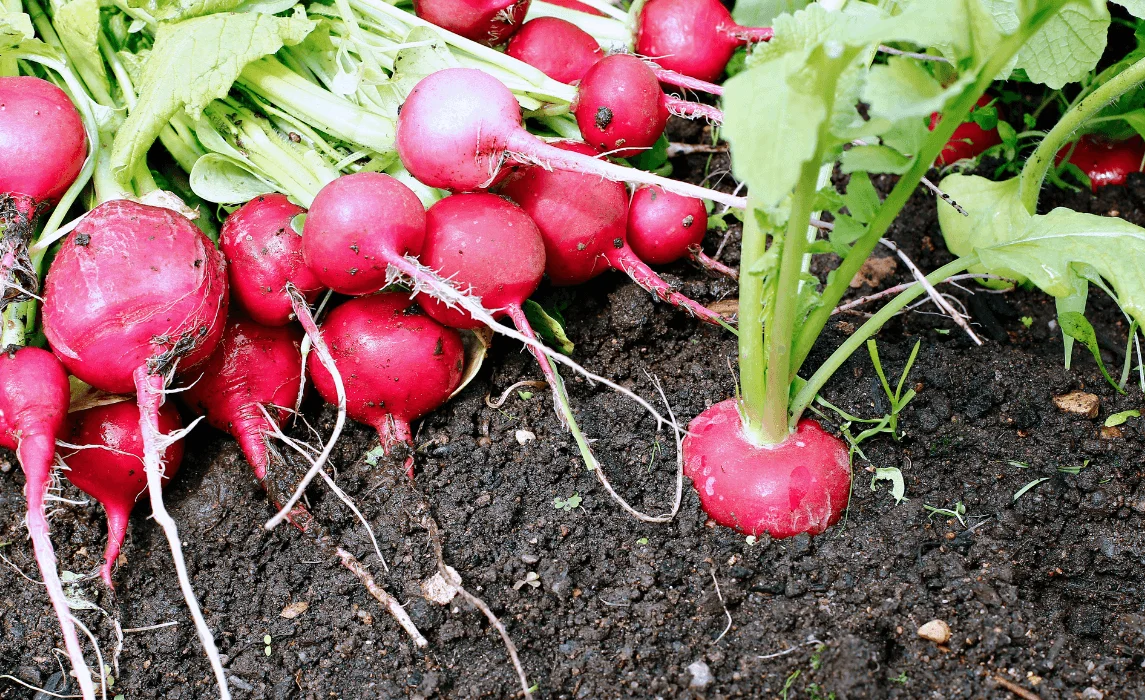
Radishes are one of the most practical and efficient companion plants for carrots, especially during the early stages of growth when carrot seedlings are most vulnerable. These quick-growing root vegetables typically reach 6 to 12 inches tall and produce bright green leafy tops with crisp, round or elongated roots in shades of red, white, pink, or purple, occasionally forming small white or pale lavender flowers if allowed to mature fully. Radishes thrive in cool weather and loose, well-draining soil, making them ideal to plant directly among rows of carrots. Their rapid growth helps break up compacted soil, improving aeration for carrot roots, while their presence can deter pests such as carrot rust flies and aphids. Radishes require moderate watering, full sun, low to moderate humidity, and minimal fertilization, and they mature quickly, allowing gardeners to harvest them early and create space for carrots to expand. This companion plant is especially well suited for beginner gardeners, raised-bed growers, and anyone practicing succession planting in small garden spaces.
Soil: Loose, well-draining soil
Water: Even, moderate moisture
Light: Full sun
Humidity: Low to moderate
Fertilizer: Minimal feeding
Temperature: Cool
USDA Zone: 2–10
4. Lettuce
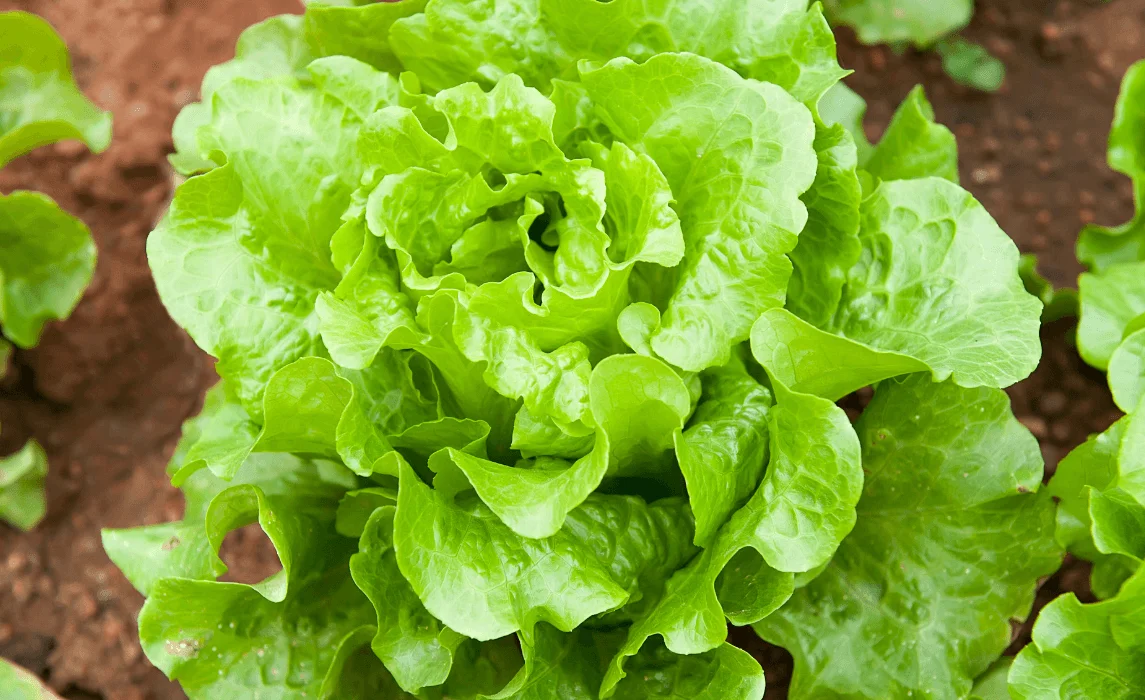
Lettuce is a cool-season leafy vegetable that makes an excellent companion plant for carrots due to its shallow root system and quick-growing nature. Depending on the variety, lettuce plants grow between 6 and 12 inches tall and wide, forming loose leaf clusters or compact heads in shades of light green, dark green, or deep burgundy, with flowering only occurring if plants bolt in warm weather. Lettuce thrives in cooler temperatures, moist, fertile soil, and full sun to partial shade, conditions that align well with early carrot growth. When planted next to carrots, lettuce acts as a living mulch, helping retain soil moisture, suppress weeds, and regulate soil temperature, all of which benefit developing carrot seedlings. Lettuce requires frequent light watering, moderate humidity, and nutrient-rich soil but does not compete with carrots for underground space. This pairing is ideal for beginner gardeners, container gardeners, and those looking to maximize productivity in small garden beds or raised planters.
Soil: Moist, fertile soil
Water: Frequent, light watering
Light: Full sun to partial shade
Humidity: Moderate
Fertilizer: Light nitrogen feed
Temperature: Cool
USDA Zone: 2–9
5. Tomato Plants
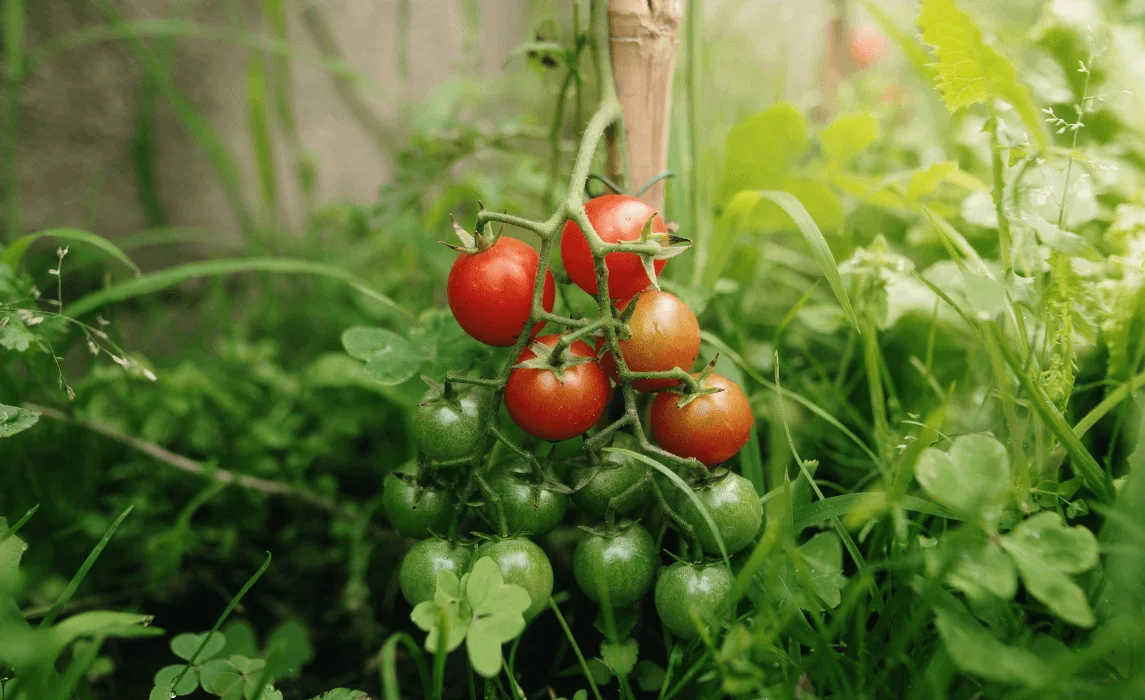
Tomato plants are warm-season vegetables that can serve as a strategic companion plant for carrots when garden space and spacing are managed carefully. These plants are vigorous growers that typically reach 3 to 6 feet tall, with thick green stems, broad serrated leaves, small yellow star-shaped blooms, and fleshy fruits that range in color from red to yellow or orange. Tomato plants thrive in sunny, warm garden beds with rich, well-draining soil and consistent moisture, conditions that can also support healthy carrot growth when nutrients are balanced. When planted next to carrots, tomatoes help attract beneficial insects such as predatory wasps and ladybugs that feed on pests like aphids, while their taller structure can provide light shade that protects carrot roots from excessive heat during peak summer temperatures. However, tomatoes are heavy feeders and should be spaced far enough away to prevent competition for nutrients and water, as carrots need loose soil and room to develop straight, healthy roots. This companion planting combination works best in larger garden beds and is recommended for intermediate to experienced gardeners who are comfortable managing fertilization, pruning, and spacing to ensure both crops grow well together.
Soil: Rich, loose, well-draining soil
Water: Deep, consistent watering
Light: Full sun
Humidity: Moderate
Fertilizer: Heavy feeder; compost or tomato fertilizer
Temperature: Warm (65–85°F / 18–29°C)
USDA Zone: 3–11
Ultimate Guide to the Best Tomato Companion Plants
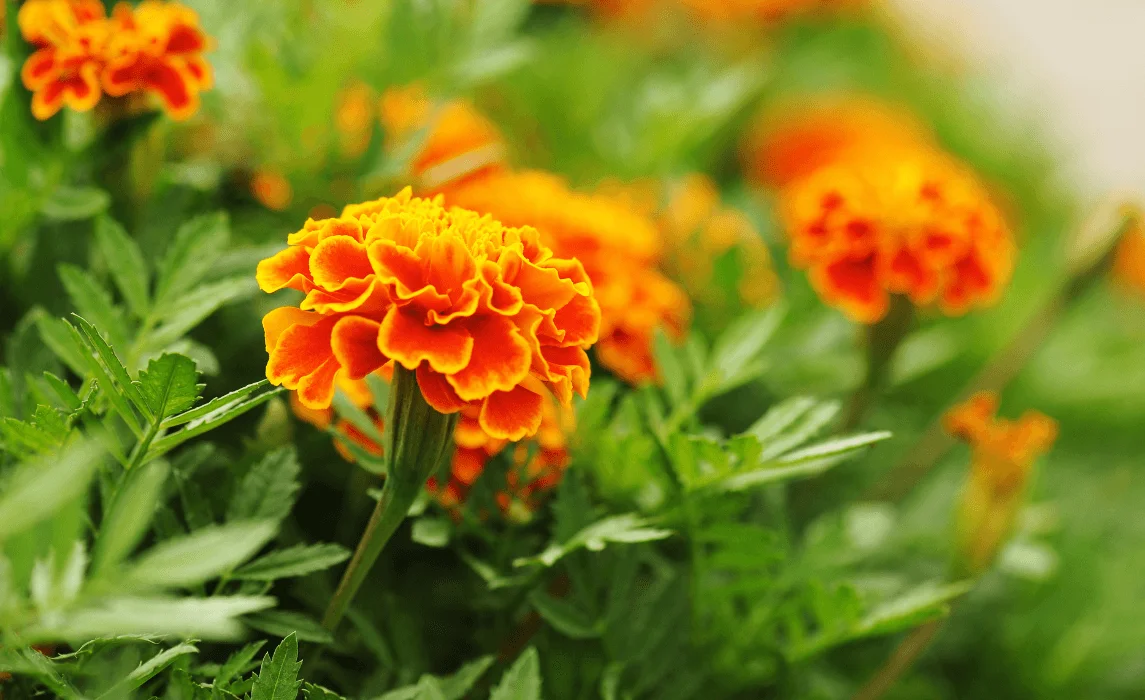
Marigolds are one of the most widely used flowering companion plants in vegetable gardens due to their exceptional pest-repelling abilities and ease of care. These annual plants typically grow between 6 and 24 inches tall, producing dense green foliage and vibrant blooms in shades of yellow, orange, and deep red throughout the growing season. Marigolds thrive in full sun and adapt well to a wide range of soil types, as long as drainage is adequate. When planted next to carrots or along the edges of carrot beds, marigolds help repel nematodes, carrot flies, carrot rust flies, and other soil-dwelling pests through their strong scent and root secretions. In addition to pest control, marigold flowers attract beneficial insects such as hoverflies and lacewings, which prey on pests like aphids that may damage carrot plants. Marigolds prefer moderate watering, warm temperatures, and relatively low humidity, making them highly adaptable and low-maintenance. They are strongly recommended for beginner gardeners, organic gardeners, and anyone looking to improve carrot health naturally while adding color to the vegetable garden.
Soil: Well-draining soil
Water: Moderate, allow soil to dry slightly between watering
Light: Full sun
Humidity: Low to moderate
Fertilizer: Minimal; avoid excess nitrogen
Temperature: Warm
USDA Zone: 2–11
7. Beets
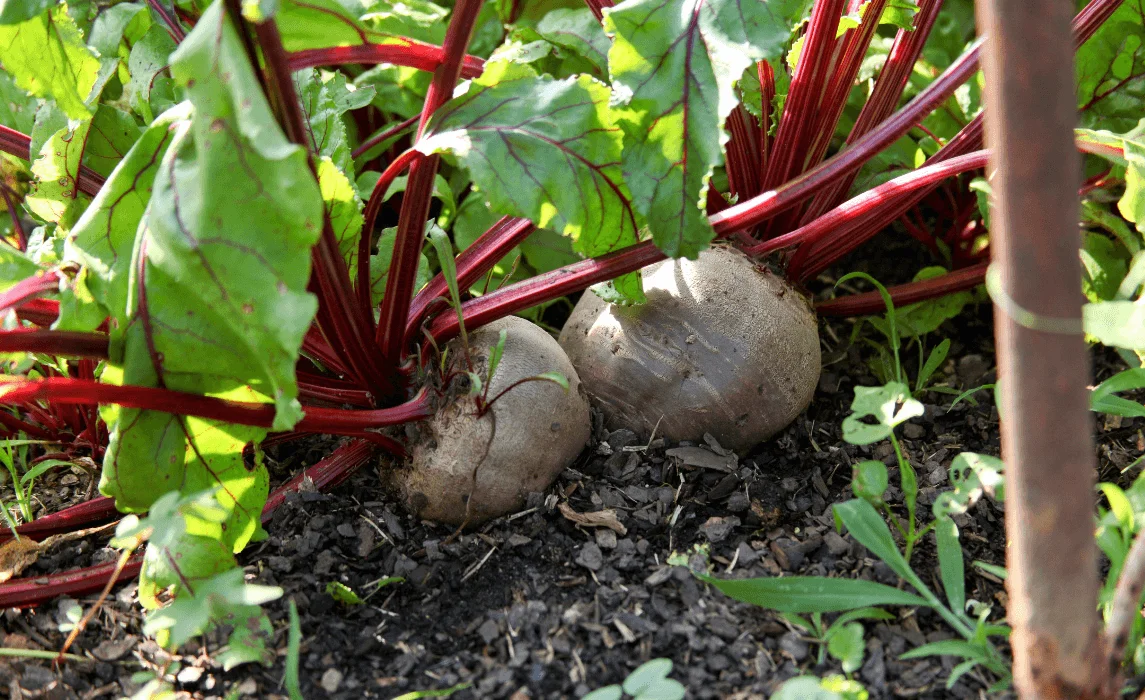
Beets are cool-season root vegetables that make excellent companion plants for carrots because they share similar growing requirements without competing aggressively for space. Beet plants typically grow 12 to 18 inches tall, featuring broad, smooth green leaves with striking red or purple veins and rounded roots that range in color from deep red to golden yellow or striped varieties. Beets thrive in loose, fertile soil with good drainage and consistent moisture, conditions that are also ideal for carrot root development. When grown together, beets help improve soil structure, allowing carrots to form long, straight roots without obstruction. Both crops prefer full sun, moderate humidity, and cooler temperatures, making them well suited for spring and fall planting. Beets require steady watering to prevent woody roots and benefit from balanced fertilization, while carrots can grow alongside them without nutrient conflict when spaced properly. This pairing is recommended for gardeners who enjoy growing multiple root crops together and want to maximize productivity in garden beds or raised beds.
Soil: Loose, fertile, well-draining soil
Water: Consistent moisture
Light: Full sun
Humidity: Moderate
Fertilizer: Balanced fertilizer or compost
Temperature: Cool to mild
USDA Zone: 2–10
8. Chives
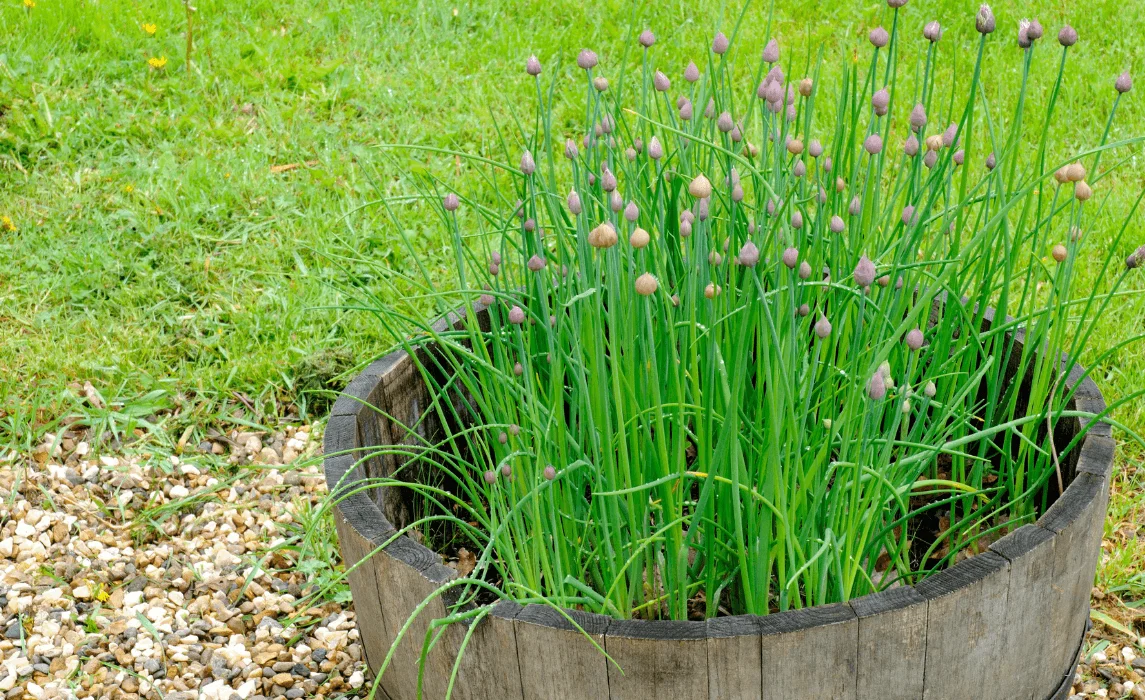
Chives are perennial herbs that make a compact yet highly effective companion plant for carrots, especially in smaller gardens and containers. These plants grow 8 to 12 inches tall and form clumps of thin, hollow green leaves topped with round purple or lavender blooms in late spring or early summer. Chives thrive in full sun and well-draining soil and are tolerant of a range of temperatures, though they perform best in cool to mild conditions with low to moderate humidity. Their mild onion-like scent helps repel pests such as aphids and carrot flies, while their flowers attract beneficial insects that contribute to overall garden health. Chives require minimal maintenance, needing only moderate watering and occasional trimming, and they do not compete with carrots for root space. This companion plant is highly recommended for beginner gardeners, container gardeners, and those looking for a low-maintenance herb that provides both culinary and pest-control benefits.
Soil: Well-draining soil
Water: Moderate
Light: Full sun
Humidity: Low to moderate
Fertilizer: Light feeding with compost
Temperature: Cool to mild
USDA Zone: 3–9
9. Parsley
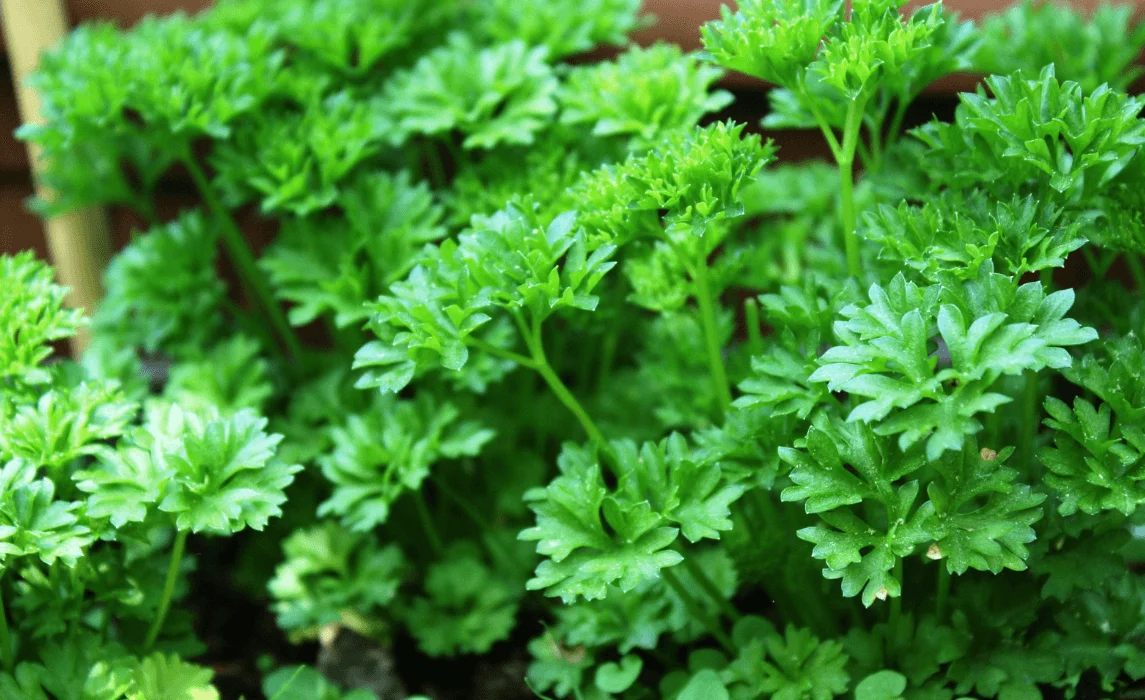
Parsley is a biennial herb that belongs to the same plant family as carrots, making it a compatible companion plant when grown with proper spacing. Parsley plants typically reach 12 to 18 inches tall and produce dense clusters of bright green, finely divided leaves, followed by small yellow-green flowers if allowed to overwinter. Parsley thrives in cool to mild temperatures, fertile soil, and full sun to partial shade, conditions that align well with carrot growing requirements. One of parsley’s greatest benefits as a companion plant is its ability to attract beneficial insects, including predatory wasps and hoverflies, which help control pests like aphids that may target carrot plants. Parsley requires regular watering to keep the soil consistently moist and prefers moderate humidity. Because it grows more slowly and requires attentive care, parsley is best suited for intermediate gardeners who are comfortable managing herbs alongside vegetables.
Soil: Rich, moisture-retentive soil
Water: Regular, even watering
Light: Full sun to partial shade
Humidity: Moderate
Fertilizer: Light, organic feeding
Temperature: Cool
USDA Zone: 3–9
10. Nasturtiums
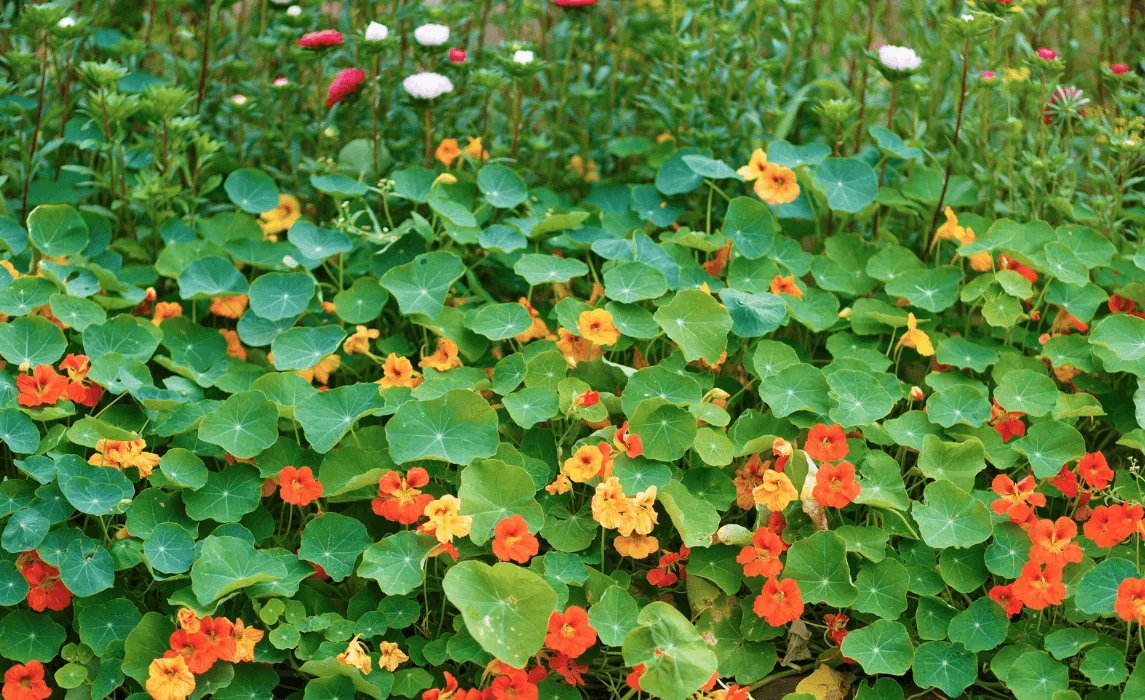
Nasturtiums are fast-growing annual plants commonly used as trap crops in companion planting systems. These plants can spread 12 to 24 inches wide, producing rounded, lily-pad-like green leaves and vibrant funnel-shaped flowers in shades of orange, red, and yellow. Nasturtiums thrive in full sun and warm temperatures and are unique in that they prefer poor to average soil, as overly rich soil leads to excessive leaf growth and fewer blooms. When planted near carrots, nasturtiums attract pests such as aphids away from carrot plants while simultaneously drawing beneficial insects that help maintain pest balance in the garden. Nasturtiums require minimal watering once established, tolerate low humidity, and need very little maintenance, making them extremely easy to grow. This companion plant is ideal for beginner gardeners, organic gardeners, and those who want a visually appealing, low-effort way to protect carrots and improve overall garden health.
Soil: Poor to average, well-draining soil
Water: Moderate; drought-tolerant once established
Light: Full sun
Humidity: Low
Fertilizer: None required
Temperature: Warm
USDA Zone: 9–11 (grown as an annual elsewhere)
Growing Lettuce Indoors: A Complete Guide to Fresh Greens Anytime, Anywhere
What is a carrot companion plant and why does it matter in the garden?
A carrot companion plant is any plant that grows well next to carrots and helps them grow best by improving soil conditions, repelling pests, or reducing competition for space. Companion planting with carrots matters because carrots are a popular vegetable with delicate roots that need loose soil, steady moisture, and protection from pests like carrot flies. Choosing the right carrot companion plants allows carrots to grow well together with other plants in the garden while improving overall plant health and harvest quality.
Are there bad companion plants for carrots?
Yes, there are bad companion plants for carrots that can reduce yields or attract the same pests. Potatoes and carrots should not be planted together because they compete for nutrients and space. Cabbage plants and other brassicas attract pests like aphids that may also harm carrots. Fennel and some plants in the carrot family attract the same pests and can interfere with carrot growth. Understanding good and bad companion plants helps gardeners avoid planting combinations that don’t grow well together.
Do carrots need space to grow when planted with other plants?
Carrots need space to grow, especially underground, to develop long, straight roots. When planting carrots together with companion plants, choose different plants that do not crowd the soil. Shallow-rooted plants and upright plants are ideal companions because carrots can take deeper soil space without competition. Proper spacing ensures carrots grow large and healthy while still benefiting from garden companion plants.
Related posts
Here are some articles you might be interested in.