How To Care For A Hibiscus Plant: Complete Guide on Hibiscus Care for Thriving Blooms
Published on
April 23, 2025
Author
Anjali Sharma
Anjali was born and raised in Indi and is now residing in New Jersey with her husband. Anjali's passion lies in raising her own vegetables and herbs, which she wants to share with others.
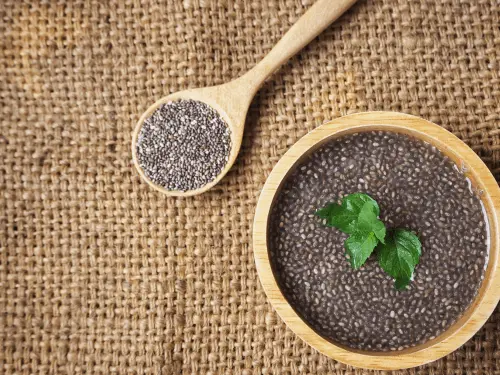
Growing Chia Plants Q&A
Can I grow chia from the chia seeds I buy at the store?
Yes. Organic chia seeds from the grocery store will often germinate, though germination can vary. Fresh seed from a garden supplier is more reliable.
How long does it take to grow chia?
Seeds sprout in about a week. The plant needs 100 to 150 days to mature before you can harvest the seeds.
Is chia a California native plant?
Salvia hispanica is native to central Mexico and Guatemala. However, Salvia columbariae, sometimes called California chia, is a California native plant.
Can I grow chia indoors?
You can grow chia sprouts and microgreens indoors easily. A full-size chia plant needs strong light and rarely sets a good seed crop indoors.
Why won't my chia flower?
Chia flowers when days get shorter. Plants in cooler regions or those lit at night may bloom late or not at all.
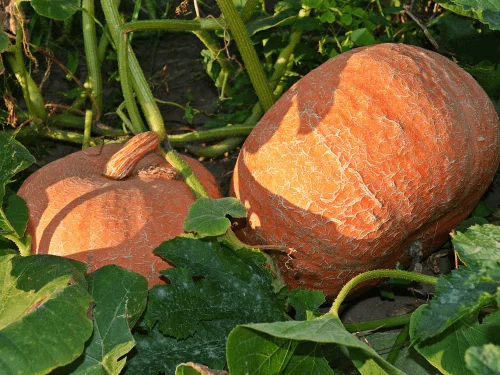
How to Grow Pumpkins Q&A
Can I grow pumpkins in a small home garden?
Yes. Choose bush or miniature varieties, grow vines on a trellis, or use raised beds. Plan on one or two plants per hill and prune vines when space is tight.
When should I plant pumpkins for Halloween?
Plant seeds in late May or early June in most climates. Count back from your first frost date and allow for 90 to 120 days of growth.
Why does my pumpkin plant have flowers but no fruit?
Male flowers appear first, so early flowers will not set fruit. If female flowers open but fail to fruit, you probably have too few bees. Pollinate by hand in the morning.
What causes pumpkin leaves to turn white?
This is usually powdery mildew. Improve airflow, water at the base, remove infected leaves, and apply a fungicide or neem oil.
Can I eat the pumpkin I grew for carving?
Yes, though carving types are stringy and bland. Pie pumpkins are sweeter, but the seeds from any pumpkin can be roasted.
Growing Grapevines Q&A
How long does it take for a grape plant to produce fruit?
Most young vines need two to three years after planting before they set a full crop, though a few clusters may appear in year two. Patience pays off — established vines can keep producing for 40 years or more.
Do I need more than one vine to grow grapes?
No. Since most grape varieties are self-fertile, one plant is enough to produce fruit on its own. Planting a second variety nearby is optional and mainly helps with cross-pollination in a few less common types.
Can grape vines grow in containers?
Yes, though grape vines grow best planted directly in the ground, where the root system has room to spread. A large container works for a year or two, but expect to transplant once the vine outgrows the pot.
Why aren't my grapes ripening?
Grapes ripen slowly compared to many fruits, and cool weather, too much shade, or overcrowded canes can all delay the process. Give the vine full sun, thin the clusters, and be patient through the growing season.
What's the difference between table grapes and wine grapes?
Table grapes are bred for fresh eating, with thinner skins and fewer seeds, while wine grapes tend to have thicker skins, more seeds, and higher sugar content suited to fermentation.
Are grape vines toxic to pets?
Grapes and grape leaves are not toxic to people, but grapes and raisins are toxic to dogs and can cause kidney damage, so keep fallen fruit cleaned up if pets have access to the vineyard.
If you're looking to add a touch of tropical beauty to your garden or home, the hibiscus plant is an excellent choice. Known for its large, vibrant flowers and lush foliage, hibiscus can thrive in a variety of environments with the right care. Whether you're growing them in your garden or in a pot, hibiscus plants require specific attention to ensure they bloom beautifully year after year. In this complete guide, we'll walk you through everything you need to know about hibiscus care, from soil and sunlight requirements to watering, pruning, and dealing with common pests. With the right techniques, you'll soon be enjoying a garden filled with the stunning, colorful blooms of healthy hibiscus plants.
Plant Attribute
Details
Plant Type
Perennial or Tropical
Size
Can range from 2 to 15 feet tall depending on the variety and whether it is grown in a container or directly in the ground.
Soil Type
Well-draining, loamy soil that is rich in organic matter
Soil pH
Slightly acidic to neutral (5.5 to 7.0)
Bloom Time
Typically from spring to fall (with tropical hibiscus blooming year-round in ideal conditions)
These are the colorful, showy hibiscus varieties often seen in warmer climates or grown in containers. They come in a range of colors, including red, pink, yellow, and white. Tropical hibiscus thrives in full sun and warmer temperatures.
These are hardier varieties that can survive cooler temperatures and return each year. Hardy hibiscus can be grown in zones 4–9 and blooms typically in late summer or early fall. They tend to have larger flowers compared to tropical varieties and are perfect for garden beds.
Discover beautiful blooms that are not only pretty but also tasty—perfect for salads, desserts, and drinks!
How to Plant Hibiscus
Whether you're planting a hibiscus from seed or as a seedling, the process can be simple. Here’s a beginner-friendly guide:
Prepare the Soil: Hibiscus plants prefer loamy, well-draining soil. Amend the soil with compost or organic matter to ensure proper drainage.
Planting from Seed: If planting from seed, start seeds indoors about 8-12 weeks before the last expected frost. Soak the seeds in water for 24 hours before planting, then place them in a seed-starting tray with a light, well-draining potting mix. Keep the seeds moist and warm (70°F–80°F) until they sprout, which typically takes 1–2 weeks.
Planting from Seedling: If planting from seedlings or a nursery plant, dig a hole large enough to accommodate the root ball, ensuring the plant is positioned at the same depth it was in its original pot. Gently remove the plant from the container, place it in the hole, and cover with soil. Press down gently to secure it.
Watering: After planting, water thoroughly to help settle the soil around the roots.
Requirements for Hibiscus
Soil
Hibiscus plants thrive in rich, well-draining soil that provides both nutrients and good drainage. To improve the texture and drainage of poor soil, amend it with organic matter such as compost, peat moss, or aged manure. The soil should be slightly acidic to neutral (pH 6.0 to 7.0) for optimal growth. Avoid heavy clay soils that retain too much moisture, which could lead to root rot. Incorporating perlite or sand can also help with drainage, especially if you're planting in containers.
Water
Hibiscus prefers consistently moist soil but not waterlogged conditions. It is crucial to water the plant thoroughly, allowing the water to reach the root zone deeply. Allow the top inch or two of soil to dry slightly between waterings to prevent overwatering, which can lead to root rot. In hot weather, you may need to water more frequently, especially if the plant is in a container, as pots dry out faster than garden soil. Ensure the container has drainage holes to avoid water buildup.
Temperature
Tropical hibiscus thrives in warm, frost-free conditions, preferring temperatures between 60°F and 90°F (16°C to 32°C). These plants are sensitive to cold and should be protected from temperatures below 50°F (10°C), which can damage the plant. Hardy hibiscus varieties, while more tolerant of cooler climates, still perform best in warm conditions during the growing season and may go dormant in winter. If you're growing hibiscus in cooler regions, consider bringing them indoors or providing frost protection during winter months.
Humidity
Hibiscus plants prefer high humidity levels to support their lush, vibrant foliage and flowers. Indoors, the air can be too dry, especially during winter months with heating systems running. To increase humidity, mist the leaves regularly with a fine spray of water, or place a humidifier near the plant. Another option is to set the pot on a tray filled with pebbles and water, ensuring the pot's bottom is above the waterline. This helps maintain local humidity around the plant without soaking the roots.
Sunlight
Hibiscus requires at least 6 hours of direct sunlight daily to produce abundant blooms. Full sun exposure encourages strong growth and vibrant flowers. Plant your hibiscus in a sunny location, such as a south-facing spot in the garden or on a patio where it can get plenty of light. If growing indoors, place the plant near a south- or west-facing window where it will receive ample sunlight. If sunlight is limited, hibiscus may produce fewer flowers, and the plant may become leggy as it stretches towards the light.
Location
When choosing a location for your hibiscus, make sure it has good air circulation and is sheltered from strong, cold winds. Tropical hibiscus can be grown in containers, which makes it easier to move them indoors during colder months or to a sheltered spot when the weather is extreme. Hardy hibiscus, on the other hand, is better suited for the garden, where it can benefit from the natural elements of the soil and environment. Whether in a pot or the ground, ensure the location allows the plant to receive full sun and protection from harsh winds that could damage the plant or dry it out too quickly.
Maintenance Tips for Hibiscus
Fertilizing
Hibiscus plants are considered heavy feeders, meaning they require a substantial amount of nutrients for optimal growth. To meet their needs, apply a balanced, water-soluble fertilizer, such as a 10-10-10 or 20-20-20 formula, every 2–4 weeks during the growing season, typically from spring to late summer. This ensures the plant receives a steady supply of nutrients for producing vibrant flowers. In addition, for hibiscus grown in containers, a slow-release fertilizer is an excellent choice. It will provide a steady supply of nutrients over a longer period, reducing the frequency of fertilization. Be sure to follow the instructions on the fertilizer packaging to avoid over-fertilizing, which can harm the plant.
Pruning
Pruning hibiscus is an essential task for maintaining its health and appearance. The best time to prune is after the plant has finished flowering or in early spring before new growth begins. Start by removing any dead, damaged, or diseased stems, as they can hinder the plant’s overall health. If your hibiscus has become too tall or leggy, pruning can also help shape it and encourage a fuller, bushier form. Regular pruning not only helps maintain a neat appearance but also promotes better airflow and light penetration, which can prevent disease. When pruning, always use clean, sharp pruning shears to make clean cuts that minimize stress to the plant.
Mulching
Mulching is a beneficial practice for hibiscus plants, as it helps maintain a stable environment for the roots. Apply a 2- to 3-inch layer of organic mulch, such as shredded bark, straw, or leaf litter, around the base of the plant. This layer helps retain soil moisture, reducing the frequency of watering, and insulates the roots from temperature fluctuations. Mulching also helps prevent weed growth, which can compete with your hibiscus for nutrients. Be careful not to pile mulch directly against the plant’s stem, as this can cause rot. Instead, leave a small gap around the stem to allow for proper airflow and prevent moisture buildup.
Potting and Repotting
For hibiscus grown in containers, repotting is an essential part of their care routine. Over time, the soil in containers becomes compacted, which can hinder root growth and nutrient uptake. Repot your hibiscus every 1–2 years to refresh the soil and provide additional space for the roots to expand. Choose a new pot that is one size larger than the current one, ensuring it has drainage holes to prevent water from collecting at the bottom, which could lead to root rot. When repotting, gently loosen the roots if they’ve become root-bound and place the plant in the new container with fresh, well-draining potting mix. This practice encourages healthier growth and vibrant blooms.
Overwintering
If you live in a region with cold winters, tropical hibiscus will need special care to survive the colder months. Before the first frost, bring the plant indoors to protect it from freezing temperatures. Ideally, place it in a bright, sunny location with temperatures between 50°F and 60°F (10°C and 15°C). Avoid placing it near drafts or heating vents, as these can cause stress. Hardy hibiscus, on the other hand, can typically stay in the ground through the winter. To protect the roots from freezing, apply a thick layer of mulch, such as shredded leaves or straw, around the base of the plant. This helps insulate the roots from the cold and ensures a healthy return in the spring.
Common Pests and Diseases
While hibiscus is a hardy plant, it is susceptible to certain pests and diseases. Here’s how to handle them:
Aphids: These small insects suck sap from the plant, causing the leaves to curl and become distorted. Use insecticidal soap or neem oil to control aphids.
Spider Mites: These pests thrive in hot, dry conditions. They can cause leaves to turn yellow and may leave behind a fine web. If you see spider mites, spray the plant with water to remove them or treat it with insecticidal soap.
Scale Insects: Scale insects are small, round bumps that attach to the leaves and stems. They can weaken the plant by sucking out sap. Use rubbing alcohol or neem oil to treat scale infestations.
Root Rot: Caused by overwatering or poor drainage, root rot is a common problem for hibiscus plants. To prevent it, ensure your hibiscus is planted in well-draining soil and avoid standing water.
Harvesting Hibiscus
For Herbal Teas:
Timing: For hibiscus varieties used in herbal teas (like Hibiscus sabdariffa), the flowers should be harvested when they are fully opened, as they contain the highest levels of beneficial compounds. This is typically in late summer or early fall, depending on the climate. It’s best to harvest them early in the morning, just after the dew has dried but before the midday sun, when the flowers are at their freshest and most vibrant.
Learn the secrets to thriving potted herbs—perfect for small spaces, windowsills, and kitchen gardens!
Cutting: Use a sharp, clean pair of scissors or pruning shears to snip the entire flower off at the base of the stem. Make sure to leave at least 2-3 leaves on the stem to allow for new growth and to encourage the plant to produce more flowers. You may also choose to harvest the calyces (the outer petals) of the flowers if you're planning to dry them for tea.
For Decorative Use:
Timing: Similar to the herbal variety, for decorative uses, harvest hibiscus flowers when they are at their peak bloom, usually early in the day when the flowers are still fully open and bright in color.
Cutting: For a more aesthetic cut, use sharp scissors or pruning shears to trim the stem just below the flower, ensuring you preserve the plant’s foliage. Leave a portion of the stem to maintain the plant's overall health and appearance. If you’re using the flowers in arrangements, consider harvesting them with some foliage for added texture and greenery.
Frequently Asked Questions:
Q: Can hibiscus be grown indoors?
A: Yes, hibiscus can be grown indoors, particularly tropical varieties. Place your hibiscus in a sunny spot with at least 6 hours of direct sunlight each day. You may need to use grow lights if sunlight is limited during winter months. Ensure the room is warm and humid to mimic tropical conditions.
Q: How can I protect my hibiscus from winter frost?
A: If you live in a region with cold winters, bring tropical hibiscus indoors before the first frost to protect it from freezing. Hardy hibiscus can be left outdoors with a layer of mulch around the base to protect the roots. Consider cutting back the stems and covering the plant with frost cloth for extra protection.
Q: What is the best time to plant hibiscus?
A: The best time to plant hibiscus is during the spring or early summer, when the plant can establish itself before the cooler weather sets in. For tropical hibiscus, wait until the danger of frost has passed. Hardy hibiscus can be planted in the spring, once the soil has warmed up.
Related posts
Here are some articles you might be interested in.