Pink Princess Philodendron Care: How to Grow and Nurture Your Pink Princess Plant for Stunning Results
Published on
April 17, 2025
Author
Sarah Wilson
Sarah Wilson started her gardening journey during the pandemic and had fallen in love with it ever since. Eager to connect with fellow garden enthusiasts, she wants to share the knowledge she's gained over the past three years.
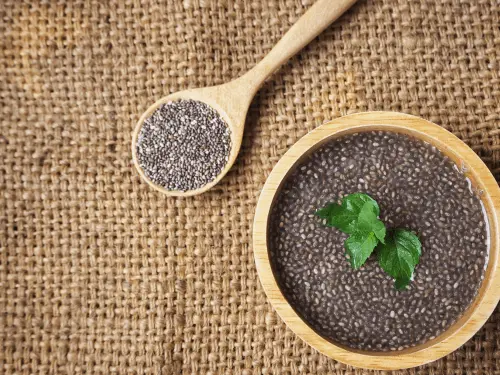
Growing Chia Plants Q&A
Can I grow chia from the chia seeds I buy at the store?
Yes. Organic chia seeds from the grocery store will often germinate, though germination can vary. Fresh seed from a garden supplier is more reliable.
How long does it take to grow chia?
Seeds sprout in about a week. The plant needs 100 to 150 days to mature before you can harvest the seeds.
Is chia a California native plant?
Salvia hispanica is native to central Mexico and Guatemala. However, Salvia columbariae, sometimes called California chia, is a California native plant.
Can I grow chia indoors?
You can grow chia sprouts and microgreens indoors easily. A full-size chia plant needs strong light and rarely sets a good seed crop indoors.
Why won't my chia flower?
Chia flowers when days get shorter. Plants in cooler regions or those lit at night may bloom late or not at all.
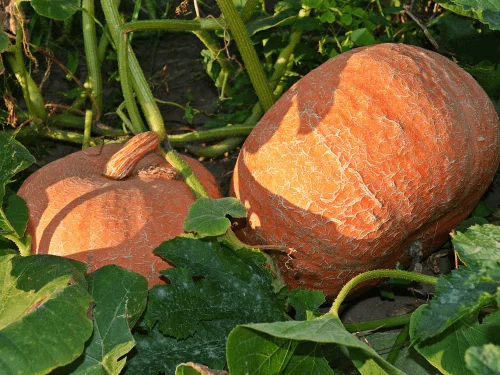
How to Grow Pumpkins Q&A
Can I grow pumpkins in a small home garden?
Yes. Choose bush or miniature varieties, grow vines on a trellis, or use raised beds. Plan on one or two plants per hill and prune vines when space is tight.
When should I plant pumpkins for Halloween?
Plant seeds in late May or early June in most climates. Count back from your first frost date and allow for 90 to 120 days of growth.
Why does my pumpkin plant have flowers but no fruit?
Male flowers appear first, so early flowers will not set fruit. If female flowers open but fail to fruit, you probably have too few bees. Pollinate by hand in the morning.
What causes pumpkin leaves to turn white?
This is usually powdery mildew. Improve airflow, water at the base, remove infected leaves, and apply a fungicide or neem oil.
Can I eat the pumpkin I grew for carving?
Yes, though carving types are stringy and bland. Pie pumpkins are sweeter, but the seeds from any pumpkin can be roasted.
Growing Grapevines Q&A
How long does it take for a grape plant to produce fruit?
Most young vines need two to three years after planting before they set a full crop, though a few clusters may appear in year two. Patience pays off — established vines can keep producing for 40 years or more.
Do I need more than one vine to grow grapes?
No. Since most grape varieties are self-fertile, one plant is enough to produce fruit on its own. Planting a second variety nearby is optional and mainly helps with cross-pollination in a few less common types.
Can grape vines grow in containers?
Yes, though grape vines grow best planted directly in the ground, where the root system has room to spread. A large container works for a year or two, but expect to transplant once the vine outgrows the pot.
Why aren't my grapes ripening?
Grapes ripen slowly compared to many fruits, and cool weather, too much shade, or overcrowded canes can all delay the process. Give the vine full sun, thin the clusters, and be patient through the growing season.
What's the difference between table grapes and wine grapes?
Table grapes are bred for fresh eating, with thinner skins and fewer seeds, while wine grapes tend to have thicker skins, more seeds, and higher sugar content suited to fermentation.
Are grape vines toxic to pets?
Grapes and grape leaves are not toxic to people, but grapes and raisins are toxic to dogs and can cause kidney damage, so keep fallen fruit cleaned up if pets have access to the vineyard.
The Pink Princess Philodendron is a sought-after houseplant among plant lovers for its stunning pink variegation and lush, heart-shaped leaves. Whether you're an experienced plant collector or a new plant parent, learning how to care for your Pink Princess properly will ensure your Philodendron Pink Princess thrives and retains its breathtaking beauty. But how can you maintain the vibrant pink colors and the distinctive pink princess philodendron pattern on its leaves? It all comes down to providing the right care.
In this care guide, we will walk you through all the essential tips on caring for your Philodendron Pink Princess, including the best watering techniques, ideal humidity levels, and how to promote new growth. We'll also cover how to propagate your Pink Princess Philodendron to expand your plant collection and ensure continued success. Whether you're dealing with brown spots or wondering how to encourage more splashes of pink, this article is designed to help you keep your Pink Princess healthy and stunning.
Rarely blooms indoors; small white spathes in nature
Hardiness Zones
10–11 (best grown indoors in most climates)
Native Area
Tropical regions of South America
Toxicity Level
Toxic to pets (cats and dogs) if ingested
How to Plant Pink Princess Philodendron (Beginner-Friendly Steps)
Planting a Pink Princess Philodendron is fairly straightforward, but you should follow the right steps to ensure it gets off to a healthy start. If you are planting from seeds or cuttings, the process differs slightly. Here’s a step-by-step guide:
Planting from Seed
Prepare your seed-starting tray: Fill the tray with a well-draining seed starting mix.
Plant the seeds: Sprinkle the seeds over the surface of the soil, and lightly press them down (do not bury them too deep).
Moisturize: Mist the seeds lightly with a spray bottle to keep the soil moist.
Place in a warm location: Keep the seed tray in a warm spot with indirect light, such as a windowsill or under a grow light.
Maintain humidity: Cover the tray with a humidity dome or plastic wrap to create a greenhouse effect. Remove the humidity dome or plastic cover as soon as the seeds germinate and start to sprout.
Transplanting: Once seedlings have sprouted and grown a few inches tall, they can be transplanted into larger pots.
Planting from Cuttings
Prepare the cutting: Take a 4-6 inch cutting from a healthy plant with at least one node (the small bump where roots will form).
Rooting the cutting: Place the cutting in a jar of water, ensuring the node is submerged but not the leaves. Alternatively, plant the cutting directly into a pot with well-draining soil.
Wait for roots: After a few weeks, you should see roots forming. Once the roots are strong, transfer the cutting to a larger pot with well-draining potting mix.
Requirements for Growing Pink Princess Philodendron
Soil
The Pink Princess Philodendron thrives in well-draining soil that retains some moisture but doesn't stay soggy. A good mix includes peat moss for moisture retention, perlite for aeration and drainage, and orchid bark for added structure and drainage. This blend helps prevent root rot by allowing excess water to escape while keeping the roots consistently hydrated. You can also add a little sand or coco coir for extra drainage if desired. Make sure the soil is slightly acidic to neutral, with a pH of 5.5 to 7.0 for optimal growth.
Water
Water the Pink Princess Philodendron when the top inch of the soil feels dry to the touch. It’s crucial to avoid overwatering, as this can lead to root rot, a common issue for Philodendrons. Ensure your pot has adequate drainage holes to allow excess water to escape and prevent the roots from sitting in stagnant moisture. Be mindful of the humidity levels in your environment, as overly dry conditions can cause the soil to dry out quickly, requiring more frequent watering. During the growing season (spring and summer), water the plant more frequently, but reduce watering in the fall and winter when the plant’s growth slows down.
Temperature and Humidity
The Pink Princess Philodendron is a tropical plant that thrives in warm and humid conditions. It prefers temperatures between 65°F to 80°F (18°C to 27°C), making it ideal for indoor environments that mimic tropical climates. It’s important to keep the plant away from temperatures below 50°F (10°C), as cold drafts or sudden temperature drops can cause damage. When it comes to humidity, the Pink Princess requires high moisture levels, ideally between 60% and 80%. In dry environments, you can increase humidity by using a humidifier, misting the plant with water occasionally, or placing a water tray with pebbles nearby. Without proper humidity, the leaves may become dry, crispy, and stressed, affecting the overall health and vibrancy of the plant.
Sunlight and Location
The Pink Princess Philodendron requires bright, indirect light for the best growth and vibrant pink variegation. Direct sunlight can scorch its leaves, causing damage, while too little light can result in leggy growth where the plant stretches out and becomes sparse. Ideally, the plant should be placed in an area where it can receive bright but filtered light, such as near a north or east-facing window. If access to natural light is limited, a grow light can be used to provide adequate illumination. Avoid placing the plant in areas where it might be exposed to harsh, direct sunlight for long periods, as this can cause the leaves to burn.
For the location, choose a spot that offers consistent warmth and good light. The Pink Princess Philodendron does well in spaces like living rooms, dining rooms, or bathrooms—particularly if these areas have higher humidity levels. Avoid locations with cold drafts or places that are too close to air conditioners, radiators, or heaters, as fluctuating temperatures can negatively affect the plant’s health. Bathrooms and kitchens are great choices due to their naturally higher humidity, but make sure the plant isn’t exposed to extreme temperature fluctuations.
Feed your Pink Princess Philodendron monthly during the growing season, typically from spring to summer, to promote healthy growth. Use a balanced liquid fertilizer diluted to half strength to avoid overfeeding. In the fall and winter months, when the plant’s growth slows down, reduce feeding to once every 6-8 weeks or cease altogether. Fertilizing during the dormant period can cause nutrient imbalances, so it's best to give the plant a break until warmer weather returns.
Pruning
Pruning your Pink Princess Philodendron is essential for maintaining its aesthetic appeal and encouraging fuller, bushier growth. Regularly trim any dead, yellowing, or damaged leaves to improve the plant’s appearance and overall health. Additionally, cut back any leggy or overgrown stems to maintain the plant's desired shape and size. Pruning can also help direct energy into the healthiest parts of the plant, allowing it to grow more vigorously.
Mulching
While mulching isn't a necessity for the Pink Princess, adding a thin layer of organic mulch, such as bark or wood chips, on top of the soil can help retain moisture during dry spells. This can be particularly beneficial in warmer months or in dry indoor conditions. However, make sure not to apply too thick a layer, as excessive mulch can prevent proper airflow around the roots, leading to potential root rot.
Potting and Repotting
Repotting your Pink Princess Philodendron is necessary every 1-2 years, or sooner if the plant becomes root-bound. When repotting, choose a new pot that is 1-2 inches larger in diameter than the current one to give the roots room to grow. Always use a fresh, well-draining potting mix to ensure the roots remain healthy and do not become waterlogged. It’s a good idea to inspect the roots for any signs of rot during repotting, and trim away any unhealthy sections before transferring the plant to its new pot.
Overwintering
During the colder months, your Pink Princess will slow down in its growth, so it's essential to ensure it stays in a warm, stable environment, away from drafts or cold windows. You may want to reduce watering during this time, as the plant’s needs for moisture decrease. Ensure the soil remains slightly moist but not soggy, as overwatering in winter can lead to root rot. Keep an eye on humidity levels, as lower humidity during winter can stress the plant; consider placing the plant on a humidity tray or using a humidifier if the air becomes too dry.
Common Pests and Diseases
Although the Pink Princess Philodendron is generally a resilient and easy-to-care-for plant, it is still susceptible to certain pests and diseases. Keeping an eye out for these issues and addressing them early will help maintain the plant's health.
Pests:
Spider Mites
Spider mites are tiny, often invisible to the naked eye, but can cause significant damage to your Pink Princess Philodendron. These pests thrive in dry, warm environments, and they feed on the plant's sap. Signs of an infestation include yellowing and curling of leaves, along with a fine webbing that may appear on the undersides of the leaves. To control spider mites, regularly mist the leaves to maintain humidity levels. If the infestation is severe, treat the plant with insecticidal soap or neem oil, applying it to both sides of the leaves. Repeat the treatment every few days until the problem is under control.
Aphids
Aphids are small, soft-bodied insects that cluster on the undersides of leaves, feeding on the plant's sap. This causes the leaves to yellow and curl, and the plant may exhibit stunted growth. Aphids also excrete a sticky substance called honeydew, which can lead to the growth of sooty mold. To combat aphids, gently wipe the affected leaves with a damp cloth or spray the plant with a mixture of water and mild insecticidal soap. For larger infestations, a stronger insecticide or neem oil may be needed.
Diseases:
Root Rot
Root rot is one of the most common diseases that affect the Pink Princess Philodendron, typically caused by overwatering or poor drainage. When the roots are constantly sitting in water, they begin to suffocate and decay, leading to a decline in the overall health of the plant. Symptoms of root rot include wilting, yellowing leaves, and a foul odor coming from the soil. To prevent root rot, ensure that the plant is potted in well-draining soil and that the pot has sufficient drainage holes. Allow the top layer of soil to dry out between waterings, and avoid letting the plant sit in water.
Leaf Spot Diseases
Leaf spot diseases are typically caused by fungal or bacterial infections, resulting in dark, discolored spots on the leaves. These spots may be surrounded by a yellow halo and can spread quickly if not addressed. To treat leaf spot diseases, carefully remove any affected leaves to reduce the spread of the infection. If the problem persists, treat the plant with a fungicide or bactericide, following the manufacturer's instructions. Ensure the plant is in a well-ventilated area and avoid overhead watering to keep the leaves dry, as moisture can encourage fungal growth.
Frequently Asked Questions:
Q: How can I make my Pink Princess Philodendron's variegation more vibrant?
A: To encourage vibrant pink variegation, ensure your Pink Princess Philodendron receives bright, indirect light. Too little light can cause the plant to revert to more green foliage. Additionally, healthy care practices, such as maintaining proper humidity, watering when the soil is dry, and fertilizing during the growing season, will support the development of the pink hue.
Q: Can I keep my Pink Princess Philodendron in a bathroom?
A: Yes, a bathroom with proper ventilation and bright, indirect light can be an excellent environment for the Pink Princess Philodendron, especially if the humidity in the bathroom is naturally high. Just ensure that the plant isn’t exposed to direct sunlight through the window, as this can scorch the leaves. A humid bathroom environment may help the plant thrive, but make sure it’s not too humid or too cold for long periods.
Q: Can I use a moss pole for my Pink Princess Philodendron?
A: Yes, you can use a moss pole to support your Pink Princess Philodendron. Since it’s a vining plant, it thrives with vertical support. A moss pole helps encourage the plant to grow upward, mimicking its natural climbing environment. This also helps with compact growth and encourages the development of new leaves and roots as it climbs.
Related posts
Here are some articles you might be interested in.


.webp)