Dumb Cane Plant (Dieffenbachia): Varieties, Fun Facts, and What Makes It Special
Published on
September 29, 2025
Author
Zuri Khumalo
Zuri's frequent journeys to South Africa in her youth ignited her fervor for environmental science, gardening, and sustainable living. These travels deepened her connection with nature, inspiring her to contribute to conservation efforts in her own meaningful ways.
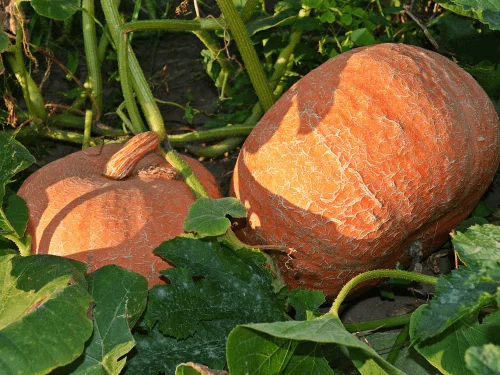
How to Grow Pumpkins Q&A
Can I grow pumpkins in a small home garden?
Yes. Choose bush or miniature varieties, grow vines on a trellis, or use raised beds. Plan on one or two plants per hill and prune vines when space is tight.
When should I plant pumpkins for Halloween?
Plant seeds in late May or early June in most climates. Count back from your first frost date and allow for 90 to 120 days of growth.
Why does my pumpkin plant have flowers but no fruit?
Male flowers appear first, so early flowers will not set fruit. If female flowers open but fail to fruit, you probably have too few bees. Pollinate by hand in the morning.
What causes pumpkin leaves to turn white?
This is usually powdery mildew. Improve airflow, water at the base, remove infected leaves, and apply a fungicide or neem oil.
Can I eat the pumpkin I grew for carving?
Yes, though carving types are stringy and bland. Pie pumpkins are sweeter, but the seeds from any pumpkin can be roasted.
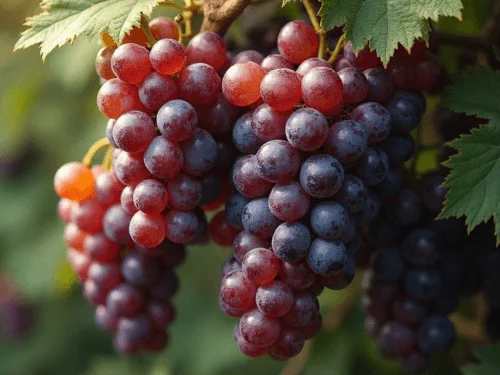
Growing Grapevines Q&A
How long does it take for a grape plant to produce fruit?
Most young vines need two to three years after planting before they set a full crop, though a few clusters may appear in year two. Patience pays off — established vines can keep producing for 40 years or more.
Do I need more than one vine to grow grapes?
No. Since most grape varieties are self-fertile, one plant is enough to produce fruit on its own. Planting a second variety nearby is optional and mainly helps with cross-pollination in a few less common types.
Can grape vines grow in containers?
Yes, though grape vines grow best planted directly in the ground, where the root system has room to spread. A large container works for a year or two, but expect to transplant once the vine outgrows the pot.
Why aren't my grapes ripening?
Grapes ripen slowly compared to many fruits, and cool weather, too much shade, or overcrowded canes can all delay the process. Give the vine full sun, thin the clusters, and be patient through the growing season.
What's the difference between table grapes and wine grapes?
Table grapes are bred for fresh eating, with thinner skins and fewer seeds, while wine grapes tend to have thicker skins, more seeds, and higher sugar content suited to fermentation.
Are grape vines toxic to pets?
Grapes and grape leaves are not toxic to people, but grapes and raisins are toxic to dogs and can cause kidney damage, so keep fallen fruit cleaned up if pets have access to the vineyard.
Bee Garden Q&A
What flowers attract the most bees to a garden?
Bees are generally drawn to flowers that are blue, purple, yellow, or white, and that offer easy access to nectar and pollen. Lavender, bee balm, sunflower, and coneflower are some of the most reliable plants that attract bees to a home garden.
Do I need to avoid pesticides in a bee-friendly garden?
Yes, whenever possible. Insecticide and pesticide products can harm adult bees and their larva, even in small amounts. Choosing natural pest control methods helps keep your garden safe for visiting bees.
Can a small home garden still support pollinators?
Absolutely. Even a few containers of zinnias, salvia, or crocus on a balcony can offer pollen and nectar for local bees. Bees will travel between small garden spaces, so every bit of habitat helps.
Do bees need more than just flowers?
Yes. Bees also need nesting sites and water. Ground-nesting bees need patches of bare soil, while a shallow bee bath gives bees a safe spot to drink, especially in hot weather.
Will planting a pollinator garden really help save the bees?
It genuinely can. As natural habitat shrinks, home gardens have become an important food source and shelter for bees, including many native bee species. A well-planned bee garden supports pollination for your own flowers and vegetables while helping the wider bee population.
What is the best USDA zone for growing a bee garden?
There is no single best zone. Most of the plants above grow well across USDA zones 4 through 9, and gardeners in colder or warmer zones can simply choose varieties suited to their climate, or grow warm-season bees favorites like sunflower and zinnia as annuals.
The Dieffenbachia plant, better known as dumb cane, has roots in the tropical rainforests of Central and South America. Growing beneath the canopy, this lush houseplant thrived in dappled sunlight, making it naturally suited for indoor life. It was brought to Europe in the 19th century, where it quickly gained popularity as a hardy decorative houseplant. Today, dieffenbachia remains one of the most reliable indoor plants, loved for its adaptability and striking foliage.
Plant Attribute
Details
Plant Name
Dumb Cane (Dieffenbachia spp.)
Plant Type
Tropical houseplant
Size
Usually 3–6 feet tall indoors, can grow up to 10 feet
Soil Type
Loose, well-draining soil with organic matter
Soil pH
Slightly acidic to neutral (6.0–7.0)
Bloom Time
Rare indoors; small white-green flowers if they appear
Hardiness Zones
USDA Zones 10–12 (grown indoors in most places)
Native Area
Central and South America
Toxicity Level
Poisonous if eaten; can cause mouth pain, swelling, and trouble speaking
Why It’s Called “Dumb Cane”
The nickname “dumb cane” comes from the plant’s unusual sap. Inside the leaves and stems are calcium oxalate crystals, which can irritate the mouth and throat if chewed, causing temporary swelling and difficulty speaking, making you look "dumb" when affected by it, hence the name. While beautiful, this makes dieffenbachia a houseplant that must be handled with care. Always use gloves when you prune or repot to avoid skin irritation, and keep your plant out of reach of curious pets and children.
Surprising Facts About Dieffenbachia
Beyond its beauty, dumb cane comes with some fascinating traits. For one, dieffenbachia care is relatively simple compared to many tropicals, making it a beginner-friendly choice. Another fun fact is its growth speed. When given the right environment, this plant can grow quickly and may need frequent trimming. Like other tropical houseplants, it can also help freshen indoor air. Of course, no plant is perfect, and dumb cane may face common problems such as drooping leaves, yellowing, or browning tips. Most of these can be corrected by adjusting light, watering, or humidity.
Get key tips on lighting, watering, and safety precautions for growing the beautiful yet toxic Dumb Cane (Dieffenbachia).
Different Types of Dieffenbachia
Dieffenbachia seguine
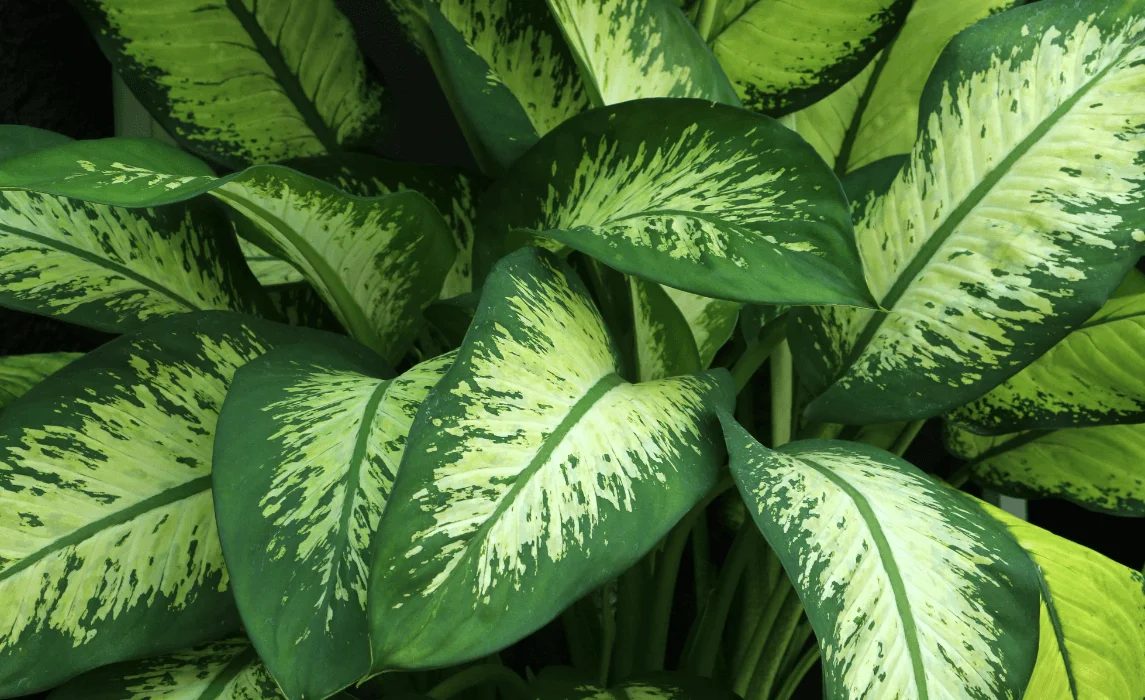
This is the most classic and widely recognized dumb cane variety. It features large, oval green leaves streaked with white or cream patterns that brighten up indoor spaces. Because of its tall, upright growth, it can reach up to 6 feet indoors, making it a striking focal point in living rooms or offices. It’s hardy, adaptable, and one of the easiest types to find in garden centers.
Dieffenbachia amoena ‘Tropic Snow’
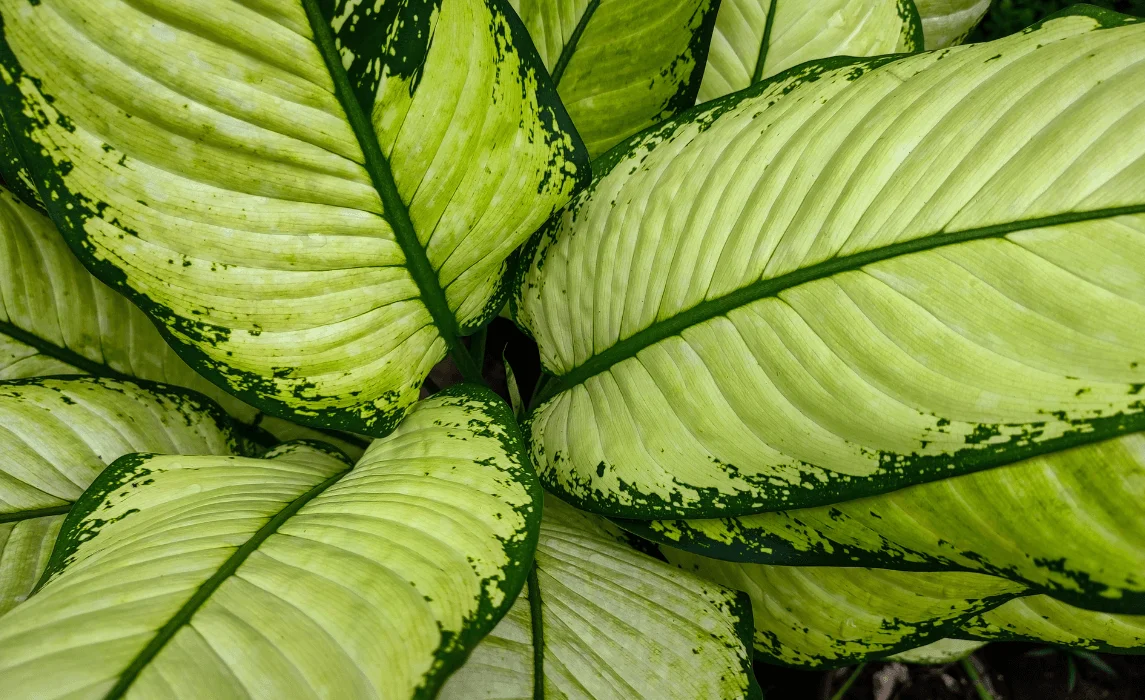
A favorite among houseplant lovers, ‘Tropic Snow’ stands out with its oversized leaves heavily marbled in creamy-white patterns. It can grow quite tall, often reaching 5–6 feet indoors, which makes it a great choice if you want a statement plant for a corner or entryway. Its bold variegation adds elegance, and it thrives best in bright, indirect light to keep its markings vibrant.
Dieffenbachia maculata ‘Camille’
‘Camille’ is a more compact variety, making it perfect for smaller spaces like desks, shelves, or apartment living. Its leaves are unique with creamy-yellow centers framed by dark green edges, giving it a painted look. Since it doesn’t grow as tall as other varieties, usually maxing out around 2–3 feet, it’s easy to maintain and move around as needed.
Styling & Placement Ideas
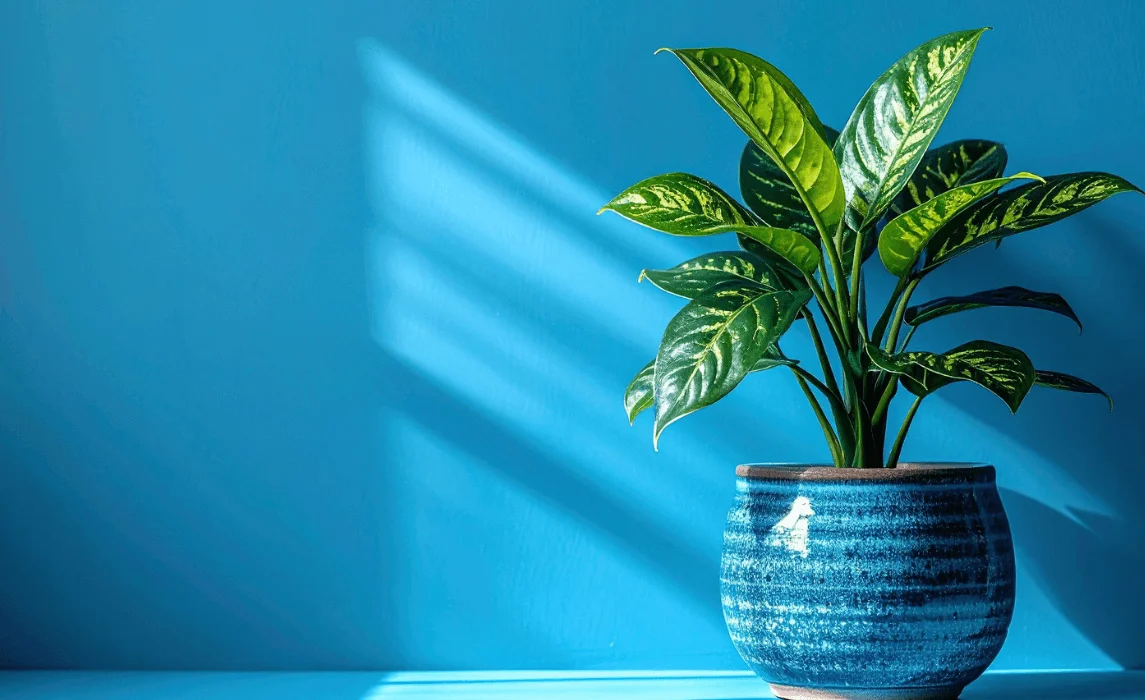
Dieffenbachia is as much about style as it is about greenery. Tall types like ‘Tropic Snow’ look stunning in a decorative pot placed in an entryway or living room corner. Compact varieties like ‘Camille’ are perfect for smaller spaces such as shelves, desks, or bedside tables. For a bold tropical effect, group your dumb cane with other leafy plants like monstera, pothos, or philodendron. Whether displayed as a single showpiece or part of a green cluster, this houseplant adds a lush, welcoming vibe to any room.
Learn how to turn small corners, vertical walls, and compact rooms into lush green havens with these creative indoor gardening ideas.
Safety First
While dieffenbachia is beautiful, safety is important. Its sap can irritate the skin and cause swelling if ingested. Always wear gloves when you prune, propagate, or repot to avoid direct contact. If you have pets or small children, place your plant in a higher location where it can’t be chewed. With a little caution, you can enjoy your dumb cane without worry while still appreciating its tropical appeal.
Why Add Dumb Cane to Your Collection?
There are many reasons to add dumb cane to your indoor garden. Dieffenbachia care is straightforward, making it a top choice for beginners. It comes in a wide range of sizes and colors, so whether you want a tall statement plant or a compact variety, there’s an option that suits your home. It’s also easy to repot, prune, and even propagate, meaning you can grow new plants from cuttings and share them with friends. With its bold foliage and forgiving nature, dumb cane earns its place as a must-have houseplant.
FAQ (Frequently Asked Questions)
Q: What are the most common pests that affect dieffenbachia?
A: Like many tropical houseplants, dumb cane can attract common pests such as spider mites, mealybugs, and scale insects. Regularly inspect leaves and treat infestations with neem oil or insecticidal soap.
Q: How do I fix common problems like yellowing leaves?
A: Yellow leaves usually mean overwatering, while drooping may indicate underwatering. Adjust your watering schedule and check soil moisture to resolve these common problems.
Q: Can I propagate dumb cane easily?
A: Yes! You can propagate dieffenbachia from stem cuttings placed in water or soil. Within weeks, new roots will form, giving you new plants to enjoy.
Q: How often should I repot my dieffenbachia?
A: Most dieffenbachias benefit from a fresh pot every 2–3 years, or sooner if roots start circling. Repotting not only gives them more space but also refreshes soil nutrients.
Q: Why is the Dieffenbachia plant also known as dumb cane?
A: Dieffenbachia is also known as dumb cane because its sap contains calcium oxalate crystals, which can cause temporary swelling and numbness in the mouth if ingested, making it difficult to speak.
Q: Why do the large leaves droop?
A: Drooping leaves may mean your plant is thirsty, overwatered, or suffering from cold drafts. Always check soil moisture first. If the soil is soggy, repot into fresh soil with better drainage.
Q: Can I remove older leaves from my dumb cane?
A: Yes, removing older leaves that are yellow or damaged helps redirect the plant’s energy to new leaves. Always prune with clean scissors and avoid cutting too close to the main stem.
Q: Can dieffenbachia plants grow quite large?
A: Yes, given the right conditions, a dieffenbachia plant may grow quite large—up to 6 feet indoors and even taller in tropical climates. Regular pruning helps control its size and shape.
Related posts
Here are some articles you might be interested in.