How to Grow Broccoli in Pots: The Ultimate Guide to Growing Broccoli in Containers for a Thriving Garden
Published on
April 16, 2025
Author
Zuri Khumalo
Zuri's frequent journeys to South Africa in her youth ignited her fervor for environmental science, gardening, and sustainable living. These travels deepened her connection with nature, inspiring her to contribute to conservation efforts in her own meaningful ways.
Evergreen Shrubs Q&A
How do I choose evergreen shrubs for my outdoor space?
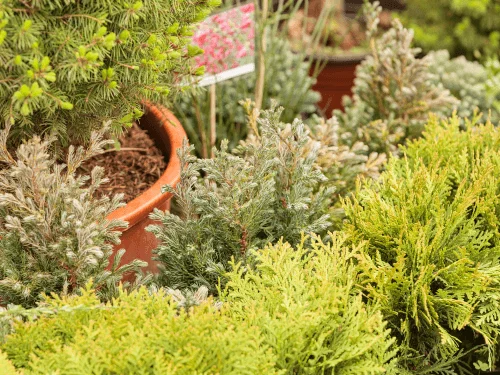
Match mature size to USDA hardiness, light, drainage, and wind. Use a tall evergreen for screening, a mounded shrub for foundation planting, or ground cover on slopes. Repetition unifies home landscapes, while contrast creates a focal point in the landscape.
What are the best small evergreen shrubs?
Blue Star juniper, dwarf Chamaecyparis, azalea, and Daphne are strong small-space choices. The best evergreen shrubs fit without constant shear work; check mature spread and leave airflow around glossy foliage.
Do evergreen shrubs flower as long as hydrangea?
Not usually. A hydrangea may have a long bloom time from mid-summer onward, while evergreen shrubs often bloom briefly. Combine azalea for spring, Viburnum or Mahonia for winter, and summer perennials.
When should I prune an evergreen hedge?
Prune flowering shrubs after bloom, and shape boxwood, yew, or Thuja lightly during growth. Avoid leafless old conifer wood; natural forms need less pruning and preserve year-round interest.
Why can an evergreen turn brown in winter?
Frozen soil, wind, salt, or poor drainage can brown green foliage. Water before freezing, mulch roots, and choose a protected area so evergreen shrubs retain year-round beauty and lasting structure.
Starting a Fruit Garden Q&A
What is the easiest fruit to grow for a first garden?
Strawberry is often the simplest starting point because it fits containers, fruits quickly, and is easy to replace. Raspberry, blackberry, and currant can also be forgiving when their spread is controlled. The best fruit is the one matched to your climate, sunlight, soil, and available care.
Can I grow fruit trees in a small space?
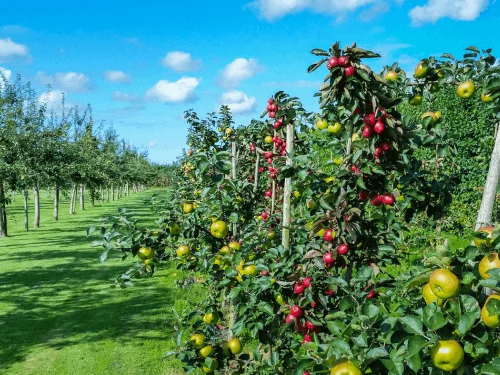
Yes. Choose a dwarf tree on a clearly labeled rootstock, train an espalier against wires, or use fruit trees in containers with sufficient soil volume and winter protection. Confirm mature dimensions, pollination needs, and whether the container can be watered consistently before you grow fruit trees.
Do I need more than one fruit tree?
It depends on the cultivar. Some trees are self-fertile, while others need compatible partners that bloom together. A nursery may recommend 2-4 fruit trees for varied harvests, but one self-pollinating dwarf tree can be enough when garden space is limited.
How soon will fruit plants produce fruit?
Strawberries and some cane fruits may crop in the first or second season, while a grafted fruit tree often takes several years. Rootstock, plant age, climate, pruning, and stress all affect timing. Remove an excessive early crop if the young plant needs energy for roots and structure.
Can a fruit garden share space with vegetables?
Yes. A combined vegetable and fruit area works when permanent crops do not shade or crowd annual beds. Put long-lived fruit plants where future digging will not disturb their roots, maintain clear paths, and choose fruits to grow at home that fit the same sunlight and watering pattern as the wider garden.
Cross Pollination Q&A
Q: Do all plants need cross-pollination?
A: No; self-pollinating plants can set seed alone, while other species benefit from or require a compatible partner.
Q: Do I need two different varieties?
A: For crops such as apples and pears, two compatible cultivars with overlapping bloom times are often needed.
Q: Does cross-pollination change this year's fruit?
A: Usually not; it generally affects the genetics of the seeds and any plants grown from them.
Q: What are signs of poor pollination?
A: Flowers may drop, young fruit may abort, or cucumbers and squash may develop unevenly.
Q: When should I hand-pollinate?
A: Work in the morning when flowers are freshly open and natural pollinator activity is low.
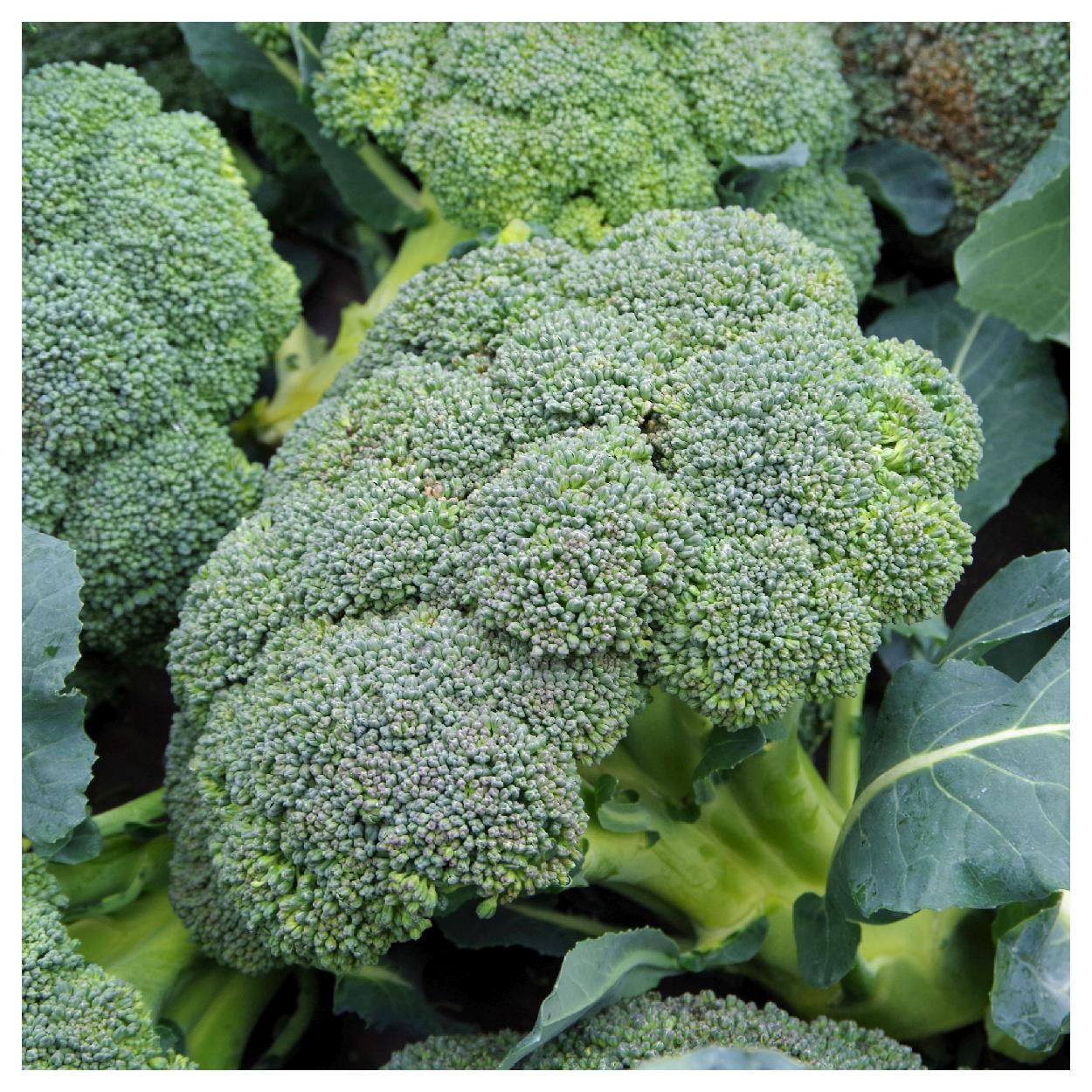
Imagine harvesting fresh, homegrown broccoli right from your patio or balcony. Whether you have limited outdoor space or simply want to experiment with container gardening, growing broccoli in pots is an excellent way to enjoy this nutrient-packed vegetable. Not only does broccoli thrive in containers with proper care, but it also adds a touch of greenery and vitality to your small-space garden.
In this beginner-friendly guide, we’ll walk you through everything you need to know about cultivating broccoli in pots, from selecting the right container and soil mix to planting, caring, and harvesting your crops. With a little effort and the right techniques, you can enjoy a thriving container garden and savor the taste of your very own fresh broccoli. Let’s get started!
Plant Attribute
Details
Plant Name
Broccoli (Brassica oleracea var. italica)
Plant Type
Biennial (usually grown as an annual)
Size
12–24 inches tall, 18–24 inches wide
Soil Type
Well-draining, fertile soil rich in organic matter
Soil pH
Slightly acidic to neutral (6.0–7.0)
Bloom Time
Late spring to early summer (if allowed to flower, although typically harvested before blooming)
Hardiness Zones
3–10
Native Area
Mediterranean region
Toxicity Level
Non-toxic to humans and pets
Best Broccoli Varieties for Containers
There are several broccoli varieties that are well-suited for container gardening. Some of the best choices for pots include:
This variety is a dependable choice for container gardening due to its robust nature and ability to thrive in confined spaces. ‘Waltham 29’ produces large, dense, and flavorful heads, which makes it a favorite among gardeners with limited space. Its versatility allows it to grow well in pots of various sizes, provided it receives enough sunlight and water. This variety is also known for being cold-hardy, which means it can tolerate cooler temperatures, extending the growing season.
If you’re looking for a more compact and space-efficient variety, ‘Baby Broccoli’ or Broccolini is an excellent option for container gardening. This hybrid variety produces slender, tender stems and small, flavorful heads. Unlike traditional broccoli, Broccolini has a milder taste and is a great addition to various dishes. Its smaller growth habit makes it ideal for pots, and it can be grown in containers with a minimum depth of 8 to 12 inches. Broccolini also grows quickly, allowing gardeners to harvest sooner compared to larger broccoli varieties.
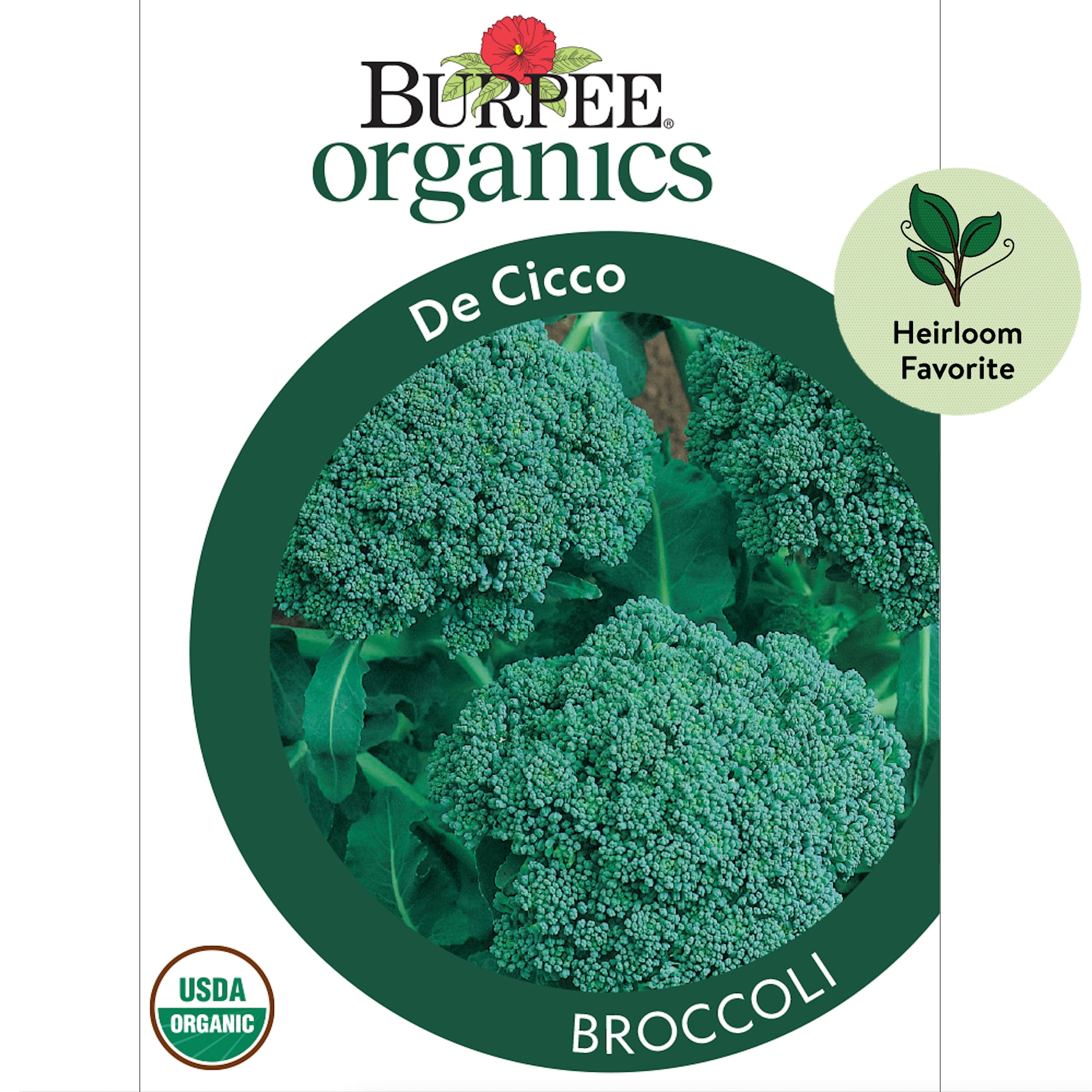
Perfect for smaller spaces, ‘De Cicco’ is a classic heirloom variety that performs well in containers. It produces medium-sized heads with abundant side shoots, allowing for multiple harvests over the growing season. The compact growth habit of this variety makes it suitable for pots and small garden spaces. ‘De Cicco’ is also known for its tender, flavorful florets and its ability to thrive in cooler temperatures, making it an ideal choice for early spring or fall planting in containers.
Prepare the Container: Choose a container that is at least 12 inches deep with good drainage. Fill it with a well-draining potting mix.
Sow the Seeds: Plant broccoli seeds about 1/2 inch deep in the soil.
Spacing: Space the seeds about 3-4 inches apart.
Provide Warmth: Place the container in a warm location with indirect light to encourage germination. Keep the soil moist but not waterlogged.
Thinning: Once the seedlings are large enough to handle, thin them to leave the strongest plant, maintaining about 12–18 inches of space between plants.
Planting from Seedlings
Prepare the Container: Choose a container of sufficient size, around 12 inches deep and 16–18 inches wide.
Transplant the Seedlings: Place the seedlings in the container at the same depth as they were in their original pots. Ensure that there’s enough space for each plant to grow and develop a healthy root system.
Watering: Water the seedlings thoroughly after transplanting, and keep the soil moist until the plants are established.
Broccoli Requirements
To grow healthy broccoli, you must provide the following environmental conditions:
Soil
Broccoli thrives in soil that is well-draining, fertile, and rich in organic matter. The ideal soil should be loose and able to retain moisture while allowing excess water to escape easily. If you're planting in containers, it’s important to use a high-quality potting mix formulated for vegetables, as it provides the necessary drainage and nutrients. Broccoli prefers slightly acidic to neutral soil with a pH range of 6.0 to 7.0. If your soil is too acidic or alkaline, consider adjusting it by adding lime to raise the pH or sulfur to lower it. Regular soil testing will help maintain the right pH for optimal growth.
Broccoli requires consistent moisture throughout its growing cycle, especially during the early stages of growth. However, it doesn’t tolerate waterlogged conditions, which can lead to root rot and other fungal diseases. It’s important to water regularly to keep the soil consistently moist, but avoid letting the soil become soggy. The best practice is to water deeply, ensuring that the moisture reaches the root zone. In containers, be sure that the pots have proper drainage holes to prevent water from collecting at the bottom, which can cause root damage. During periods of hot weather, you may need to water more frequently to maintain soil moisture.
Temperature and Humidity
Broccoli is a cool-weather crop and grows best in moderate temperatures between 55°F and 75°F (13°C to 24°C). It is sensitive to excessive heat and will start to bolt (flower prematurely) if the temperature exceeds 80°F (27°C). To avoid this, consider planting your broccoli in early spring or fall when the temperatures are cooler. For optimal growth, maintain humidity levels around 50-60%. While broccoli can tolerate a range of humidity, it’s crucial that the soil remains moist without being waterlogged. High humidity can also help prevent stress during particularly hot spells.
Sunlight
Broccoli needs full sun, meaning it requires at least 6 hours of direct sunlight per day to grow robust and healthy. When selecting a location for your container garden, ensure it receives plenty of sunlight, especially in the morning hours when the sun is less intense. If you're growing broccoli indoors, place the container near a south-facing window to maximize natural light exposure. If sunlight is limited, supplement with grow lights to ensure your plants get the necessary light for photosynthesis and healthy growth.
Location
When choosing the best location for your broccoli, whether indoors or outdoors, aim for a spot that gets plenty of sunlight. If growing indoors, position the container close to a south-facing window where it will get the most direct light. If your indoor space lacks sufficient natural light, consider using artificial lighting to ensure your broccoli receives at least 6 hours of light per day. Outdoors, select a site with well-drained soil and plenty of space for your plants to spread out as they grow. Avoid areas where other crops like tomatoes, potatoes, or peppers have been planted recently, as they may share common pests or diseases with broccoli.
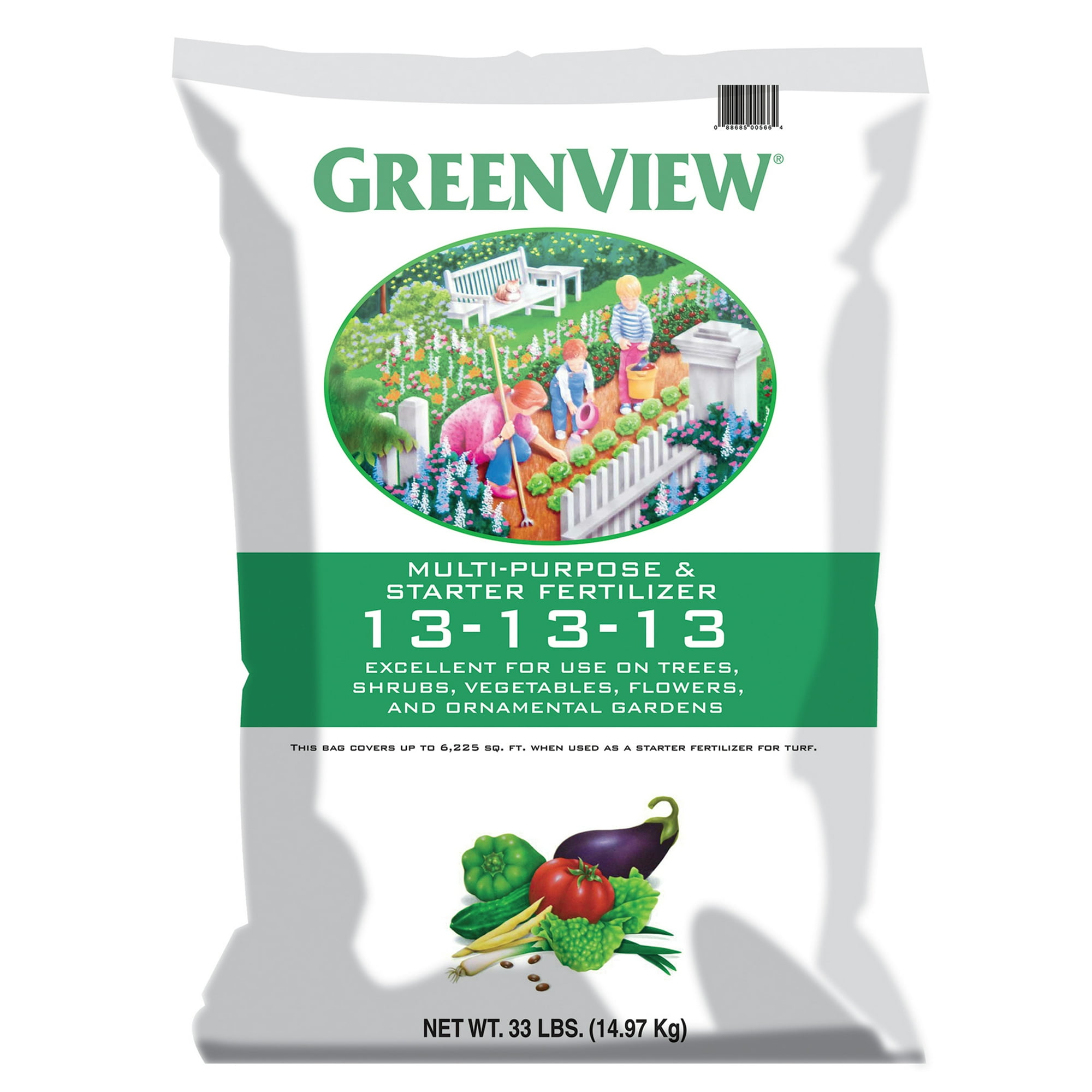
Broccoli is a heavy feeder, meaning it requires ample nutrients to thrive and produce a bountiful harvest. To ensure your broccoli plants receive the necessary nutrients, use a balanced fertilizer or organic compost. For best results, apply a liquid fertilizer every 2–3 weeks. It's essential to follow the manufacturer’s recommended dosage to avoid over-fertilizing, which can harm the plant. Organic compost can also be added to the soil to provide slow-release nutrients over time, promoting healthier and stronger plants.
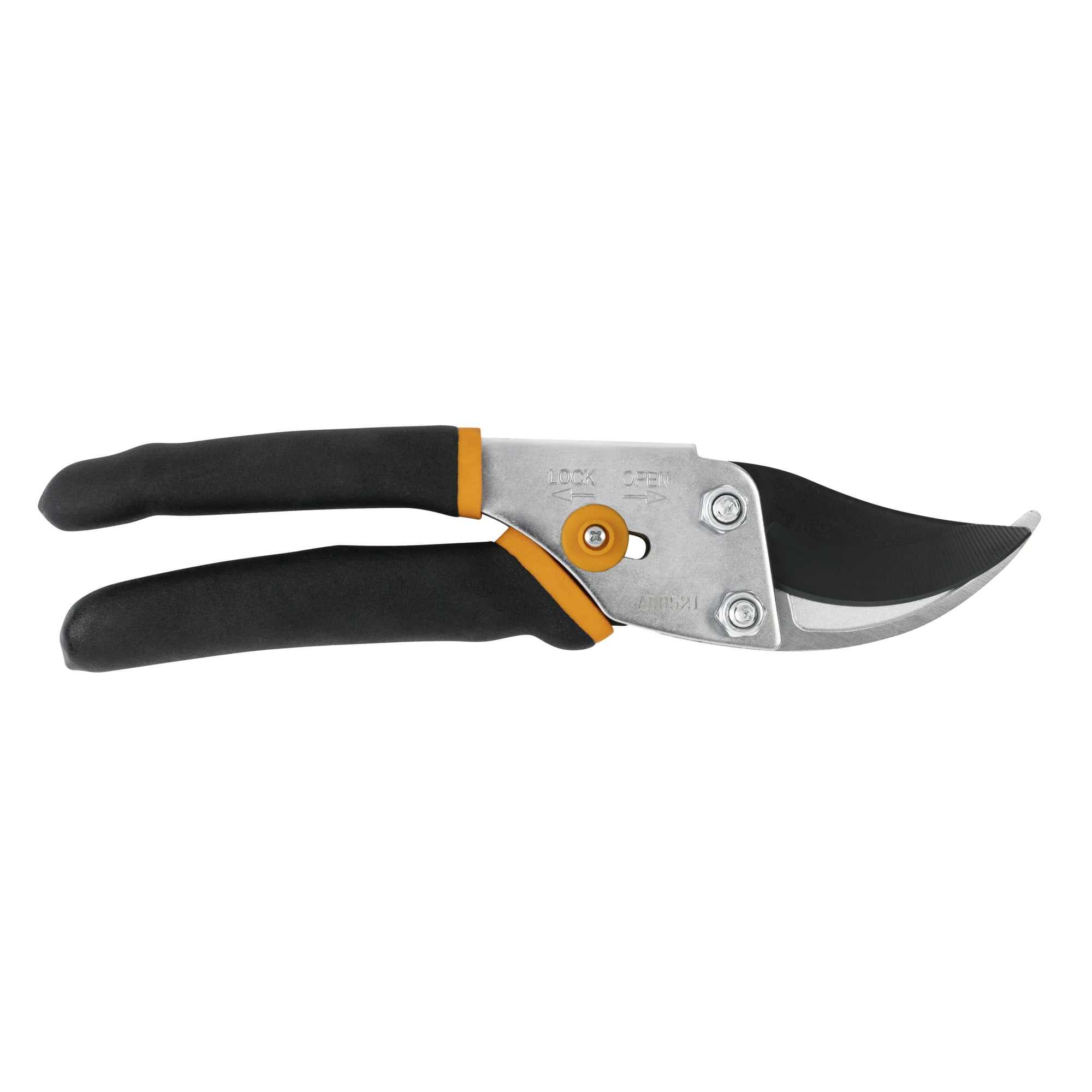
While broccoli doesn't require extensive pruning, removing any yellowing or damaged leaves is beneficial for plant health. Pruning dead or diseased foliage helps maintain healthy growth by improving air circulation around the plant. This reduction in excess leaves also minimizes the risk of fungal infections and pests. Regularly check for any leaves that are wilting or turning yellow, and remove them promptly to encourage better plant development.
Mulching is an effective way to maintain moisture levels in the soil and keep your broccoli's roots cool, especially in warmer weather. Apply a 2–3 inch layer of organic mulch around the base of your plants. Materials like straw, grass clippings, or shredded leaves work well for this purpose. Mulching helps prevent the soil from drying out too quickly, reduces weed growth, and improves the overall health of the soil by adding nutrients as it breaks down.
If you started your broccoli plants in containers, it may be necessary to repot them as they grow. Once the roots begin to outgrow their initial pots, move the plants to larger containers to allow for continued root expansion. A container at least 12 inches deep is ideal for broccoli, as it provides enough room for the roots to grow. Repotting ensures the plant has sufficient space for healthy development, preventing root crowding that can limit growth and yield.
Overwintering
Broccoli can tolerate light frost and may even survive through mild winters in some climates. However, it is generally grown as an annual, with most varieties being harvested before the colder months set in. If you live in a mild climate with little risk of hard frost, you may be able to grow broccoli year-round. In areas with harsher winters, it’s best to harvest the broccoli before the first frost. If you want to extend the growing season, consider using row covers or cold frames to protect your plants from freezing temperatures.
Common Pests and Diseases
Broccoli is susceptible to several pests and diseases. Regular inspection and proactive measures will help you avoid major issues.
Cabbage Loopers: These caterpillars feed on broccoli leaves, creating holes. To prevent them, use floating row covers or apply neem oil.
Aphids: These small insects can attack broccoli and cause distorted growth. You can control aphids by spraying the plants with insecticidal soap or neem oil.
Slugs and Snails: Slugs and snails can damage young broccoli plants by eating the leaves. Use diatomaceous earth or slug traps to control them.
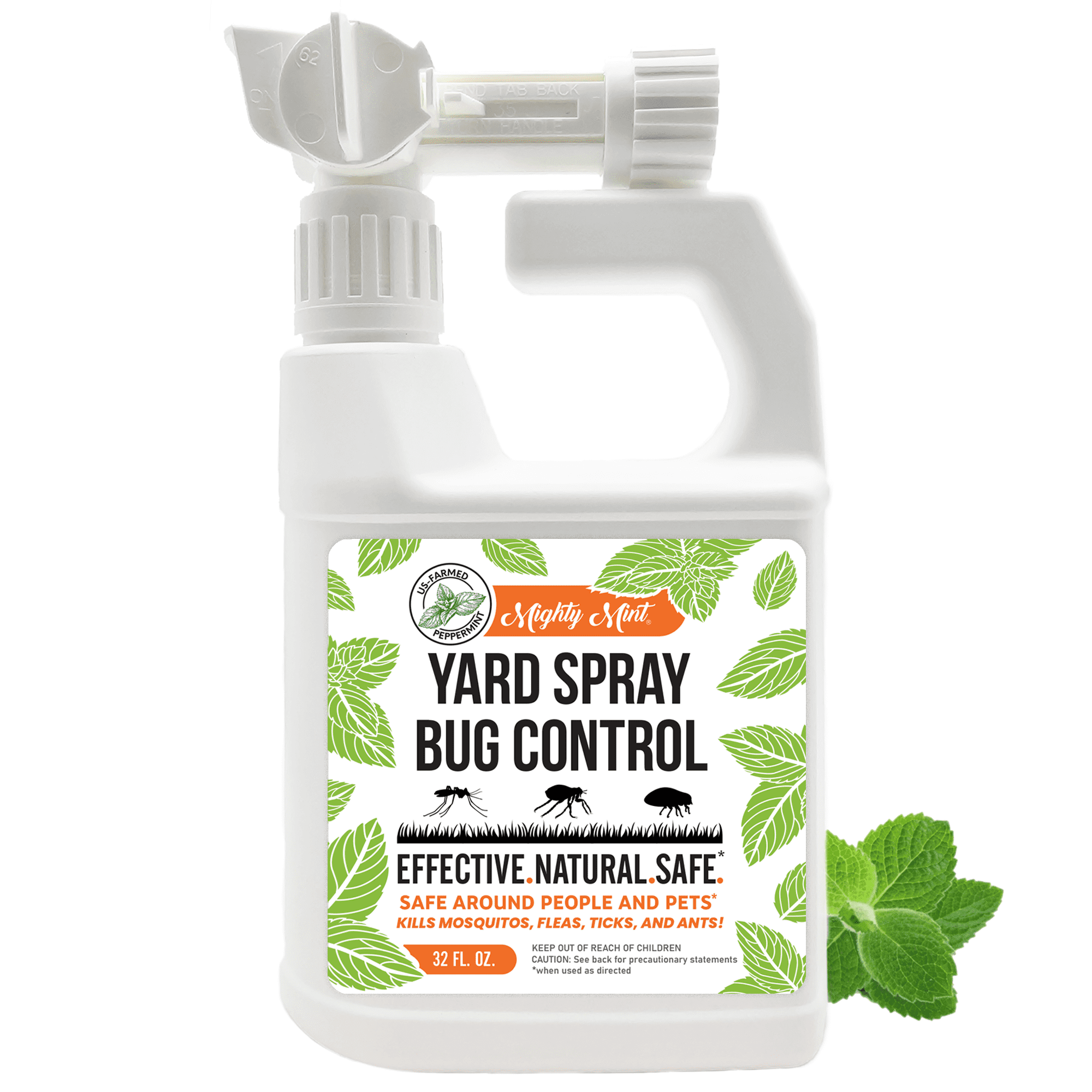
Mighty Mint Lawn Insect Killer & Repellent for Mosquitos
Powdery Mildew: This fungal disease causes white, powdery spots on the leaves. To prevent it, provide good air circulation and avoid overhead watering.
Downy Mildew: This disease causes yellowing leaves and stunted growth. It thrives in damp conditions, so avoid overwatering and ensure your container has proper drainage.
How to Harvest Broccoli
Broccoli is ready to harvest when the main head is large, firm, and dark green. Avoid letting the head flower, as it will become bitter. Once you’ve harvested the main head, the plant will often produce side shoots, which can also be harvested for an extended growing season.
Harvesting Steps
Cut the Main Head: Use a sharp knife to cut the head of broccoli about 6 inches below the crown.
Side Shoots: After harvesting the main head, allow the plant to continue growing. Side shoots will begin to form, and you can continue harvesting these smaller heads.
Storage: Harvested broccoli should be stored in the refrigerator for up to 1 week. It’s best used fresh, but it can also be blanched and frozen for longer storage.
Frequently Asked Questions:
Can I grow broccoli in containers year-round?
While broccoli is a cool-weather crop, it is typically grown in the spring or fall. In warmer climates, you can grow broccoli during the cooler months or even overwinter it if the temperatures are mild. However, if you live in an area with hot summers, it’s best to grow broccoli during the early spring or late summer to avoid bolting due to excessive heat.
What size container do I need to grow broccoli?
For broccoli to thrive, you should choose a container that is at least 12 inches deep with good drainage. Larger containers, up to 18 inches wide, will give the plant ample space for its root system and ensure healthy growth. If you’re growing multiple plants, ensure that each has enough space to spread out.
Can I grow broccoli indoors?
Yes, broccoli can be grown indoors as long as it receives sufficient light and proper care. Place your container near a south-facing window or use grow lights to provide at least 6 hours of light per day. Keep the indoor temperature between 55°F and 75°F (13°C–24°C) to ensure optimal growth.
How often should I water broccoli in containers?
Broccoli needs consistent moisture to grow well, but it doesn’t like soggy soil. Water your plants regularly to keep the soil moist but not waterlogged. During hot weather, the soil may dry out more quickly, so you may need to water more frequently. Ensure your container has proper drainage to prevent water from collecting at the bottom.
Related posts
Here are some articles you might be interested in.