Ryan Johnson relocated to his grandfather's old farm when he was 22 years old where he discovered the joys of farming and gardening. With his cool demeanor and strong-willed passion for the agrarian lifestyle, he now shares his know-how to aspiring gardeners.
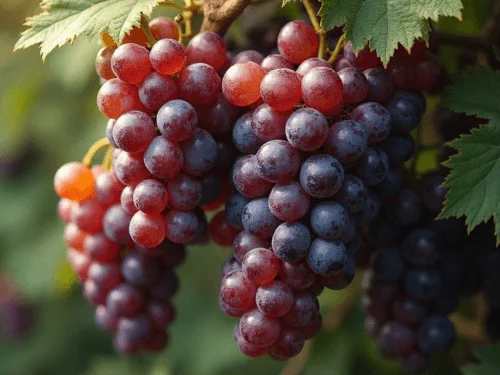
Growing Grapevines Q&A
How long does it take for a grape plant to produce fruit?
Most young vines need two to three years after planting before they set a full crop, though a few clusters may appear in year two. Patience pays off — established vines can keep producing for 40 years or more.
Do I need more than one vine to grow grapes?
No. Since most grape varieties are self-fertile, one plant is enough to produce fruit on its own. Planting a second variety nearby is optional and mainly helps with cross-pollination in a few less common types.
Can grape vines grow in containers?
Yes, though grape vines grow best planted directly in the ground, where the root system has room to spread. A large container works for a year or two, but expect to transplant once the vine outgrows the pot.
Why aren't my grapes ripening?
Grapes ripen slowly compared to many fruits, and cool weather, too much shade, or overcrowded canes can all delay the process. Give the vine full sun, thin the clusters, and be patient through the growing season.
What's the difference between table grapes and wine grapes?
Table grapes are bred for fresh eating, with thinner skins and fewer seeds, while wine grapes tend to have thicker skins, more seeds, and higher sugar content suited to fermentation.
Are grape vines toxic to pets?
Grapes and grape leaves are not toxic to people, but grapes and raisins are toxic to dogs and can cause kidney damage, so keep fallen fruit cleaned up if pets have access to the vineyard.
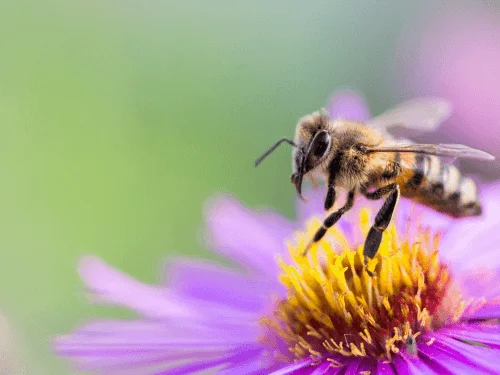
Bee Garden Q&A
What flowers attract the most bees to a garden?
Bees are generally drawn to flowers that are blue, purple, yellow, or white, and that offer easy access to nectar and pollen. Lavender, bee balm, sunflower, and coneflower are some of the most reliable plants that attract bees to a home garden.
Do I need to avoid pesticides in a bee-friendly garden?
Yes, whenever possible. Insecticide and pesticide products can harm adult bees and their larva, even in small amounts. Choosing natural pest control methods helps keep your garden safe for visiting bees.
Can a small home garden still support pollinators?
Absolutely. Even a few containers of zinnias, salvia, or crocus on a balcony can offer pollen and nectar for local bees. Bees will travel between small garden spaces, so every bit of habitat helps.
Do bees need more than just flowers?
Yes. Bees also need nesting sites and water. Ground-nesting bees need patches of bare soil, while a shallow bee bath gives bees a safe spot to drink, especially in hot weather.
Will planting a pollinator garden really help save the bees?
It genuinely can. As natural habitat shrinks, home gardens have become an important food source and shelter for bees, including many native bee species. A well-planned bee garden supports pollination for your own flowers and vegetables while helping the wider bee population.
What is the best USDA zone for growing a bee garden?
There is no single best zone. Most of the plants above grow well across USDA zones 4 through 9, and gardeners in colder or warmer zones can simply choose varieties suited to their climate, or grow warm-season bees favorites like sunflower and zinnia as annuals.
Hypoallergenic Plants Q&A
Do houseplants cause allergies?
Yes, certain indoor plants can trigger a plant allergy through loose pollen, scented flowers, sap, dust, or damp soil. Allergies and houseplants are highly individual: one person may sneeze near peace lilies while another has no response. Overwatering lets mold produce a spore that may become airborne. If symptoms begin after adding plants in your home, isolate each pot, clean the area, and discuss persistent allergy symptoms with a qualified clinician.
Which plants to avoid?
Plants to avoid include strongly fragrant flowers, visibly dusty specimens, and wind-pollinated garden plants brought inside while shedding. Male palms can release pollen if they flower, and wet potting mix can make allergies worse. The best and worst choices depend on the person, so remove any plant that appears to cause pollen allergy symptoms or contact irritation.
Can indoor plants purify air?
Claims about indoor plants that purify come largely from controlled chambers. Although some air-purifying plants can take up chemicals, ordinary air purifying plants are not fast enough to replace ventilation or air cleaners in a real room. Plants can improve air quality mainly by supporting comfort and encouraging care for the space; they should not be presented as houseplants for clean air that reliably remove formaldehyde. To improve indoor air quality, control sources, ventilate safely, and use proven filtration.
How does the ogren scale work?
The Ogren Plant Allergy Scale system, also called OPALS, rates a plant's potential allergenicity from 1 to 10. It considers pollen, fragrance, and contact reactions, but the likelihood a plant will cause a reaction still depends on the individual and exposure. A high score does not prove a particular plant will cause pollen allergy, and a low score is not a medical guarantee.
Can plants help you breathe?
Allergy-friendly plants may make an indoor space calmer, but they do not treat disease or guarantee allergy relief. For people with allergies, clean leaves, dry saucers, fresh potting mix, and steady air circulation matter more than labels such as hypoallergenic plants. These indoor plants that are allergy-safe can help you breathe easier only by limiting likely triggers; they cannot help you breathe during an asthma attack.
Adding fruit trees to your garden is one of the most rewarding ways to enjoy fresh, homegrown produce while enhancing the beauty and value of your outdoor space. Whether you have a spacious backyard or a small patio, there’s a fruit tree suited to your environment, offering both delicious harvests and a touch of natural charm. In this guide, we’ll explore the best fruit trees to grow and the various types of fruit trees that can thrive in your garden, helping you choose the perfect trees for your needs, climate, and gardening goals. From classic favorites like apples and pears to exotic varieties that add a unique twist, you’ll discover how to cultivate your own fruitful paradise right at home.
10 Best Fruit Trees for Beginners
1. Apple Tree (Malus domestica)
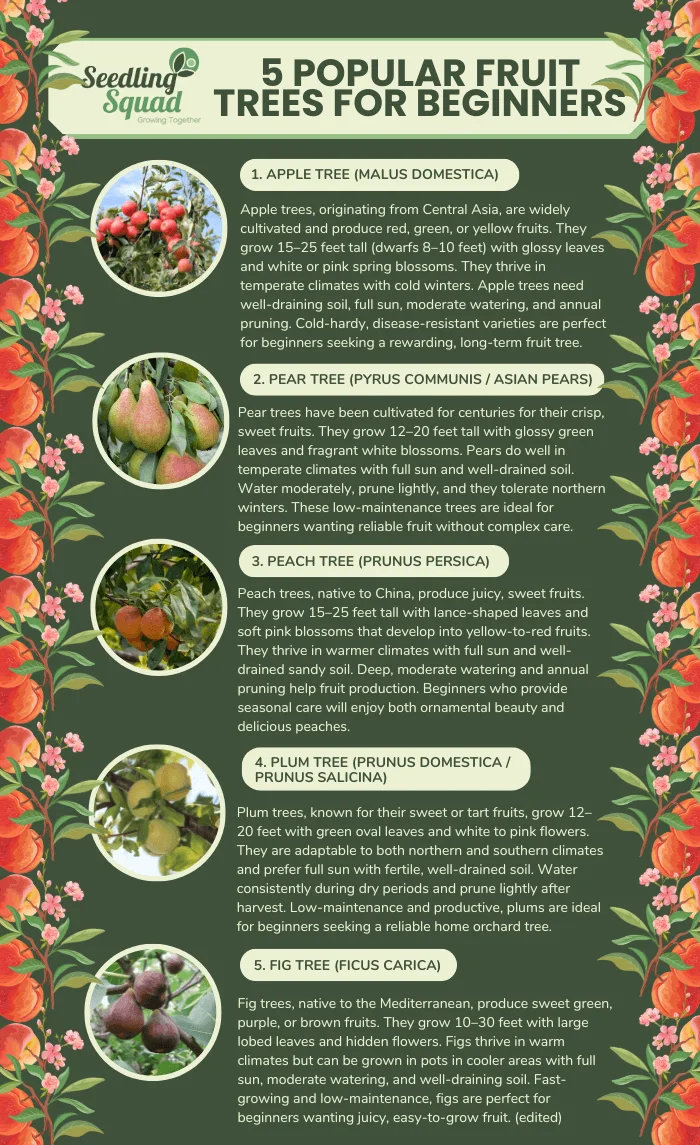
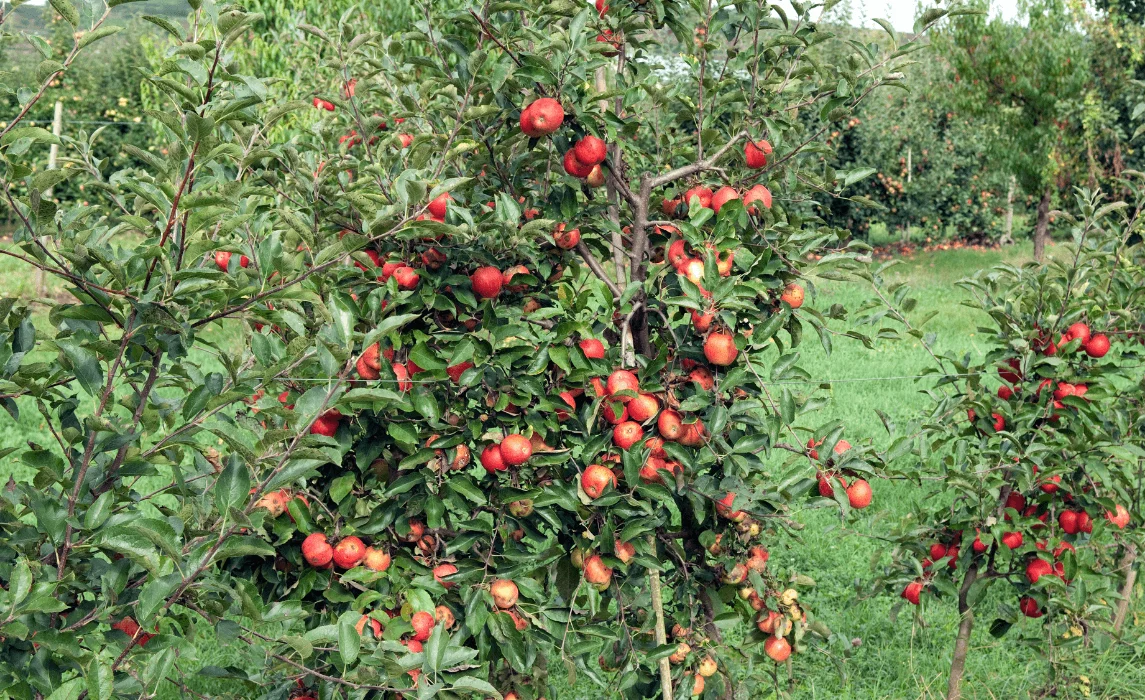
Apple trees are one of the most widely cultivated fruit trees in the world, with origins in Central Asia and a history of domestication spanning thousands of years. They can grow 15–25 feet tall for standard varieties, while dwarf trees remain around 8–10 feet, featuring glossy dark green leaves and producing striking white or pink blossoms in spring that later develop into a range of fruit colors including red, green, and yellow. Apple trees thrive in temperate climates with cold winters that promote dormancy, making them ideal for northern regions and USDA zones 3–8. They require full sun and well-draining soil, with moderate watering and annual pruning to maintain shape, remove dead wood, and encourage strong air circulation for healthier fruit. Cold-hardy and disease-resistant varieties are recommended for beginners to ensure reliable harvests. Apple trees are perfect for gardeners willing to invest a bit of care in a long-term, rewarding fruit-producing tree.
Soil: Well-drained loamy soil
Water: 1–2 inches per week, more during dry spells
Light: Full sun (6–8 hours/day)
Humidity: Moderate; avoid overly humid regions to reduce fungal diseases
Fertilizer: Balanced fertilizer in early spring
Temperature: 32–75°F (0–24°C)
USDA Zone: 3–8
2. Pear Tree (Pyrus communis / Asian Pears)
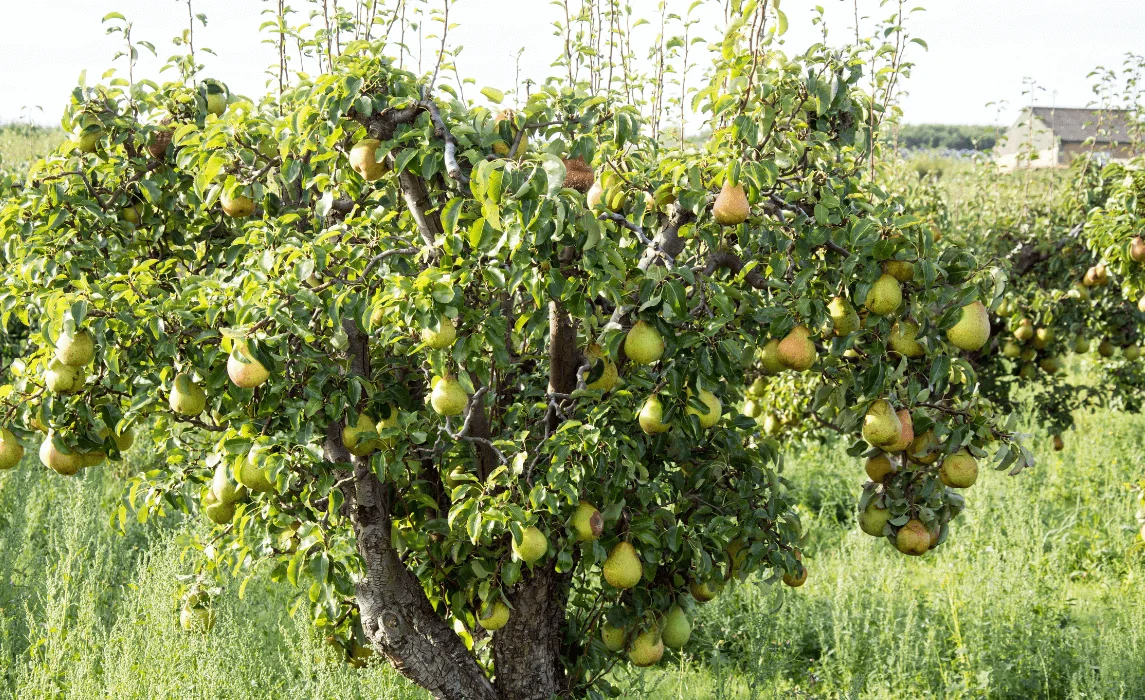
Pear trees have been cultivated for centuries and are known for their crisp, sweet, and refreshing fruit, with European varieties often used for cooking and Asian pears prized for eating fresh. Typically growing 12–20 feet with an upright pyramidal shape, they feature medium green, glossy leaves and produce fragrant white blossoms in spring, followed by fruits ranging from yellow-green to russet-brown. Pear trees thrive in temperate climates, handling northern winters well, and grow best in USDA zones 4–8. They need full sun, well-drained soil, and deep watering during dry spells, with light pruning to maintain shape and remove old branches. Pear trees are resilient and low-maintenance, making them ideal for beginners seeking reliable fruit production without complicated care requirements.
Soil: Loamy, well-drained
Water: Moderate, deep watering weekly
Light: Full sun (6–8 hours/day)
Humidity: Moderate
Fertilizer: Balanced in early spring
Temperature: 32–80°F (0–27°C)
USDA Zone: 4–8
3. Peach Tree (Prunus persica)
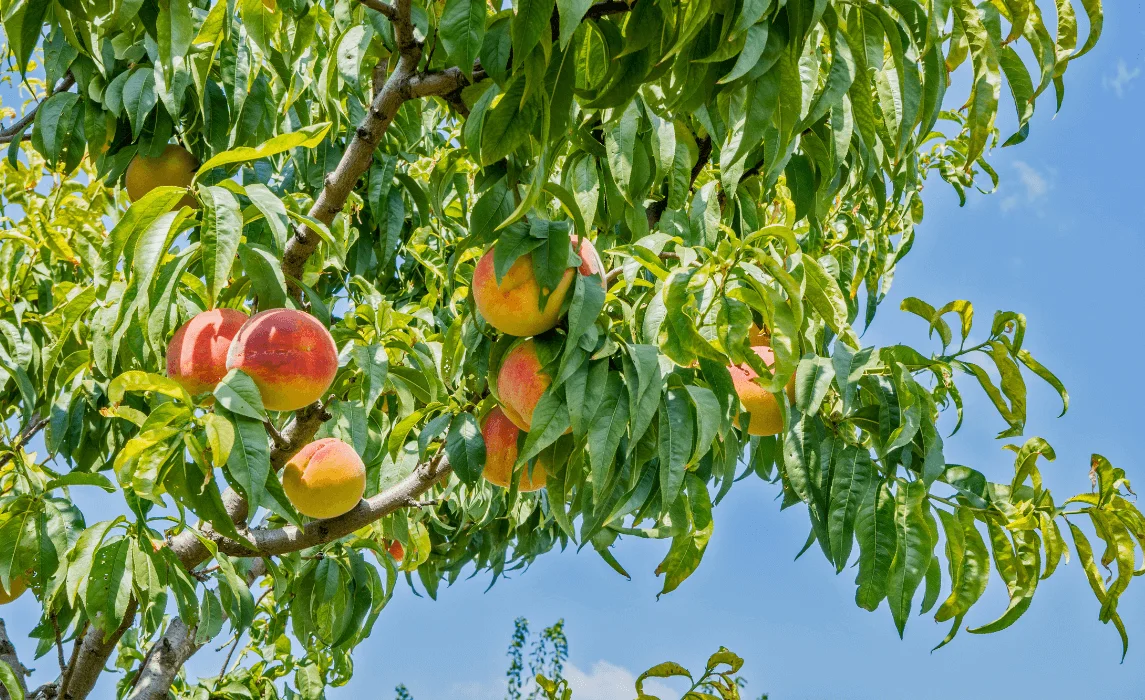
Peach trees, originating from China, are beloved for their juicy, sweet fruit and fast-growing nature. They grow 15–25 feet tall, with lance-shaped green leaves and soft pink blossoms in early spring that develop into fuzzy, round fruits in shades of yellow to red. These trees flourish in warmer climates with long growing seasons, such as the southern United States, but cold-hardy varieties can survive moderate frost, suitable for USDA zones 5–9. Peach trees require full sun, well-drained sandy loam, and deep watering during fruit development, along with annual pruning to promote airflow and strong fruiting. Beginner gardeners willing to provide seasonal care and protect blossoms from late frosts will find peach trees highly rewarding for both fruit production and ornamental value.
Soil: Sandy loam, well-drained
Water: Deep, moderate weekly
Light: Full sun (6–8 hours/day)
Humidity: Low to moderate
Fertilizer: Nitrogen-rich for young trees
Temperature: 45–85°F (7–29°C)
USDA Zone: 5–9
4. Plum Tree (Prunus domestica / Prunus salicina)
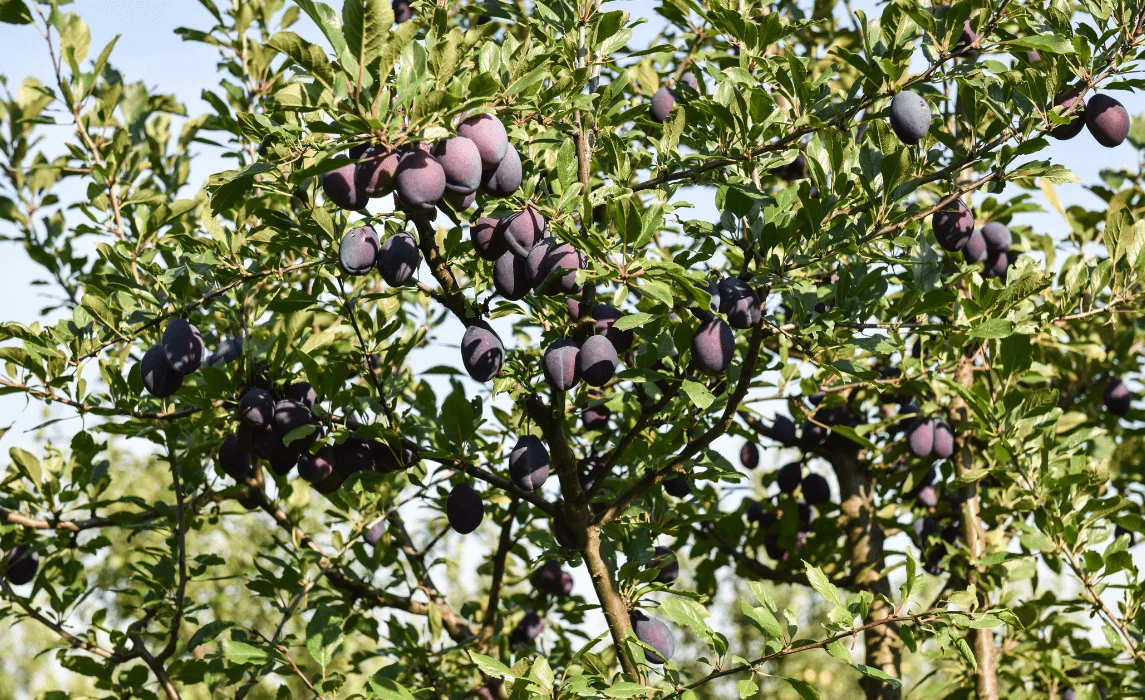
Plum trees, celebrated for their adaptability and low-maintenance nature, produce sweet and tart fruits that are excellent for fresh eating, jams, and preserves. They grow 12–20 feet tall with green oval leaves and bloom with white to pink flowers in early spring, followed by fruit in purple, red, or yellow hues depending on the variety. Plum trees thrive in both northern and southern climates, performing best in USDA zones 4–9, and they prefer full sun and fertile, well-drained soil. Regular watering during dry periods and light pruning after harvest help maintain tree health and maximize fruit yield. Beginner gardeners who desire productive, low-fuss fruit trees will find plums a reliable and rewarding choice for home orchards.
Soil: Well-drained loam
Water: Moderate; consistent moisture during fruiting
Light: Full sun (6–8 hours/day)
Humidity: Moderate
Fertilizer: Balanced in early spring
Temperature: 32–85°F (0–29°C)
USDA Zone: 4–9
5. Cherry Tree (Prunus avium / Prunus cerasus)
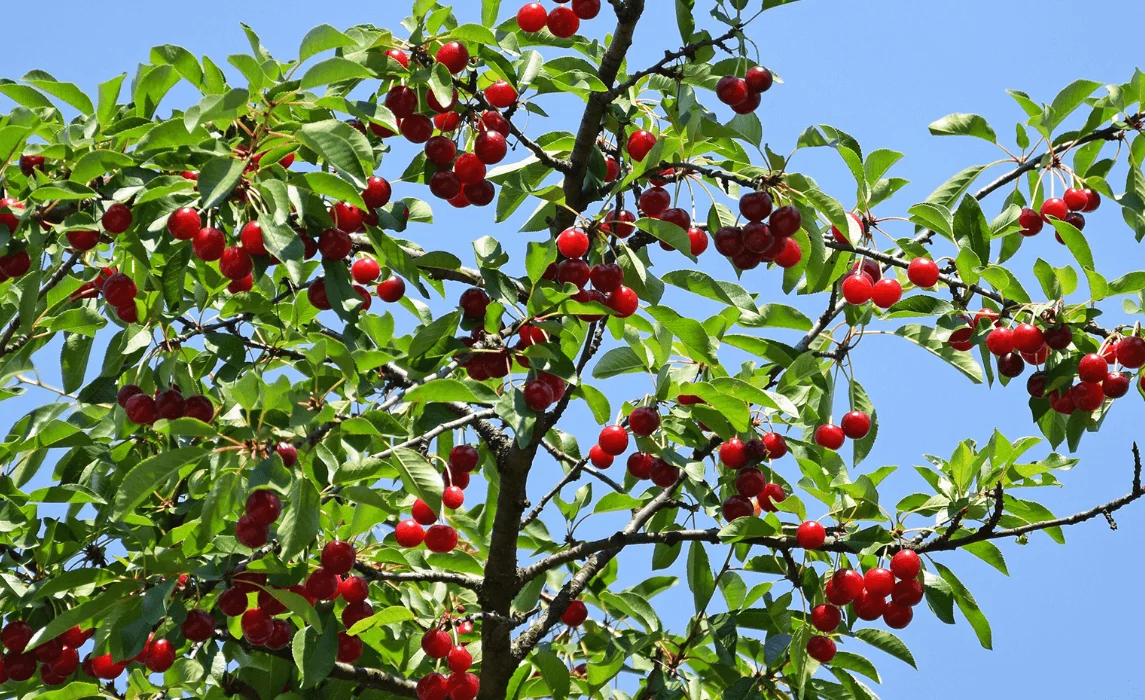
Cherry trees are adored for their ornamental value and sweet or tart fruits, originating in Europe and Asia. They grow 15–30 feet tall with glossy green leaves and produce spectacular white or pink blossoms in spring, followed by vibrant red to deep maroon fruit. These trees thrive in temperate climates with cold winters, with tart cherries being especially hardy, making USDA zones 4–7 ideal. Cherry trees need full sun, well-drained soil, and regular moderate watering, with pruning to improve airflow and prevent disease. Bird protection may be necessary for fruit, but otherwise, cherries are suitable for gardeners who enjoy a combination of visual beauty and delicious harvests, making them ideal for intermediate-level gardeners.
Discover how to grow berry plants and transform your backyard into a vibrant, fruit-filled space.
6. Fig Tree (Ficus carica)
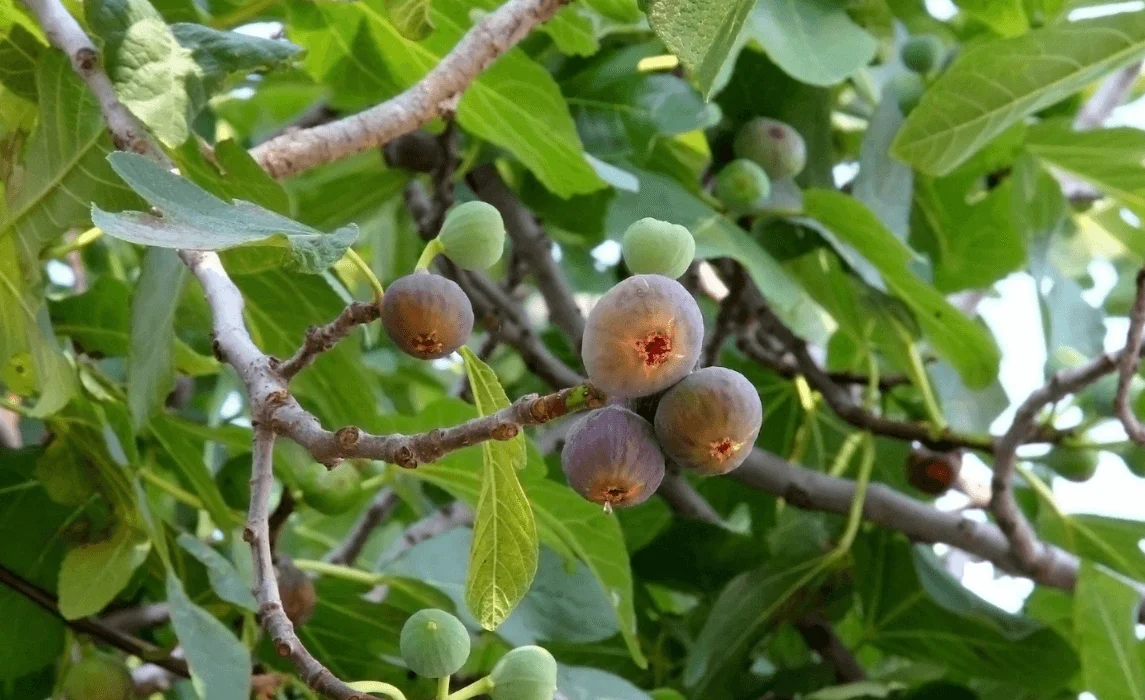
Fig trees, native to the Mediterranean, are among the easiest fruit trees for beginners, producing sweet, soft fruits and providing a striking ornamental presence. They grow 10–30 feet tall, with large, lobed leaves and hidden flowers that ripen into green, purple, or brown fruits depending on the variety. Figs thrive in warm climates but can be grown in pots and brought indoors in colder areas, suitable for USDA zones 7–10. They require full sun, well-draining soil, and moderate watering, with careful protection from frost for younger trees. Fig trees are ideal for beginner gardeners and container gardeners seeking fast-growing, low-maintenance trees that produce delicious, juicy fruit with minimal fuss.
Soil: Well-draining loam
Water: Moderate; do not overwater
Light: Full sun (6–8 hours/day)
Humidity: Low to moderate
Fertilizer: Balanced in spring and summer
Temperature: 60–85°F (16–29°C)
USDA Zone: 7–10
7. Lemon Tree (Citrus limon)
Lemon trees, originally from Asia, are cherished for their fragrant white blossoms and bright yellow fruit that adds zest to cooking and beverages. Dwarf lemon trees grow 6–10 feet tall with glossy green leaves and are ideal for indoor or patio cultivation in USDA zones 9–11, though they can be moved indoors in colder climates. They require full sun, well-draining soil, and consistent moderate watering, with regular fertilization for optimal fruit production. Lemon trees are perfect for beginners and container gardeners seeking a manageable, productive tree that thrives with attentive care and adds both ornamental and edible value to any space.
Soil: Well-draining loam
Water: Moderate, consistent
Light: Full sun (6–8 hours/day)
Humidity: Moderate to high
Fertilizer: Citrus-specific fertilizer
Temperature: 55–85°F (13–29°C)
USDA Zone: 9–11
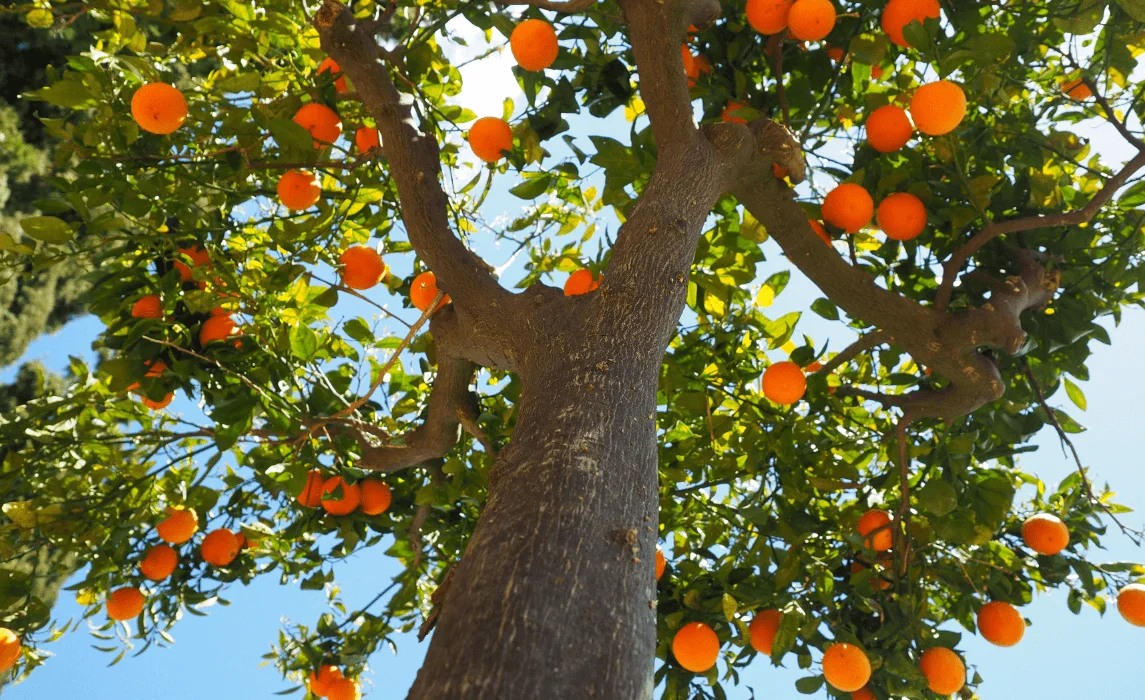
8. Orange Tree (Citrus sinensis)
Orange trees, native to Southeast Asia, are renowned for their sweet, juicy fruits and fragrant blossoms that fill gardens with a refreshing aroma. Standard trees can reach 20–30 feet tall, while dwarf varieties remain 6–10 feet, featuring glossy, dark green leaves and clusters of white flowers in spring. Orange trees thrive in warm, frost-free climates, ideally USDA zones 9–11, though they can be grown in pots and moved indoors in cooler regions. They require full sun, well-draining soil, and consistent watering to produce abundant, high-quality fruit. Fertilization during spring and summer encourages healthy growth and fruiting. Orange trees are perfect for beginner gardeners and container growers who want to enjoy fresh citrus with moderate care and attention.
Soil: Well-draining loam
Water: Moderate, consistent
Light: Full sun (6–8 hours/day)
Humidity: Moderate to high
Fertilizer: Citrus-specific fertilizer
Temperature: 55–85°F (13–29°C)
USDA Zone: 9–11
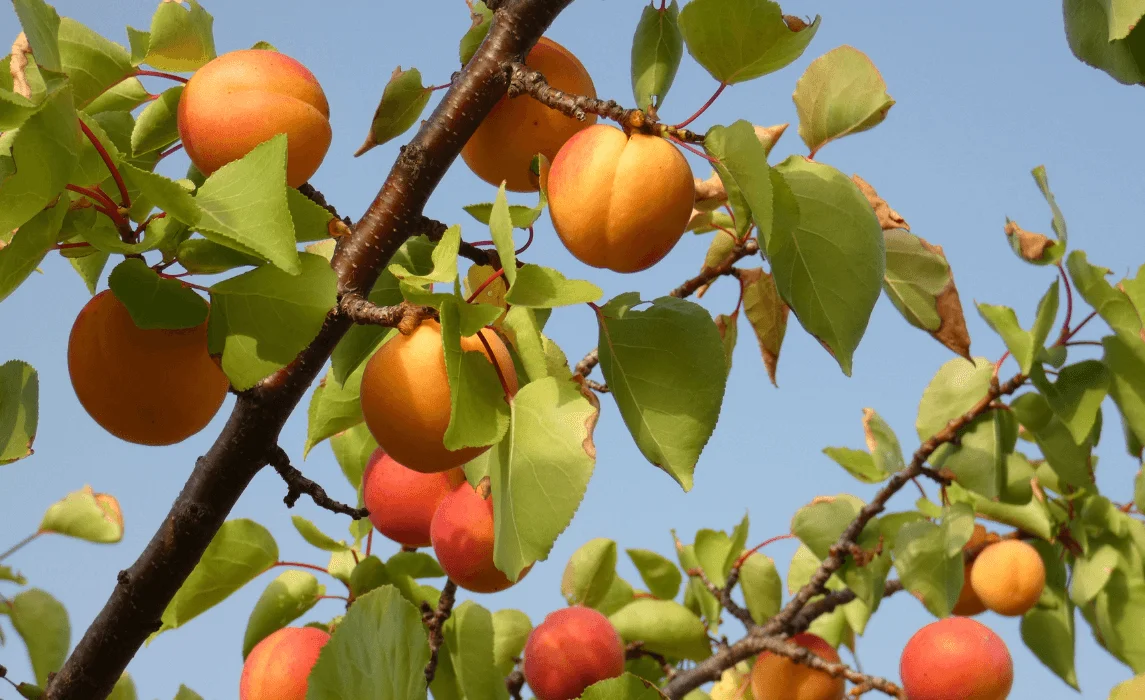
9. Apricot Tree (Prunus armeniaca)
Apricot trees, originating from China and Central Asia, are valued for their sweet, golden-orange fruit and beautiful spring blossoms. They grow 15–20 feet tall with green, oval-shaped leaves and produce pink to white flowers in early spring before fruit development. Apricots thrive in temperate to warm climates with long growing seasons and are suitable for USDA zones 5–8. These trees require full sun, well-drained soil, and moderate watering, particularly during fruit development. Pruning after harvest promotes air circulation and prevents disease. Apricot trees are ideal for gardeners seeking a stone fruit with attractive blossoms and manageable care requirements.
Soil: Well-draining loam
Water: Moderate, deeper during dry periods
Light: Full sun (6–8 hours/day)
Humidity: Low to moderate
Fertilizer: Balanced fertilizer in early spring
Temperature: 32–85°F (0–29°C)
USDA Zone: 5–8
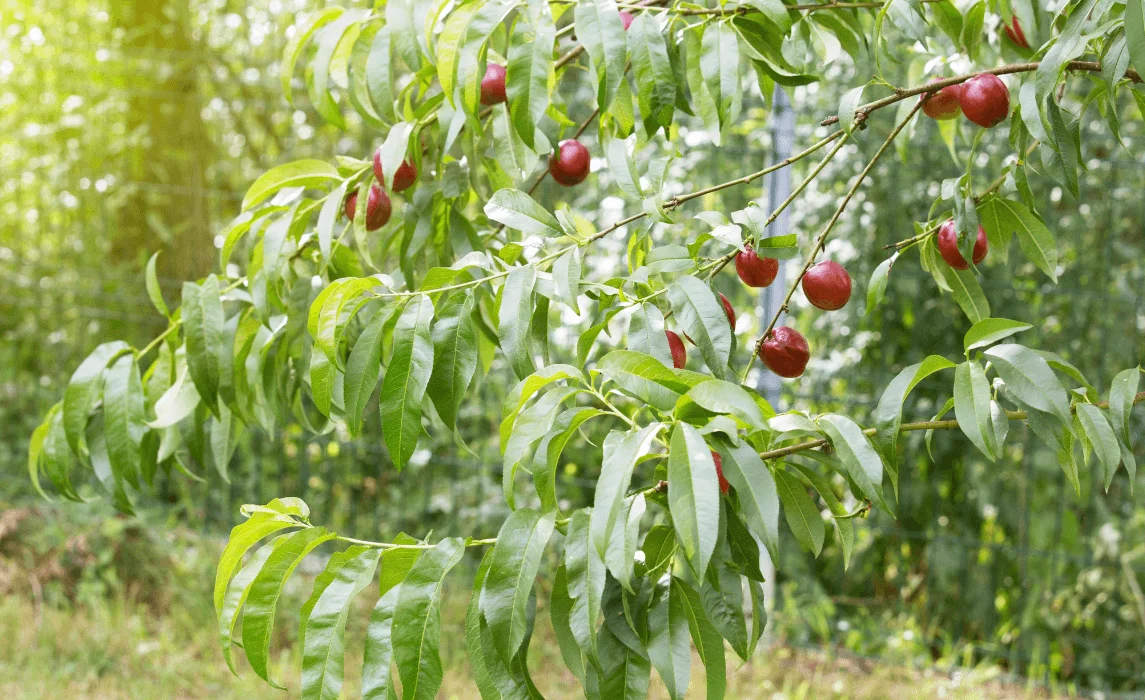
10. Nectarine Tree (Prunus persica var. nucipersica)
Nectarine trees are closely related to peaches but produce smooth-skinned fruits that are sweet, juicy, and aromatic. They grow 15–25 feet tall, with lance-shaped leaves and delicate pink blossoms in early spring. Nectarines thrive in warmer climates with long growing seasons, suitable for USDA zones 5–9, though some cold-hardy varieties can tolerate northern climates. They require full sun, well-draining sandy soil, and deep, consistent watering during fruit development. Annual pruning encourages airflow and reduces disease risk. Nectarine trees are recommended for gardeners who enjoy fast-growing stone fruits and are ready to provide attentive seasonal care for abundant harvests.
Soil: Sandy loam, well-drained
Water: Deep, moderate weekly
Light: Full sun (6–8 hours/day)
Humidity: Low to moderate
Fertilizer: Nitrogen-rich fertilizer for young trees
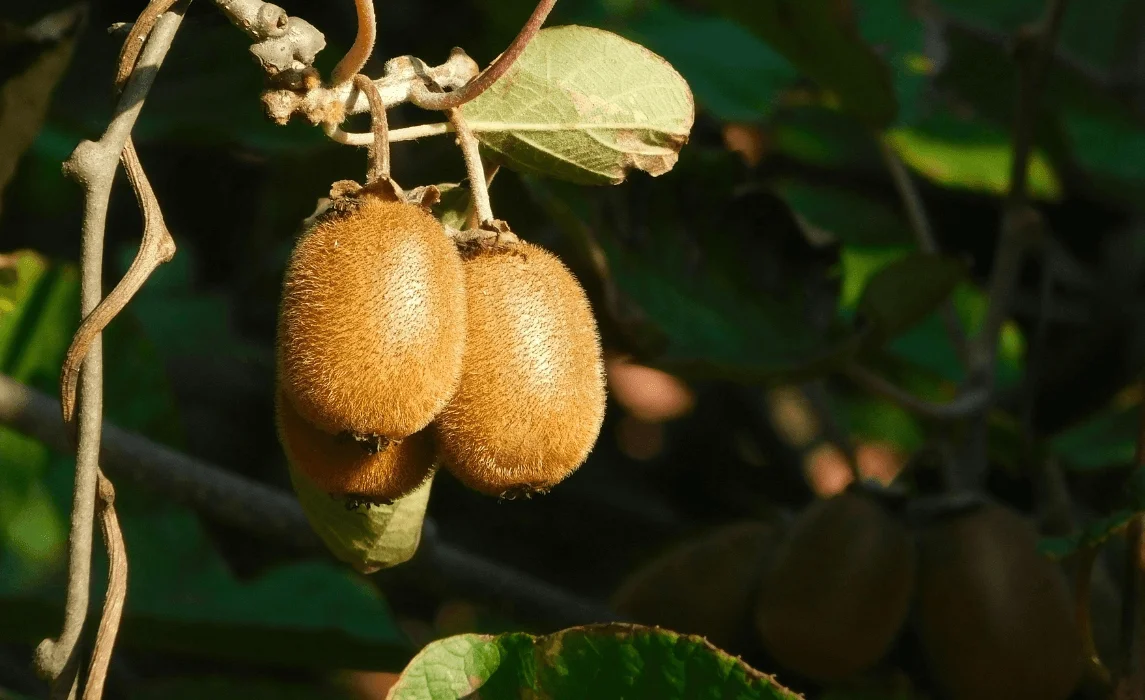
Learn how to grow, care for, and maintain a thriving kiwifruit vine right in your garden.
Frequently Asked Questions:
1. Can I grow fruit trees in small gardens or pots?
Yes! Many dwarf fruit trees and container-friendly varieties are perfect for small gardens or patios. Trees in pots can include citrus trees, figs, and dwarf apple trees. Using containers allows you to control soil, water, and temperature more easily, making it possible to grow fruit even in northern climates. These trees are especially useful if you want fast-growing trees that produce fruit within a few years and don’t require a large orchard space.
2. What climate is best for fruit trees?
The climate plays a major role in fruit production. Cold-hardy trees like apples, pears, and plums survive in northern regions, including zone 3, while citrus trees, figs, and peaches thrive in warmer southern areas like Florida or Virginia. Some fruit trees may require protection from frost, while others can tolerate cold winters. Understanding your USDA zone and local conditions ensures your trees will grow healthy and produce fresh fruit consistently.
3. Where can I buy fruit trees online?
Many growers offer fruit trees for sale online, including bare root trees, grafted trees, and container-grown trees. Buying fruit trees online allows you to select from a wide range of fruit tree varieties suitable for your climate, including apples, pears, peaches, plums, citrus trees, and more. When purchasing, check for USDA zone compatibility, tree size, and health guarantees to ensure you receive a quality tree that will thrive in your garden.
Related posts
Here are some articles you might be interested in.