How to Grow Blackberry Fruit From Store-Bought Fruit in Your Home Garden With Healthy Blackberry Bushes
Published on
January 19, 2026
Author
Anjali Sharma
Anjali was born and raised in Indi and is now residing in New Jersey with her husband. Anjali's passion lies in raising her own vegetables and herbs, which she wants to share with others.
How to Grow Pumpkins Q&A
Can I grow pumpkins in a small home garden?
Yes. Choose bush or miniature varieties, grow vines on a trellis, or use raised beds. Plan on one or two plants per hill and prune vines when space is tight.
When should I plant pumpkins for Halloween?
Plant seeds in late May or early June in most climates. Count back from your first frost date and allow for 90 to 120 days of growth.
Why does my pumpkin plant have flowers but no fruit?
Male flowers appear first, so early flowers will not set fruit. If female flowers open but fail to fruit, you probably have too few bees. Pollinate by hand in the morning.
What causes pumpkin leaves to turn white?
This is usually powdery mildew. Improve airflow, water at the base, remove infected leaves, and apply a fungicide or neem oil.
Can I eat the pumpkin I grew for carving?
Yes, though carving types are stringy and bland. Pie pumpkins are sweeter, but the seeds from any pumpkin can be roasted.
Growing Grapevines Q&A
How long does it take for a grape plant to produce fruit?
Most young vines need two to three years after planting before they set a full crop, though a few clusters may appear in year two. Patience pays off — established vines can keep producing for 40 years or more.
Do I need more than one vine to grow grapes?
No. Since most grape varieties are self-fertile, one plant is enough to produce fruit on its own. Planting a second variety nearby is optional and mainly helps with cross-pollination in a few less common types.
Can grape vines grow in containers?
Yes, though grape vines grow best planted directly in the ground, where the root system has room to spread. A large container works for a year or two, but expect to transplant once the vine outgrows the pot.
Why aren't my grapes ripening?
Grapes ripen slowly compared to many fruits, and cool weather, too much shade, or overcrowded canes can all delay the process. Give the vine full sun, thin the clusters, and be patient through the growing season.
What's the difference between table grapes and wine grapes?
Table grapes are bred for fresh eating, with thinner skins and fewer seeds, while wine grapes tend to have thicker skins, more seeds, and higher sugar content suited to fermentation.
Are grape vines toxic to pets?
Grapes and grape leaves are not toxic to people, but grapes and raisins are toxic to dogs and can cause kidney damage, so keep fallen fruit cleaned up if pets have access to the vineyard.
Bee Garden Q&A
What flowers attract the most bees to a garden?
Bees are generally drawn to flowers that are blue, purple, yellow, or white, and that offer easy access to nectar and pollen. Lavender, bee balm, sunflower, and coneflower are some of the most reliable plants that attract bees to a home garden.
Do I need to avoid pesticides in a bee-friendly garden?
Yes, whenever possible. Insecticide and pesticide products can harm adult bees and their larva, even in small amounts. Choosing natural pest control methods helps keep your garden safe for visiting bees.
Can a small home garden still support pollinators?
Absolutely. Even a few containers of zinnias, salvia, or crocus on a balcony can offer pollen and nectar for local bees. Bees will travel between small garden spaces, so every bit of habitat helps.
Do bees need more than just flowers?
Yes. Bees also need nesting sites and water. Ground-nesting bees need patches of bare soil, while a shallow bee bath gives bees a safe spot to drink, especially in hot weather.
Will planting a pollinator garden really help save the bees?
It genuinely can. As natural habitat shrinks, home gardens have become an important food source and shelter for bees, including many native bee species. A well-planned bee garden supports pollination for your own flowers and vegetables while helping the wider bee population.
What is the best USDA zone for growing a bee garden?
There is no single best zone. Most of the plants above grow well across USDA zones 4 through 9, and gardeners in colder or warmer zones can simply choose varieties suited to their climate, or grow warm-season bees favorites like sunflower and zinnia as annuals.
Growing your own blackberry fruit at home is easier than many gardeners think, even if you’re starting with store-bought fruit. With the right approach, you can turn those juicy berries into thriving plants that produce fresh harvests season after season. Whether you’re new to gardening or looking to expand your home garden with productive fruit bushes, blackberries are a rewarding choice thanks to their hardy nature and generous yields.
In this guide, you’ll learn how to grow blackberry plants step by step, from understanding how blackberry bushes develop to caring for them as they mature. We’ll also touch on how blackberries compare to closely related fruits like raspberry, what conditions help them grow best, and what to expect when it’s time for harvesting. By the end, you’ll feel confident starting your own healthy blackberry bushes and enjoying homegrown fruit straight from your garden.
Plant Attribute
Details
Plant Name
Blackberry (Rubus spp.)
Plant Type
Perennial fruiting shrub (cane fruit)
Size
3–8 feet tall and wide, depending on variety
Soil Type
Loamy, well-draining soil rich in organic matter
Soil pH
5.5–6.5
Bloom Time
Late spring to early summer
Hardiness Zones
USDA Zones 5–10 (varies by variety)
Native Area
North America, Europe, and parts of Asia
Toxicity Level
Non-toxic to humans and pets
Best Blackberry Types to Grow
Erect Blackberries
Erect blackberry varieties grow upright with strong, self-supporting canes, making them one of the easiest types to manage in a home garden. Because they stay relatively compact, they often do not require a trellis, which reduces setup time and maintenance. These blackberries are well suited for small spaces, raised beds, and gardeners who prefer a low-effort planting option. Many erect varieties are also cold-hardy and easier to prune, making them ideal for beginners.
Semi-Erect Blackberries
Semi-erect blackberries start by growing upright but gradually arch outward as the canes lengthen and become heavier with fruit. While they can stand on their own when young, a trellis or support system is recommended to keep the canes organized and off the ground. These plants are known for their high productivity and vigorous growth, making them a popular choice for backyard gardeners who want reliable harvests. With proper support and pruning, semi-erect varieties can produce large, consistent crops year after year.
Trailing Blackberries
Trailing blackberry varieties produce long, flexible canes that naturally sprawl along the ground if left unsupported. Because of this growth habit, they must be trained on a trellis or wire system to prevent disease and make harvesting easier. Although they require more attention and space, trailing blackberries are often prized for their exceptional fruit quality, including large berries with rich flavor. These varieties are best suited for gardeners with some experience who are willing to invest time in training and maintenance.
How to Plant Blackberries (Beginner-Friendly Steps)
Planting Blackberry Seedlings or Bare-Root Plants
Dig a hole twice as wide as the root system
Place the plant so the crown sits level with the soil surface
Spread roots gently outward
Backfill with native soil mixed with compost
Firm the soil gently to remove air pockets
Space plants properly based on variety:
Erect: 3–4 feet apart
Semi-erect: 5–6 feet apart
Trailing: 6–8 feet apart
Planting Blackberries From Seed (Optional)
Seeds require cold stratification for 2–3 months
Germination is slow and unreliable
Most gardeners prefer nursery plants for faster fruit production.
Blackberry Growing Requirements
Soil
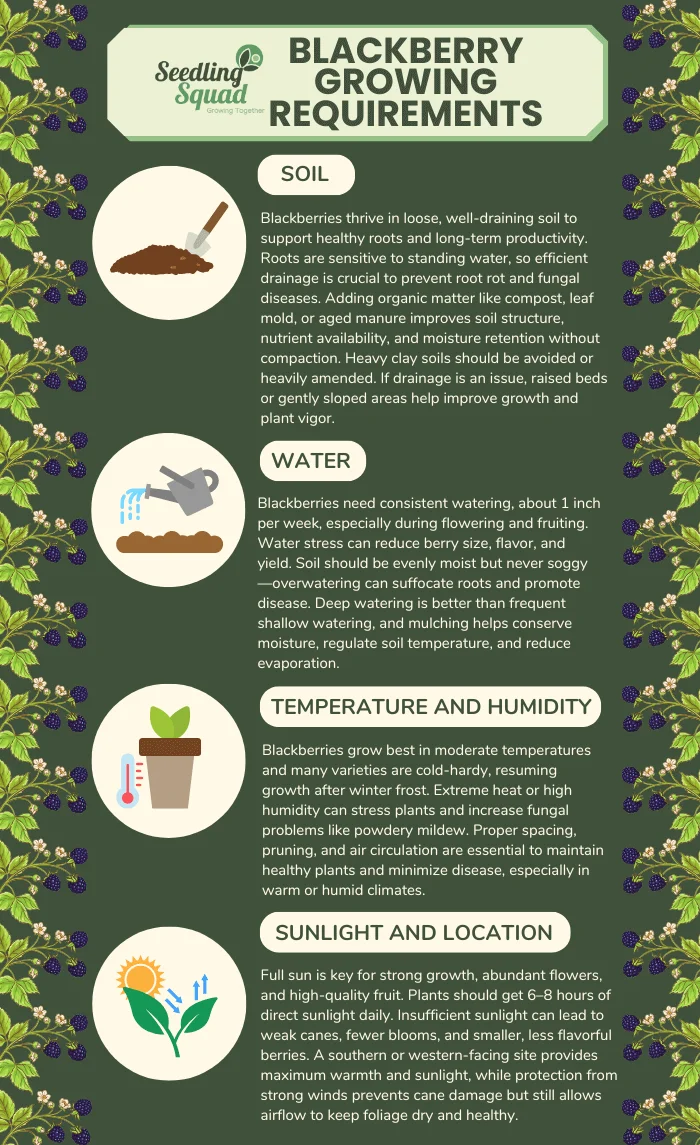
Blackberries need loose, well-draining soil to support healthy root development and long-term productivity. Their roots are sensitive to standing water, so soil that drains efficiently is critical to preventing root rot and fungal diseases. Adding plenty of organic matter, such as compost, leaf mold, or aged manure, improves soil structure, increases nutrient availability, and helps the soil retain moisture without becoming compacted. Heavy clay soils should be avoided unless heavily amended, as they restrict root growth and hold excess water. If drainage is a concern, planting blackberries in raised beds or gently sloped areas can significantly improve growing conditions and plant vigor.
Water
Blackberry plants require consistent watering throughout the growing season, with an average of about 1 inch of water per week from rainfall or irrigation. Regular moisture is especially important during flowering and fruit development, as water stress during these stages can lead to smaller berries, poor flavor, and reduced yields. While blackberries appreciate evenly moist soil, they do not tolerate soggy conditions. Overwatering can suffocate roots and promote disease, so deep watering that penetrates the soil is preferable to frequent shallow watering. Applying mulch around the base of the plants helps conserve moisture, regulate soil temperature, and reduce water evaporation.
Temperature and Humidity
Blackberries perform best in moderate temperatures, making them suitable for a wide range of growing regions. Many varieties are cold-hardy and can withstand winter frost while dormant, resuming growth once temperatures warm in spring. However, prolonged extreme heat may stress plants, particularly if combined with high humidity. Humid conditions can increase the risk of fungal issues such as powdery mildew and cane diseases. Proper spacing, regular pruning, and good air circulation are essential for maintaining healthy plants and minimizing disease pressure, especially in warm or humid climates.
Sunlight and Location
Full sun is essential for strong growth, abundant flowering, and high-quality fruit production in blackberry plants. Ideally, they should receive at least 6 to 8 hours of direct sunlight each day. Insufficient sunlight may result in weak canes, fewer blossoms, and smaller or less flavorful berries. When choosing a planting site, a southern or western exposure is ideal because it provides maximum sunlight and warmth throughout the day. The location should also be protected from strong winds, which can damage canes and dry out soil, while still allowing enough airflow to keep foliage dry and healthy.
Backyard Berries: How to Grow Berry Plants and Transform Your Backyard
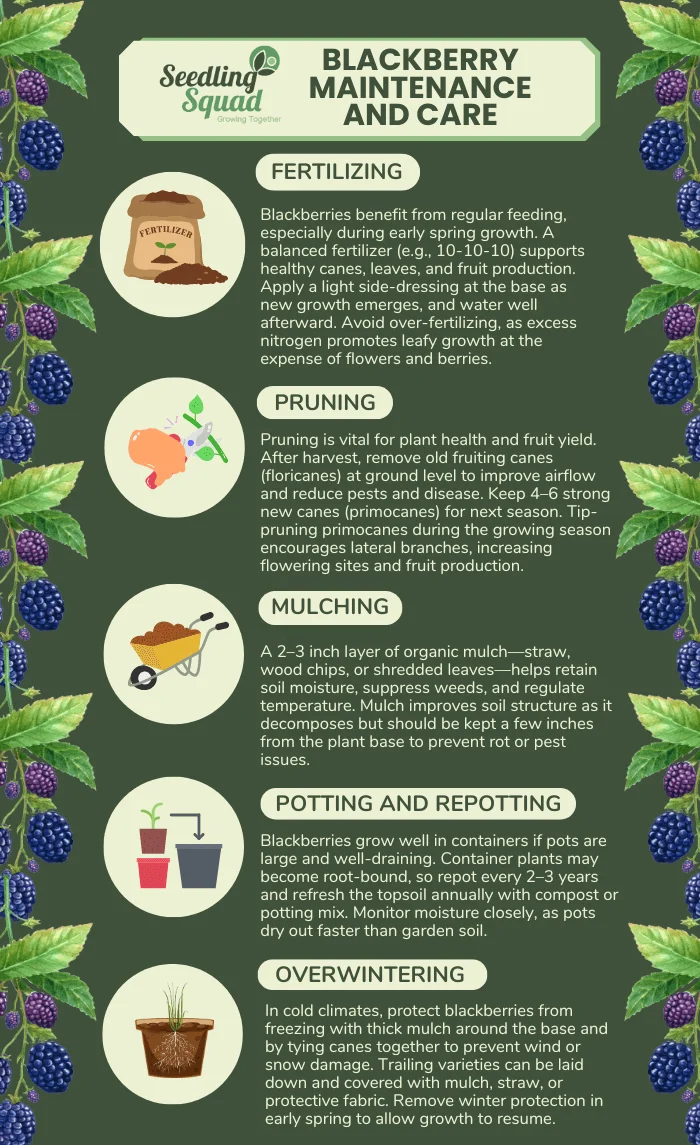
Blackberries benefit from regular feeding, especially as they begin active growth in early spring. Applying a balanced fertilizer, such as a 10-10-10 formula, helps support healthy cane development, leaf growth, and future fruit production. Fertilizer should be applied just as new growth emerges, with a light side-dressing around the base of the plant. Avoid over-fertilizing, as too much nitrogen can cause excessive leafy growth at the expense of flowers and fruit, resulting in fewer berries and weaker canes. For best results, always water well after fertilizing and follow label recommendations to prevent nutrient burn.
Pruning
Proper pruning is essential for maintaining plant health and maximizing blackberry yields. After harvest, remove old fruiting canes, known as floricanes, since they will not produce fruit again. Cutting these canes at ground level improves airflow and reduces the risk of pests and disease. Each plant should be left with about 4 to 6 strong, healthy new canes (primocanes) to support next season’s fruiting. Tip-pruning primocanes during the growing season encourages the development of lateral branches, which increases the number of flowering sites and leads to higher fruit production.
Mulching
Applying mulch is an important part of blackberry care, as it helps maintain consistent soil moisture and suppresses weed growth. A 2–3 inch layer of organic mulch, such as straw, wood chips, or shredded leaves, also improves soil structure as it breaks down over time. Mulch helps regulate soil temperature, keeping roots cooler in summer and insulated in cooler weather. Be sure to keep mulch a few inches away from the base of the plant to prevent excess moisture buildup around the crown, which can lead to rot or pest problems.
Potting and Repotting
Blackberries can be successfully grown in containers, provided the pots are large enough to accommodate their root systems. Use sturdy containers with adequate drainage holes to prevent waterlogging. Over time, container-grown blackberries may become root-bound, so repotting every 2 to 3 years helps refresh the soil and encourages healthy growth. In addition to repotting, refreshing the top layer of soil annually by replacing it with fresh compost or potting mix replenishes nutrients and improves soil structure. Regular monitoring of moisture levels is especially important for potted plants, as containers dry out faster than garden soil.
Overwintering
In colder climates, blackberry plants require extra protection to survive winter conditions. Applying a thick layer of mulch around the base of the plant helps insulate the roots and protect them from freezing temperatures. Tying canes together prevents damage from strong winter winds and heavy snow. For trailing blackberry varieties, canes can be gently laid down and covered with mulch, straw, or protective fabric to shield them from extreme cold. Removing winter protection in early spring allows plants to resume growth as temperatures warm.
Common Blackberry Pests and Diseases
Common Pests
Aphids
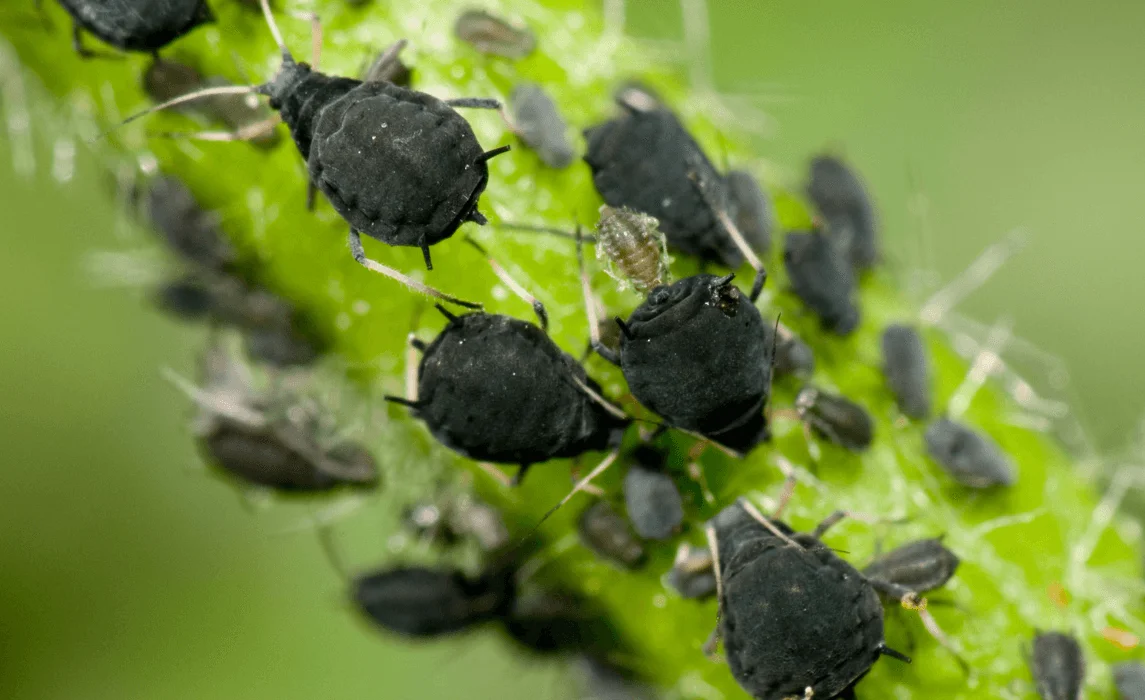
Aphids feed on new growth and can spread plant diseases. Prevent infestations by encouraging beneficial insects like ladybugs, pruning heavily infested shoots, and using insecticidal soap when populations get out of control.
Spider Mites
Spider mites thrive in hot, dry conditions and cause stippled, yellowing leaves. Keep plants well-watered, improve air circulation, and use insecticidal soap or a strong water spray to reduce mite numbers.
Cane Borers
Cane borers tunnel into blackberry canes, causing wilting and dieback. Prevent damage by pruning and destroying affected canes promptly and keeping the planting area clean to reduce egg-laying sites.
Anthracnose causes dark, sunken spots on canes and leaves, especially in wet conditions. Prevent it by removing infected plant material, improving air circulation, and avoiding overhead watering.
Powdery Mildew
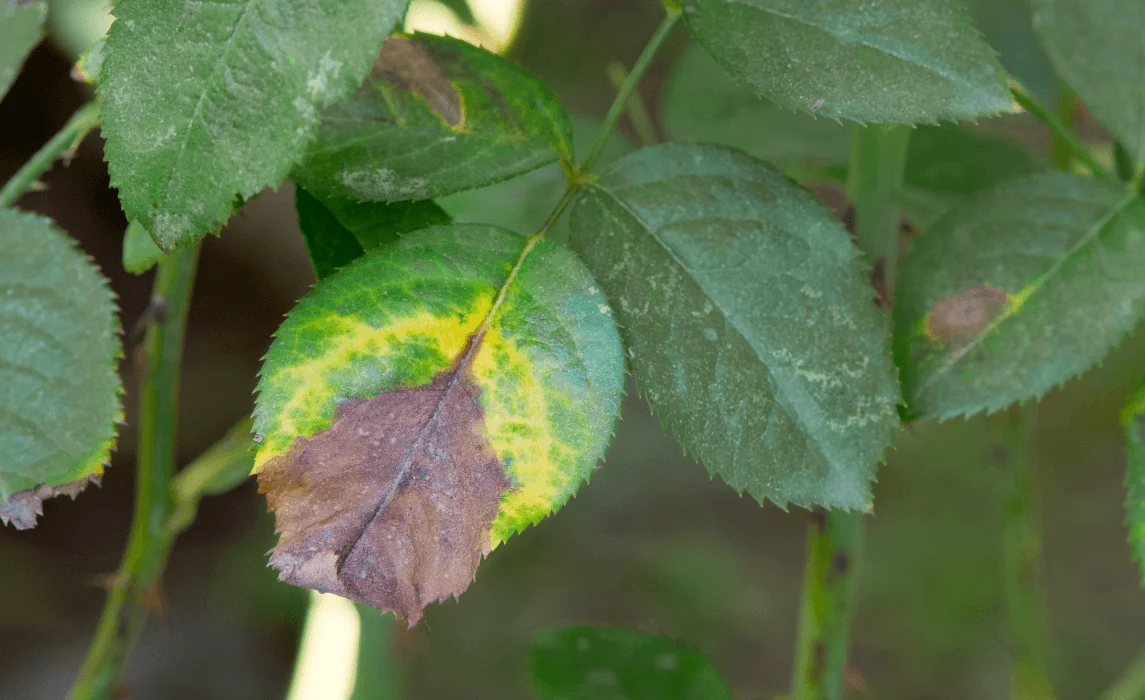
Powdery mildew appears as a white, powdery coating on leaves and stems. Reduce the risk by spacing plants properly, ensuring good airflow, and watering at the base of the plant.
Cane Blight
Cane blight leads to dark lesions and dying canes, often entering through pruning wounds. Prevent it by pruning during dry weather, removing infected canes, and keeping plants healthy and stress-free.
How to Harvest Blackberries
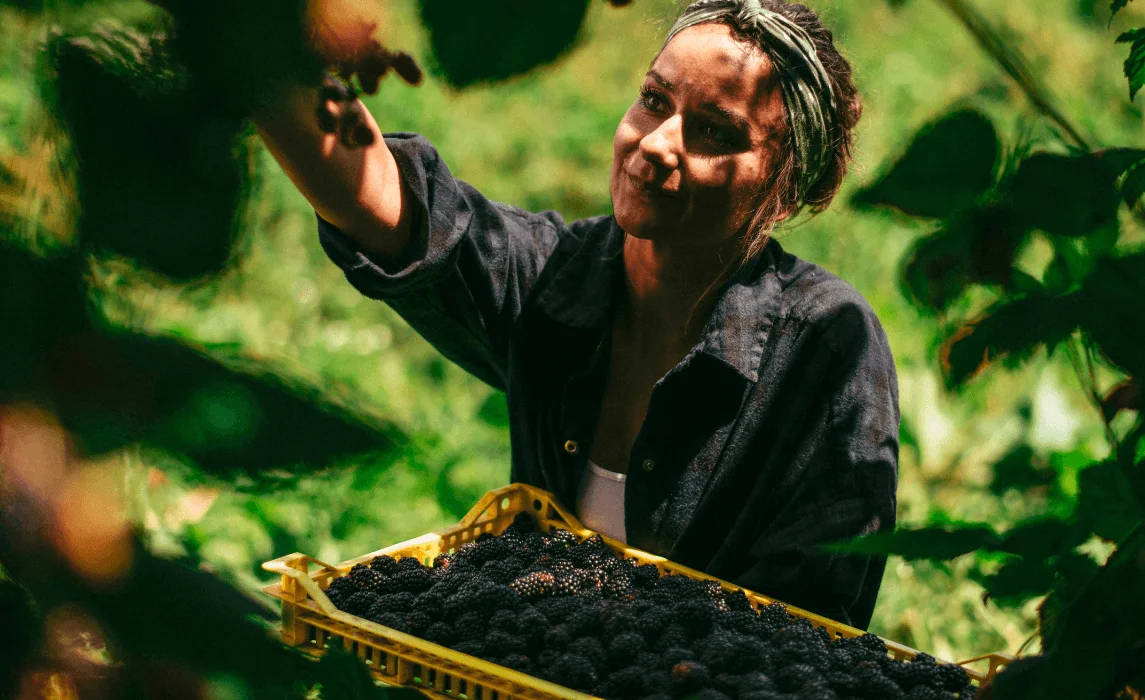
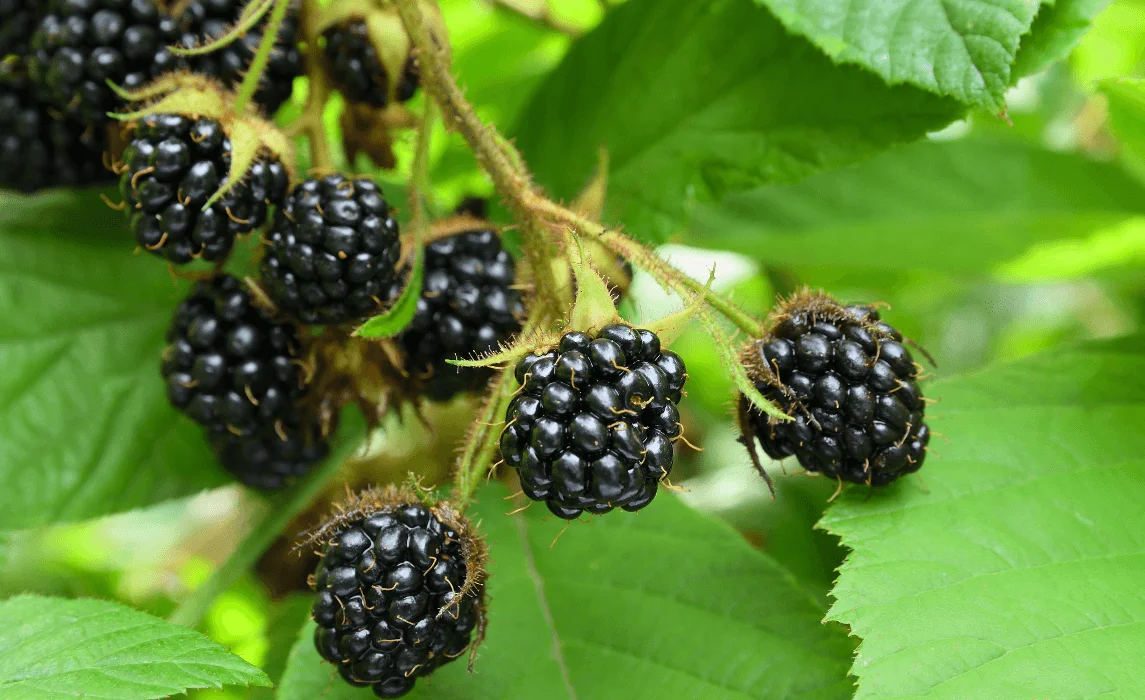
Blackberries are ready to harvest when the berries are fully black and glossy, pull easily from the cane, and have a soft but not mushy texture. During peak season, it’s best to pick them every couple of days, preferably in the morning for optimal quality. Handle the fruit gently to avoid bruising, as a mature blackberry bush can produce 5–10 pounds of fruit per season.
Frequently Asked Questions:
1. How long does it take for blackberry bushes to bear fruit?
Most blackberry bushes begin producing fruit in their second year if you are planting floricane-fruiting varieties. However, primocane-fruiting varieties can produce a small primocane crop in the first year. Expect full fruit production from established bushes after 3–4 years.
2. Can I grow blackberries from seed?
Yes, blackberries can be grown from seed, but it’s a slow and unpredictable process. Seeds require cold stratification for 2–3 months to germinate, and it may take 2–3 years before plants produce fruit. Most gardeners prefer planting seedlings or bare-root plants for faster results.
3. How do I know when blackberries are ripe?
A blackberry is ripe when it is fully black, plump, glossy, and easily pulls from the cane. Taste and texture are the best indicators. Ripe berries should be harvested every couple of days during peak season for maximum flavor.
4. Can blackberries be grown in pots or raised beds?
Yes! Compact or erect blackberry varieties grow well in pots or raised beds. Use large containers with good drainage, fertile soil, and a small trellis for support. Repot every 2–3 years to maintain healthy growth.
Related posts
Here are some articles you might be interested in.


.webp)