Best Orange Flowering Perennials: Top Orange Perennial Flowers for Stunning Gardens
Published on
April 23, 2025
Author
Sarah Wilson
Sarah Wilson started her gardening journey during the pandemic and had fallen in love with it ever since. Eager to connect with fellow garden enthusiasts, she wants to share the knowledge she's gained over the past three years.
Growing Chia Plants Q&A
Can I grow chia from the chia seeds I buy at the store?
Yes. Organic chia seeds from the grocery store will often germinate, though germination can vary. Fresh seed from a garden supplier is more reliable.
How long does it take to grow chia?
Seeds sprout in about a week. The plant needs 100 to 150 days to mature before you can harvest the seeds.
Is chia a California native plant?
Salvia hispanica is native to central Mexico and Guatemala. However, Salvia columbariae, sometimes called California chia, is a California native plant.
Can I grow chia indoors?
You can grow chia sprouts and microgreens indoors easily. A full-size chia plant needs strong light and rarely sets a good seed crop indoors.
Why won't my chia flower?
Chia flowers when days get shorter. Plants in cooler regions or those lit at night may bloom late or not at all.
How to Grow Pumpkins Q&A
Can I grow pumpkins in a small home garden?
Yes. Choose bush or miniature varieties, grow vines on a trellis, or use raised beds. Plan on one or two plants per hill and prune vines when space is tight.
When should I plant pumpkins for Halloween?
Plant seeds in late May or early June in most climates. Count back from your first frost date and allow for 90 to 120 days of growth.
Why does my pumpkin plant have flowers but no fruit?
Male flowers appear first, so early flowers will not set fruit. If female flowers open but fail to fruit, you probably have too few bees. Pollinate by hand in the morning.
What causes pumpkin leaves to turn white?
This is usually powdery mildew. Improve airflow, water at the base, remove infected leaves, and apply a fungicide or neem oil.
Can I eat the pumpkin I grew for carving?
Yes, though carving types are stringy and bland. Pie pumpkins are sweeter, but the seeds from any pumpkin can be roasted.
Growing Grapevines Q&A
How long does it take for a grape plant to produce fruit?
Most young vines need two to three years after planting before they set a full crop, though a few clusters may appear in year two. Patience pays off — established vines can keep producing for 40 years or more.
Do I need more than one vine to grow grapes?
No. Since most grape varieties are self-fertile, one plant is enough to produce fruit on its own. Planting a second variety nearby is optional and mainly helps with cross-pollination in a few less common types.
Can grape vines grow in containers?
Yes, though grape vines grow best planted directly in the ground, where the root system has room to spread. A large container works for a year or two, but expect to transplant once the vine outgrows the pot.
Why aren't my grapes ripening?
Grapes ripen slowly compared to many fruits, and cool weather, too much shade, or overcrowded canes can all delay the process. Give the vine full sun, thin the clusters, and be patient through the growing season.
What's the difference between table grapes and wine grapes?
Table grapes are bred for fresh eating, with thinner skins and fewer seeds, while wine grapes tend to have thicker skins, more seeds, and higher sugar content suited to fermentation.
Are grape vines toxic to pets?
Grapes and grape leaves are not toxic to people, but grapes and raisins are toxic to dogs and can cause kidney damage, so keep fallen fruit cleaned up if pets have access to the vineyard.
When it comes to adding vibrant, lasting color to your garden, orange flowering perennials are an excellent choice. These bold and beautiful flowers not only brighten up your landscape but also bring a warm, inviting atmosphere to your outdoor space. Whether you're designing a summer garden or looking for year-round beauty, orange perennials offer a range of hues from fiery tangerine to soft peach. In this guide, we'll explore the top orange flowering perennials that are perfect for creating a stunning garden that blooms season after season. From easy-to-grow favorites to unique varieties, these flowers will elevate the beauty of your garden and provide lasting enjoyment.
Daylilies are among the most beloved and adaptable perennials in home gardens, known for their striking blooms and effortless maintenance. Though each trumpet-shaped orange flower only lasts a day—hence the name "daylily"—the plant produces multiple buds per scape, ensuring continuous flowering throughout the summer. These plants feature slender, arching, grass-like foliage that provides a graceful texture even when not in bloom. Daylilies perform best in full sun but can tolerate partial shade, especially in hot climates. They prefer well-drained, slightly acidic to neutral soil and benefit from regular watering, especially during their peak blooming period. Hardy in USDA zones 3 to 9, they thrive across a range of climates. Their rich orange hues and clump-forming habit make them a beautiful choice for borders, mass plantings, and mixed perennial gardens, where they offer a vibrant, low-maintenance display.
Butterfly Weed (Asclepias tuberosa)
A true native treasure, Butterfly Weed stands out for its ecological importance and bold appearance. This hardy perennial is a host plant for monarch butterflies and a favorite of bees and other pollinators, thanks to its clusters of fiery orange flowers that bloom from early to mid-summer. The plant's foliage is narrow and lance-shaped, creating a clean and structured look in garden beds. Thriving in full sun and dry to moderately moist, well-drained soils, Butterfly Weed is remarkably drought tolerant once established. It prefers lean soils and doesn’t require fertilizer, making it an excellent choice for low-maintenance, eco-friendly landscapes. Best suited for wildflower meadows, pollinator gardens, and prairie-style plantings, Butterfly Weed offers both beauty and purpose, contributing to biodiversity while adding intense color to the summer garden.
Mexican Sunflower (Tithonia rotundifolia)
Bold and cheerful, the Mexican Sunflower adds a dramatic splash of orange to summer gardens. Native to Mexico and Central America, this sun-loving plant produces large, daisy-like orange flowers with a golden center that sits atop tall, coarse, hairy stems and broad, heart-shaped green leaves. These flowers attract butterflies, hummingbirds, and bees, making it a magnet for pollinators. Mexican Sunflowers prefer full sun and well-drained soil, thriving best in hot, dry conditions. Once established, they are quite drought-tolerant and require minimal care beyond occasional watering. Their tall, bushy habit makes them ideal for the back of borders, pollinator gardens, and even as a temporary privacy screen. Their vibrant blooms bring tropical flair and movement, especially when planted en masse.
A favorite among drought-tolerant flowering perennials, the Blanket Flower is admired for its long blooming period and fiery color palette. The daisy-like blooms, often in vivid orange with red centers or yellow-tipped petals, sit atop wiry stems above gray-green, lobed leaves. Originating from the Americas, Gaillardia thrives in full sun and tolerates poor, sandy soils, making it perfect for xeriscaping. It performs best in USDA zones 3 to 9 and is an excellent option for areas prone to heat and drought. Regular deadheading will encourage more blooms, and it requires minimal watering once roots are established. Blanket Flowers shine in rock gardens, sunny borders, and informal cottage gardens, where their continuous color and carefree nature enhance both texture and vibrancy.
Orange Coneflower (Rudbeckia fulgida)
Closely related to the classic Black-eyed Susan, the Orange Coneflower is a perennial favorite that brings a burst of golden-orange color to late summer gardens. With its warm-toned petals radiating from a dark brown central cone, this daisy-like bloom stands 2 to 3 feet tall above coarse, deep green foliage. It thrives in full sun and moist, well-drained soil but is also tolerant of drier conditions once established. Hardy in USDA zones 3 to 9, this rugged plant requires little care beyond occasional watering and dividing every few years. Orange Coneflowers are excellent in native plantings, rain gardens, and cottage landscapes. Their long-lasting blooms are not only stunning in the garden but also make fantastic cut flowers, bringing the warmth of summer indoors.
Crocosmia (Crocosmia spp.)
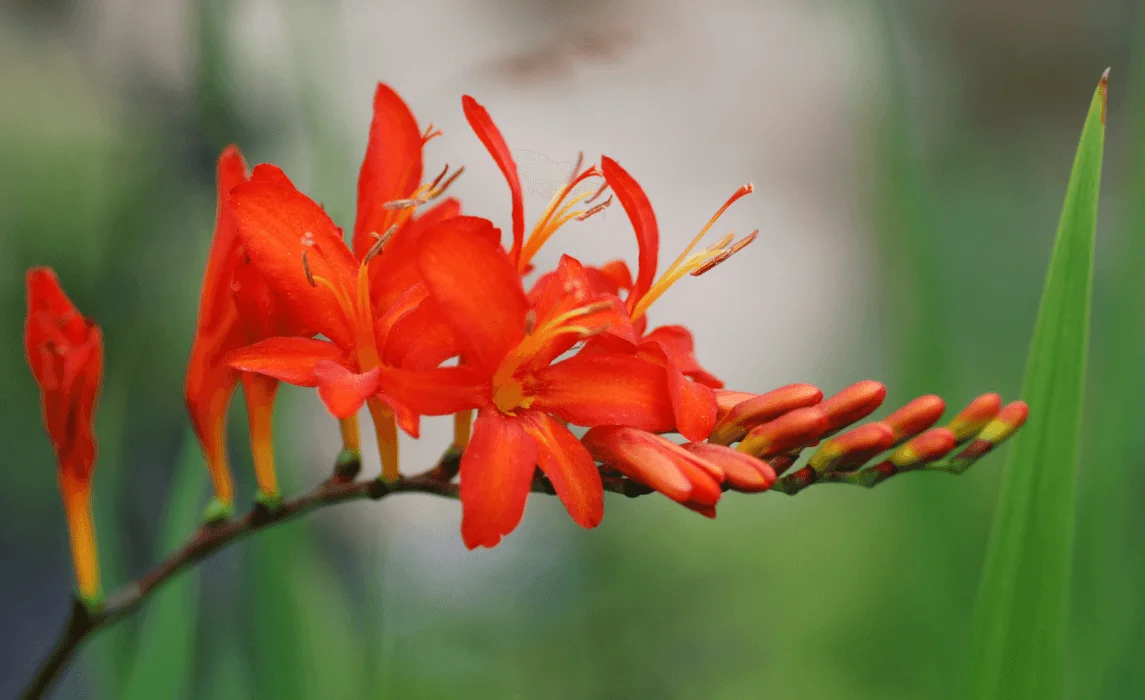
Adding elegance and exotic flair, Crocosmia lights up gardens with arching sprays of vivid orange, tubular flowers that resemble miniature gladiolus blooms. Native to South Africa, this perennial features striking, sword-like foliage that remains upright and lush throughout the growing season. Crocosmia performs best in full sun and consistently moist, well-drained soil, although it can tolerate light shade in hotter regions. It thrives in USDA zones 5 to 9 and should be planted in spring after the danger of frost has passed. Regular watering during dry spells and mulching help retain soil moisture and keep roots cool. Ideal for tropical-themed gardens, cutting gardens, and along garden pathways, Crocosmia adds movement and vertical drama, particularly when planted in groups.
Torch Lily / Red Hot Poker (Kniphofia uvaria)
Torch Lilies, also known as Red Hot Pokers, are bold, architectural perennials known for their tall, spiky flower clusters that transition from red to deep orange to yellow as they mature. These African natives produce grass-like evergreen foliage and thrive in full sun and sandy, well-drained soil. Their spiky blooms emerge in midsummer and attract hummingbirds and butterflies with their nectar-rich flowers. Red Hot Pokers are drought-tolerant once established and require minimal care aside from occasional deadheading and division. They’re hardy in USDA zones 5 to 9 and bring unique structure to rock gardens, sunny borders, and contemporary landscapes. Their towering presence and vibrant colors make them ideal for gardeners looking to create a focal point with minimal maintenance.
Orange Asiatic Lily (Lilium asiatic)
Asiatic Lilies are among the earliest blooming lilies and are loved for their vivid hues and reliable performance. The orange varieties in particular bring intense, vibrant color to early summer gardens with their large, unscented, upward-facing blooms. Growing 2 to 3 feet tall on sturdy stems, they are supported by narrow, lance-shaped leaves that stay green through the season. These lilies thrive in full sun to partial shade and need well-drained, fertile soil enriched with organic matter. Mulch to retain moisture and provide a cool root zone, and stake taller varieties if needed. Hardy in zones 3 to 8, Orange Asiatic Lilies are perfect for cutting gardens, elegant borders, and formal planting schemes, where their symmetrical blooms bring bold visual appeal and timeless charm.
Sneezeweed (Helenium autumnale)
Despite its misleading name, Sneezeweed is a beautiful, late-season bloomer that adds energy and vibrancy to the fall garden. This upright perennial features daisy-like flowers in deep orange, amber, and red tones, often with a prominent central cone. Reaching 3 to 5 feet in height, Sneezeweed thrives in full sun and moist, fertile soil, making it especially well-suited for rain gardens or low spots in the landscape. Regular watering is essential, particularly during dry spells, and it benefits from being pinched back in early summer to encourage bushier growth. Hardy in USDA zones 3 to 8, this plant pairs well with ornamental grasses and late-flowering perennials. It brings a dramatic, fiery end to the season while supporting pollinators when few other plants are in bloom.
Bird of Paradise (Strelitzia reginae)
A truly exotic and iconic plant, the Bird of Paradise captivates with its vibrant orange and blue blooms that resemble a tropical bird in flight. Native to South Africa, it forms a clump of large, paddle-shaped, dark green leaves and can grow 3 to 5 feet tall. While it isn’t cold hardy in most regions, it thrives outdoors year-round in USDA zones 10 to 12 and makes a stunning container plant elsewhere. It prefers full sun but will tolerate partial shade, and it flourishes in rich, well-drained soil with consistent moisture. High humidity and warm temperatures encourage more frequent blooming. With its dramatic, sculptural form and tropical aesthetic, Bird of Paradise is an excellent focal point for poolside gardens, patio containers, and modern landscapes where bold, statement-making plants are prized.
Wallflower (Erysimum 'Apricot Twist')
Wallflowers like ‘Apricot Twist’ offer a warm blend of orange, apricot, and copper tones that brighten up spring beds with a sweet fragrance to match. Originally native to rocky areas of southern Europe, these compact perennials grow around 12 to 18 inches tall and feature narrow, gray-green leaves that contrast beautifully with their vivid blooms. They thrive in full sun and well-drained soil, particularly in areas with cooler summers, and are hardy in USDA zones 6 to 9. These flowers appreciate regular deadheading to prolong blooming and perform best in lean soil with minimal watering once established. Wallflowers are ideal for cottage gardens, stone pathways, and container displays where their subtle color variations and honeyed scent add charm and intimacy to garden corners. Their petite structure and prolonged bloom period make them wonderful companions for tulips and other spring bulbs.
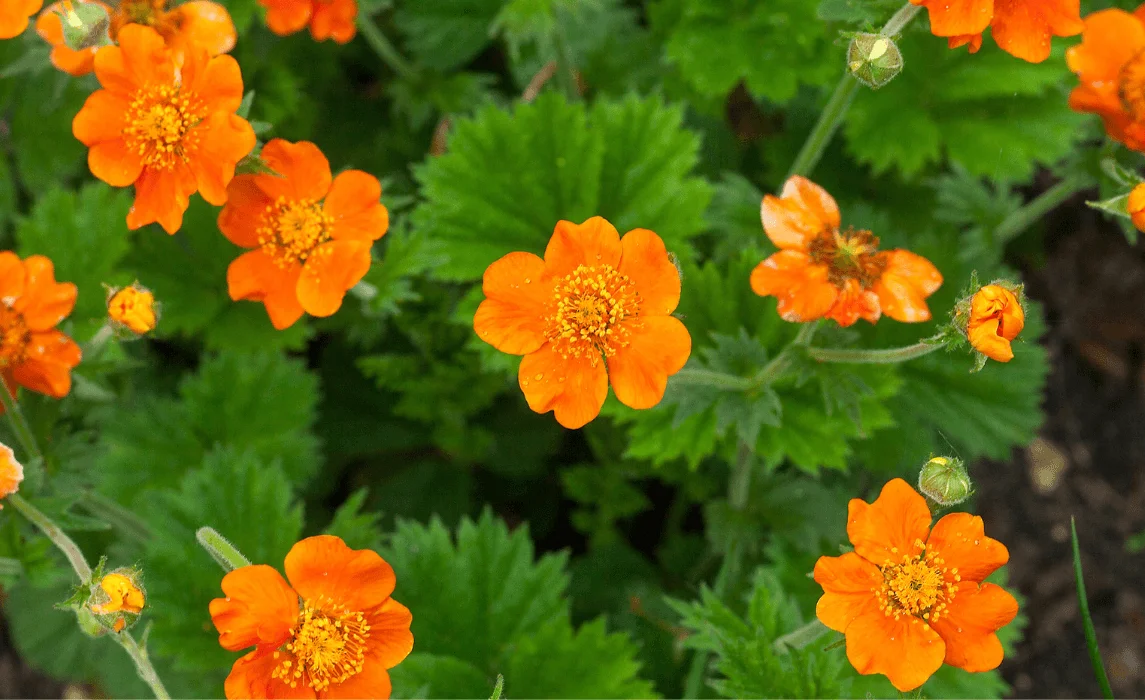
Orange Geum, particularly the popular ‘Totally Tangerine’ cultivar, delivers long-lasting, semi-double blooms in shades of bright tangerine orange atop wiry, branching stems. Native to Chile and parts of Europe, Geum chiloense thrives in cool climates and reaches about 2 feet in height, making it perfect for mid-border planting. The fuzzy, lobed green leaves form a neat mound at the base, providing texture even when the plant is not in bloom. Geums grow best in full sun to partial shade and moist, fertile, well-drained soil. While they appreciate regular watering, especially in dry weather, they dislike overly soggy conditions. Hardy in zones 5 to 9, they require minimal care beyond occasional division to maintain vigor. Geums are a charming addition to cottage gardens, mixed perennial borders, and pollinator-friendly spaces, where their cheerful orange blossoms create delightful contrast against blues and purples.
Frequently Asked Questions:
Q: What are orange perennial flowers?
A: Orange perennial flowers are flowering plants that bloom in vibrant shades of orange and come back year after year. Unlike annuals, which complete their life cycle in one season, perennials regrow each spring, offering lasting beauty and color to gardens without replanting. These plants range from orange daylilies and butterfly weed to orange geums and gerbera daisies.
Q: Do all orange flowers come in true perennial forms?
A: Not all orange flowers are true perennials. Some, like dahlias and gerbera daisies, are tender perennials or treated as annuals in colder climates but can be perennial in warmer zones or if overwintered indoors. Always check the USDA plant hardiness zones when selecting your orange perennial flowers to ensure they’ll survive your local winters.
Q: What growing conditions do orange perennials need?
A: Most orange flowering perennials prefer full sun, though some tolerate partial shade. These plants generally thrive in well-drained soil with moderate moisture. Depending on the variety, they may prefer rich soil (like geum and dahlia) or tolerate poor, dry soil (like butterfly weed or blanket flower). Always match plant needs to your garden’s conditions for best results.
Related posts
Here are some articles you might be interested in.