Anjali was born and raised in Indi and is now residing in New Jersey with her husband. Anjali's passion lies in raising her own vegetables and herbs, which she wants to share with others.
Bee Garden Q&A
What flowers attract the most bees to a garden?
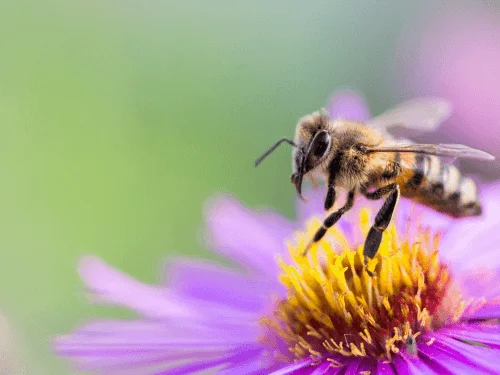
Bees are generally drawn to flowers that are blue, purple, yellow, or white, and that offer easy access to nectar and pollen. Lavender, bee balm, sunflower, and coneflower are some of the most reliable plants that attract bees to a home garden.
Do I need to avoid pesticides in a bee-friendly garden?
Yes, whenever possible. Insecticide and pesticide products can harm adult bees and their larva, even in small amounts. Choosing natural pest control methods helps keep your garden safe for visiting bees.
Can a small home garden still support pollinators?
Absolutely. Even a few containers of zinnias, salvia, or crocus on a balcony can offer pollen and nectar for local bees. Bees will travel between small garden spaces, so every bit of habitat helps.
Do bees need more than just flowers?
Yes. Bees also need nesting sites and water. Ground-nesting bees need patches of bare soil, while a shallow bee bath gives bees a safe spot to drink, especially in hot weather.
Will planting a pollinator garden really help save the bees?
It genuinely can. As natural habitat shrinks, home gardens have become an important food source and shelter for bees, including many native bee species. A well-planned bee garden supports pollination for your own flowers and vegetables while helping the wider bee population.
What is the best USDA zone for growing a bee garden?
There is no single best zone. Most of the plants above grow well across USDA zones 4 through 9, and gardeners in colder or warmer zones can simply choose varieties suited to their climate, or grow warm-season bees favorites like sunflower and zinnia as annuals.
Hypoallergenic Plants Q&A
Do houseplants cause allergies?
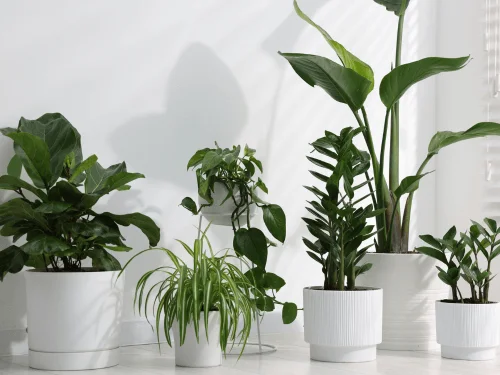
Yes, certain indoor plants can trigger a plant allergy through loose pollen, scented flowers, sap, dust, or damp soil. Allergies and houseplants are highly individual: one person may sneeze near peace lilies while another has no response. Overwatering lets mold produce a spore that may become airborne. If symptoms begin after adding plants in your home, isolate each pot, clean the area, and discuss persistent allergy symptoms with a qualified clinician.
Which plants to avoid?
Plants to avoid include strongly fragrant flowers, visibly dusty specimens, and wind-pollinated garden plants brought inside while shedding. Male palms can release pollen if they flower, and wet potting mix can make allergies worse. The best and worst choices depend on the person, so remove any plant that appears to cause pollen allergy symptoms or contact irritation.
Can indoor plants purify air?
Claims about indoor plants that purify come largely from controlled chambers. Although some air-purifying plants can take up chemicals, ordinary air purifying plants are not fast enough to replace ventilation or air cleaners in a real room. Plants can improve air quality mainly by supporting comfort and encouraging care for the space; they should not be presented as houseplants for clean air that reliably remove formaldehyde. To improve indoor air quality, control sources, ventilate safely, and use proven filtration.
How does the ogren scale work?
The Ogren Plant Allergy Scale system, also called OPALS, rates a plant's potential allergenicity from 1 to 10. It considers pollen, fragrance, and contact reactions, but the likelihood a plant will cause a reaction still depends on the individual and exposure. A high score does not prove a particular plant will cause pollen allergy, and a low score is not a medical guarantee.
Can plants help you breathe?
Allergy-friendly plants may make an indoor space calmer, but they do not treat disease or guarantee allergy relief. For people with allergies, clean leaves, dry saucers, fresh potting mix, and steady air circulation matter more than labels such as hypoallergenic plants. These indoor plants that are allergy-safe can help you breathe easier only by limiting likely triggers; they cannot help you breathe during an asthma attack.
Planting Calendar Q&A
Is an almanac planting calendar exact?
No. It is a useful regional estimate built from historical conditions. Confirm its suggested planting date with your local forecast, soil condition, and microclimate.
When is the best time to plant?
The best time to plant is when the crop's temperature needs match your frost window and the soil is workable. Cool crops can begin earlier; tender warm-season crops wait until frost danger has passed.
Can every vegetable be started indoors?
No. Tomatoes and peppers handle indoor seed starting well, while carrots are usually sown directly in the ground. Follow crop-specific seed packets and avoid disturbing sensitive roots.
What if a late frost is forecast?
Delay transplanting tender crops, move containers inside, or cover established plants overnight. Remove covers after temperatures rise so light and airflow return.
How often should I revise my calendar?
Review it at the start of each growing season and add notes after major sowings and harvests. Records reveal which dates, varieties, and methods work best in your garden.
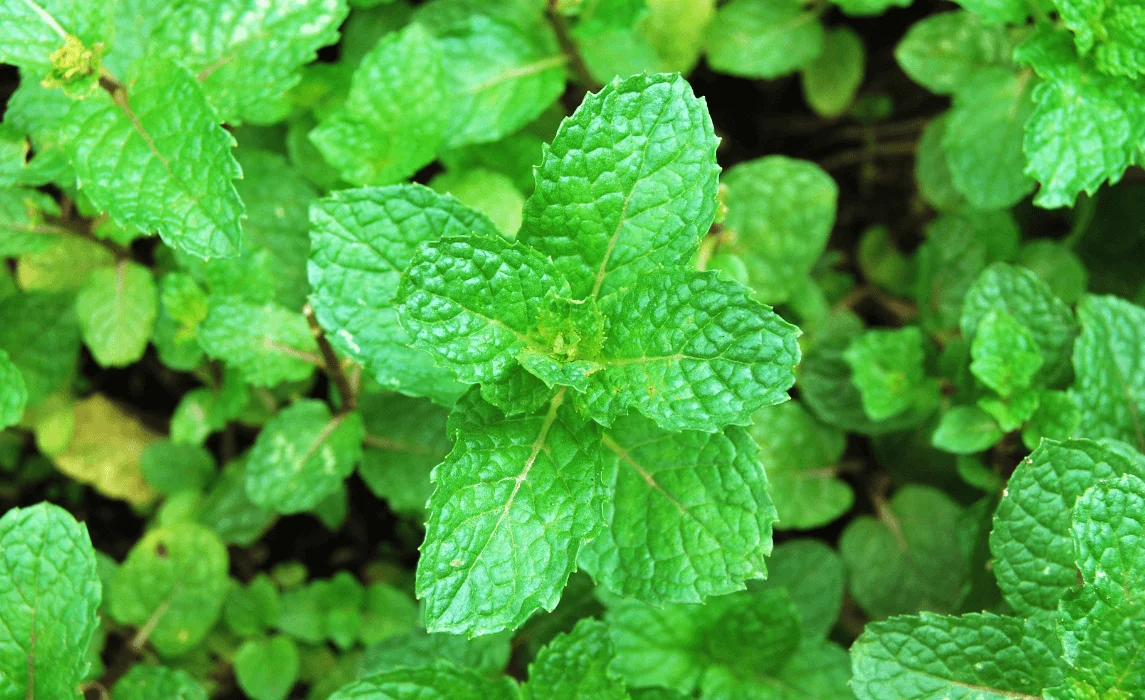
Mint is one of the most versatile and vigorous herbs you can grow, but knowing how to pair it with the right companion plant can make all the difference in creating a truly healthy garden. While mint is loved for its refreshing fragrance, culinary uses, and natural pest-repelling qualities, it can also spread aggressively if not managed properly. That’s why understanding the best companion choices is essential—not only to protect nearby plants, but also to maximize the overall health and productivity of your garden.
When thoughtfully planted alongside compatible vegetables, herbs, and flowers, mint can serve as a powerful companion plant that helps deter common garden pests, attract beneficial insects, and improve growing conditions. At the same time, selecting the wrong companion can lead to overcrowding, nutrient competition, and reduced yields. Strategic planting ensures that mint supports rather than overwhelms its neighbors.
In this article, we will explore how to use mint as a companion plant effectively, identify the best companion choices for a healthy garden, and highlight which plants to avoid. Whether you are growing mint in containers or directly in the ground, this guide will help you design a balanced, productive, and thriving garden space.
10 Mint Companion Plants
1. Cabbage (Brassicas)
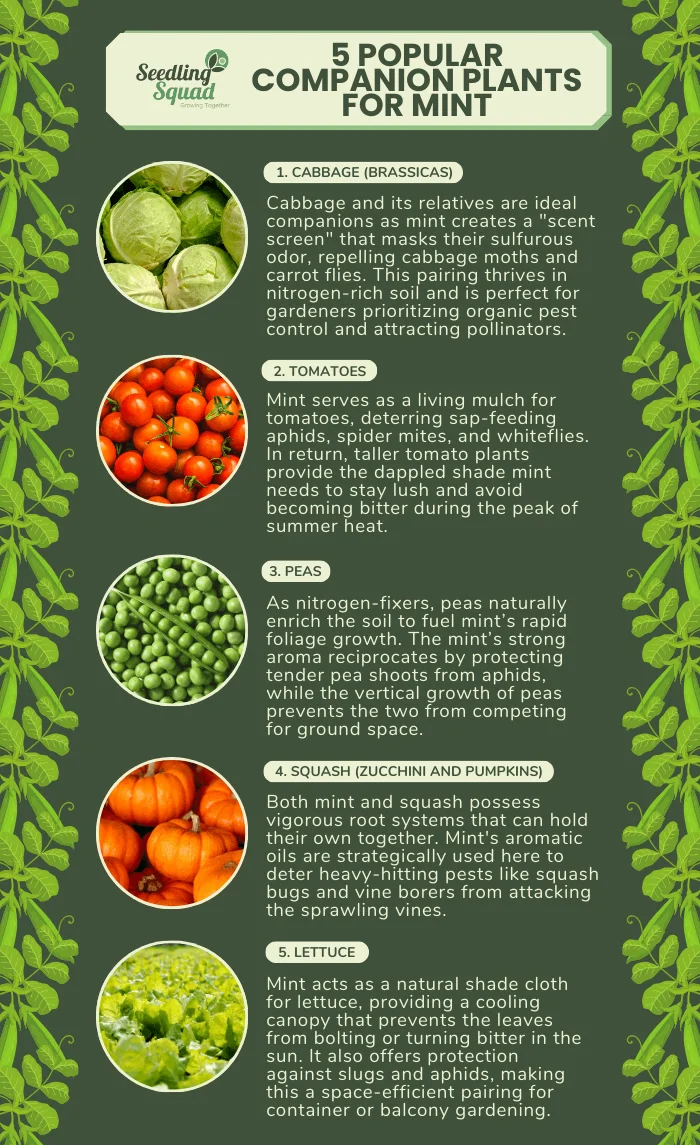
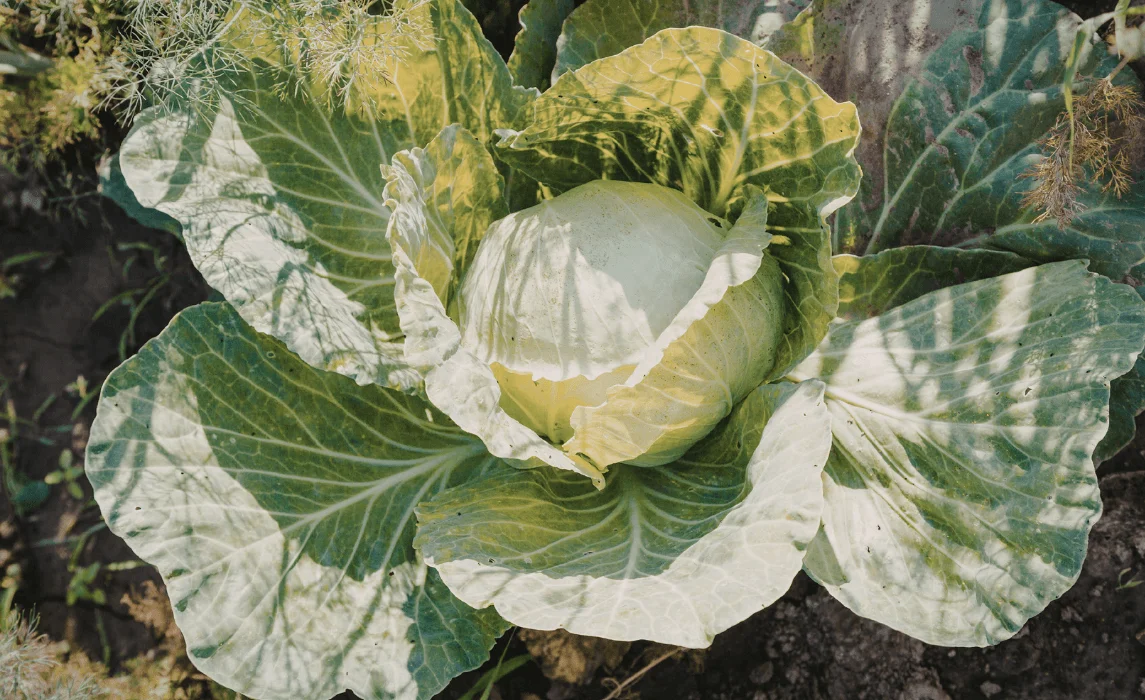
Cabbage, along with its relatives like broccoli and Brussels sprouts, is perhaps the most excellent companion plant pairing for the mint plant. These plants grow large, heavy, waxy leaves that are primary targets for the cabbage moths and carrot flies that seek out the sulfurous scent of brassicas to lay their eggs. The strong scent of mint leaves works to repel these insects by effectively masking the chemical signals of the neighboring plants, creating a "scent screen" that prevents infestation. To grow mint successfully as a companion for mint in this setup, ensure the soil quality is highly fertile and nitrogen-heavy, as cabbage requires significant nutrients to form its dense heads. This pairing is a favorite for the practical vegetable gardener who prioritizes organic pest control and attracting pollinators to the wider garden.
Soil: Rich, loamy, pH 6.0–7.5
Water: 1–1.5 inches per week; keep soil consistently moist
Light: Full sun (at least 6 hours)
Humidity: Moderate (40–50%)
Fertilizer: High nitrogen (compost or blood meal)
Temperature: 45°F–75°F
USDA Zone: 1–10 (Annual)
2. Tomatoes
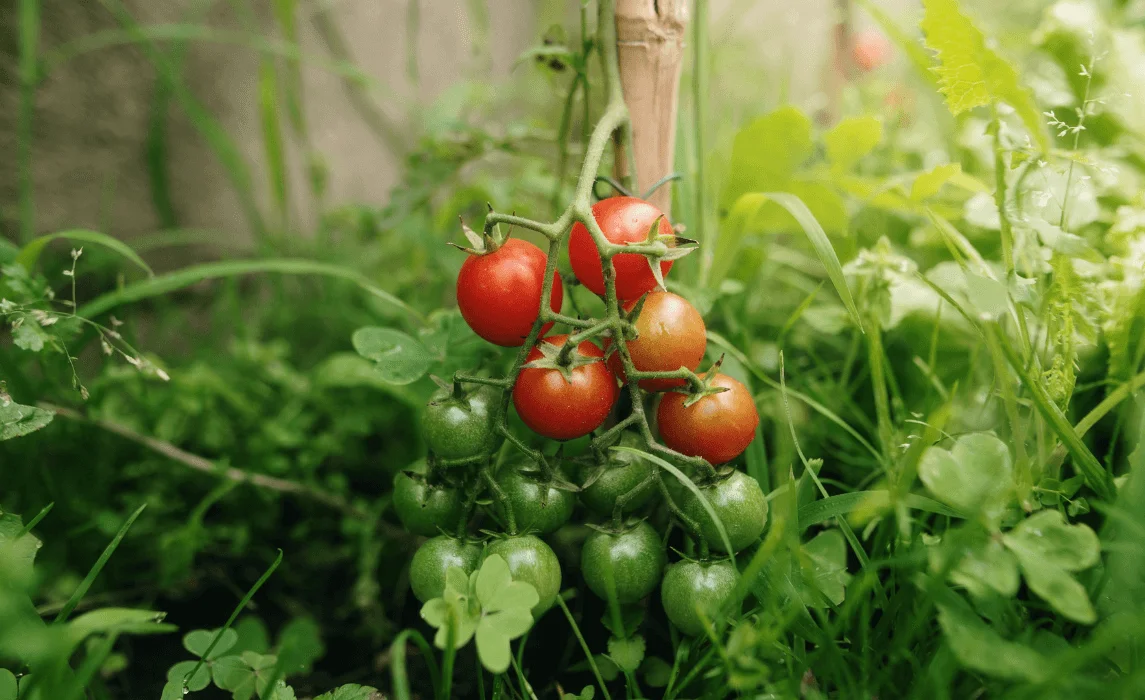
Tomatoes are a good companion because the mint plant acts as a living mulch that helps deter aphids and spider mites which frequently climb tomato stems to feed on the sap. As taller plants, tomatoes provide a dappled shade canopy during the peak of summer, which mint likes to prevent its leaves from scorching or becoming bitter. When you plant with mint, many experienced growers find the aroma of mint also helps repel whiteflies that congregate on the undersides of tomato leaves. To properly choose companion plants like these, provide deep, consistent water at the base of the tomato to prevent blossom end rot while keeping the mint lush. This is a valuable companion setup for the culinary gardener who wants to improve soil quality through high biological activity and enjoy a pest-free harvest.
Water: Deep, consistent watering (2 inches per week)
Light: Full sun (8+ hours)
Humidity: 65–85%
Fertilizer: Balanced early on, high phosphorus during fruiting
Temperature: 65°F–90°F
USDA Zone: 2–11 (Annual)
3. Peas
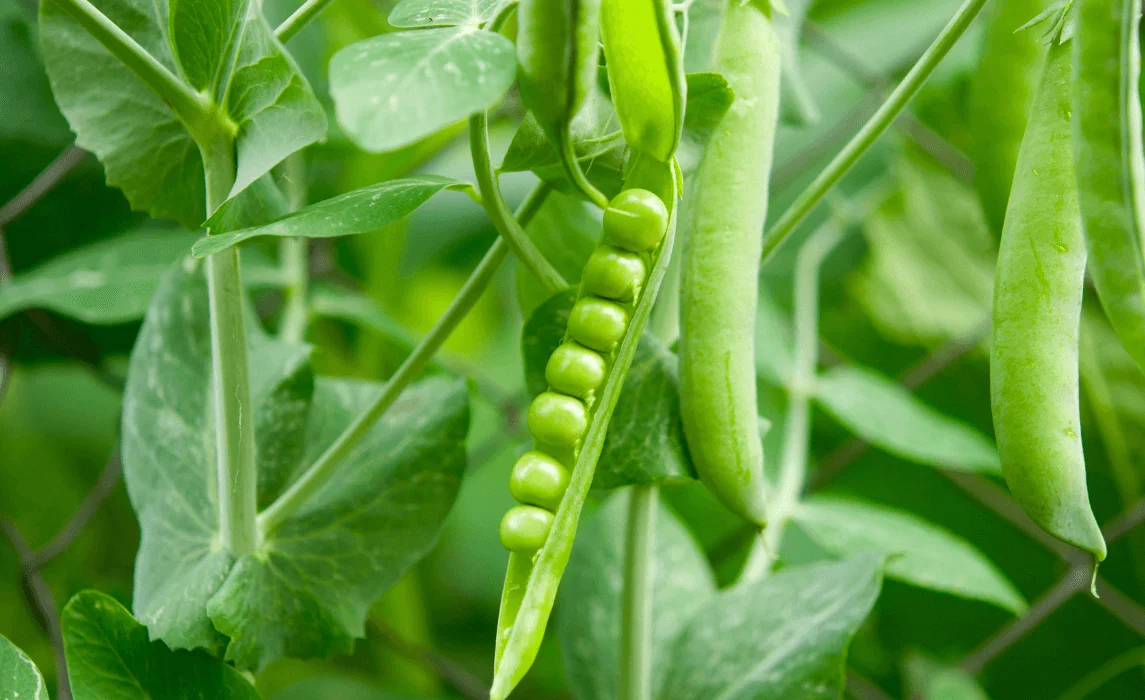
Peas are a great companion because they are nitrogen-fixers that naturally improve soil quality by depositing nitrogen into the earth via their root nodules, which directly fuels the mint plant’s rapid foliage growth. In return, the strong scent of the aromatic mint serves as a deterrent for the pests like aphids that find tender pea shoots irresistible. These plants grow best in the cool dampness of early spring, perfectly matching the initial growing conditions of peppermint. Since peas are climbing plants, it allows each plant to claim its own vertical territory, ensuring that the aggressive root system of the mint doesn't interfere with the pea’s ability to fruit. This pairing is highly recommended for vertical gardeners who want to attract beneficial insects while building long-term soil quality.
Soil: Well-drained, sandy loam, rich in organic matter
Water: Keep soil moist but never waterlogged
Light: Full sun to partial shade
Humidity: Moderate
Fertilizer: Minimal nitrogen; focus on potassium and phosphorus
Temperature: 45°F–70°F
USDA Zone: 2–11 (Annual)
4. Cauliflower
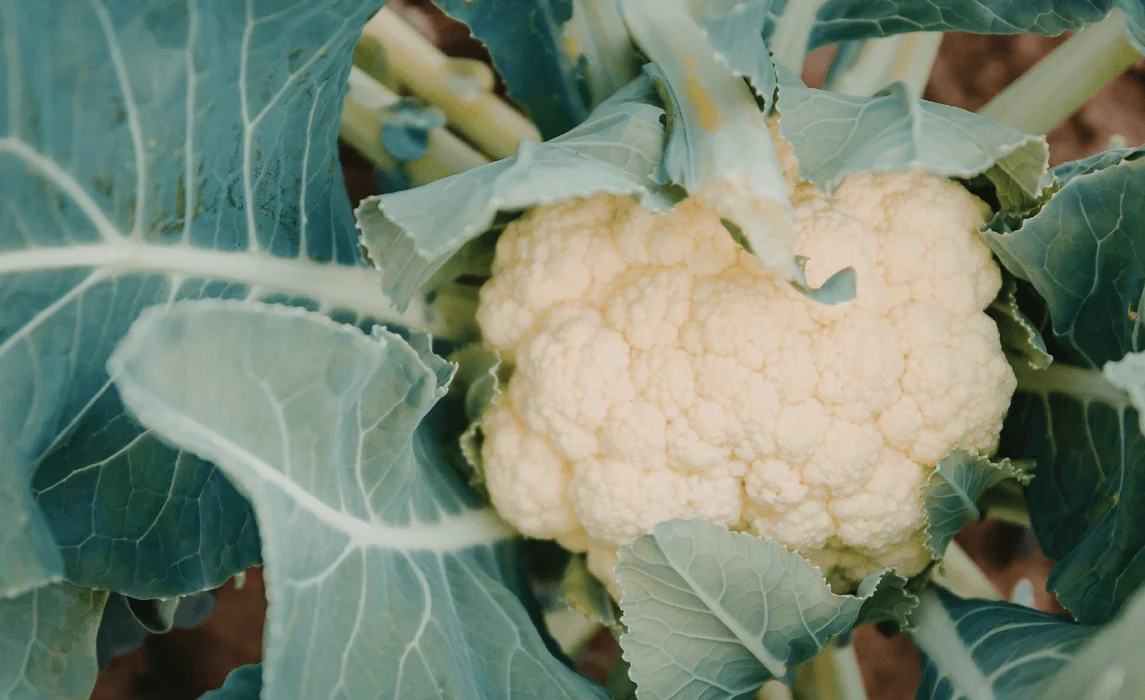
Cauliflower is an excellent companion plant that is notoriously temperamental and sensitive to common garden pests like the diamondback moth and flea beetles. Incorporating mint into your garden near these fussy plants creates a powerful scent of mint barrier that effectively masks the crop and helps deter pests from settling on the delicate white curds. Mint acts as a biological "bodyguard," with its mint foliage providing an aromatic shield that reduces the need for row covers or chemical sprays. To grow mint successfully alongside cauliflower, you must maintain a strict regimen of water and fertilizer, as the cauliflower is a heavy feeder that will struggle if the mint competes too much for nutrients. I recommend this to patient, detail-oriented gardeners who enjoy the technical challenges of mint companion planting.
Soil: Deep, fertile, high in organic matter
Water: Consistently moist; never let the root ball dry out
Learn how companion planting can boost growth and help naturally deter pests in your garden.
5. Eggplant
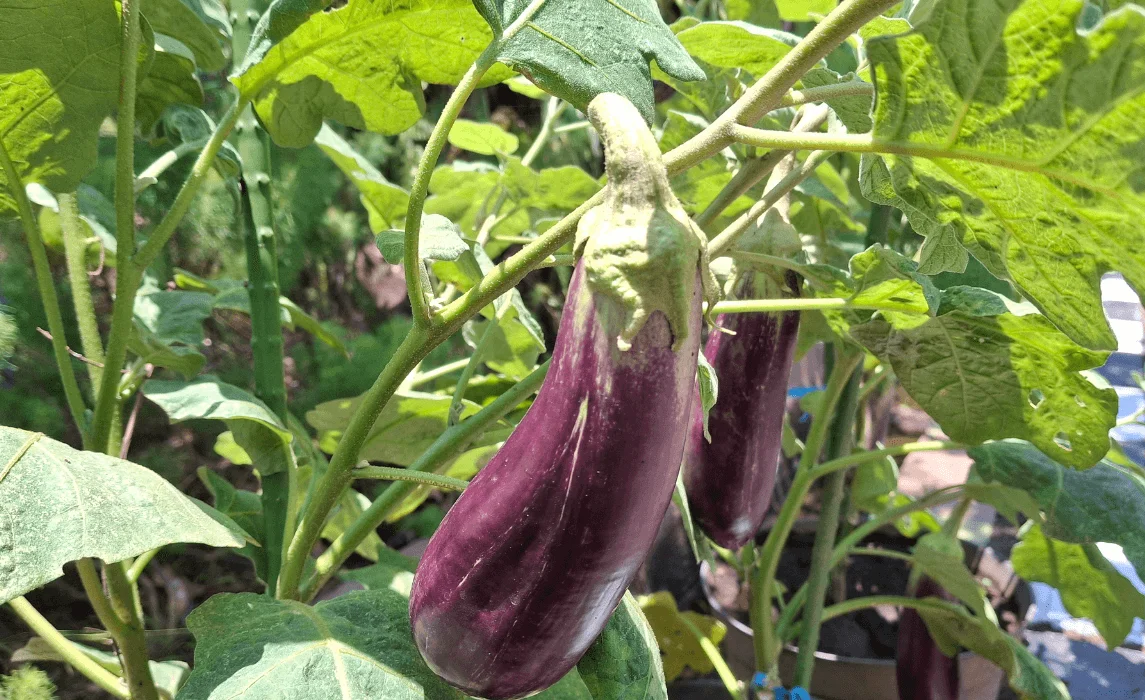
Eggplants are plants like tomatoes that thrive with the pest control and protection provided by peppermint. Their primary nemeses, flea beetles, are common garden pests that find the scent of mint repulsive and will usually avoid nearby plants where mint is established. By planting around the base of the eggplant, the aroma of mint protects the glossy purple or neon-pink fruit from being scarred by insect feeding. Eggplants require very warm growing conditions and a high-potassium diet to support their heavy fruit production and structural integrity. This combination is highly recommended for ornamental-edible gardeners who appreciate the contrast of colorful flowers and striking, velvety foliage in their garden bed.
Soil: Warm, sandy, well-drained
Water: 1–1.5 inches per week
Light: Full sun (8+ hours)
Humidity: Moderate to High
Fertilizer: High-potassium liquid fertilizer
Temperature: 70°F–90°F
USDA Zone: 9–12 (Perennial)
6. Kale
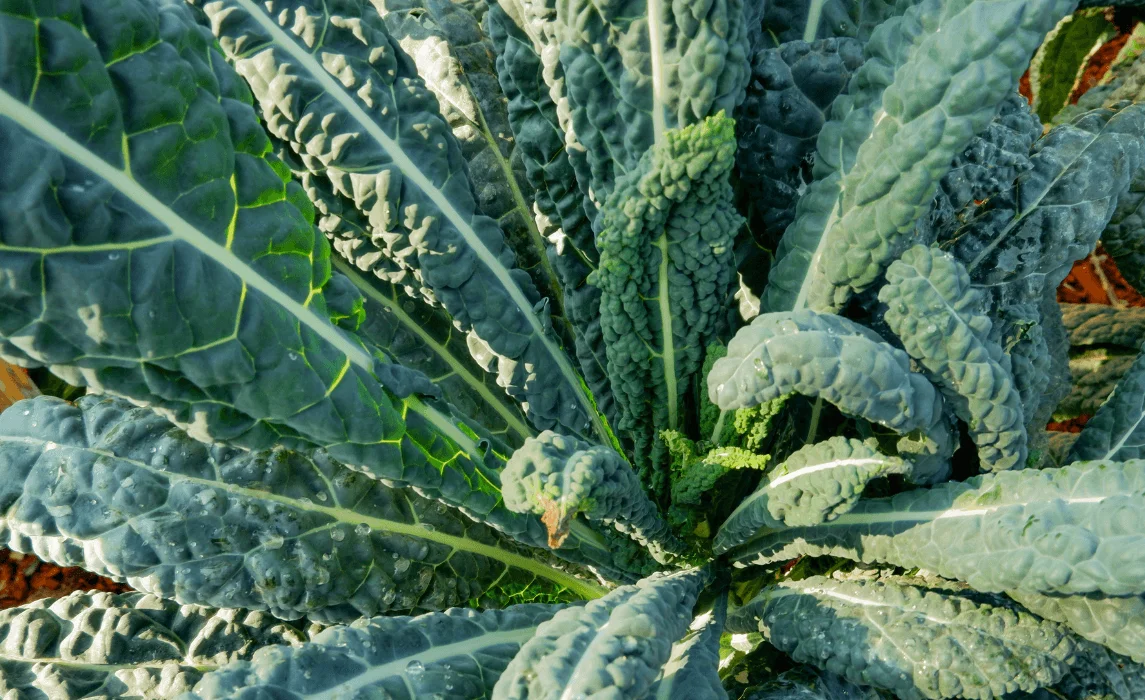
Kale is a rugged "superfood" brassica that is an excellent companion plant for mint, especially during the cooler transitions of spring and fall. The strong scent of mint leaves helps repel the cabbage white butterfly, while the mint plant benefits from the partial shade provided by the taller plants of kale during the peak of summer. Kale is remarkably cold-hardy—often becoming sweeter after a frost—allowing it to thrive even as the mint begins to go dormant for the winter. To choose companion plants like kale, focus on providing nitrogen-rich compost tea to keep the leaves tender and prevent them from becoming woody. This is the top choice for health-conscious gardeners looking for high-yield nutrition while reducing the need for pesticides.
Soil: Loamy, well-drained, high in organic matter
Water: Regular, even moisture
Light: Full sun to partial shade
Humidity: Moderate
Fertilizer: Nitrogen-rich (compost tea)
Temperature: 45°F–75°F
USDA Zone: 7–9 (as perennial)
7. Squash (Zucchini and Pumpkins)
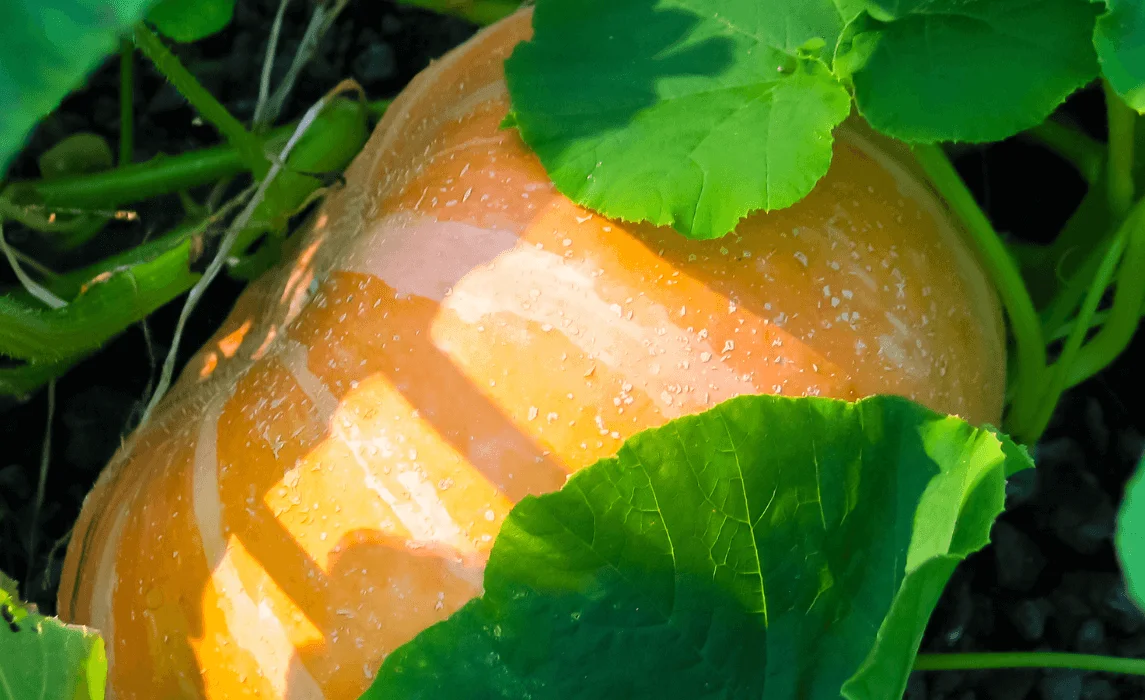
Squash plants are the "giants" of the garden, and they are a valuable companion for mint because they both possess a vigorous and competitive root system. Pests like aphids, squash bugs, and vine borers are highly sensitive to the scent of mint, making mint companion planting a strategic choice to protect these sprawling vines. When you plant around the main stems, the aromatic oils help deter borers from laying eggs near the base of the plant. Squash are heavy drinkers and require taller plants (or ample ground space) to expand their heart-shaped leaves. This is best for large-scale gardeners who have a large garden bed where both species can roam freely without crowding out smaller herbs.
Soil: Rich, well-drained, heavily composted
Water: Deep, frequent watering (at least 1 inch weekly)
Light: Full sun
Humidity: Moderate
Fertilizer: Heavy feeder; use compost or manure
Temperature: 70°F–90°F
USDA Zone: 3–10 (Annual)
8. Radishes
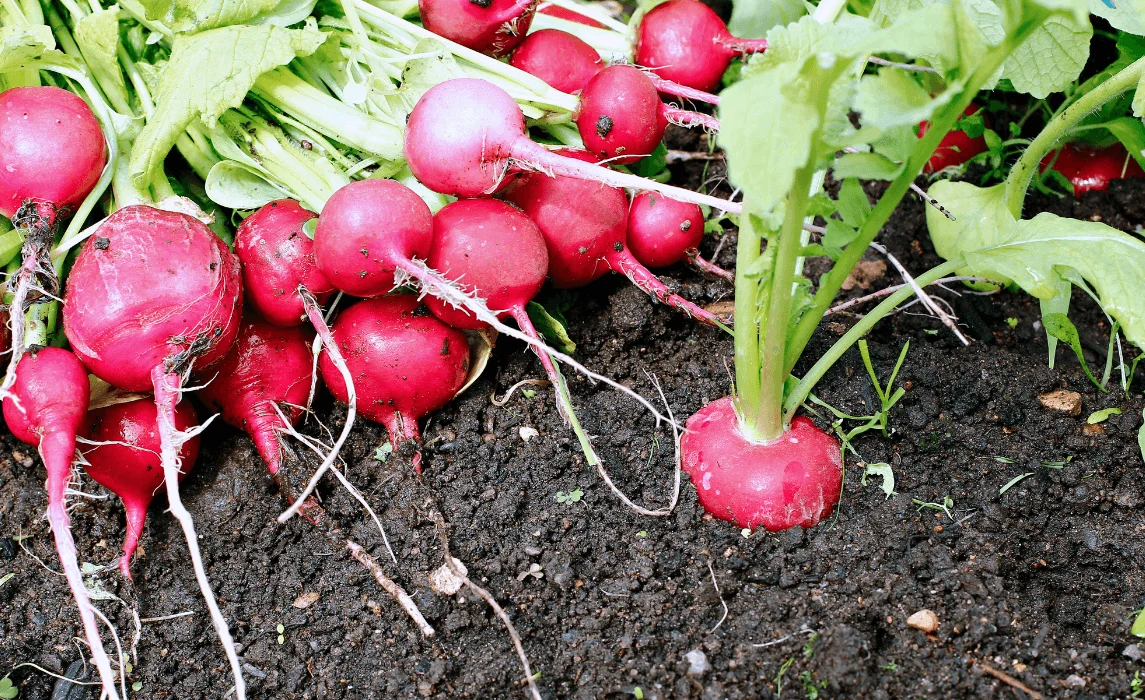
Radishes are the "fast-track" crop of the garden, and they are a good companion because they mature and are harvested long before the mint plant can fully colonize the surrounding soil. Mint attracts beneficial insects like hoverflies that protect the radish tops from flea beetles and aphids. Since radishes are root vegetables, they are best to plant in the loose, sandy soil at the margins of a mint plant container or the edges of a raised bed. They require frequent light water to keep the soil cool and prevent the roots from becoming excessively spicy or woody. This is ideal for beginner gardeners looking for an excellent companion plant that offers nearly instant gratification.
Soil: Loose, sandy, stone-free
Water: Frequent, light watering to keep soil cool
Light: Full sun to partial shade
Humidity: Low to Moderate
Fertilizer: Minimal; avoid excess nitrogen
Temperature: 50°F–65°F
USDA Zone: 2–10 (Annual)
9. Lettuce
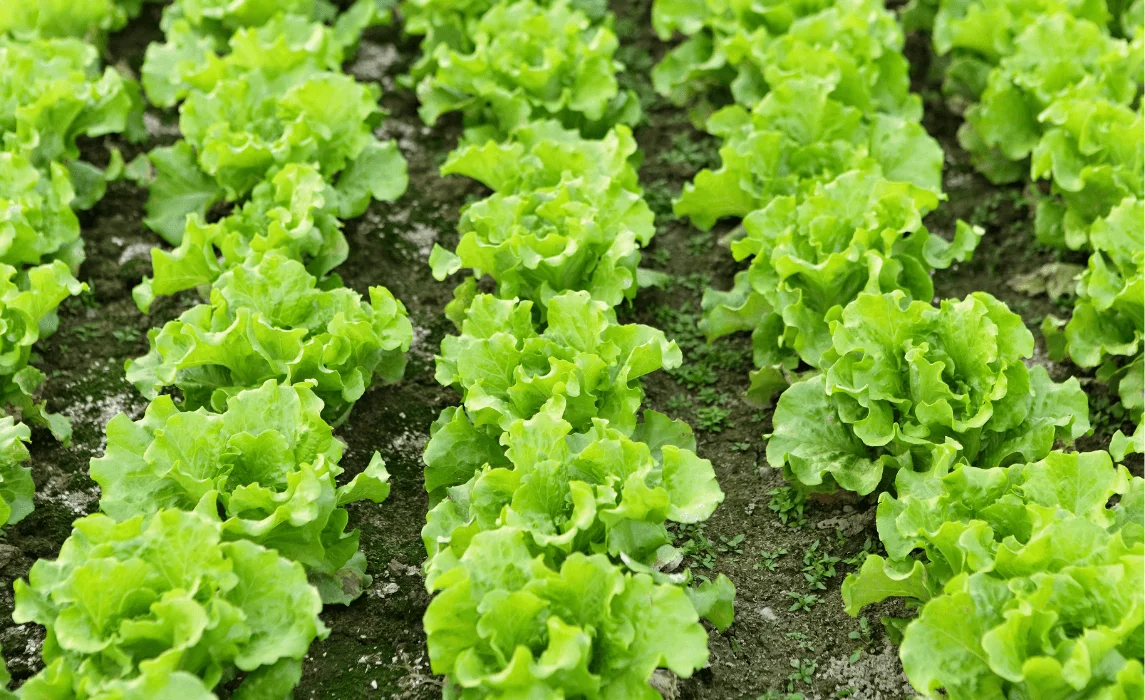
Lettuce is a great companion because mint acts as a natural shade-cloth, providing a "cooling canopy" that helps these neighboring plants avoid bolting and turning bitter in the high sun. The mint plant also helps deter slugs and aphids and spider mites which find the succulent, water-dense lettuce leaves irresistible. Lettuce requires very loose, moisture-retentive soil and thrives in growing conditions that are kept consistently damp. This valuable companion pairing is especially effective for urban or balcony gardeners who are planting in pots and need to maximize every square inch of space.
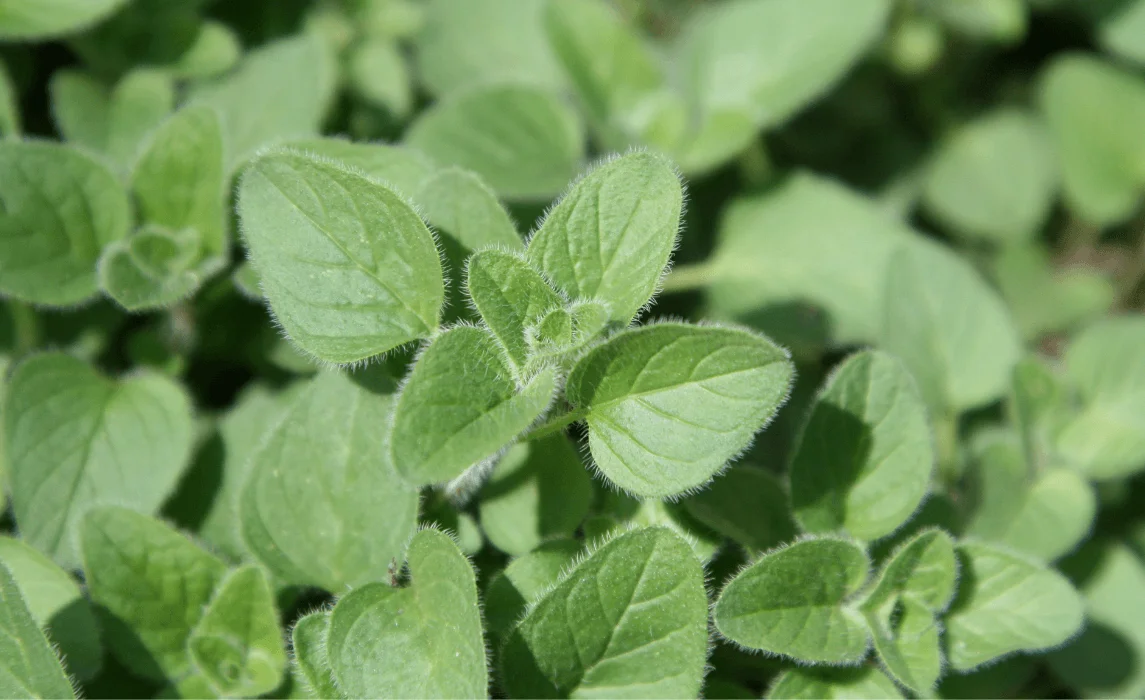
Oregano is a fellow herb and an excellent companion plant because it shares the mint's rugged survival instincts and rapid-spreading nature. Together, these herbs like to form a dense, aromatic shield that helps deter pests like beetles and moths while attracting beneficial insects and bees with their colorful flowers. While mint needs more consistent water, oregano is significantly more drought-tolerant, so it is best to plant them in a manner that allows each plant to claim its own moisture zone within the garden. This is the perfect match for the low-maintenance herb gardener looking to create a self-sustaining, fragrant corner of the yard.
Soil: Sandy, well-drained, lean
Water: Drought-tolerant; water only when dry
Light: Full sun
Humidity: Low
Fertilizer: Not needed; excess fertilizer reduces oil concentration
Learn how to grow fresh peppermint and other mint varieties indoors all year long with easy, practical tips.
Plants to Avoid Planting with Mint
When choosing the right companions, there are some plants to avoid to prevent your garden from becoming a battlefield. First, never plant Mint near Chamomile, as the mint's aggressive, searching root system will quickly entwine and choke out the delicate chamomile. Second, avoid Lemon Balm; since they belong to the same family and share a similar "runner" habit, they will compete fiercely for the same soil nutrients and water. Finally, be cautious with Rosemary and Chives; while they can be companions in spirit, their growing conditions are polar opposites. Rosemary prefers bone-dry, sandy soil while mint needs constant moisture. To avoid a conflict, it is best to plant these herbs like rosemary in a separate plant mint container nearby to prevent one from drowning or the other from desiccating.
Frequently Asked Questions:
Q: Why is companion planting helps with pest control?
A: Companion planting helps by utilizing the strong scent and diffusive aroma of mint to deter or repel common garden pests like carrot flies, cabbage moths, and ants, which rely on their sense of smell to find host plants.
Q: Is it best to plant mint in a pot or a garden bed?
A: Due to its highly invasive root system, it is almost always best to plant mint in a container. You can plant it in a pot with the bottom removed and then sink that pot into your garden bed; this keeps the runners contained while still allowing the plant to benefit another plant nearby.
Q: What growing conditions does a mint plant prefer?
A: Mint likes moist, fertile, loamy soil and a location with partial shade to full sun. It is a remarkably resilient herb that will thrive as long as its water needs are met.
Related posts
Here are some articles you might be interested in.