Flower Bed Ideas: Transforming Your Garden into a Blooming Paradise
Published on
January 16, 2025
Author
Ryan Johnson
Ryan Johnson relocated to his grandfather's old farm when he was 22 years old where he discovered the joys of farming and gardening. With his cool demeanor and strong-willed passion for the agrarian lifestyle, he now shares his know-how to aspiring gardeners.
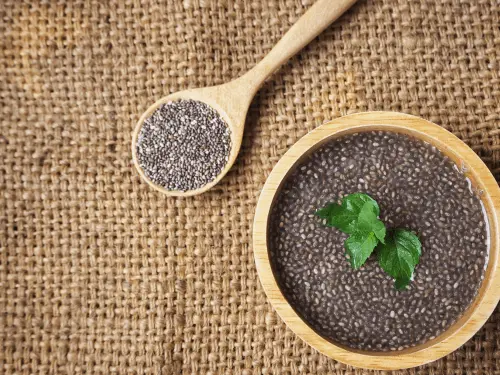
Growing Chia Plants Q&A
Can I grow chia from the chia seeds I buy at the store?
Yes. Organic chia seeds from the grocery store will often germinate, though germination can vary. Fresh seed from a garden supplier is more reliable.
How long does it take to grow chia?
Seeds sprout in about a week. The plant needs 100 to 150 days to mature before you can harvest the seeds.
Is chia a California native plant?
Salvia hispanica is native to central Mexico and Guatemala. However, Salvia columbariae, sometimes called California chia, is a California native plant.
Can I grow chia indoors?
You can grow chia sprouts and microgreens indoors easily. A full-size chia plant needs strong light and rarely sets a good seed crop indoors.
Why won't my chia flower?
Chia flowers when days get shorter. Plants in cooler regions or those lit at night may bloom late or not at all.
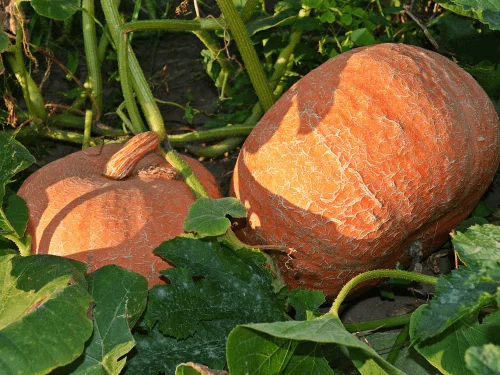
How to Grow Pumpkins Q&A
Can I grow pumpkins in a small home garden?
Yes. Choose bush or miniature varieties, grow vines on a trellis, or use raised beds. Plan on one or two plants per hill and prune vines when space is tight.
When should I plant pumpkins for Halloween?
Plant seeds in late May or early June in most climates. Count back from your first frost date and allow for 90 to 120 days of growth.
Why does my pumpkin plant have flowers but no fruit?
Male flowers appear first, so early flowers will not set fruit. If female flowers open but fail to fruit, you probably have too few bees. Pollinate by hand in the morning.
What causes pumpkin leaves to turn white?
This is usually powdery mildew. Improve airflow, water at the base, remove infected leaves, and apply a fungicide or neem oil.
Can I eat the pumpkin I grew for carving?
Yes, though carving types are stringy and bland. Pie pumpkins are sweeter, but the seeds from any pumpkin can be roasted.
Growing Grapevines Q&A
How long does it take for a grape plant to produce fruit?
Most young vines need two to three years after planting before they set a full crop, though a few clusters may appear in year two. Patience pays off — established vines can keep producing for 40 years or more.
Do I need more than one vine to grow grapes?
No. Since most grape varieties are self-fertile, one plant is enough to produce fruit on its own. Planting a second variety nearby is optional and mainly helps with cross-pollination in a few less common types.
Can grape vines grow in containers?
Yes, though grape vines grow best planted directly in the ground, where the root system has room to spread. A large container works for a year or two, but expect to transplant once the vine outgrows the pot.
Why aren't my grapes ripening?
Grapes ripen slowly compared to many fruits, and cool weather, too much shade, or overcrowded canes can all delay the process. Give the vine full sun, thin the clusters, and be patient through the growing season.
What's the difference between table grapes and wine grapes?
Table grapes are bred for fresh eating, with thinner skins and fewer seeds, while wine grapes tend to have thicker skins, more seeds, and higher sugar content suited to fermentation.
Are grape vines toxic to pets?
Grapes and grape leaves are not toxic to people, but grapes and raisins are toxic to dogs and can cause kidney damage, so keep fallen fruit cleaned up if pets have access to the vineyard.
This disclosure clearly states that the content creator may earn a commission if readers make a purchase through the provided links. Learn More
Creating a beautiful flower bed is like crafting a masterpiece in your outdoor space. Whether you're a seasoned gardener or just starting out, flower beds serve as the canvas for boundless creativity. In this comprehensive guide, we will delve into various concepts for flower beds, encompassing rose garden ideas and diverse flower bed layouts. Regardless of your gardening expertise, join me as we cultivate a striking garden that complements your home perfectly.
Garden Bed Planning
Before diving into the exciting world of flower bed design, it's essential to start with a solid plan. Here's a step-by-step guide to help you get started:
1. Assess Your Space:
Before creating a flower bed, it's important to thoroughly assess the area where you intend to establish it. Take into account the amount of sunlight the area receives throughout the day, especially if you’re looking to create a flower bed that thrives in full sun. This will influence the types of plants that will thrive there. Additionally, evaluate the soil quality to determine its composition and fertility. You can perform a simple soil test or consult local gardening resources to understand the soil's pH level and nutrient content, especially if you're planning to create a low-maintenance flower bed with native plants that are well-suited to your area. Furthermore, consider the drainage in the area to ensure that excess water will not accumulate, potentially causing harm to the plants. Understanding these factors will enable you to select the most suitable plants for your garden bed, whether you're planning to create a raised garden bed, a rock garden, or a lush flower bed around the base of a tree.
2. Set Your Goals:
Clear objectives are essential in determining the purpose of your flower bed. Consider whether you want to attract pollinators, create a vibrant and colorful display using many different types of flowers, or establish a low-maintenance garden featuring native plants. Each goal will influence your plant selection and design choices, especially if you're looking to create the perfect flower bed as a focal point in your outdoor space or as a beautiful addition to your backyard landscaping.
3. Choose a Style:
Deliberate on the overall style or theme you wish to achieve with your flower bed. Whether you envision a formal, cottage-style, or modern garden, having a clear vision will guide your design decisions, especially if you're looking to create a beautiful flower bed with a specific style or theme, such as a round flower bed, a raised flower bed, or a flower bed border featuring perennials and shrubs. Research various garden styles to gain inspiration and insights into the elements that define each style, especially if you're looking to incorporate rocks into your garden bed design or create a lush garden bed with eye-catching features.
4. Create a Budget:
Establishing a budget for your flower bed project is crucial, especially if you're planning to fill your garden bed with a variety of plants, including types of flowers, perennials, and shrubs. Consider the costs of plants, materials such as soil, mulch, and landscaping fabric, as well as any professional assistance you may require. Research the average prices of plants and materials to create a realistic budget that aligns with your financial resources, especially if you're considering incorporating raised flower beds or wooden raised beds into your landscape design.
5. Research and Gather Inspiration:
Explore a wide range of resources to gather inspiration for your flower bed, especially if you're looking for beautiful flower bed ideas to enhance your outdoor space. Look into gardening books, magazines, online resources, and local gardens to collect images and ideas that resonate with you, especially if you're considering different plants for a low-maintenance flower bed or a perennial bed. Consider the color schemes, plant combinations, and design elements that appeal to you, especially if you're aiming to create a flower bed as a focal point in your yard or as a stunning addition to your home landscaping.
6. Draw a Plan:
Once you have gathered inspiration and have a clear understanding of your space and goals, it's time to sketch out a rough design for your flower bed, especially if you're considering a round flower bed, a raised flower bed, or a flower bed border featuring perennials and shrubs. Consider the layout of the area, the placement of different plants, and potential focal points such as a centerpiece or pathway. Your plan should also account for the mature size of the plants to ensure proper spacing and visual balance, especially if you're planning to create a low-maintenance flower bed with native plants that are well-suited to your area. This visual guide will serve as a roadmap as you bring your garden bed to life, especially if you're looking to create a beautiful flower bed as a standout feature in your yard.
Garden Bed Tips and Ideas
Now that you've laid the groundwork for your flower bed, let's delve into a range of tips to help you bring your vision to reality. Here are 25 essential tips for creating a stunning garden bed:
1. Color Harmony:
Creating a cohesive color scheme in your flower bed involves strategically combining flowers with complementary hues to achieve a visually stunning effect. You can create a vibrant and unique complementary color scheme by combining flowers with colors that are opposite each other on the color wheel, such as blue and orange, yellow and purple, or red and green. This can create a visually striking and harmonious display of colors that enhances the overall aesthetic of the flower bed.
2. Layered Planting:
To create a dynamic and visually appealing flower bed, arrange plants in layers according to their height. Place taller varieties at the back of the bed and gradually decrease the height towards the front. This layering technique adds depth and dimension to the flower bed, ensuring that all plants are visible and contribute to the overall aesthetic. It also allows for a more balanced and harmonious arrangement of plants, creating an engaging and visually dynamic look.
3. Seasonal Rotation:
Planning your flower bed to showcase different flowers in each season ensures year-round vibrancy and changing visual appeal. By selecting a variety of plants that bloom at different times of the year, you can maintain a colorful and diverse display throughout the seasons. This approach also allows you to enjoy the evolving beauty of your flower bed as different flowers come into bloom, providing ongoing visual interest and a connection to the natural cycle of growth and change.
4. Textured Foliage:
Mixing flowers with varied leaf textures adds depth and interest to the flower bed, even when the flowers aren't in bloom. Incorporating plants with diverse foliage, such as broad leaves, fine foliage, or variegated patterns, creates visual contrast and tactile interest. This can enhance the overall visual appeal of the flower bed and contribute to a more dynamic and engaging garden space.
5. Edging with Stones:
Using decorative stones or bricks to create a well-defined edge for the flower bed enhances its structure and appearance. A defined edge provides a clean and polished look to the flower bed, while also helping to contain the soil and delineate the boundaries of the planting area. Additionally, the use of decorative edging materials can complement the overall design of the garden and contribute to a more visually appealing landscape.
6. Butterfly and Bee-Friendly Plants:
Including plants that attract pollinators not only contributes to the ecosystem but also adds movement and life to your flower bed. Selecting flowers that are known for attracting butterflies, bees, and other pollinators can create a vibrant and dynamic garden environment. These plants not only enhance the visual appeal of the flower bed but also play a vital role in supporting local pollinator populations and promoting biodiversity.
7. Vertical Gardening:
Incorporating vertical elements like trellises or arches for climbing plants adds a new dimension to your flower bed. Vertical gardening allows you to maximize space, create visual interest at different heights, and introduce a sense of verticality to your garden design. It also provides opportunities for creative and artistic plant arrangements, enhancing the overall aesthetic and functionality of the flower bed.
8. Aromatic Plants:
Choosing flowers with delightful scents adds a sensory experience to your garden. Aromatic plants can create an inviting and immersive garden environment, engaging not only the visual senses but also the sense of smell. The inclusion of fragrant flowers can contribute to a multi-sensory experience, enhancing the overall enjoyment and appeal of the flower bed.
9. Rain Garden Design:
Designing the flower bed to capture and manage rainwater runoff promotes sustainable gardening practices. By incorporating elements such as swales, rain gardens, or permeable surfaces, you can help mitigate stormwater runoff, reduce erosion, and support the natural water cycle. This approach contributes to environmental sustainability and can enhance the resilience and health of your garden ecosystem.
10. Theme Gardens:
Creating themed flower beds, such as a cottage garden, wildflower meadow, or a butterfly garden, allows for a unique and cohesive look. Themed gardens provide an opportunity to express creativity, personal preferences, and specific design aesthetics. By selecting plants and design elements that align with a particular theme, you can create a unified and captivating garden space with a distinct visual identity.
11. Artistic Planting Patterns:
Arranging flowers in geometric or artistic patterns can transform your flower bed into a living work of art. Strategic planting patterns, such as spirals, waves, or intricate designs, add an artistic and sculptural quality to the garden. This creative approach to planting can elevate the visual impact of the flower bed and create a captivating focal point within the garden landscape.
12. Focal Point Planting:
Choosing a standout plant as the focal point, surrounded by complementary blooms, draws attention and creates visual interest. A focal point plant serves as a central feature that anchors the design of the flower bed and captures the viewer's attention. By selecting a visually striking or unique specimen plant and complementing it with surrounding flowers, you can create a captivating and harmonious focal area within the garden.
13. Drought-Tolerant Plants:
Opting for plants that require minimal watering promotes sustainability and ease of maintenance. Drought-tolerant plants are well-adapted to arid conditions and require less water, making them a practical and environmentally conscious choice for gardeners. By incorporating these plants into your flower bed, you can conserve water resources, reduce maintenance demands, and create a resilient and sustainable garden environment.
14. Seasonal Bulbs:
Integrating bulbs that bloom at different times of the year ensures a continuous display of flowers. By selecting a variety of bulbs with staggered blooming periods, you can create a succession of floral displays throughout the seasons. This approach allows for ongoing visual interest and ensures that your flower bed remains vibrant and colorful, even as different plants go in and out of bloom.
15. Contrasting Colors:
Experimenting with contrasting colors to make certain flowers pop and create a vibrant, eye-catching display adds visual impact to the flower bed. By strategically juxtaposing colors that are opposite each other on the color wheel, such as red and green or yellow and purple, you can create a bold and dynamic visual composition. Contrasting colors can draw attention to specific plants and create a lively and engaging garden display.
16. DIY Flower Bed Borders:
Crafting unique borders using recycled materials or artistic DIY projects adds a personal touch to the garden. Customized borders can reflect your individual style and creativity, adding a distinctive and personalized element to the flower bed. By repurposing materials and engaging in creative DIY projects, you can enhance the character and charm of the garden while contributing to sustainable and environmentally friendly practices.
17. Symmetry and Balance:
Achieving a sense of order and balance by mirroring plant placements on either side of the flower bed creates a harmonious and visually pleasing arrangement. Symmetry in garden design can create a sense of stability and elegance, while balanced plantings contribute to a cohesive and well-organized aesthetic. By carefully considering the placement of plants and maintaining symmetry within the flower bed, you can create a visually appealing and structured garden space.
18. Rock Garden Elements:
Integrating rocks or boulders strategically enhances the natural feel of the flower bed and provides additional visual interest. Rocks can be used to create focal points, define planting areas, or add texture and dimension to the garden landscape. When thoughtfully incorporated, rock garden elements contribute to a sense of natural beauty and can evoke a tranquil and serene atmosphere within the garden space.
19. Night-Blooming Flowers:
Including flowers that bloom at night, such as moonflowers or evening primrose, creates a magical atmosphere after sunset. Night-blooming flowers add an enchanting and ethereal quality to the garden, transforming the outdoor space into a captivating and sensory experience after dark. These plants can contribute to a unique and immersive garden environment, enhancing the overall ambiance and allure of the flower bed.
20. Herb and Flower Combos:
Combining flowering plants with herbs for a dual-purpose and visually appealing garden creates a multifunctional and aesthetically pleasing landscape. Integrating herbs alongside flowering plants not only adds diversity and interest to the garden but also provides practical benefits, such as culinary use, fragrance, and attracting beneficial insects. This approach can create a dynamic and harmonious garden space that serves both ornamental and functional purposes.
21. Seasonal Art Installations:
Changing or adding temporary art installations, such as garden sculptures or decorative stakes, keeps the flower bed dynamic and visually engaging. Seasonal art installations provide opportunities for creative expression and can be used to reflect seasonal themes, celebrations, or personal interests. By incorporating temporary art pieces, you can introduce variety and visual interest to the garden, ensuring that the flower bed remains dynamic and captivating throughout the year.
22. Solar-Powered Lighting
Illuminating the flower bed with solar-powered lights creates an enchanting effect during the evening hours, extending the visual appeal of the garden into the night. Solar-powered lighting not only enhances the safety and functionality of the outdoor space but also adds a magical and atmospheric quality to the garden. By strategically placing solar lights, you can create a captivating and inviting nighttime garden experience, showcasing the beauty of the flower bed under the evening sky.
By incorporating these detailed elements into your flower bed design, you can create a captivating, sustainable, and visually stunning garden space that offers year-round beauty and engagement.
Frequently Asked Questions and Answers:
Q: What are the benefits of using raised flower beds in a garden?
A: Raised flower beds provide better drainage, soil aeration, and easier accessibility for planting and maintenance, making them a great option for growing a variety of plants in your garden.
Q: How do I prevent weeds from taking over my flower bed?
A: To prevent weeds, start by laying down a weed barrier such as landscape fabric before planting. Regularly mulch your flower bed to suppress weed growth and manually remove any emerging weeds to keep them in check.
Q: How often should I water my flower bed?
A: The frequency of watering your flower bed depends on factors such as plant species, soil type, and weather conditions. Generally, it's best to water deeply and less frequently, allowing the soil to dry out slightly between watering to encourage healthy root growth.