Bringing Plants Indoors: How to Successfully Bring Your Outdoor Plants Inside and Create a Thriving Houseplant Environment
Published on
April 3, 2025
Author
Ryan Johnson
Ryan Johnson relocated to his grandfather's old farm when he was 22 years old where he discovered the joys of farming and gardening. With his cool demeanor and strong-willed passion for the agrarian lifestyle, he now shares his know-how to aspiring gardeners.
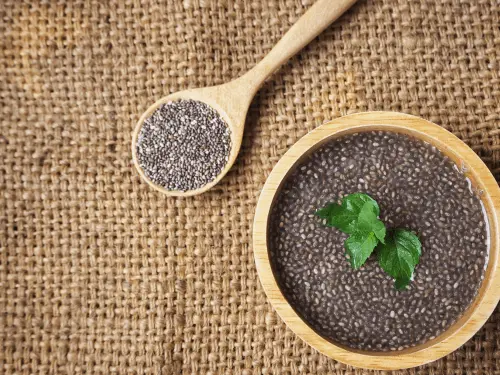
Growing Chia Plants Q&A
Can I grow chia from the chia seeds I buy at the store?
Yes. Organic chia seeds from the grocery store will often germinate, though germination can vary. Fresh seed from a garden supplier is more reliable.
How long does it take to grow chia?
Seeds sprout in about a week. The plant needs 100 to 150 days to mature before you can harvest the seeds.
Is chia a California native plant?
Salvia hispanica is native to central Mexico and Guatemala. However, Salvia columbariae, sometimes called California chia, is a California native plant.
Can I grow chia indoors?
You can grow chia sprouts and microgreens indoors easily. A full-size chia plant needs strong light and rarely sets a good seed crop indoors.
Why won't my chia flower?
Chia flowers when days get shorter. Plants in cooler regions or those lit at night may bloom late or not at all.
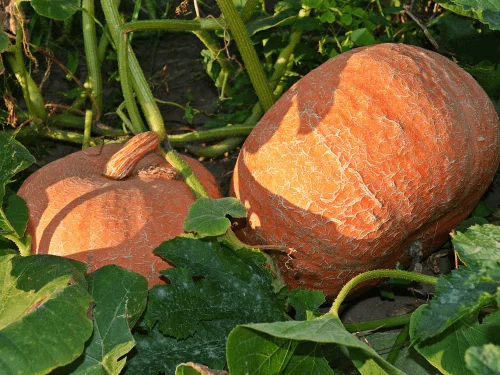
How to Grow Pumpkins Q&A
Can I grow pumpkins in a small home garden?
Yes. Choose bush or miniature varieties, grow vines on a trellis, or use raised beds. Plan on one or two plants per hill and prune vines when space is tight.
When should I plant pumpkins for Halloween?
Plant seeds in late May or early June in most climates. Count back from your first frost date and allow for 90 to 120 days of growth.
Why does my pumpkin plant have flowers but no fruit?
Male flowers appear first, so early flowers will not set fruit. If female flowers open but fail to fruit, you probably have too few bees. Pollinate by hand in the morning.
What causes pumpkin leaves to turn white?
This is usually powdery mildew. Improve airflow, water at the base, remove infected leaves, and apply a fungicide or neem oil.
Can I eat the pumpkin I grew for carving?
Yes, though carving types are stringy and bland. Pie pumpkins are sweeter, but the seeds from any pumpkin can be roasted.
Growing Grapevines Q&A
How long does it take for a grape plant to produce fruit?
Most young vines need two to three years after planting before they set a full crop, though a few clusters may appear in year two. Patience pays off — established vines can keep producing for 40 years or more.
Do I need more than one vine to grow grapes?
No. Since most grape varieties are self-fertile, one plant is enough to produce fruit on its own. Planting a second variety nearby is optional and mainly helps with cross-pollination in a few less common types.
Can grape vines grow in containers?
Yes, though grape vines grow best planted directly in the ground, where the root system has room to spread. A large container works for a year or two, but expect to transplant once the vine outgrows the pot.
Why aren't my grapes ripening?
Grapes ripen slowly compared to many fruits, and cool weather, too much shade, or overcrowded canes can all delay the process. Give the vine full sun, thin the clusters, and be patient through the growing season.
What's the difference between table grapes and wine grapes?
Table grapes are bred for fresh eating, with thinner skins and fewer seeds, while wine grapes tend to have thicker skins, more seeds, and higher sugar content suited to fermentation.
Are grape vines toxic to pets?
Grapes and grape leaves are not toxic to people, but grapes and raisins are toxic to dogs and can cause kidney damage, so keep fallen fruit cleaned up if pets have access to the vineyard.
This disclosure clearly states that the content creator may earn a commission if readers make a purchase through the provided links. Learn more
Bringing plants indoors when the cold months approach is essential to protect your beloved greenery from the harsh winter weather. Whether you're dealing with tender tropical plants or hardy outdoor species, knowing when and how to bring plants inside for the winter can make all the difference in their survival. In this guide, we’ll walk you through everything you need to know about transitioning your plants indoors, from preparing them for the move to managing pests and acclimating them to indoor conditions.
Why You Should Bring Plants Indoors for Winter
As winter approaches, outdoor plants face cold temperatures, frost, and harsh conditions that can be detrimental to their health. For tropical and tender plants that thrive in warm climates, staying outside during the winter months can result in severe damage or even death. To preserve the beauty and health of your plants, it’s essential to bring them inside for the winter.
Indoor environments provide more stable temperatures and protection from frost, making them ideal for overwintering tender plants. Additionally, indoor spaces offer the chance to maintain a mini garden all year long, ensuring that your favorite plants thrive despite the cold.
Here’s a list of various types of plants that thrive indoors during winter:
Tropical Plants
Tropical plants, such as palms, ferns, and orchids, flourish in warm, humid conditions. As they are particularly sensitive to cold temperatures, they should be among the first plants to be brought indoors as winter approaches. To maintain their health indoors, consider placing a humidifier nearby, as these plants thrive in higher humidity levels. You might also mist the leaves occasionally to mimic their natural habitat. Palms, like the Areca or Bamboo Palm, add a lush, tropical feel to your indoor space, while ferns, such as Boston Ferns or Maidenhair Ferns, offer beautiful foliage and air-purifying qualities. Orchids, known for their stunning flowers, require specific light conditions and careful watering to thrive indoors.
Tender Perennials
Tender perennials such as begonias, impatiens, and coleus are vulnerable to frost and need to be protected from cold temperatures. When you bring these plants indoors, place them in a bright, sunny spot where they can receive plenty of natural light, ideally near a south-facing window. Monitor their watering needs closely; begonias prefer slightly moist soil, while coleus may need more frequent watering to prevent wilting. Impatiens thrive in well-drained soil and appreciate a bit of humidity, so consider grouping them together to create a microclimate that helps maintain moisture.
Spider Plants and Succulents
Spider plants and succulents are excellent choices for indoor wintering due to their low-maintenance nature and adaptability to indoor conditions. Spider plants, known for their air-purifying properties, prefer bright, indirect light but can tolerate lower light conditions. They benefit from occasional watering, allowing the soil to dry out between waterings. Succulents, on the other hand, are more susceptible to overwatering, so it’s crucial to ensure that they are in well-draining pots and only watered sparingly during the winter months. Position them near a bright window or under a grow light to provide adequate light and prevent them from stretching toward the light source.
Bringing plants indoors can be a rewarding experience, but it requires some special care to ensure they thrive in their new environment. Here are some essential tips:
1. Time to Bring Plants Inside: Watch the Temperature
Timing is crucial when transitioning plants indoors. Monitor nighttime temperatures closely; when they begin to drop below 10°C (50°F), it’s time to bring outdoor plants inside. For tropical and tender plants, aim to move them indoors when daytime temperatures dip around 15°C (59°F). Prolonged exposure to cold can cause irreversible damage, so stay vigilant and act promptly as colder nights approach.
2. Inspect Plants for Pests
Before bringing any plant indoors, it’s essential to inspect them thoroughly for pests. Look for common intruders like aphids, spider mites, and mealybugs on the undersides of leaves, stems, and in the soil. If you find pests, treat the plant with insecticidal soap or a mixture of water and a few drops of dish soap. Ensure that all areas, including hard-to-reach spots, are treated. After treatment, closely monitor the plants to confirm that the pests have been eradicated before moving them indoors.
3. Prune Damaged or Overgrown Plants
Pruning is vital in preparing your plants for indoor life. Remove any dead or damaged leaves, stems, or flowers to promote healthy new growth. Pruning helps to reduce the plant’s size, making it easier to manage in your home. Additionally, trimming excess foliage improves air circulation, which is beneficial in preventing fungal diseases in the enclosed indoor environment.
4. Repot Plants if Necessary
If your plants have outgrown their pots or the soil seems depleted, consider repotting them before moving them indoors. Choose pots with drainage holes to prevent water from pooling at the bottom, which can lead to root rot. Use fresh, high-quality potting soil mixed with organic compost or slow-release fertilizer to provide essential nutrients for your plants. Repotting also offers an opportunity to inspect the roots for pests or signs of disease, ensuring your plants start the winter off healthy.
5. Acclimate Your Plants Gradually
To prevent shock from sudden environmental changes, acclimate your plants gradually. Start by placing them in a shaded area outdoors for a few days to help them adjust to lower light levels. Then, move them indoors slowly over the course of a week. Once inside, position them near a sunny window to simulate their previous outdoor conditions. This gradual adjustment helps prevent leaf drop and promotes a smoother transition to indoor life.
6. Reduce Watering Frequency
Indoor environments are typically drier and cooler than outdoor conditions, which means plants require less water. Reduce watering frequency after bringing plants inside and always check the soil moisture before adding more water. Allow the top layer of soil to dry slightly between waterings to avoid overwatering, a common issue in indoor settings. Ensure that pots have proper drainage to prevent waterlogging and root rot.
7. Increase Humidity for Tropical Plants
The dry indoor air of winter can be challenging for tropical plants. To boost humidity, mist your plants regularly, place a saucer of water near them, or use a humidifier. Grouping plants together can also help create a more humid microclimate, benefiting moisture-loving species. Increased humidity levels are essential for preventing pests like spider mites, which thrive in dry conditions.
8. Choose the Right Indoor Location
Selecting an appropriate indoor location for your plants is vital for their success. Position plants near windows that receive bright, indirect sunlight, with south-facing windows being ideal for light-loving varieties. However, be cautious of direct sunlight, as some plants may experience leaf scorch. For those requiring lower light levels, such as ferns, opt for rooms with filtered light. If your home lacks sufficient natural light, consider using grow lights to provide the necessary illumination.
9. Clean the Leaves Regularly
Dust accumulation on plant leaves can hinder photosynthesis. Clean the leaves with a damp cloth every few weeks to remove dust and debris, enhancing light absorption. Regular cleaning also provides an opportunity to inspect plants for early signs of pests or disease. Keeping leaves clean not only benefits plant health but also maintains a fresh and vibrant appearance.
10. Provide Adequate Drainage
Ensuring proper drainage is essential for the health of indoor plants. Always use pots with drainage holes and place saucers underneath to catch excess water. Allow water to drain freely, preventing plants from sitting in stagnant water, which can suffocate roots and lead to rot. If a pot lacks drainage holes, consider drilling some or transferring the plant to a more suitable container. This practice helps maintain a healthy root environment, promoting growth throughout the winter months.
Q: What is the best time to bring outdoor plants indoors?
A: It’s generally best to bring your outdoor plants indoors before the first frost of the year. For most regions, this is typically in late fall. However, the optimal timing can vary depending on your specific climate and the types of plants you have. Start monitoring the weather forecasts as temperatures begin to drop, and prepare to bring your plants inside for the winter months.
Q: How can I prepare my outdoor plants for indoors?
A: Before you bring your outdoor plants indoors, it's important to prepare them by closely inspecting for any signs of pest infestations, such as spider mites or aphid problems. You can spray them with water to remove any pests and dirt. Additionally, consider using insecticidal soap if you notice a significant problem. It’s also a good idea to repot the plants if they have outgrown their current pot.
Q: How do I acclimate my plants when bringing them indoors?
A: Acclimating your plants is crucial for their health when transitioning from outside to indoors. Start by placing them in a shaded area for a few days, gradually introducing them to lower light conditions. This process helps them adjust to the lower light levels they will encounter indoors. Monitor your plants closely for any signs of stress during this period.
Related posts
Here are some articles you might be interested in.