Indoor Climbing Plants: A Guide to 12 Gorgeous Vines for Your Home
Published on
March 31, 2025
Author
Sarah Wilson
Sarah Wilson started her gardening journey during the pandemic and had fallen in love with it ever since. Eager to connect with fellow garden enthusiasts, she wants to share the knowledge she's gained over the past three years.
Growing Chia Plants Q&A
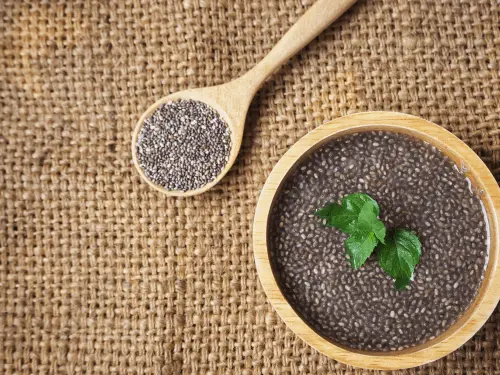
Can I grow chia from the chia seeds I buy at the store?
Yes. Organic chia seeds from the grocery store will often germinate, though germination can vary. Fresh seed from a garden supplier is more reliable.
How long does it take to grow chia?
Seeds sprout in about a week. The plant needs 100 to 150 days to mature before you can harvest the seeds.
Is chia a California native plant?
Salvia hispanica is native to central Mexico and Guatemala. However, Salvia columbariae, sometimes called California chia, is a California native plant.
Can I grow chia indoors?
You can grow chia sprouts and microgreens indoors easily. A full-size chia plant needs strong light and rarely sets a good seed crop indoors.
Why won't my chia flower?
Chia flowers when days get shorter. Plants in cooler regions or those lit at night may bloom late or not at all.
How to Grow Pumpkins Q&A
Can I grow pumpkins in a small home garden?
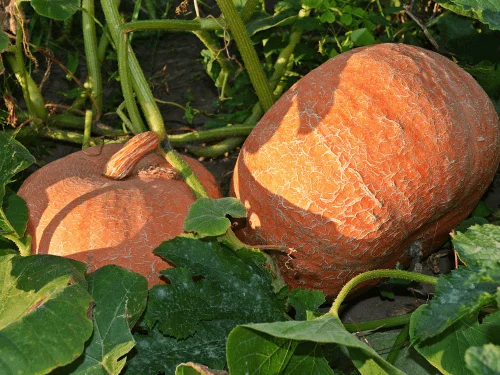
Yes. Choose bush or miniature varieties, grow vines on a trellis, or use raised beds. Plan on one or two plants per hill and prune vines when space is tight.
When should I plant pumpkins for Halloween?
Plant seeds in late May or early June in most climates. Count back from your first frost date and allow for 90 to 120 days of growth.
Why does my pumpkin plant have flowers but no fruit?
Male flowers appear first, so early flowers will not set fruit. If female flowers open but fail to fruit, you probably have too few bees. Pollinate by hand in the morning.
What causes pumpkin leaves to turn white?
This is usually powdery mildew. Improve airflow, water at the base, remove infected leaves, and apply a fungicide or neem oil.
Can I eat the pumpkin I grew for carving?
Yes, though carving types are stringy and bland. Pie pumpkins are sweeter, but the seeds from any pumpkin can be roasted.
Growing Grapevines Q&A
How long does it take for a grape plant to produce fruit?
Most young vines need two to three years after planting before they set a full crop, though a few clusters may appear in year two. Patience pays off — established vines can keep producing for 40 years or more.
Do I need more than one vine to grow grapes?
No. Since most grape varieties are self-fertile, one plant is enough to produce fruit on its own. Planting a second variety nearby is optional and mainly helps with cross-pollination in a few less common types.
Can grape vines grow in containers?
Yes, though grape vines grow best planted directly in the ground, where the root system has room to spread. A large container works for a year or two, but expect to transplant once the vine outgrows the pot.
Why aren't my grapes ripening?
Grapes ripen slowly compared to many fruits, and cool weather, too much shade, or overcrowded canes can all delay the process. Give the vine full sun, thin the clusters, and be patient through the growing season.
What's the difference between table grapes and wine grapes?
Table grapes are bred for fresh eating, with thinner skins and fewer seeds, while wine grapes tend to have thicker skins, more seeds, and higher sugar content suited to fermentation.
Are grape vines toxic to pets?
Grapes and grape leaves are not toxic to people, but grapes and raisins are toxic to dogs and can cause kidney damage, so keep fallen fruit cleaned up if pets have access to the vineyard.
Indoor climbing plants, often referred to as indoor vining plants, are an enchanting addition to any living space. Their remarkable ability to climb and cascade not only beautifies your home but also creates a sense of tranquility, making them a popular choice for both gardening enthusiasts and interior decorators.
Moreover, these climbing plants for indoors are not only aesthetically pleasing but also beneficial for your health, as they help purify the air. Many of these indoor climbers are known for their resilience and adaptability, ensuring that even novice gardeners can achieve success.
As you explore this list, you’ll discover a variety of plants that you can grow indoors, including fast-growing vines and common indoor species that thrive with minimal effort. With proper care and attention, these plants will thrive in your home, bringing life and color to your spaces. So, let’s dive into the world of indoor climbing plants and find the perfect greenery to elevate your living environment!
Pothos is a popular indoor climbing plant native to Southeast Asia, known for its easy care and versatility, making it a favorite among both beginner and experienced indoor gardeners. This plant features heart-shaped, glossy leaves that vary in color from deep green to variegated shades of yellow and white, growing on long trailing vines that can reach up to 10 feet indoors. Pothos grows by sending out tendrils that climb or trail, depending on how they are supported, making them suitable for hanging baskets, wall mounts, or trellises. They thrive in a variety of light conditions, from low to bright, indirect light, though too much direct sunlight can scorch their leaves. The plant prefers a well-draining potting mix and needs to be watered when the top inch of soil becomes dry, making it fairly drought-tolerant. Ideal temperatures for pothos range from 65-85°F (18-29°C), and they are not particularly sensitive to humidity, although they appreciate occasional misting in drier climates. For those looking to add a touch of greenery to any room with minimal effort, pothos is an excellent choice due to its adaptability, tolerance of neglect, and ability to purify indoor air.
Philodendron is a diverse genus of climbing plants native to tropical regions of Central and South America, well-loved for their stunning foliage and ease of care. These plants exhibit a wide range of leaf shapes and sizes, with some varieties showcasing large, glossy, heart-shaped leaves that can reach up to 12 inches long, while others may have elongated, lobed leaves. Philodendrons grow by developing long vines that can climb or trail, depending on how they are supported, and can easily adapt to various indoor spaces. They thrive in bright, indirect light but can tolerate lower light conditions, although this may slow their growth. This vining plant prefers a well-draining potting mix, and it’s best to water it when the top inch of soil feels dry. Ideal temperatures for philodendrons are between 65-80°F (18-27°C), and they thrive in moderate to high humidity, making them perfect for indoor environments with proper moisture levels. Philodendrons are recommended for gardeners of all skill levels, especially those who desire lush, tropical aesthetics without extensive care requirements.
English ivy is a classic climbing plant native to Europe and Western Asia, valued for its elegant, trailing vines and ability to thrive indoors. This plant is characterized by its lobed, dark green leaves that can grow up to 5 inches long, often displaying a beautiful variegation with cream or yellow edges. English ivy grows vigorously, sending out long, flexible vines that can reach several feet in length, making it suitable for cascading arrangements in hanging baskets or for climbing trellises. This hardy plant thrives in moderate to bright, indirect light but can also adapt to low-light conditions, making it versatile for different indoor spaces. English ivy prefers a well-draining potting mix and requires regular watering; it's best to let the top inch of soil dry out between waterings. Ideal temperatures range from 60-75°F (15-24°C), and it enjoys higher humidity, so misting the leaves can enhance its growth. English ivy is a great choice for indoor gardeners looking for a low-maintenance yet visually appealing climbing plant that can add charm to any room.
Hoya, commonly known as wax plants, are beautiful indoor climbing plants native to Asia and Australia, admired for their waxy, star-shaped flowers and thick, succulent leaves. The leaves are often dark green, heart-shaped, and can vary in size depending on the variety, while the flowers typically bloom in clusters, showcasing colors ranging from white to pink, with some varieties featuring fragrant blossoms. Hoyas grow by producing long vines that can climb or trail, making them ideal for hanging baskets or shelves. They thrive in bright, indirect light, though some varieties can tolerate lower light levels. These plants prefer a well-draining, lightweight potting mix, and it’s important to allow the soil to dry out between waterings to prevent root rot. Ideal temperatures for hoyas range from 65-80°F (18-27°C), and they appreciate higher humidity levels, so misting the leaves can be beneficial. Hoyas are recommended for gardeners who appreciate unique blooms and are willing to provide a bit more care to enjoy their stunning floral displays.
Monstera, commonly known as the Swiss cheese plant, is a tropical climbing plant native to Central America, recognized for its striking foliage and unique leaf shape. The leaves are large, glossy, and often feature deep splits and holes, resembling Swiss cheese, which can grow up to 3 feet long in optimal conditions. Monstera grows by sending out aerial roots that can cling to surfaces, allowing it to climb and spread out in indoor spaces. This plant thrives in bright, indirect light, although it can adapt to lower light conditions, albeit with slower growth. Monstera prefers a well-draining potting mix rich in organic matter and requires watering when the top inch of soil is dry. Ideal temperatures range from 65-85°F (18-29°C), and it enjoys higher humidity levels, making it perfect for bathrooms or kitchens. Monstera is ideal for gardeners looking for a statement plant that adds tropical flair and is relatively easy to care for.
The arrowhead plant, also known as the goosefoot plant, is a popular indoor climbing plant native to Central and South America, valued for its unique leaf shapes and easy care. This vining plant features arrow-shaped leaves that can vary in color, from bright green to variegated shades of cream and pink, with some varieties displaying striking patterns. Arrowhead plants grow by producing long, trailing vines that can climb up supports or trail down from hanging baskets. They thrive in bright, indirect light but can also adapt to lower light conditions, although this may impact their growth. The plant prefers a well-draining potting mix and needs to be watered when the top inch of soil is dry. Ideal temperatures for arrowhead plants are between 65-80°F (18-27°C), and they thrive in moderate to high humidity, making them well-suited for indoor environments. This plant is recommended for beginner gardeners due to its low maintenance and ability to thrive in a variety of conditions.
Kangaroo vine, native to Australia and New Zealand, is a unique indoor climbing plant known for its attractive foliage and rapid growth. This vine features thick, glossy leaves that are dark green and can grow up to 3 inches long, resembling the shape of a kangaroo's paw. The plant grows quickly, sending out long tendrils that can climb or trail, making it a great choice for covering trellises or cascading from hanging baskets. Kangaroo vine thrives in bright, indirect light, although it can tolerate lower light conditions. It prefers a well-draining potting mix and requires watering when the top inch of soil is dry. Ideal temperatures for this plant range from 60-75°F (15-24°C), and it enjoys moderate to high humidity, making it perfect for indoor environments with proper moisture levels. Kangaroo vine is recommended for gardeners who appreciate fast-growing plants that add a touch of the outdoors to their indoor spaces.
Jasmine vine is a charming indoor climbing plant native to tropical and subtropical regions, cherished for its fragrant, delicate flowers and lush green foliage. The plant features small, glossy leaves and produces clusters of star-shaped flowers that can be white or yellow, often blooming throughout the year and filling the air with a sweet scent. Jasmine vines grow rapidly, sending out long, flexible stems that can climb or trail, making them ideal for trellises or hanging pots. They thrive in bright, indirect light but can also adapt to lower light levels, although this may reduce flowering. Jasmine vines prefer a well-draining potting mix and require regular watering; it’s best to let the top inch of soil dry out between waterings. Ideal temperatures range from 60-75°F (15-24°C), and they enjoy moderate humidity, so misting the leaves can enhance their growth. Jasmine vines are perfect for gardeners seeking a fragrant and visually appealing climbing plant that can elevate their indoor space.
The climbing fig, native to East Asia, is a small-leaved climbing plant known for its unique ability to cling to surfaces, making it a great choice for indoor climbing. This plant features small, glossy green leaves that can grow up to 2 inches long and can reach lengths of up to 10 feet, creating a lush green backdrop in any indoor setting. Climbing figs grow by adhering to surfaces with tiny rootlets, allowing them to cover walls, trellises, or other structures seamlessly. They thrive in bright, indirect light but can tolerate low light levels, making them versatile for different indoor environments. Climbing figs prefer a well-draining potting mix and should be watered when the top inch of soil is dry to avoid overwatering. Ideal temperatures for this plant range from 60-75°F (15-24°C), and moderate humidity is preferred, so misting may be beneficial in drier conditions. Climbing figs are perfect for indoor gardeners looking for a unique plant that can easily transform their indoor space into a green oasis.
The scarlet runner bean is a vigorous climbing plant native to Central America, celebrated for its striking red flowers and edible beans. This plant showcases large, vibrant green leaves and can produce clusters of bright red flowers that attract hummingbirds and other pollinators. Scarlet runner beans grow rapidly, developing strong, twining vines that can reach heights of up to 10 feet, making them perfect for trellises or garden arches. They thrive in full sun to partial shade, requiring at least 6 hours of sunlight each day. The plant prefers well-draining soil rich in organic matter and should be watered consistently to keep the soil moist but not soggy. Ideal temperatures for growth range from 65-85°F (18-29°C). While typically grown outdoors, scarlet runner beans can also be cultivated in large containers indoors, making them an excellent choice for gardeners interested in growing edible plants. This climbing plant is recommended for those seeking a colorful and productive addition to their garden or indoor space.
String of Hearts, also known as chain of hearts or rosary vine, is a charming indoor climbing plant native to South Africa, celebrated for its delicate, trailing vines and heart-shaped leaves. The plant features small, succulent leaves that are variegated with shades of green and silver, creating a stunning visual effect as they cascade down from their pots. String of Hearts grows by producing long, slender stems that can reach up to 3 feet in length, making it ideal for hanging baskets or shelves where the vines can gracefully drape. This plant thrives in bright, indirect light but can also tolerate low light, though this may slow its growth. String of Hearts prefers a well-draining potting mix and should be watered when the soil is completely dry to prevent root rot, as it is somewhat drought-tolerant. Ideal temperatures for this plant range from 65-80°F (18-27°C), and it appreciates moderate humidity, so misting the leaves occasionally can be beneficial. Recommended for indoor gardeners who love unique, low-maintenance plants, String of Hearts adds a touch of whimsy and elegance to any space.
Passion flower is a captivating indoor climbing plant native to the Americas, renowned for its stunning, intricate flowers and lush foliage. The plant features glossy, lobed leaves and produces striking flowers that can vary in color from purple and blue to white and red, often with a unique, fringed appearance that draws attention. Passion flower grows vigorously, sending out long, twining vines that can reach up to 20 feet, making it suitable for trellises or as a dramatic focal point in large containers. This plant thrives in bright, direct sunlight but can also adapt to partial shade, although this may affect flowering. Passion flower prefers a rich, well-draining potting mix and requires consistent watering to keep the soil evenly moist, especially during its active growing season in spring and summer. Ideal temperatures for this plant range from 70-85°F (21-29°C), and it enjoys higher humidity levels, so misting the leaves regularly or placing a humidifier nearby can enhance its growth. Recommended for gardeners who appreciate vibrant blooms and a touch of tropical flair, passion flower adds both beauty and exotic charm to indoor spaces.
A: Climbing vines typically grow upwards by utilizing structures for support, such as a trellis or moss pole. Many climbing plants are trained to grow along these supports, creating a stunning visual effect as they reach for the light. When choosing plants, consider those that are fast-growing and can adapt to your home’s light conditions.
Q: What are the best conditions for climbing plants indoors?
A: Most climbing plants grow best in bright to medium indirect light. However, some varieties can tolerate lower light conditions. It’s essential to place your climbing plants in locations that allow them to receive the right amount of light to flourish.
Q: How do I care for climbing plants in my home?
A: To keep your climbing plants healthy, ensure they receive adequate light and water. Most climbing plants need soil that drains well and should be watered when the top inch of soil feels dry. Regularly check for pests and provide support as needed for them to climb effectively.
Q: Can I grow climbing plants in hanging pots?
A: Yes! Many climbing varieties, such as the string of hearts and hoya, can be grown in hanging pots, allowing their vines to cascade beautifully. Hanging plants not only save space but also add a unique aesthetic to your home.
Q: How tall do indoor climbing plants typically grow?
A: Indoor climbing plants can vary in height, with some, like the scarlet runner bean, capable of growing up to 10 feet. Others, such as pothos, can grow long and trail down from their containers or along supports.
Related posts
Here are some articles you might be interested in.