Growing Pansies: A Step-by-Step Guide to Vibrant Blooms All Season Long
Published on
March 18, 2025
Author
Sarah Wilson
Sarah Wilson started her gardening journey during the pandemic and had fallen in love with it ever since. Eager to connect with fellow garden enthusiasts, she wants to share the knowledge she's gained over the past three years.
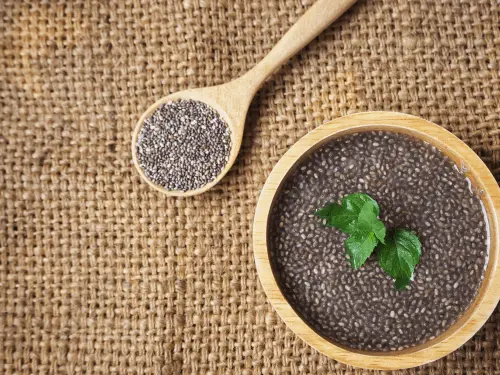
Growing Chia Plants Q&A
Can I grow chia from the chia seeds I buy at the store?
Yes. Organic chia seeds from the grocery store will often germinate, though germination can vary. Fresh seed from a garden supplier is more reliable.
How long does it take to grow chia?
Seeds sprout in about a week. The plant needs 100 to 150 days to mature before you can harvest the seeds.
Is chia a California native plant?
Salvia hispanica is native to central Mexico and Guatemala. However, Salvia columbariae, sometimes called California chia, is a California native plant.
Can I grow chia indoors?
You can grow chia sprouts and microgreens indoors easily. A full-size chia plant needs strong light and rarely sets a good seed crop indoors.
Why won't my chia flower?
Chia flowers when days get shorter. Plants in cooler regions or those lit at night may bloom late or not at all.
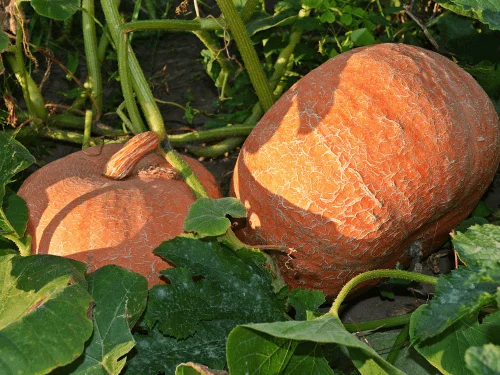
How to Grow Pumpkins Q&A
Can I grow pumpkins in a small home garden?
Yes. Choose bush or miniature varieties, grow vines on a trellis, or use raised beds. Plan on one or two plants per hill and prune vines when space is tight.
When should I plant pumpkins for Halloween?
Plant seeds in late May or early June in most climates. Count back from your first frost date and allow for 90 to 120 days of growth.
Why does my pumpkin plant have flowers but no fruit?
Male flowers appear first, so early flowers will not set fruit. If female flowers open but fail to fruit, you probably have too few bees. Pollinate by hand in the morning.
What causes pumpkin leaves to turn white?
This is usually powdery mildew. Improve airflow, water at the base, remove infected leaves, and apply a fungicide or neem oil.
Can I eat the pumpkin I grew for carving?
Yes, though carving types are stringy and bland. Pie pumpkins are sweeter, but the seeds from any pumpkin can be roasted.
Growing Grapevines Q&A
How long does it take for a grape plant to produce fruit?
Most young vines need two to three years after planting before they set a full crop, though a few clusters may appear in year two. Patience pays off — established vines can keep producing for 40 years or more.
Do I need more than one vine to grow grapes?
No. Since most grape varieties are self-fertile, one plant is enough to produce fruit on its own. Planting a second variety nearby is optional and mainly helps with cross-pollination in a few less common types.
Can grape vines grow in containers?
Yes, though grape vines grow best planted directly in the ground, where the root system has room to spread. A large container works for a year or two, but expect to transplant once the vine outgrows the pot.
Why aren't my grapes ripening?
Grapes ripen slowly compared to many fruits, and cool weather, too much shade, or overcrowded canes can all delay the process. Give the vine full sun, thin the clusters, and be patient through the growing season.
What's the difference between table grapes and wine grapes?
Table grapes are bred for fresh eating, with thinner skins and fewer seeds, while wine grapes tend to have thicker skins, more seeds, and higher sugar content suited to fermentation.
Are grape vines toxic to pets?
Grapes and grape leaves are not toxic to people, but grapes and raisins are toxic to dogs and can cause kidney damage, so keep fallen fruit cleaned up if pets have access to the vineyard.
Pansies (Viola × wittrockiana) are cool-season annuals or perennials known for their large, brightly colored blooms. These hybrid plants, derived from various species within the Viola genus and part of the Violaceae family, are characterized by their flat, round flowers. They come in a wide array of colors, often featuring a darker blotch in the center that resembles a face, adding to their visual appeal.
I’ll never forget the time I decided to include pansies in a spring garden makeover for a friend. She had a small, shaded courtyard that needed a pop of color. When I planted the pansies, the transformation was remarkable. The vibrant flowers not only added a cheerful touch but also drew compliments from everyone who visited. It was a reminder of how such a simple choice could have such a positive impact on a space.
Beyond their ornamental value, pansies are prized for their adaptability to cooler weather, making them popular choices for flower beds, borders, and window boxes. Their vibrant hues brighten up any garden space and provide a splash of color even in the chillier months. Additionally, pansies have culinary uses; their mild, slightly sweet flavor and colorful petals make them a delightful ingredient in salads, desserts, and beverages, offering both aesthetic and taste benefits to culinary creations.
The Matrix Series is renowned for its impressive display of large, vibrant flowers that create a uniform and cohesive look. These pansies are available in a diverse palette, ranging from bold reds and deep purples to softer pastels. Their consistent growth pattern makes them an excellent choice for creating striking, color-coordinated garden beds or borders. The Matrix pansies are also known for their robust performance in cooler temperatures, making them a reliable option for early spring and fall planting.
Ideal for adding a touch of charm to hanging baskets and containers, the Cool Wave Series features trailing pansies that offer a delightful cascading effect. Their flexible growth habit allows them to spill gracefully over the edges of containers, creating a lush and eye-catching display. The Cool Wave pansies come in a variety of colors and patterns, adding versatility to your gardening design. They are particularly well-suited for creating dramatic hanging displays or adding a colorful touch to window boxes.
As the name suggests, the Majestic Giants are celebrated for their exceptionally large and showy blooms. These pansies boast some of the biggest flowers in the pansy family, making them a standout choice for garden beds where their grandeur can be fully appreciated. The Majestic Giants offer a bold statement in any garden, with their sizeable blooms often attracting attention and admiration.
The Clear Crystals series is distinguished by its clean, pure colors and lack of the typical "face" markings found in many pansy varieties. This series offers a range of solid, unblemished hues that provide a refined and elegant look. The absence of facial markings gives the flowers a sophisticated appearance, making them ideal for formal gardens or modern landscapes where a sleek and uninterrupted color profile is desired.
Start Indoors: Begin by sowing pansy seeds indoors 10 to 12 weeks before the last expected frost date. Use seed trays or small pots filled with seed-starting mix.
Sow the Seeds: Scatter the seeds over the surface of the soil and lightly press them in. Pansy seeds need light to germinate, so do not cover them with soil.
Water and Cover: Mist the soil with water and cover the trays with plastic wrap to retain moisture.
Provide Light: Place the trays in a bright, indirect light location. Maintain a temperature of around 65°F (18°C) for optimal germination.
Transplanting: Once seedlings have two sets of true leaves, they can be transplanted outdoors, hardening them off for a week before planting.
Planting from Seedlings
Prepare the Soil: Choose a location with well-drained soil and mix in compost to enrich it.
Dig Holes: Space the holes 6 to 8 inches apart and dig them deep enough to accommodate the root ball of the seedlings.
Plant the Seedlings: Place each seedling in a hole, ensuring the crown is level with the soil surface. Firm the soil around the roots.
Watering: Water the seedlings thoroughly after planting to help them establish. Aim to provide about 1 inch of water per week. This can be adjusted based on weather conditions. In hot or dry weather, they might need more frequent watering.
Requirements for Growing Pansies
Here are the essential requirements and tips for successful pansy cultivation:
Soil
Pansies thrive in moist, well-drained soil with a slightly acidic to neutral pH, ideally ranging from 6.0 to 7.0. To create the perfect soil environment, amend your garden bed with plenty of organic matter, such as compost or well-rotted manure. This improves soil structure, enhances fertility, and ensures good drainage, preventing water from pooling around the roots which can lead to root rot. Regularly incorporating organic material also helps maintain soil moisture and provides essential nutrients for healthy growth.
Water
Maintaining consistent moisture is crucial for pansies. Water them regularly to keep the soil evenly moist, but be careful not to overwater. Aim to water at the base of the plant to minimize moisture on the foliage, which helps prevent fungal diseases like powdery mildew. During dry spells, it's best to water deeply once a week rather than frequent shallow watering, as this encourages deeper root growth and improves drought resistance. Ensure the soil surface is dry before the next watering to avoid waterlogging.
Temperature and Humidity
Pansies are cool-weather plants and thrive in temperatures ranging from 45°F to 65°F (7°C to 18°C). They can endure light frosts, making them ideal for early spring and late fall gardens. However, temperatures above 75°F (24°C) can cause stress and reduce flowering. Pansies generally tolerate standard humidity levels, but they do benefit from good air circulation around the plants to help reduce the risk of fungal diseases. In warmer climates, consider providing some shade during the hottest part of the day to keep them cool.
Sunlight
Pansies prefer to grow in full sun to partial shade. In cooler climates, they can handle full sun conditions, thriving with at least 6 hours of sunlight daily. In hot climates, however, they benefit from afternoon shade to shield them from the intense midday sun, which can cause wilting and reduce blooming. Positioning them where they receive morning sun and afternoon shade is a good strategy in warmer areas to balance light exposure and protect the plants.
Location
Choose a planting site for your pansies that ensures they receive at least 6 hours of sunlight per day. For optimal performance in warmer regions, select a location with morning sun and afternoon shade. This setup helps protect the pansies from the intense heat and light of the afternoon sun while still providing them with enough light for healthy growth and vibrant blooms. Ensure the chosen spot has good air circulation to further reduce the risk of disease and keep the plants thriving.
Maintenance Tips
To keep pansies looking their best, here are some maintenance tips:
Fertilizer
Feed pansies with a balanced, slow-release fertilizer, such as a 10-10-10 or 14-14-14 formula, when planting them. This type of fertilizer provides an even distribution of essential nutrients (nitrogen, phosphorus, and potassium) that supports initial growth and flowering. During the growing season, typically from spring through early fall, apply a water-soluble fertilizer with a similar balanced ratio once a month. This helps to replenish nutrients in the soil, promoting vibrant blooms and encouraging the plant to flower continuously. Ensure you follow the manufacturer’s instructions for mixing and application rates to avoid over-fertilization.
Pruning
Regular pruning is essential for maintaining the health and appearance of pansies. Deadhead spent flowers—removing faded blooms—frequently to encourage new flowers and prolong the blooming period. This practice prevents the plant from setting seed, which can reduce flowering. Additionally, pinch back any leggy or overgrown stems to encourage a more compact and bushy growth habit. This not only helps in achieving a more aesthetically pleasing plant but also promotes better air circulation, reducing the risk of disease.
Mulching
Applying a 2-inch layer of organic mulch, such as shredded bark, wood chips, or compost, around your pansies helps in retaining soil moisture and suppressing weed growth. Organic mulch also gradually improves soil structure as it decomposes. However, be cautious not to pile the mulch against the stems or crown of the plants, as this can create a moist environment that promotes stem rot or fungal infections. Keep the mulch level consistent and ensure it is spread evenly to provide maximum benefit.
Potting and Repotting
When growing pansies in containers, select pots with adequate drainage holes to prevent waterlogged soil, which can lead to root rot. Use a high-quality potting mix that is well-draining and enriched with organic matter to support healthy root development. As pansies grow, they may outgrow their containers or the soil may become compacted. Repot the plants as needed, usually in the spring or early fall, into a slightly larger pot with fresh potting mix. Gently loosen the roots if they are densely packed, and ensure the new pot has ample drainage to promote healthy growth.
Overwintering
In milder climates, pansies can typically survive the winter outdoors. Apply a thick layer of mulch around the base of the plants to insulate the soil and protect the roots from freezing temperatures. In regions with harsher winters, pansies are usually treated as annuals and may not survive outside. However, you can overwinter them indoors by placing the containers in a cool, bright location with temperatures ranging from 40°F to 50°F (4°C to 10°C). Provide adequate light and water as needed to keep the plants in a semi-dormant state until they can be reintroduced to outdoor conditions in the spring.
Pansies are generally hardy, but they can be affected by various pests and diseases. Here's a rundown of some common issues:
Pests
Aphids: Small, sap-sucking insects that can cause distorted growth. Control them with insecticidal soap or by releasing beneficial insects like ladybugs.
Slugs and Snails: These pests can chew holes in the leaves. Use slug traps, or handpick them off the plants at night.
Spider Mites: Tiny pests that cause yellowing and stippling of leaves. Increase humidity and spray with insecticidal soap if infestations occur.
Diseases
Powdery Mildew: A fungal disease that causes a white powdery coating on leaves. Improve air circulation and apply fungicides if necessary.
Root Rot: Caused by overly wet soil, leading to yellowing and wilting of plants. Ensure proper drainage and avoid overwatering.
Leaf Spot: Brown or black spots on leaves caused by fungal pathogens. Remove affected leaves and apply fungicides as a preventive measure.
Frequently Asked Questions and Answers:
Q: How long do pansies last?
A: Pansies can last for several months in cool weather. In mild climates, they may bloom continuously from fall to spring.
Q: Are pansies perennials?
A: Pansies are typically grown as annuals or biennials, but in mild climates, they can act as short-lived perennials.
Q: How do I make my pansies bloom more?
A: Regular deadheading, proper fertilization, and ensuring they get enough sunlight can encourage more blooms.
Q: Can I grow pansies indoors?
A: Yes, pansies can be grown indoors in pots as long as they receive enough light and cool temperatures.
Related posts
Here are some articles you might be interested in.