Perennial Herbs for Your Garden: Mint, Sage, Chive, and other Perennial Medicinal Herbs.
Published on
March 28, 2025
Author
Anjali Sharma
Anjali was born and raised in Indi and is now residing in New Jersey with her husband. Anjali's passion lies in raising her own vegetables and herbs, which she wants to share with others.
Growing Chia Plants Q&A
Can I grow chia from the chia seeds I buy at the store?
Yes. Organic chia seeds from the grocery store will often germinate, though germination can vary. Fresh seed from a garden supplier is more reliable.
How long does it take to grow chia?
Seeds sprout in about a week. The plant needs 100 to 150 days to mature before you can harvest the seeds.
Is chia a California native plant?
Salvia hispanica is native to central Mexico and Guatemala. However, Salvia columbariae, sometimes called California chia, is a California native plant.
Can I grow chia indoors?
You can grow chia sprouts and microgreens indoors easily. A full-size chia plant needs strong light and rarely sets a good seed crop indoors.
Why won't my chia flower?
Chia flowers when days get shorter. Plants in cooler regions or those lit at night may bloom late or not at all.
How to Grow Pumpkins Q&A
Can I grow pumpkins in a small home garden?
Yes. Choose bush or miniature varieties, grow vines on a trellis, or use raised beds. Plan on one or two plants per hill and prune vines when space is tight.
When should I plant pumpkins for Halloween?
Plant seeds in late May or early June in most climates. Count back from your first frost date and allow for 90 to 120 days of growth.
Why does my pumpkin plant have flowers but no fruit?
Male flowers appear first, so early flowers will not set fruit. If female flowers open but fail to fruit, you probably have too few bees. Pollinate by hand in the morning.
What causes pumpkin leaves to turn white?
This is usually powdery mildew. Improve airflow, water at the base, remove infected leaves, and apply a fungicide or neem oil.
Can I eat the pumpkin I grew for carving?
Yes, though carving types are stringy and bland. Pie pumpkins are sweeter, but the seeds from any pumpkin can be roasted.
Growing Grapevines Q&A
How long does it take for a grape plant to produce fruit?
Most young vines need two to three years after planting before they set a full crop, though a few clusters may appear in year two. Patience pays off — established vines can keep producing for 40 years or more.
Do I need more than one vine to grow grapes?
No. Since most grape varieties are self-fertile, one plant is enough to produce fruit on its own. Planting a second variety nearby is optional and mainly helps with cross-pollination in a few less common types.
Can grape vines grow in containers?
Yes, though grape vines grow best planted directly in the ground, where the root system has room to spread. A large container works for a year or two, but expect to transplant once the vine outgrows the pot.
Why aren't my grapes ripening?
Grapes ripen slowly compared to many fruits, and cool weather, too much shade, or overcrowded canes can all delay the process. Give the vine full sun, thin the clusters, and be patient through the growing season.
What's the difference between table grapes and wine grapes?
Table grapes are bred for fresh eating, with thinner skins and fewer seeds, while wine grapes tend to have thicker skins, more seeds, and higher sugar content suited to fermentation.
Are grape vines toxic to pets?
Grapes and grape leaves are not toxic to people, but grapes and raisins are toxic to dogs and can cause kidney damage, so keep fallen fruit cleaned up if pets have access to the vineyard.
This disclosure clearly states that the content creator may earn a commission if readers make a purchase through the provided links. Learn more
You ever think about how cool it would be to just step outside and grab some fresh herbs for a cup of tea or a quick remedy? No fancy apothecary, no last-minute store runs—just your own little stash of healing plants, growing right in your backyard.
The best part? These herbs come back year after year, so once you plant them, they pretty much take care of themselves. Whether you’re into natural remedies or just want your garden to smell amazing, these 10 perennial medicinal herbs are definitely worth having around. Let’s get into it!
10 Perennial Herbs for Your Garden
1. Mint (Mentha spp.)
Mint grows like it’s got somewhere to be—seriously, this plant takes off if you let it. There are tons of varieties, like spearmint, peppermint, and even chocolate mint (yes, that’s a thing). It’s great for digestion, helps with nausea, and makes a refreshing tea. Plus, it just smells amazing.
This leafy overachiever has bright green, serrated leaves and can reach about 2 feet tall. Some types even sprout little purple, pink, or white flowers. It loves rich, moist soil and does well in partial to full sun. But heads up—mint will spread everywhere if you plant it in the ground. If you don’t want it taking over, stick it in a container. Water it regularly, and you’ll have fresh mint at your fingertips all season long.
Chives are way more than just a baked potato topping—they’re actually packed with vitamins and even have some antibacterial perks. They can help with digestion and might give your immune system a little boost too. Plus, they’re one of the easiest herbs to grow, so if you’re just getting into gardening, chives are a great place to start.
They have thin, green, grass-like leaves and bloom with cute purple flowers that pollinators love. They grow about 12–18 inches tall and do best in well-drained soil with plenty of sun. You can plant them in the garden or a pot, and they’ll keep coming back year after year. Just snip what you need, and they’ll keep growing—no fuss, no drama.
Soil: Loamy, well-draining
Water: Moderate; allow soil to dry slightly between waterings
Light: Full sun
Humidity: Low to moderate
Fertilizer: Light feeding in spring
Temperature: 60–80°F (16–27°C)
USDA Zone: 3–9
3. Thyme (Thymus vulgaris)
Thyme is a tiny powerhouse of antibacterial benefits! It’s great for respiratory health, sore throats, and giving your immune system a little extra support. Got a cough? Try steeping fresh or dried thyme in hot water for a simple herbal tea. You can also mix it into honey for a soothing throat remedy—it’s like nature’s cough syrup.
This little woody herb stays pretty compact, growing about 6–12 inches tall, with tiny, fragrant leaves and cute pink or purple flowers. It thrives in dry, well-drained soil and lots of sunshine. Basically, the less you fuss over it, the happier it is. Perfect for beginner gardeners or anyone who forgets to water their plants!
Soil: Sandy, well-draining
Water: Low; let soil dry between waterings
Light: Full sun
Humidity: Low
Fertilizer: Minimal feeding required
Temperature: 50–80°F (10–27°C)
USDA Zone: 5–9
4. Lemon Balm (Melissa officinalis)
The ultimate stress-reliever! Well-loved for its calming effects, often used to reduce anxiety. Feeling stressed? Brew some into a tea. Trouble sleeping? Same deal. Upset stomach? Yep, it’s got you. It’s even been used to help with cold sores—just crush up a few leaves and dab the juice on the spot. Plus, every time you brush against it, it smells like fresh lemons. What’s not to love?
It’s got bright green, crinkly leaves and tiny white or pale yellow flowers. It grows best in rich soil with a little shade, but it can also tolerate full sun. Just give it some regular water, and it’ll keep coming back, ready to help you relax whenever life gets a little too hectic.
Soil: Moist, well-draining
Water: Moderate
Light: Full sun to partial shade
Humidity: Moderate
Fertilizer: Light feeding in spring
Temperature: 55–75°F (13–24°C)
USDA Zone: 4–9
5. Oregano (Origanum vulgare)
Oregano isn’t just for making your pizza taste amazing—it’s also a natural immune booster and a total powerhouse when it comes to fighting off infections. If you have a sore throat, try steeping fresh or dried oregano in hot water for a DIY herbal tea. If you feel a cold coming on, mix a few drops of oregano oil with a carrier oil and rub it on your chest—it’s like a natural vapor rub!
This little one has small, oval green leaves and tiny purple flowers, and it can grow up to 2 feet tall. It loves dry, well-drained soil and lots of sunshine, so it’s perfect if you tend to forget to water your plants. Just trim it back now and then, and you'll have a fresh herb whenever you need it.
Echinacea is one of those plants that’s pretty much a go-to when you’re feeling under the weather. It’s well-known for supporting your immune system and fighting off colds, but it’s also great for soothing inflammation and skin issues. If you’re dealing with a stuffy nose or just need a little immune boost, echinacea tea can be a simple fix. It can even help calm down irritated skin if you make a DIY ointment.
It has those classic daisy-like flowers with pink or purple petals and a spiky center. Echinacea loves full sun and well-drained soil, so just make sure it’s not sitting in waterlogged ground. Water it when the soil feels dry, and you’re pretty much good to go. It’s one of those plants that doesn’t need much attention once it gets going. Just give it some sunlight and occasional watering, and it’ll do its thing.
Soil: Well-draining, slightly sandy
Water: Moderate
Light: Full sun
Humidity: Low to moderate
Fertilizer: Light feeding in spring
Temperature: 55–80°F (13–27°C)
USDA Zone: 3–9
7. Yarrow (Achillea millefolium)
Yarrow is one of those herbs that I always keep in my garden for emergencies. It’s been used forever to stop bleeding, reduce fever, and improve circulation. I’ve personally used it to help with minor cuts—just make a poultice from the leaves and it works like a charm. It’s honestly a must-have for any herbal first aid kit.
The plant itself has feathery green leaves and clusters of white, pink, or yellow flowers that look so pretty in the garden. It’s a hardy, low-maintenance plant that thrives in poor soil conditions. Yarrow is pretty self-sufficient and can grow well without much added fertilizer. In fact, it actually prefers soil that’s not too rich, as too much fertilizer can cause the plant to grow too lush and lose some of its natural hardiness and compact form. So, if you’re growing yarrow, you can skip the heavy fertilizing routine. Just make sure it gets good sunlight and isn’t sitting in soggy soil, and it’ll do its thing!
Soil: Well-draining, sandy
Water: Low; drought-resistant
Light: Full sun
Humidity: Low
Fertilizer: Not necessary
Temperature: 50–85°F (10–29°C)
USDA Zone: 3–9
8. Valerian (Valeriana officinalis)
Valerian is my absolute favorite when it comes to winding down and getting some solid sleep—honestly, I swear by it. As someone who struggles to sleep, I can vouch for its calming effects. I’ve made valerian root tea a part of my bedtime routine, and it really helps me relax and drift off. It’s great for reducing anxiety too, which is a nice bonus.
Valerian has tall stems with fern-like leaves and little clusters of pale pink or white flowers. It likes moist, rich soil and partial sun, so I’ve found it does best in a spot that gets a little shade throughout the day. It’s not too fussy—just water it regularly, and it’ll reward you with some seriously restful nights.
Soil: Moist, well-draining
Water: Moderate to high
Light: Partial sun
Humidity: Moderate
Fertilizer: Light feeding in spring
Temperature: 50–75°F (10–24°C)
USDA Zone: 4–9
9. Chamomile (Matricaria chamomilla)
Chamomile is one of those classic herbs that’s known for its calming vibes. It's perfect for helping you relax, easing digestion, and reducing inflammation—no wonder it’s been used as a herbal remedy for ages. A nice cup of chamomile tea before bed is pretty much the go-to when you need to chill out after a long day.
It has those cute, daisy-like flowers with white petals and a yellow center, plus feathery green leaves. Chamomile loves sandy, well-draining soil and plenty of sun. It’s pretty easy to grow and care for, too—just water it when the soil’s dry.
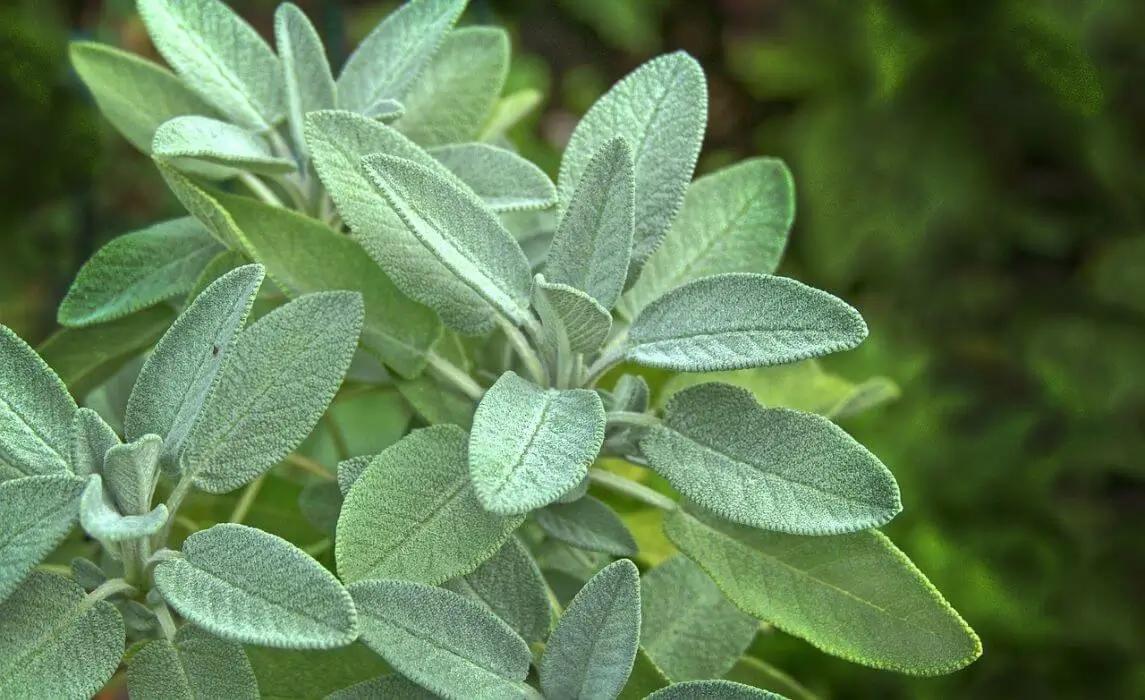
You know it’s not a real herb garden without sage. This herb is super versatile—it supports digestion, boosts memory, and even used in cleansing rituals when burned.
Sage has soft, gray-green leaves and a woody base, with pretty little purple flowers that pop up here and there. It thrives in dry, well-draining soil, so it doesn’t mind a little neglect when it comes to watering. Just make sure it gets lots of sunshine and you’re good to go! It’s one of those herbs that doesn’t need much but will still give you all its benefits. Plus, it’s an easy-grow plant—just give it the right spot.
Soil: Well-draining, sandy
Water: Low
Light: Full sun
Humidity: Low
Fertilizer: Minimal
Temperature: 55–85°F (13–29°C)
USDA Zone: 4–9
FAQs
Q: What’s the difference between a perennial and an annual medicinal herb?
A: Perennial herbs come back year after year, so once you plant them, you’ll have them for a long time! Annual herbs, on the other hand, only last for one growing season, so you’ll need to replant them each year. Perennials like mint, echinacea, and yarrow save you the hassle of replanting every spring.
Q: How can I harvest medicinal herbs without killing the plant?
A: The key is to harvest selectively! Only take what you need from each plant—this lets it continue to grow and regenerate. For herbs like mint and sage, you can snip off the top leaves regularly to encourage fresh growth. For larger plants like echinacea or valerian, cut back the flowers once they’ve bloomed to keep the plant healthy.
Q: What’s the best way to use my herbs for medicinal purposes?
A: There are tons of ways to use your medicinal herbs! Fresh leaves can be used in teas, tinctures, or poultices. Dried herbs are great for making salves, oils, and homemade remedies. Just be sure you know how to safely use each herb, as some can be more potent than others.
Related posts
Here are some articles you might be interested in.


-p-1080.webp)