A Guide to Rose Colors and Their Meanings: Unveiling the Language of Roses
Published on
January 10, 2025
Author
Sarah Wilson
Sarah Wilson started her gardening journey during the pandemic and had fallen in love with it ever since. Eager to connect with fellow garden enthusiasts, she wants to share the knowledge she's gained over the past three years.
Invasive Plants Q&A
What is the difference between a non-native plant and an invasive plant?
A non-native plant is any species growing outside its natural range, usually because people moved it. Most non-native species stay where they are planted. An invasive plant is a non-native plant species that spreads aggressively on its own, harms natural ecosystems, and causes economic or human health problems.
What key physical traits make an invasive plant easy to spot early on?
Watch for plants that leaf out earlier and hold leaves later than native species, grow unusually fast, form dense patches of a single species, or climb over other vegetation. Heavy seed production is another red flag.
What is the difference between an invasive species and a officially listed "noxious weed"?
Invasive species is an ecological label for organisms that spread and cause harm. A noxious weed is a legal designation set by a state or the U.S. Department of Agriculture, which can restrict selling or moving the plant. Many noxious weeds are invasive, but not every invasive is legally listed.
How do invasive plants harm local ecosystems, soil chemistry, and native wildlife?
They crowd out native plants that insects, birds, and mammals rely on, which lowers native biodiversity. Some, like garlic mustard, change soil chemistry and fungal networks, while others alter water flow or erosion. The combined impact of invasive species can endanger rare plants and animals and is a factor in the decline of many endangered species.
Can invasive plants cause structural damage to private property or lower land values?
Yes. Knotweed rhizomes can push through foundations, drains, and pavement, while English ivy and kudzu add weight that brings trees down onto roofs and fences. A heavy infestation can shrink usable land, raise removal costs, and in some markets complicate home sales.
Are any common invasive plant species toxic or hazardous to humans and pets?
Several are. Wild parsnip and giant hogweed sap can cause severe burns in sunlight. English ivy leaves and berries can upset the stomachs of people and pets, and buckthorn berries are a strong laxative. Dense shrub thickets like Japanese barberry also hold humid air that favors deer ticks.
How do invasive plant seeds accidentally hitchhike into new areas?
Plant seeds ride along in mud on boots, tires, and mowers, in contaminated mulch, fill dirt, hay, and birdseed, and on boat trailers. Birds eat fruit and drop seeds elsewhere, and floods carry fragments downstream. Cleaning gear between sites slows the spread of invasive plants.
What is the safest and most effective way to remove invasive plants on your property?
Identify the plant, then match the method. Hand pulling works for seedlings and garlic mustard, repeated cutting weakens vines, and herbicide on cut stems handles woody shrubs. Good plant control takes protective gear, careful label reading, and several years of follow-up, since managing invasive species always involves resprouts.
Why is standard yard-waste composting unsafe for invasive plant materials?
Home compost piles rarely get hot enough to kill seeds, roots, or stem fragments. Knotweed rhizomes, honeysuckle stems, and seed heads can survive and sprout wherever the finished compost goes, aiding the spread of invasive weeds into your garden.
How should pulled or cut invasive plants be properly disposed of?
Bag seed heads and flowering plants in heavy black plastic and leave them in the sun for a few weeks before sending them to the landfill. Dry woody stems on a tarp away from bare soil. Some counties also run special collections for invasives.
What native plant alternatives should be used to reseed areas after invasive removal?
Pick native alternatives suited to your region and site. In the Southeast, coral honeysuckle or crossvine can replace Japanese honeysuckle, Christmas fern or wild ginger work as shade groundcover, and serviceberry or redbud can stand in for Callery pear. The North Carolina Native Plant Society offers guidance on native plant species for local gardens.
Where and how can citizens report sightings of high-priority invasive species?
Use EDDMapS, a free app and website that sends early detection reports to land managers, or contact your county Cooperative Extension office or state department of agriculture. In North Carolina, the NC Invasive Plant Council shares reporting resources. Include a clear photo, the exact location, and the date to support a rapid response.
Pond Plants Q&A
How many plants does a pond need?
Plants do well in a pond when 50 to 70 percent of the surface is covered by floating and marginal growth. More cover means less sunlight for algae.
Will plants keep my pond free of algae?
They help, but they are not a guarantee. Plants help keep the water clear by taking up excess nutrients in the water and shading the surface, yet fish waste and leaves keep adding more. Pair plants with filtration and regular cleaning for a clean pond.
Can I grow plants with koi?
Yes, but koi uproot and eat soft growth. Use pots topped with gravel, choose tougher plants and treat hornwort or anacharis as a renewable snack.
Should I worry about invasive plants?
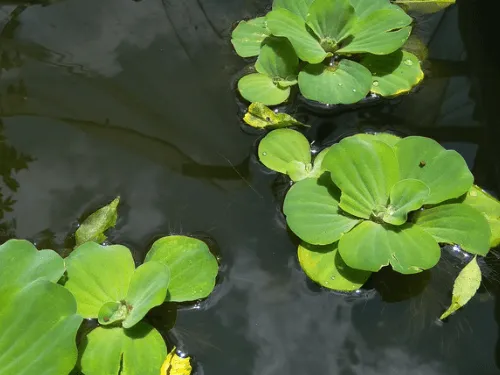
Yes. Water hyacinth, water lettuce and some forms of anacharis are invasive in warm regions. Check state rules, never release extras into a lake or storm drain.
Where can I buy pond plants?
Local nurseries and water garden specialists carry hardy stock. If you browse pond plants products or buy online, choose sellers that ship in season, label the species and guarantee live arrival.
Winter Plants Q&A
How do I protect plants from cold winter damage?
Mulch roots with 2 to 3 inches of shredded bark, water well before the ground freezes and cover tender plants with frost cloth before a hard freeze. Choosing plants that thrive in your USDA zone is the best protection, since healthy plants survive winter far better.
Can winter plants grow in pots?
Yes. Pansies, kale and heath all grow well in containers. Use pots with drainage holes and fresh potting mix. Containers freeze faster than soil, so check which plants are suitable for one zone colder than yours.
When should I plant for winter color?
Plant shrubs, perennials and bulbs in fall so roots settle before the ground freezes. You can buy plants from winter sales at a garden center, but check the zone first.
What do plants need to look their best?
Most plants need good drainage, shelter from drying wind and the right light. Pick a selection of plants that bloom at different times, and keep watering during dry spells, so you can embrace the beauty of winter all season.
This disclosure clearly states that the content creator may earn a commission if readers make a purchase through the provided links. Learn more
My love for roses started a long time ago when I noticed how pretty and sweet-smelling they are. It all began with a friend giving me a bunch of red roses, and that made me curious about what they meant. I was surprised to learn that each color of rose had a special message.
This hidden language of flowers fascinated me, so I decided to learn more. White roses symbolized innocence, red ones represented deep love, and yellow roses showed admiration. That is why, in this article, I will explain the meaning of each rose color and detail some common traditions linked to them.
List of Various Rose Colors and Their General Meaning:
Whether you're gifting roses or simply enjoying their beauty, here's the list of various rose colors and their general meanings:
Red Rose
When someone hands you a bunch of these, it's like they're saying, "Hey, I really care about you!" That vibrant red color just shouts love and desire, doesn't it? And it's not just reserved for special occasions; you can surprise someone with them anytime, just to show you're thinking about them.
I remember the time when someone gave me a bunch of red roses. Instantly, they became my favorites. There's just something about them that speaks the language of love, making each petal a little love poem in its own way. It's like a timeless gesture that never goes out of style. Ah, those red roses – they hold a special place in my heart.
White Rose
The elegant white rose! You know, I often spot these delicate blooms, especially stealing the spotlight at weddings.
But here's the cool part – they're not just for looks. Giving someone a white rose is like giving them a piece of life with a heart as pure as the flower itself.
White roses are like messengers of pure love and good intentions. At weddings, they're there to show that the couple is starting something new with all their hearts in the right place. These roses look delicate and pure, like they're shouting out, "Hey, love and cleanliness over here!"
And guess what? You can give white roses in different situations to say, "I really respect you" or "I think you're great." Whether it's a romantic thing or just showing love to friends and family, white roses are like little messengers of pure and sincere feelings.
Pink Rose
Pink roses are associated with qualities like grace, sweetness, thoughtfulness, admiration, and gratitude.
Light pink roses are often seen as a representation of sweetness and thoughtfulness. When given, they convey a sense of grace and charm, making them a suitable choice for expressing affection and appreciation in a gentle and considerate manner.
Deeper shades of pink, on the other hand, carry a stronger message of gratitude and appreciation. Darker pinks are often associated with recognition and acknowledgment of someone's efforts or presence. They make an ideal choice when you want to express sincere thanks or admiration for someone's actions or qualities.
Peach Rose
Peach roses have a delicate and soft color that falls somewhere between pale orange and pink, and they convey a sense of appreciation, sincerity, and modesty.
Peach roses are commonly used to express gratitude and convey a sense of thankfulness. They are a thoughtful choice for expressing appreciation and acknowledging someone's kindness or support. The soft and warm tones of peach roses also evoke a sense of friendliness and warmth.
Additionally, peach roses can be used to convey feelings of modesty and sincerity in various relationships. The color suggests a genuine and sincere admiration or affection without the intensity of deeper, more vibrant colors.
Yellow Rose
The bright and cheerful color of yellow is often associated with warmth, happiness, and positive energy.
Yellow roses are commonly chosen to celebrate the bond of friendship. When given to a friend, they convey a message of appreciation, camaraderie, and the joy that the friendship brings. Yellow roses can be a thoughtful and uplifting gift to express happiness and convey positive emotions to someone special in a friendly context.
It's important to note, however, that in certain contexts, yellow roses can also symbolize jealousy. This alternative meaning is less common and is typically associated with romantic relationships rather than friendships. In a friendship context, the primary interpretation is the positive one, emphasizing joy and camaraderie.
Orange Rose
The bold and vibrant hue of orange roses sets them apart, making them a distinctive choice for expressing intense emotions and admiration.
Orange roses are often chosen to convey a sense of passion and desire. They represent the fervor and energy associated with strong romantic feelings or admiration for someone. While red roses are the traditional symbol of romantic love, orange roses offer a unique alternative for those who want to express their emotions with a touch of zest and excitement.
The vibrant color of orange roses is also associated with energy and enthusiasm. When given, these roses can convey a message of dynamic and lively feelings, making them suitable for a variety of occasions where you want to express intense emotions and admiration.
Lavender Rose
The elegant and unique color of lavender roses sets them apart, conveying a sense of mystery and intrigue.
Lavender roses are often chosen to express a feeling of enchantment, capturing the sense of being captivated or charmed by someone or something special. The color lavender adds a touch of sophistication and refinement to floral arrangements, making them an excellent choice for conveying a message of admiration and elegance.
The association of lavender roses with mystery makes them suitable for expressing love at first sight. The mysterious allure of the lavender hue adds a sense of intrigue and fascination, making these roses a symbolic choice for expressing romantic feelings that arise unexpectedly.
Blue Rose
Unlike other rose colors that are found in nature, blue roses have been created through artificial means, often through dyeing or genetic modification.
Because of their unnatural origin, blue roses are associated with the extraordinary and the elusive. They symbolize something that is rare, unique, and beyond the ordinary, adding an element of mystery and intrigue. This rarity contributes to the perception of blue roses as something special and unattainable in the natural world.
The association of blue roses with the supernatural or the extraordinary enhances their symbolism, making them suitable for expressing feelings that go beyond the conventional or for situations that involve an air of mystery. While blue roses may not have a specific cultural tradition like other rose colors, they are often used in art and literature to convey a sense of the fantastical and the unattainable.
Green Rose
The color green is often linked to nature, growth, and freshness, and these attributes are extended to green roses as well.
Green roses are symbolic of harmony, representing a sense of balance and tranquility. The color green is also associated with renewal and growth, making green roses a suitable choice for occasions that celebrate new beginnings, whether it be a new chapter in life, a fresh start, or the growth of a relationship.
The connection between green roses and fertility further reinforces the idea of growth and renewal. Green roses can be given to express good wishes for the future, convey a sense of well-being, or celebrate the positive aspects of change.
Black Rose
Unlike many other rose colors, black roses do not occur naturally, and their symbolism is often tied to their rarity and unconventional appearance.
Black roses are frequently used to convey a sense of mystery and the unknown. They can symbolize the enigmatic aspects of life or situations that are not easily understood. In some contexts, black roses may also represent the mysterious or the supernatural.
Moreover, black roses are sometimes associated with farewells and saying goodbye. They can be used to express the end of a relationship, the conclusion of a chapter, or the closure of a significant life event. The dark color suggests a sense of finality and a departure from the norm.
It's important to note that the meaning of black roses can vary, and their interpretation may depend on cultural and personal contexts. While they are not traditionally associated with positive emotions like love or joy, they can be a unique and powerful symbol in certain situations where mystery, farewell, or closure is being communicated.
Rainbow Rose
Rainbow roses are artificially colored roses that have been dyed to display a spectrum of colors resembling a rainbow. These vibrant and multi-colored roses are not found in nature and are created through a process in which each stem is divided, and different sections are placed in different colored water or dye. As a result, the petals of the rose absorb the colors, creating the appearance of a rainbow.
The general meaning of rainbow roses is often associated with joy, celebration, and uniqueness. These roses are seen as a symbol of diversity and inclusion, representing the beauty that can arise from embracing different colors and individuality. Rainbow roses can be used to express feelings of happiness, positivity, and appreciation for the uniqueness of each person or situation.
Additionally, rainbow roses are popular as gifts for various celebratory occasions, such as birthdays, graduations, or events that signify a joyous and colorful moment. They are a creative and visually striking way to convey a message of cheerfulness and celebration.
Rose Traditions and Meanings
After choosing a color that expresses your desired message, you can also take into account additional factors in your rose bouquet or flower selection. Options range from presenting a single rose or a bouquet of roses to selecting either thornless or withered roses. I strongly suggest exploring the meanings behind common rose traditions outlined below to choose a gift that complements your intended message!
Single Rose
A single rose means keeping things simple and saying thanks. It shows that even a simple gesture, like giving one flower, can mean a lot. It's a way of being thankful or appreciative, not needing anything fancy. Just one rose can speak for itself, and it's a nice way to show simplicity and gratitude.
Bouquet of Roses
As we all know, a bunch of roses is called a bouquet, which usually means saying "thank you" and showing that you really like or respect someone. It's like giving a bunch of pretty flowers to say how much you appreciate or admire them. The more roses there are, the more it shows how special and valued the person is. So, a bouquet of roses is a way of expressing appreciation and admiration for someone you care about.
Thornless Roses
A rose without thorns means a love that's easy and charming, like love at first sight. Without thorns, it's like saying love is simple and smooth, without any troubles. It's a sweet and gentle kind of love, just like when you meet someone and instantly feel a connection. Thorns can be like problems in love, but with thornless roses, it's like saying everything is nice and easy.
Withered Rose
A withered rose, one that's dried up and not fresh anymore, usually symbolizes love that's fading away or the end of something. It's like saying the love or situation isn't as strong or alive as it used to be. When a rose withers, it loses its beauty and freshness, just like how a feeling or relationship can lose its spark over time. So, a withered rose often represents a sense of things coming to an end or a love that has started to fade away.
Frequently Asked Questions and Answers
Q: How can I ensure I'm respectful of cultural nuances when gifting roses?
A: Research and understand the cultural context of both the giver and receiver. Consider consulting with florists or experts for guidance on culturally sensitive choices.
Q: Can the meaning of roses change over time?
A: The symbolic meanings of roses have evolved, and new associations may emerge. It's essential to be aware of contemporary interpretations.