The Best Way to Grow Mushrooms at Home for Beginners
Published on
March 2, 2026
Author
Zuri Khumalo
Zuri's frequent journeys to South Africa in her youth ignited her fervor for environmental science, gardening, and sustainable living. These travels deepened her connection with nature, inspiring her to contribute to conservation efforts in her own meaningful ways.
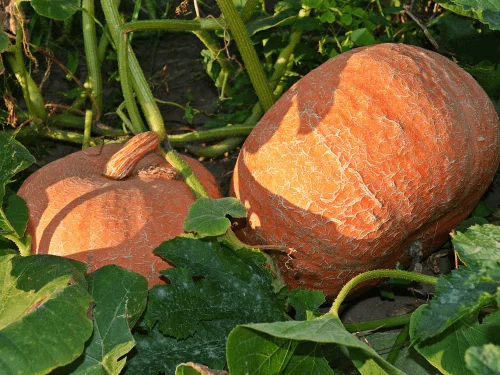
How to Grow Pumpkins Q&A
Can I grow pumpkins in a small home garden?
Yes. Choose bush or miniature varieties, grow vines on a trellis, or use raised beds. Plan on one or two plants per hill and prune vines when space is tight.
When should I plant pumpkins for Halloween?
Plant seeds in late May or early June in most climates. Count back from your first frost date and allow for 90 to 120 days of growth.
Why does my pumpkin plant have flowers but no fruit?
Male flowers appear first, so early flowers will not set fruit. If female flowers open but fail to fruit, you probably have too few bees. Pollinate by hand in the morning.
What causes pumpkin leaves to turn white?
This is usually powdery mildew. Improve airflow, water at the base, remove infected leaves, and apply a fungicide or neem oil.
Can I eat the pumpkin I grew for carving?
Yes, though carving types are stringy and bland. Pie pumpkins are sweeter, but the seeds from any pumpkin can be roasted.
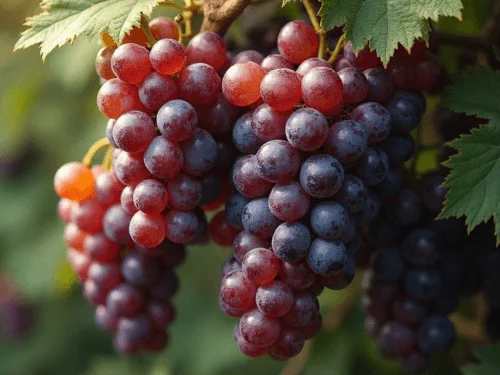
Growing Grapevines Q&A
How long does it take for a grape plant to produce fruit?
Most young vines need two to three years after planting before they set a full crop, though a few clusters may appear in year two. Patience pays off — established vines can keep producing for 40 years or more.
Do I need more than one vine to grow grapes?
No. Since most grape varieties are self-fertile, one plant is enough to produce fruit on its own. Planting a second variety nearby is optional and mainly helps with cross-pollination in a few less common types.
Can grape vines grow in containers?
Yes, though grape vines grow best planted directly in the ground, where the root system has room to spread. A large container works for a year or two, but expect to transplant once the vine outgrows the pot.
Why aren't my grapes ripening?
Grapes ripen slowly compared to many fruits, and cool weather, too much shade, or overcrowded canes can all delay the process. Give the vine full sun, thin the clusters, and be patient through the growing season.
What's the difference between table grapes and wine grapes?
Table grapes are bred for fresh eating, with thinner skins and fewer seeds, while wine grapes tend to have thicker skins, more seeds, and higher sugar content suited to fermentation.
Are grape vines toxic to pets?
Grapes and grape leaves are not toxic to people, but grapes and raisins are toxic to dogs and can cause kidney damage, so keep fallen fruit cleaned up if pets have access to the vineyard.
Bee Garden Q&A
What flowers attract the most bees to a garden?
Bees are generally drawn to flowers that are blue, purple, yellow, or white, and that offer easy access to nectar and pollen. Lavender, bee balm, sunflower, and coneflower are some of the most reliable plants that attract bees to a home garden.
Do I need to avoid pesticides in a bee-friendly garden?
Yes, whenever possible. Insecticide and pesticide products can harm adult bees and their larva, even in small amounts. Choosing natural pest control methods helps keep your garden safe for visiting bees.
Can a small home garden still support pollinators?
Absolutely. Even a few containers of zinnias, salvia, or crocus on a balcony can offer pollen and nectar for local bees. Bees will travel between small garden spaces, so every bit of habitat helps.
Do bees need more than just flowers?
Yes. Bees also need nesting sites and water. Ground-nesting bees need patches of bare soil, while a shallow bee bath gives bees a safe spot to drink, especially in hot weather.
Will planting a pollinator garden really help save the bees?
It genuinely can. As natural habitat shrinks, home gardens have become an important food source and shelter for bees, including many native bee species. A well-planned bee garden supports pollination for your own flowers and vegetables while helping the wider bee population.
What is the best USDA zone for growing a bee garden?
There is no single best zone. Most of the plants above grow well across USDA zones 4 through 9, and gardeners in colder or warmer zones can simply choose varieties suited to their climate, or grow warm-season bees favorites like sunflower and zinnia as annuals.
If you’ve ever looked at a cluster of fresh, earthy fungi at a farmer's market and wondered if you could produce them yourself, the answer is a resounding yes. For a beginner, the prospect of growing mushrooms might seem like a complex science experiment involving lab coats and petri dishes, but it is actually one of the most rewarding and simple ways to produce your own food.
In this comprehensive beginner’s guide to growing, we will demystify the process and show you how to grow mushrooms at home with confidence. Whether you want to grow indoors or start a small garden patch, this guide will cover the best mushrooms for your first project and the essential steps to ensure a bountiful harvest.
12 Beginner-Friendly Mushroom Varieties
1. Pearl Oyster Mushroom (Pleurotus ostreatus)
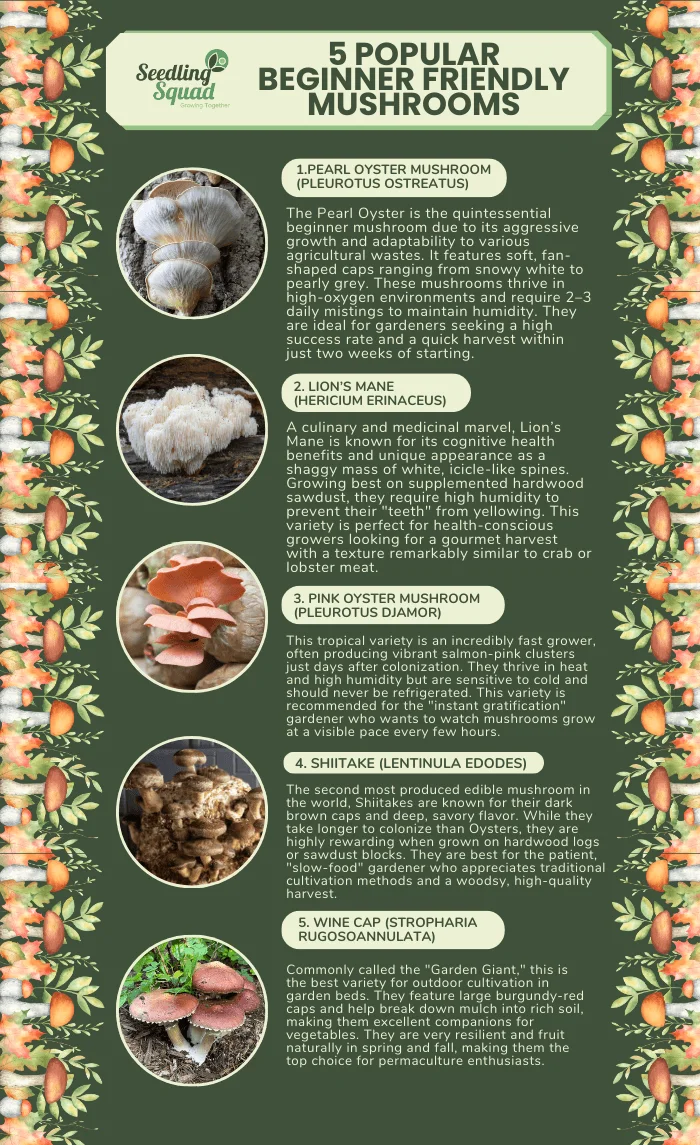
The Pearl Oyster is a quintessential mushroom for beginners due to its aggressive growth and adaptability. Historically found on decaying logs in temperate forests, this mushroom variety is a staple of mushroom farming. Physically, they feature soft, fan-shaped caps ranging from 5 to 25 cm in diameter. While they lack traditional "blooms" or "leaves," their caps range from snowy white to pearly grey, with white gills running down a very short stem. They thrive in environments with high oxygen and can be grown on a wide range of agricultural waste. Care involves ensuring the substrate stays damp but not soggy; misting the air around them 2–3 times a day is vital to maintain humidity. They prefer indirect light—just enough to read a book by—and moderate household temperatures. This variety is recommended for the beginner gardener who seeks a high-success rate and a quick harvest within two weeks of starting.
Soil: Pasteurized straw, aspen wood chips, or used coffee grounds
Water: Mist 2–3 times daily to maintain surface moisture
Light: Indirect ambient light; avoid direct sun
Humidity: 80% – 90%
Fertilizer: Not needed; they consume the substrate
Temperature: 15°C – 24°C (59°F – 75°F)
USDA Zone: 4–8
2. Lion’s Mane (Hericium erinaceus)
Lion’s mane mushrooms are a culinary and medicinal marvel, often called the "brain mushroom" due to their cognitive health benefits. Unlike standard edible mushrooms, they do not have caps or gills; instead, they appear as a white, shaggy mass of icicle-like "teeth" or spines that can grow 10 to 40 cm wide. They are native to North America and Asia, typically found hanging from hardwood trees. In a home for beginners, they thrive best on supplemented hardwood sawdust. Caring for them involves keeping the humidity consistently high; if the white spines turn yellow or brown, the air is too dry. They require very little light and prefer stable indoor temperatures. This variety is recommended for the health-conscious gardener or food enthusiast who wants to grow gourmet mushrooms with a texture remarkably similar to crab or lobster meat.
Soil: Hardwood sawdust (oak/beech) supplemented with wheat bran
Water: Fine misting around the fruiting site to keep the "teeth" hydrated
Light: Low to moderate indirect light
Humidity: 85%+
Fertilizer: Nitrogen-rich supplements like bran mixed into the substrate
Temperature: 18°C – 24°C (64°F – 75°F)
USDA Zone: 3–9
3. Golden Oyster Mushroom (Pleurotus citrinopileatus)
The Golden Oyster is a stunning type of mushroom originally native to eastern Russia and northern China. They grow in dense, overlapping clusters of vibrant, sun-yellow caps that are relatively small (2 to 5 cm) and thin. These mushrooms start as tiny yellow "pins" and expand into delicate, funnel-shaped structures. They thrive in warmer growing conditions, making them a great choice for beginners during the summer months. To care for them, provide plenty of fresh air exchange to prevent the stems from getting too long and "leggy." They need more light than other oysters to maintain their bright pigment, and they require heavy misting because their thin caps dry out quickly. This variety is recommended for the aesthetic gardener who desires a beautiful, "flowering" display on a kitchen counter or in a grow tent.
Soil: Straw, cotton waste, or chopped hardwood
Water: Heavy misting; they are very thirsty
Light: Bright indirect light to enhance yellow coloration
Humidity: 80% – 90%
Fertilizer: None required
Temperature: 21°C – 30°C (70°F – 86°F)
USDA Zone: 6–10
4. Pink Oyster Mushroom (Pleurotus djamor)
The Pink Oyster is a tropical variety of mushroom that brings a splash of salmon-pink color to the indoor farm. They are incredibly fast growers, often producing fresh mushrooms just days after the mushroom mycelium fully colonizes the bag. The caps are ruffled and vibrant pink, though they fade to a pale peach as they age or when they are cooked. They thrive in heat and high humidity, making them one of the few mushrooms that can be grown easily in humid, tropical climates. Care involves keeping them in a warm spot—the cold will kill the fungus, so they must never be refrigerated. Mist them frequently to mimic a tropical rainforest environment. This variety is recommended for the "instant gratification" gardener who wants to watch them grow at a visible pace every few hours.
Soil: Wheat straw or sugarcane bagasse
Water: Mist frequently; they thrive in "steamy" environments
The Blue Oyster is a cold-weather variant that is perfect for beginners living in chilly climates. These mushrooms reach maturity with deep, steely-blue caps that eventually fade to a sophisticated grey. They grow in large, thick clusters and are much heartier than their pink or golden cousins. They thrive in the fall and spring and are also relatively easy to grow in unheated basements or garages. To care for them, a "cold shock" may be needed by putting the mushroom kit in a cool area to trigger the fruiting process. They need a moderate amount of light to develop their deep blue hue. This variety is recommended for the gardener with a cool workspace or basement who wants a meaty, savory mushroom to grow during the winter or autumn months.
Soil: Hardwood logs or pasteurized straw
Water: Regular misting 2-3 times a day
Light: Low to medium indirect light
Humidity: 80%+
Fertilizer: None
Temperature: 12°C – 20°C (54°F – 68°F)
USDA Zone: 4–8
6. Shiitake (Lentinula edodes)
Shiitake mushrooms have been cultivated for over 1,000 years and are the second most produced edible mushrooms in the world. They have a classic appearance: a dark brown, umbrella-shaped cap (5 to 10 cm) with white, "flocky" scales and white gills. In nature, they grow on fallen broadleaf trees, and for home growers, they are best grown on hardwood logs in a shaded garden or on sawdust blocks. Caring for them requires patience, as the mycelium takes longer to colonize the substrate than oysters. If growing on logs, they must be "shocked" by soaking in cold water to help the mushrooms fruit. This variety is recommended for the patient, "slow-food" gardener who enjoys traditional methods and wants a highly flavorful, woodsy harvest that produces for several years on logs.
Soil: Oak or Beech logs; or supplemented hardwood sawdust
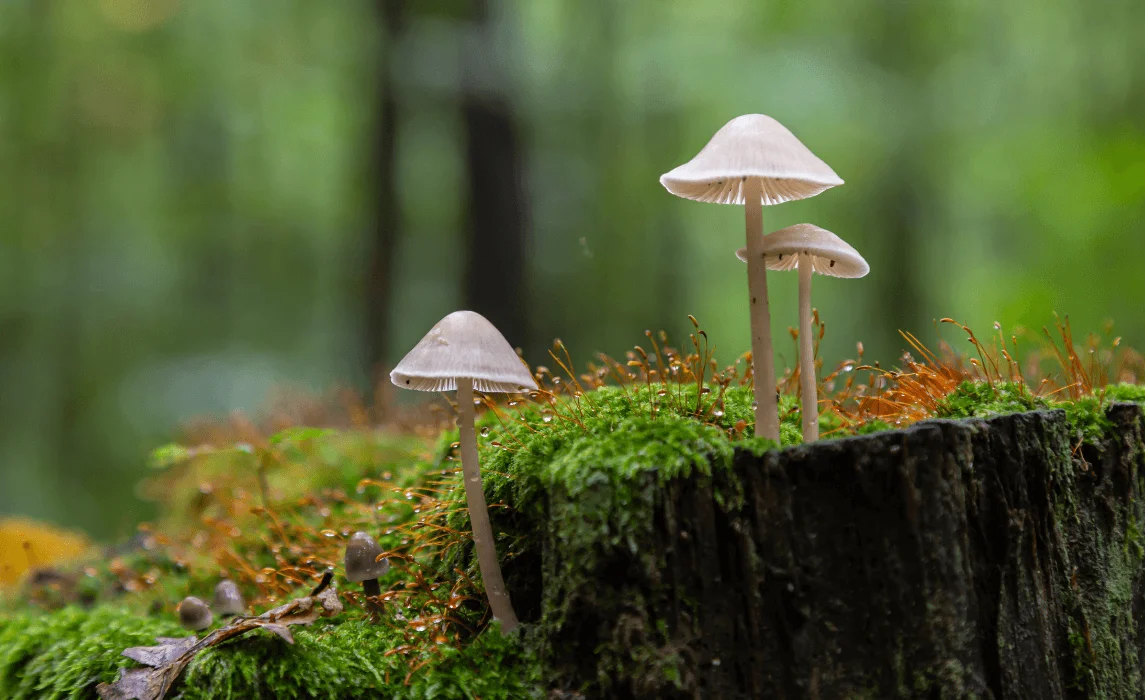
Discover simple steps for starting your own mushroom cultivation at home — perfect for beginners eager to grow fresh fungi.
7. King Trumpet (Pleurotus eryngii)
The King Trumpet, also known as the King Oyster, is a regal mushroom variety known for its massive, succulent stem and relatively small, tan cap. Unlike other oysters that grow in clusters, these often grow as individual, thick stalks that can reach 10 to 15 cm in height. They thrive in high-CO2 environments, which is why they are usually easy to grow indoors in a controlled mushroom grow kit. Care is slightly more technical; to get the large, meaty stems, airflow must be limited slightly compared to other varieties. They prefer cool temperatures and consistent humidity. This variety is recommended for the culinary gardener who loves to use mushrooms as a meat substitute, as the stems can be sliced into thick "scallops" or grilled like steaks.
Soil: Supplemented hardwood sawdust or cereal straws
Water: Fine mist; avoid getting water trapped in the caps
Light: Moderate indirect light
Humidity: 85% – 90%
Fertilizer: Bran or soy hulls mixed into the substrate
Temperature: 15°C – 18°C (59°F – 64°F)
USDA Zone: 6–8
8. Wine Cap (Stropharia rugosoannulata)
Known as the "Garden Giant," the Wine Cap is the best mushroom to grow directly in outdoor garden beds. These mushrooms can be grown alongside vegetables, as they help break down mulch into rich soil. They feature a stunning burgundy-red cap that can grow as large as a dinner plate, paired with thick white stems and a jagged ring around the stalk. They thrive in wood chip mulch or straw beds and are very resilient to the elements. Care is simple: once the garden mulch is inoculated, the area must be kept moist during dry spells. They will naturally fruit in the spring and fall whenever the temperature is right. This variety is recommended for the permaculture gardener who wants to integrate mushroom cultivation into an existing outdoor landscape or orchard.
Soil: Hardwood wood chips or straw mulch
Water: Keep mulch damp like a wrung-out sponge
Light: Partial shade to full shade
Humidity: Ambient outdoor humidity
Fertilizer: None; they consume the woody mulch
Temperature: 15°C – 25°C (60°F – 77°F)
USDA Zone: 4–9
9. Reishi (Ganoderma lucidum)
Reishi is a legendary medicinal mushroom variety often called the "Mushroom of Immortality." Historically reserved for royalty, it grows as a woody, kidney-shaped shelf with a spectacular red-to-orange "varnished" finish. It doesn't have soft blooms or leaves; instead, it feels like polished wood. They thrive on hardwood logs or in plastic bag setups where they can grow "antlers" if CO2 is high. Caring for Reishi is easy because they are very resistant to pests and mold. They prefer warm, humid environments and can be left to grow for several months until the white "growing edge" disappears. This variety is recommended for the patient, "apothecary" gardener who wants to grow mushrooms for medicinal teas and tinctures rather than culinary sautéing.
Soil: Hardwood logs or sterilized sawdust blocks
Water: Minimal misting once the shelf forms
Light: Very low light
Humidity: 80% – 90%
Fertilizer: None
Temperature: 21°C – 27°C (70°F – 80°F)
USDA Zone: 4–10
10. Chestnut Mushroom (Pholiota adiposa)
The Chestnut mushroom is a favorite for home growers because of its beautiful, scaly appearance and crunchy texture. They grow in dense, tight clusters of golden-brown caps (3 to 7 cm) covered in small white spikes or "scales." They thrive in cool, damp conditions and are a gourmet mushroom that holds its snap even after cooking. Care involves maintaining very high humidity; the caps are slightly "slimy" or "viscid" when healthy, which helps them stay hydrated. They take a bit longer than oysters to start growing, but the yield is often very high. This variety is recommended for the intermediate beginner who has successfully grown Oysters and is ready for a slightly more specialized and visually striking mushroom variety.
Soil: Supplemented hardwood sawdust
Water: Consistent misting; do not let the pinning surface dry out
Light: Indirect light
Humidity: 90%+
Fertilizer: Hardwood-specific supplements like bran
Temperature: 13°C – 18°C (55°F – 65°F)
USDA Zone: 5–8
11. White Button / Cremini (Agaricus bisporus)
The White Button is the most recognizable mushroom in the world and is actually the same species as the Portobello. These produce small, round, white or light-brown caps with pink gills that turn brown as they age. Unlike the wood-loving mushrooms for beginners listed above, these thrive in rich, composted manure and soil-like environments. They are typically grown indoors in trays or specialized grow kits. Care requires keeping a "casing layer" of peat moss moist on top of the compost to trigger the mushroom growth. They are the only variety on this list that prefers total darkness for commercial-looking results. This variety is recommended for the traditional gardener who wants to produce familiar grocery store staples at a much higher quality than store-bought.
Soil: Pasteurized, manure-based compost
Water: Keep the top casing layer moist
Light: Total darkness is ideal
Humidity: 80% – 90%
Fertilizer: Provided by the nutrient-rich compost
Temperature: 15°C – 20°C (59°F – 68°F)
USDA Zone: Indoors
12. Enoki (Flammulina velutipes)
Enoki mushrooms are unique in that they look vastly different in the wild versus cultivation. For home growers, they are typically grown in high-CO2 environments to produce the long, thin, white stalks seen in soups. They have tiny caps and are very cold-hardy, originally thriving on hackberry trees. To care for them indoors, they are often grown in jars or tall plastic bags to stretch the stems. They thrive in very cool temperatures, making them one of the best mushrooms for winter indoor growing. They require high humidity and very little light to remain white. This variety is recommended for the adventurous gardener who enjoys specialized indoor techniques and wants to produce delicate, crunchier fungi for Asian-inspired dishes.
Soil: Hardwood sawdust or straw
Water: Mist the inside of the grow container
Light: Dark for white Enoki; light for brown "wild" Enoki
Humidity: 80% – 85%
Fertilizer: None
Temperature: 10°C – 15°C (50°F – 59°F)
USDA Zone: 2–9
Frequently Asked Questions:
1. Do mushrooms need total darkness?
No, most mushrooms don’t. Oysters, Lion's Mane, and Shiitake need a little light to develop their colors and shapes properly. A kitchen counter away from direct sunlight is usually perfect.
2. Can mushrooms be grown from store-bought ones?
While possible through "cloning," it is difficult for a beginner. It is much more successful to start growing using a mushroom kit or purchased spawn from a reputable supplier.
3. What is the fastest mushroom to grow?
Pink Oyster mushrooms are the speed champions, often ready for harvest within 3 to 5 days of the first "pins" appearing.
Related posts
Here are some articles you might be interested in.


.webp)
.webp)
.webp)
.webp)
.webp)
.webp)

.webp)
.webp)
.webp)
.webp)
.webp)
.webp)