Growing Spaghetti Squash: A Complete Guide for Beginners
Published on
January 20, 2025
Author
Ryan Johnson
Ryan Johnson relocated to his grandfather's old farm when he was 22 years old where he discovered the joys of farming and gardening. With his cool demeanor and strong-willed passion for the agrarian lifestyle, he now shares his know-how to aspiring gardeners.
Growing Grapevines Q&A
How long does it take for a grape plant to produce fruit?
Most young vines need two to three years after planting before they set a full crop, though a few clusters may appear in year two. Patience pays off — established vines can keep producing for 40 years or more.
Do I need more than one vine to grow grapes?
No. Since most grape varieties are self-fertile, one plant is enough to produce fruit on its own. Planting a second variety nearby is optional and mainly helps with cross-pollination in a few less common types.
Can grape vines grow in containers?
Yes, though grape vines grow best planted directly in the ground, where the root system has room to spread. A large container works for a year or two, but expect to transplant once the vine outgrows the pot.
Why aren't my grapes ripening?
Grapes ripen slowly compared to many fruits, and cool weather, too much shade, or overcrowded canes can all delay the process. Give the vine full sun, thin the clusters, and be patient through the growing season.
What's the difference between table grapes and wine grapes?
Table grapes are bred for fresh eating, with thinner skins and fewer seeds, while wine grapes tend to have thicker skins, more seeds, and higher sugar content suited to fermentation.
Are grape vines toxic to pets?
Grapes and grape leaves are not toxic to people, but grapes and raisins are toxic to dogs and can cause kidney damage, so keep fallen fruit cleaned up if pets have access to the vineyard.
Bee Garden Q&A
What flowers attract the most bees to a garden?
Bees are generally drawn to flowers that are blue, purple, yellow, or white, and that offer easy access to nectar and pollen. Lavender, bee balm, sunflower, and coneflower are some of the most reliable plants that attract bees to a home garden.
Do I need to avoid pesticides in a bee-friendly garden?
Yes, whenever possible. Insecticide and pesticide products can harm adult bees and their larva, even in small amounts. Choosing natural pest control methods helps keep your garden safe for visiting bees.
Can a small home garden still support pollinators?
Absolutely. Even a few containers of zinnias, salvia, or crocus on a balcony can offer pollen and nectar for local bees. Bees will travel between small garden spaces, so every bit of habitat helps.
Do bees need more than just flowers?
Yes. Bees also need nesting sites and water. Ground-nesting bees need patches of bare soil, while a shallow bee bath gives bees a safe spot to drink, especially in hot weather.
Will planting a pollinator garden really help save the bees?
It genuinely can. As natural habitat shrinks, home gardens have become an important food source and shelter for bees, including many native bee species. A well-planned bee garden supports pollination for your own flowers and vegetables while helping the wider bee population.
What is the best USDA zone for growing a bee garden?
There is no single best zone. Most of the plants above grow well across USDA zones 4 through 9, and gardeners in colder or warmer zones can simply choose varieties suited to their climate, or grow warm-season bees favorites like sunflower and zinnia as annuals.
Hypoallergenic Plants Q&A
Do houseplants cause allergies?
Yes, certain indoor plants can trigger a plant allergy through loose pollen, scented flowers, sap, dust, or damp soil. Allergies and houseplants are highly individual: one person may sneeze near peace lilies while another has no response. Overwatering lets mold produce a spore that may become airborne. If symptoms begin after adding plants in your home, isolate each pot, clean the area, and discuss persistent allergy symptoms with a qualified clinician.
Which plants to avoid?
Plants to avoid include strongly fragrant flowers, visibly dusty specimens, and wind-pollinated garden plants brought inside while shedding. Male palms can release pollen if they flower, and wet potting mix can make allergies worse. The best and worst choices depend on the person, so remove any plant that appears to cause pollen allergy symptoms or contact irritation.
Can indoor plants purify air?
Claims about indoor plants that purify come largely from controlled chambers. Although some air-purifying plants can take up chemicals, ordinary air purifying plants are not fast enough to replace ventilation or air cleaners in a real room. Plants can improve air quality mainly by supporting comfort and encouraging care for the space; they should not be presented as houseplants for clean air that reliably remove formaldehyde. To improve indoor air quality, control sources, ventilate safely, and use proven filtration.
How does the ogren scale work?
The Ogren Plant Allergy Scale system, also called OPALS, rates a plant's potential allergenicity from 1 to 10. It considers pollen, fragrance, and contact reactions, but the likelihood a plant will cause a reaction still depends on the individual and exposure. A high score does not prove a particular plant will cause pollen allergy, and a low score is not a medical guarantee.
Can plants help you breathe?
Allergy-friendly plants may make an indoor space calmer, but they do not treat disease or guarantee allergy relief. For people with allergies, clean leaves, dry saucers, fresh potting mix, and steady air circulation matter more than labels such as hypoallergenic plants. These indoor plants that are allergy-safe can help you breathe easier only by limiting likely triggers; they cannot help you breathe during an asthma attack.
This disclosure clearly states that the content creator may earn a commission if readers make a purchase through the provided links. Learn more
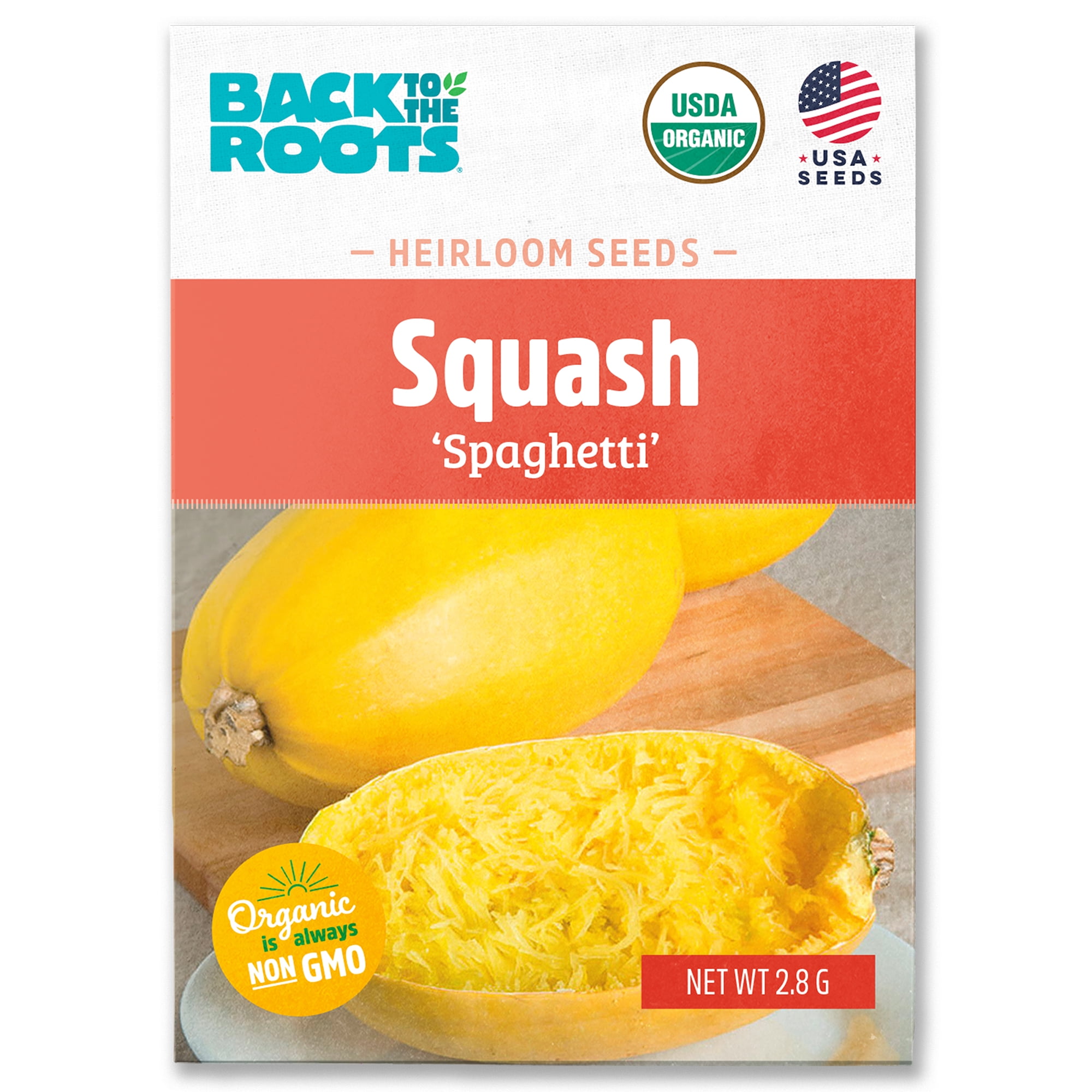
Spaghetti squash is a member of the Cucurbitaceae family, which includes pumpkins, cucumbers, and melons. It's an oblong, yellow fruit that can range in size from 2 to 5 pounds. When cooked, its flesh separates into strands that look remarkably like spaghetti, hence the name.
I remember the first time I cooked spaghetti squash. I had heard a lot about it but was skeptical about whether it would really resemble spaghetti. One evening, with a little trepidation, I decided to give it a try. As I scraped the flesh with a fork, it transformed into perfect spaghetti-like strands right before my eyes. The real magic happened when I tasted it—it was delicious, light, and paired wonderfully with my homemade marinara sauce. Since that day, spaghetti squash has become a staple in my kitchen, a go-to for a healthy and satisfying meal.
In this article, we will explore everything you need to know about spaghetti squash—from its characteristics to planting, growing, and harvesting, as well as how to store it and handle common pests and diseases.
Characteristics of Spaghetti Squash
Size: Spaghetti squash fruits typically range from 8 to 12 inches in length and 4 to 6 inches in diameter. These dimensions allow the squash to produce a substantial amount of flesh inside, making them ideal for use in various recipes that require a vegetable substitute for pasta.
Plant Type: Spaghetti squash grows on a sprawling vine that can extend up to 20 feet in length. This vining nature requires ample space in the garden or a trellis system for support. The vines produce large, lobed leaves and yellow flowers, which eventually develop into the squash fruits.
Days to Harvest: From planting to harvest, spaghetti squash requires approximately 90 to 110 days. This period includes the time needed for the seeds to germinate, the vines to grow and spread, and the fruits to mature fully. The specific number of days can vary based on growing conditions such as climate, soil quality, and care practices.
Flesh: The flesh of spaghetti squash is pale yellow and transforms into spaghetti-like strands when cooked. This unique characteristic makes it a popular low-carb alternative to traditional pasta. When baked, boiled, or microwaved, the flesh softens and can be easily separated into long, thin strands using a fork.
Skin: The skin of mature spaghetti squash is hard and yellow, with a tough outer shell that effectively protects the flesh inside. This durability makes the squash suitable for storage over several months, provided it is kept in a cool, dry place. The tough skin needs to be cut or pierced before cooking to allow steam to escape and ensure even cooking.
Planting spaghetti squash can be a rewarding endeavor, especially if you enjoy its unique texture and flavor. Here’s a detailed guide to help you successfully plant and grow spaghetti squash:
When to Plant
Spaghetti squash should be planted in late spring to early summer, once all danger of frost has passed and the soil has warmed to at least 70°F (21°C). This temperature ensures that the seeds will germinate successfully and the young plants will thrive. In most regions, this optimal planting time means sowing seeds outdoors in late May to early June. For gardeners in warmer climates, planting may occur a bit earlier, while those in cooler regions might need to wait until early June. It’s crucial to monitor local weather patterns and soil temperatures to determine the best planting time.
How to Plant
Choose a Site:
Select a sunny location that receives at least 6 to 8 hours of direct sunlight per day. Spaghetti squash vines are vigorous growers and need plenty of space to spread out, so ensure there is ample room for them to grow. The site should have well-drained soil to prevent waterlogging, which can lead to root rot.
Soil Preparation:
Prepare the soil by enriching it with organic matter such as compost or well-rotted manure. This improves soil structure, fertility, and moisture retention. Spaghetti squash prefers slightly acidic to neutral soil, with a pH range of 6.0 to 6.8. Conduct a soil test to determine the pH level and amend the soil accordingly if needed.
Planting Seeds:
After the last frost date and once the soil has warmed, plant the seeds directly in the ground. Create small mounds or "hills" of soil, spacing them 4-6 feet apart to allow for the extensive growth of the vines. Sow 2-3 seeds per hill, planting them about 1 inch deep. The hills will provide good drainage and encourage strong root development.
Thinning:
Once the seedlings have developed two sets of true leaves, it's time to thin them. True leaves are the second set of leaves that appear and are different from the initial seed leaves (cotyledons). Choose the strongest, healthiest seedling in each hill and remove the others by cutting them at the soil line. This thinning process reduces competition for nutrients and water, allowing the remaining seedling to grow more vigorously.
Growing Spaghetti Squash
Growing spaghetti squash can provide you with a delicious and nutritious vegetable to enjoy. Here’s a comprehensive guide to help you successfully grow spaghetti squash:
Germination
Seeds should germinate within 7-10 days if conditions are optimal. During this period, maintain a consistently moist soil environment to facilitate sprouting. Avoid waterlogging, as overly wet soil can lead to seed rot. A gentle misting or light watering can help achieve the right moisture level.
Seedling Care
As the seedlings emerge and start to grow, it's important to continue regular watering to support their development. Apply mulch around the young plants to help retain soil moisture and reduce weed growth, which can compete with seedlings for nutrients and water. Organic mulch, such as straw or wood chips, works well for this purpose.
Supporting Vines
Spaghetti squash vines are quite vigorous and can be allowed to sprawl on the ground. However, using a trellis, cage, or other support structures can save garden space and improve air circulation around the plants. This setup helps prevent diseases and makes it easier to manage and harvest the squash. Secure the vines gently to the supports to avoid damage.
Watering
Water your spaghetti squash plants deeply and regularly, ensuring they receive about 1-2 inches of water per week. Deep watering encourages the roots to grow deeper into the soil, providing better support for the plant. Always water at the base of the plants to keep the foliage dry, which helps prevent fungal diseases. Early morning watering is ideal to allow any moisture on the leaves to dry quickly.
Once the plants are established, begin a regular fertilizing routine with a balanced fertilizer, such as 10-10-10 (nitrogen-phosphorus-potassium). Apply the fertilizer every 3-4 weeks throughout the growing season. Be careful not to over-fertilize, as this can lead to excessive foliage growth at the expense of fruit development. Follow the manufacturer’s instructions for application rates.
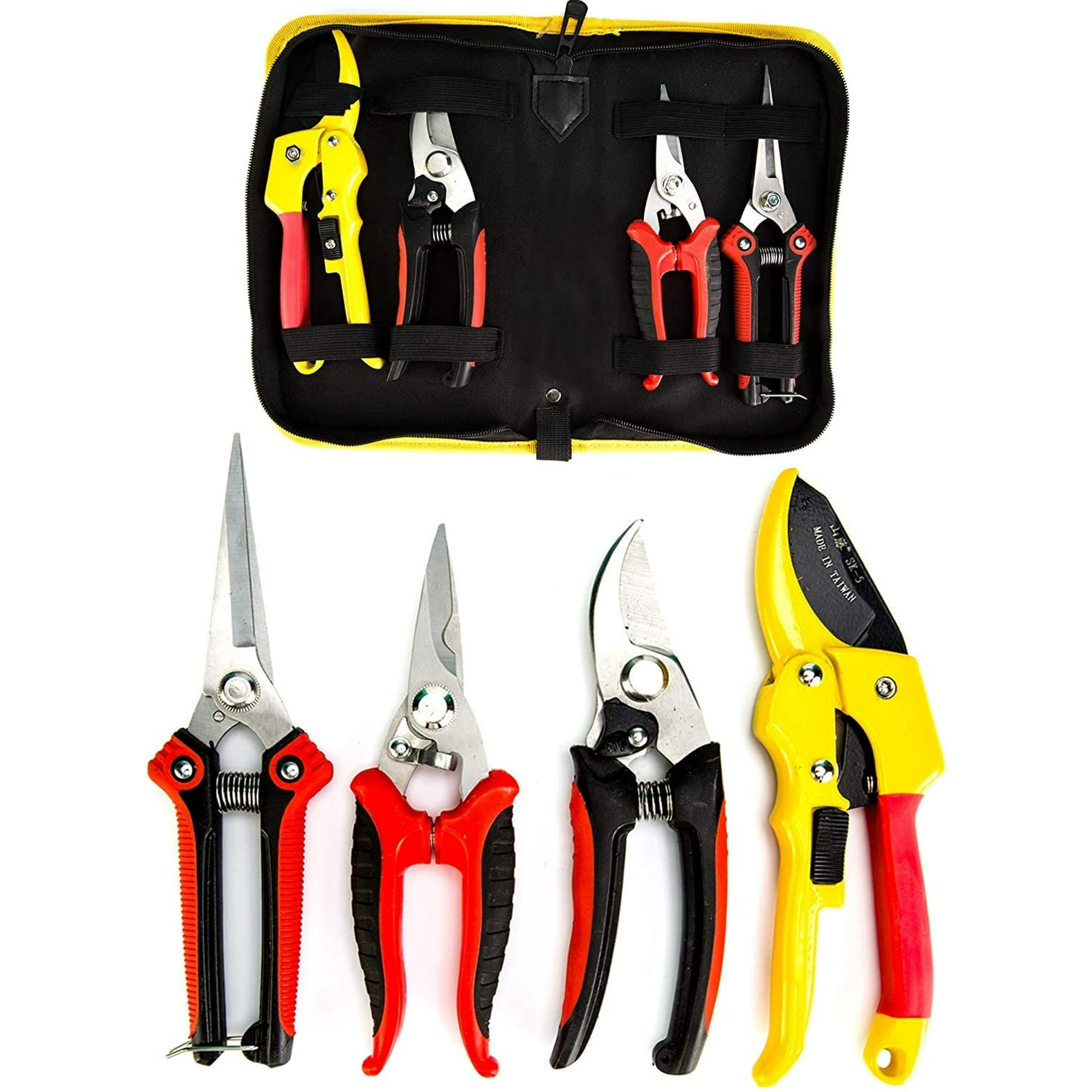
Pruning spaghetti squash plants is not strictly necessary but can be beneficial for managing plant size and directing energy towards fruit production. Remove any dead or diseased leaves promptly to maintain plant health. If the vines become overcrowded, thin them out by cutting back some of the excess growth. This helps improve air circulation and sunlight penetration, reducing the risk of disease and promoting better fruit development.
Properly storing spaghetti squash can extend its shelf life and ensure you can enjoy it throughout the winter.
Curing
To effectively cure the squash, initiate the process by carefully harvesting mature specimens with intact stems. Ensure they are free from any damage or blemishes. Place the squash in a single layer, allowing ample space for air circulation, in a warm environment with temperatures ranging between 70-80°F (21-27°C). Optimal humidity levels should be maintained, ideally around 70-80%, to facilitate proper skin hardening without promoting mold growth.
During the curing period of 1-2 weeks, periodically inspect the squash for signs of decay or soft spots, promptly removing any affected specimens to prevent the spread of spoilage. As the curing progresses, you'll notice the skin developing a tougher texture, which is indicative of successful curing and readiness for storage.
Storage Conditions
Once the curing process is complete, transfer the cured squash to an appropriate storage location. Choose a cool and consistently cool environment, ideally within the recommended range of 50-55°F (10-13°C). It's essential to maintain low humidity levels, aiming for a relative humidity of 50-70%, to prevent moisture buildup that could lead to rot or mold formation.
Select a storage area that is well-ventilated and devoid of direct sunlight, as exposure to light can cause premature deterioration. Avoid storing squash near ethylene-producing fruits, such as apples or bananas, as ethylene can accelerate ripening and lead to premature spoilage.
Shelf Life
With vigilant adherence to proper storage conditions, spaghetti squash can maintain its quality for an extended period. When stored under optimal conditions, expect a shelf life ranging from 3 to 6 months. Periodically inspect stored squash for any signs of decay or softening, promptly removing any affected specimens to prevent the spread of spoilage and maximize the longevity of your squash harvest.
Common Pests and Diseases
Pests
Squash Bugs:
These insects are notorious for sucking sap from the leaves, leading to wilting and eventual death of plants.
Effective management involves manually removing them and squashing their eggs, usually found on the undersides of leaves.
Regular monitoring and prompt action are key to preventing infestations from spiraling out of control.
Cucumber Beetles:
Besides feeding on foliage, cucumber beetles are vectors for bacterial wilt, posing a double threat to plants.
Utilizing floating row covers provides a physical barrier against these pests, while neem oil serves as a natural deterrent.
Consistent vigilance is necessary, as these beetles can rapidly colonize and devastate entire crops if left unchecked.
Squash Vine Borers:
The larvae of these pests tunnel into the vines, compromising the plant's vascular system and causing wilting.
Strategic measures such as the use of insecticides or protective row covers during vulnerable growth stages are crucial for prevention.
Early detection and intervention are critical, as once established, vine borers are challenging to eradicate and can decimate entire squash crops.
Diseases
Powdery Mildew:
Characterized by the presence of white, powdery patches on leaves, this fungal infection thrives in warm, humid conditions.
Implementing cultural practices like improving air circulation and avoiding overhead watering can help create an unfavorable environment for the pathogen.
Timely application of fungicides may be necessary in severe cases to arrest the spread and minimize damage to the plants.
Downy Mildew:
Identified by the appearance of yellow spots on leaves, downy mildew is another fungal disease that thrives in moist conditions.
Enhancing air circulation by proper spacing of plants and ensuring adequate ventilation in greenhouses can help mitigate the risk.
In cases of widespread infection, targeted application of fungicides may be warranted to prevent further deterioration of plant health.
Bacterial Wilt:
Transmitted primarily by cucumber beetles, this bacterial infection induces wilting and eventual death of affected plants.
Effective control measures involve managing cucumber beetle populations through integrated pest management strategies.
Preventive actions such as crop rotation and selecting resistant cultivars can also contribute to minimizing the incidence and severity of bacterial wilt outbreaks.
Frequently Asked Questions and Answers
Q: Can I grow spaghetti squash in containers?
A: Yes, you can grow spaghetti squash in large containers, at least 20 gallons in size. Ensure the container has good drainage and use a high-quality potting mix. Support the vines with a trellis to save space.
Q: How many spaghetti squash does a single plant produce?
A: A healthy spaghetti squash plant can produce between 4 to 8 fruits per plant, depending on growing conditions and care.
Q: Why are my spaghetti squash vines not producing fruit?
A: This could be due to poor pollination. Spaghetti squash relies on bees for pollination. If there aren't enough pollinators, try hand-pollinating flowers using a small brush.
Q: Can spaghetti squash be eaten raw?
A: While it’s safe to eat raw, spaghetti squash is typically cooked to enjoy its unique texture. Cooking helps bring out its mild, slightly sweet flavor and makes the flesh tender enough to resemble spaghetti strands.