Types Of Rooftop Garden Design And Roof Garden Ideas For Your Terrace
Published on
June 1, 2026
Author
Zuri Khumalo
Zuri's frequent journeys to South Africa in her youth ignited her fervor for environmental science, gardening, and sustainable living. These travels deepened her connection with nature, inspiring her to contribute to conservation efforts in her own meaningful ways.
How to Grow Pumpkins Q&A
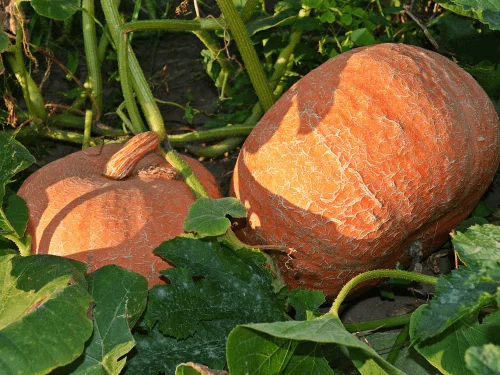
Can I grow pumpkins in a small home garden?
Yes. Choose bush or miniature varieties, grow vines on a trellis, or use raised beds. Plan on one or two plants per hill and prune vines when space is tight.
When should I plant pumpkins for Halloween?
Plant seeds in late May or early June in most climates. Count back from your first frost date and allow for 90 to 120 days of growth.
Why does my pumpkin plant have flowers but no fruit?
Male flowers appear first, so early flowers will not set fruit. If female flowers open but fail to fruit, you probably have too few bees. Pollinate by hand in the morning.
What causes pumpkin leaves to turn white?
This is usually powdery mildew. Improve airflow, water at the base, remove infected leaves, and apply a fungicide or neem oil.
Can I eat the pumpkin I grew for carving?
Yes, though carving types are stringy and bland. Pie pumpkins are sweeter, but the seeds from any pumpkin can be roasted.
Growing Grapevines Q&A
How long does it take for a grape plant to produce fruit?
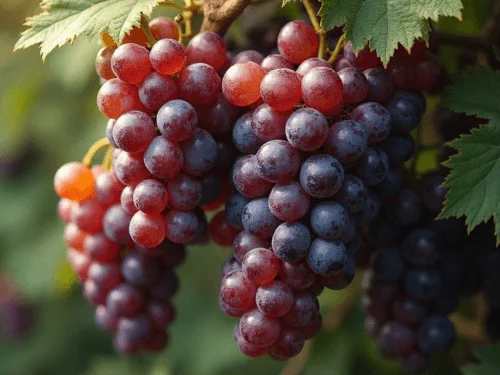
Most young vines need two to three years after planting before they set a full crop, though a few clusters may appear in year two. Patience pays off — established vines can keep producing for 40 years or more.
Do I need more than one vine to grow grapes?
No. Since most grape varieties are self-fertile, one plant is enough to produce fruit on its own. Planting a second variety nearby is optional and mainly helps with cross-pollination in a few less common types.
Can grape vines grow in containers?
Yes, though grape vines grow best planted directly in the ground, where the root system has room to spread. A large container works for a year or two, but expect to transplant once the vine outgrows the pot.
Why aren't my grapes ripening?
Grapes ripen slowly compared to many fruits, and cool weather, too much shade, or overcrowded canes can all delay the process. Give the vine full sun, thin the clusters, and be patient through the growing season.
What's the difference between table grapes and wine grapes?
Table grapes are bred for fresh eating, with thinner skins and fewer seeds, while wine grapes tend to have thicker skins, more seeds, and higher sugar content suited to fermentation.
Are grape vines toxic to pets?
Grapes and grape leaves are not toxic to people, but grapes and raisins are toxic to dogs and can cause kidney damage, so keep fallen fruit cleaned up if pets have access to the vineyard.
Bee Garden Q&A
What flowers attract the most bees to a garden?
Bees are generally drawn to flowers that are blue, purple, yellow, or white, and that offer easy access to nectar and pollen. Lavender, bee balm, sunflower, and coneflower are some of the most reliable plants that attract bees to a home garden.
Do I need to avoid pesticides in a bee-friendly garden?
Yes, whenever possible. Insecticide and pesticide products can harm adult bees and their larva, even in small amounts. Choosing natural pest control methods helps keep your garden safe for visiting bees.
Can a small home garden still support pollinators?
Absolutely. Even a few containers of zinnias, salvia, or crocus on a balcony can offer pollen and nectar for local bees. Bees will travel between small garden spaces, so every bit of habitat helps.
Do bees need more than just flowers?
Yes. Bees also need nesting sites and water. Ground-nesting bees need patches of bare soil, while a shallow bee bath gives bees a safe spot to drink, especially in hot weather.
Will planting a pollinator garden really help save the bees?
It genuinely can. As natural habitat shrinks, home gardens have become an important food source and shelter for bees, including many native bee species. A well-planned bee garden supports pollination for your own flowers and vegetables while helping the wider bee population.
What is the best USDA zone for growing a bee garden?
There is no single best zone. Most of the plants above grow well across USDA zones 4 through 9, and gardeners in colder or warmer zones can simply choose varieties suited to their climate, or grow warm-season bees favorites like sunflower and zinnia as annuals.
Imagine stepping out onto your terrace and being greeted not by a harsh, empty concrete slab, but by a lush, private oasis suspended above the city. Rooftop gardens have transformed from exclusive luxury perks into accessible, everyday retreats that help us maximize our urban spaces.
Whether you're looking to cultivate a quiet reading nook surrounded by greenery, design a vibrant outdoor lounge for entertaining friends, or even start a mini-farm for fresh herbs and vegetables, your roof holds incredible, untapped potential.
In this guide, we’ll break down the core types of rooftop garden design and share practical, inspiring roof garden ideas for your terrace to help you turn that blank slate into your new favorite "room" in the house.
10 Types Of Rooftop Garden Design
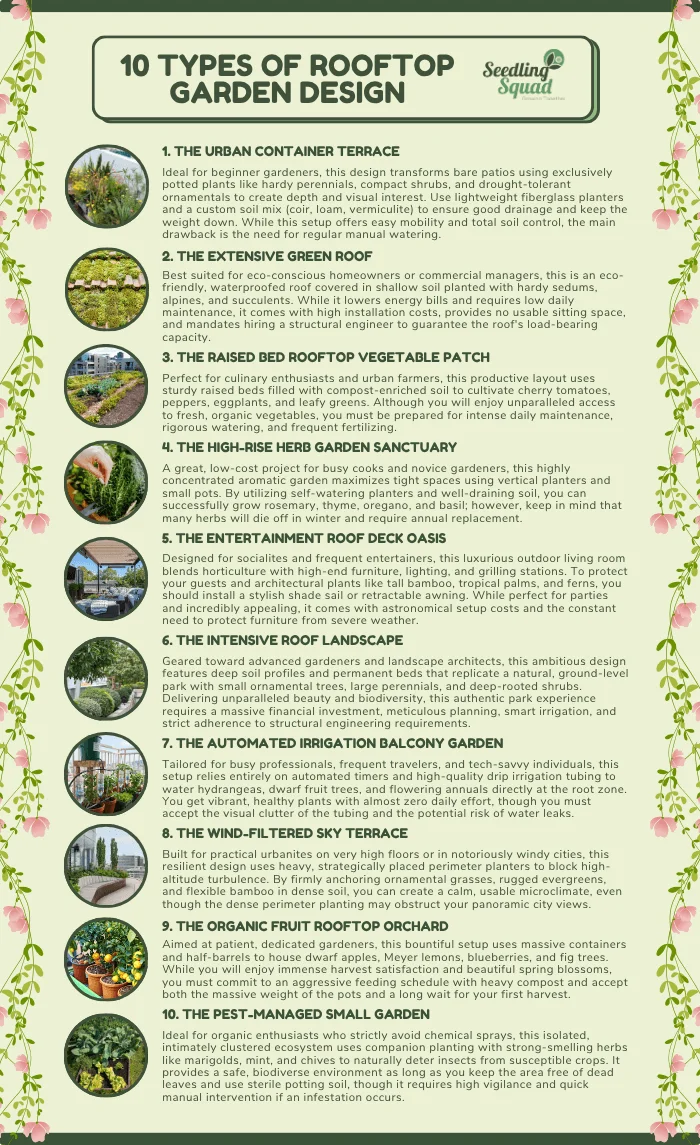
1. The Urban Container Terrace
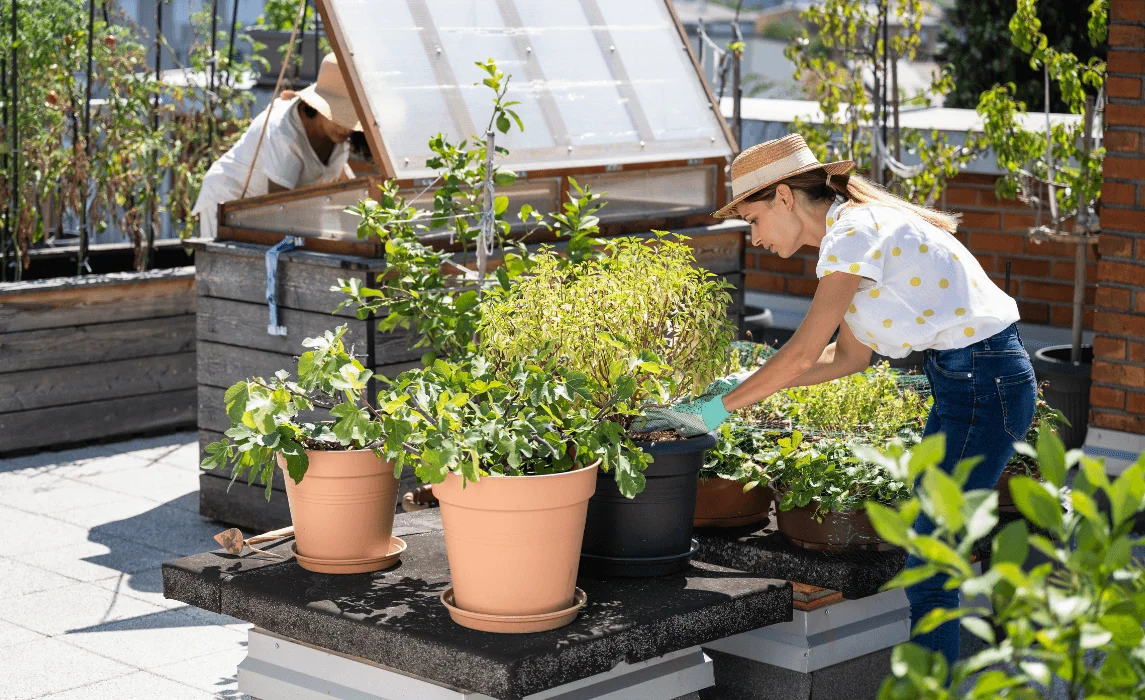
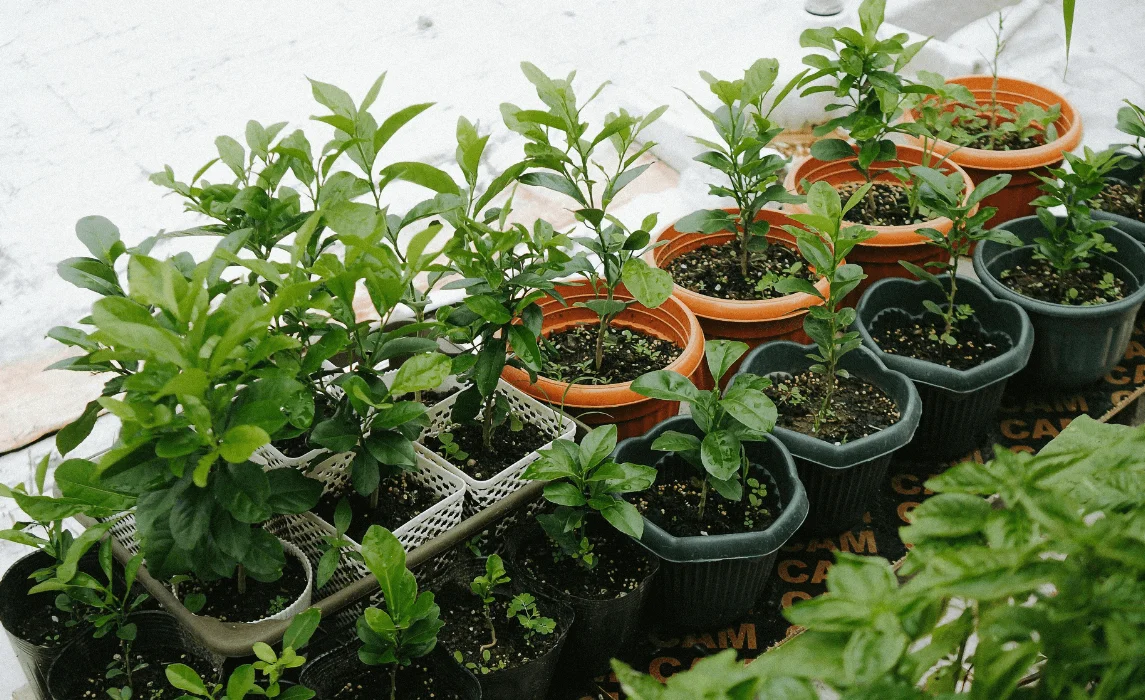
Originating from the necessity of urban gardening where ground soil is absent, this garden design transforms a bare patio or terrace into a vibrant garden space using exclusively potted plants. The design relies heavily on growing plants in containers of various sizes arranged to create depth and visual interest. The best types of plants for this setup include hardy perennial flowers, a compact shrub for structural greenery, and drought-tolerant ornamentals that thrive in hot weather. To achieve this style effectively, ensure excellent drainage in every pot, swap out heavy terracotta for a lightweight fiberglass planter, and use a custom soil mix featuring coir, loam, and vermiculite to retain moisture while keeping the weight down. This approach is highly recommended for the beginner gardener who wants flexibility without a massive structural commitment. While the pros include easy mobility and total control over the soil environment, the cons involve the constant need for manual regular watering during dry spells unless a self-watering system is utilized.
2. The Extensive Green Roof
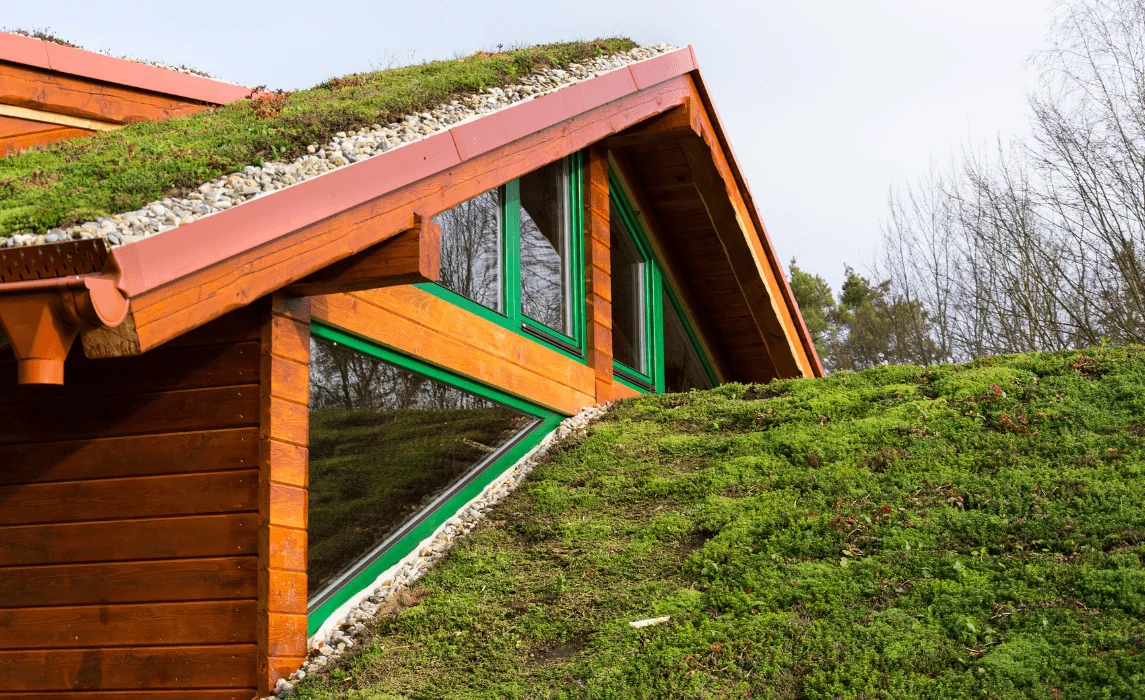
Evolving as an eco-friendly architectural trend, the extensive green roof is designed primarily for environmental benefits rather than recreational lounging. This design features a roof surface completely covered with a waterproof membrane, a specialized drainage layer, and a very shallow, lightweight soil mix planted with low-growing vegetation. The absolute best plants here are hardy sedums, alpine plants, and resilient succulents that can bake in full sun and survive with minimal water. To achieve this style, you must hire a structural engineer to guarantee the load-bearing capacity of the roof, as even shallow soil becomes incredibly heavy when saturated. This design is best recommended for the eco-conscious homeowner or commercial building manager looking to improve insulation and manage stormwater. The pros are significant environmental impact, lower energy bills, and low daily maintenance, but the cons include high initial installation costs and a lack of usable garden space for sitting or entertaining.
3. The Raised Bed Rooftop Vegetable Patch
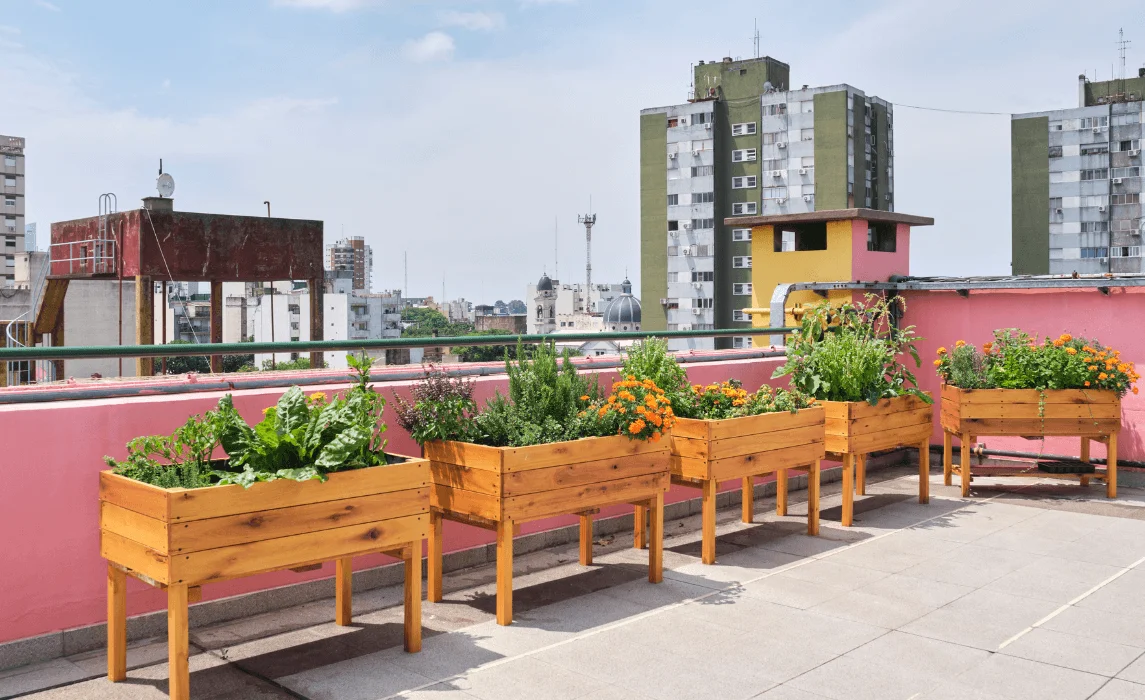
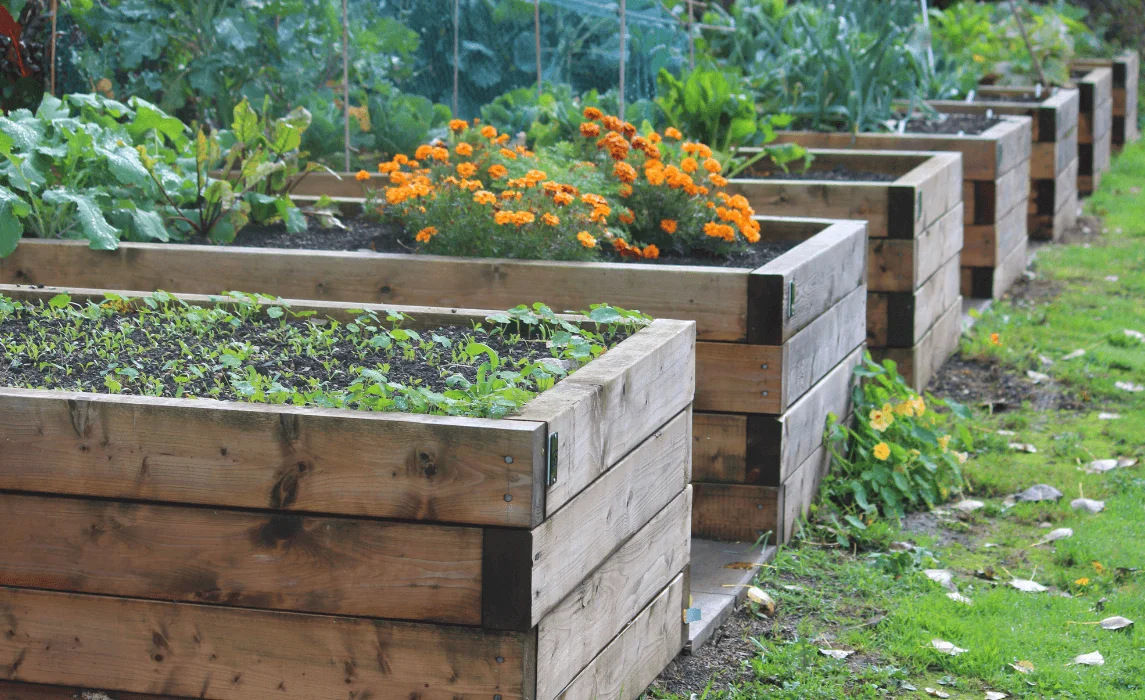
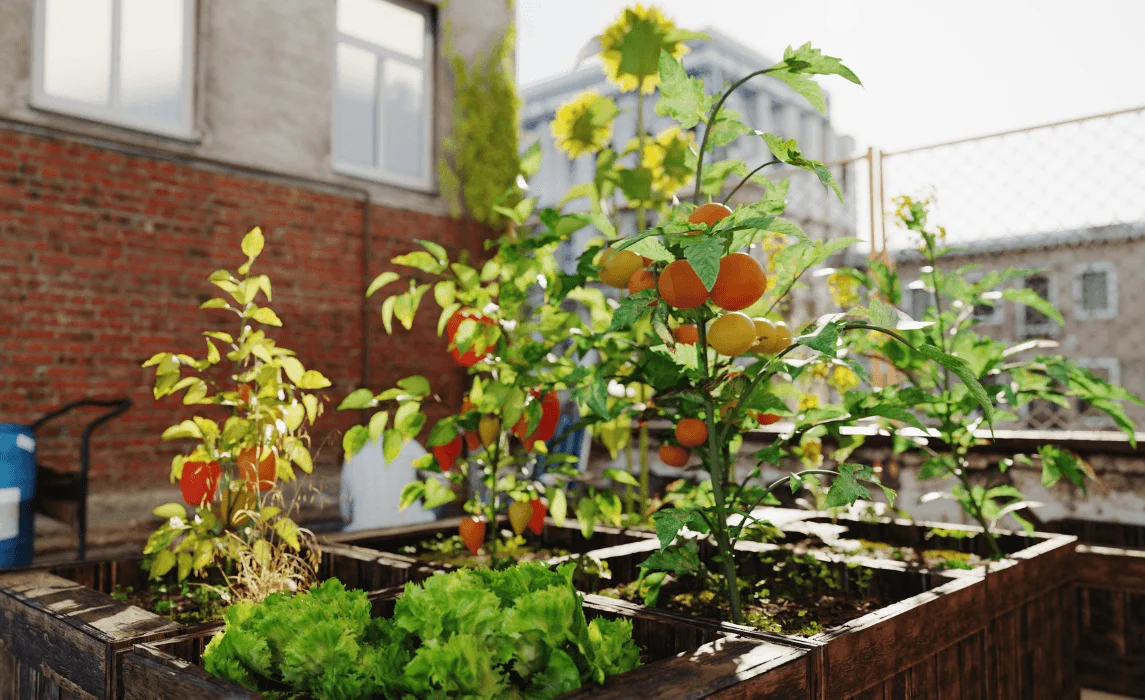
Stemming from the powerful desire for urban food independence, this productive garden idea focuses on yielding a bountiful harvest high above the city streets. The description of this design is straightforward: sturdy raised beds arranged systematically across a flat rooftop to cultivate seasonal edibles. The best types of plants are heat-loving crops that perform well in containers, such as cherry tomatoes, peppers, eggplants, and a variety of leafy greens. To achieve this style and ensure maximum yield, fill the beds with a premium lightweight potting soil enriched heavily with rich compost and worm castings, and remember to fertilize frequently throughout the long growing season. This style is recommended for the culinary enthusiast or dedicated urban farmer who loves the farm-to-table experience. The main pro is unparalleled access to fresh, organic vegetables just steps from your kitchen, while the con is that it demands intense, daily maintenance, including rigorous watering and soil management.
4. The High-Rise Herb Garden Sanctuary
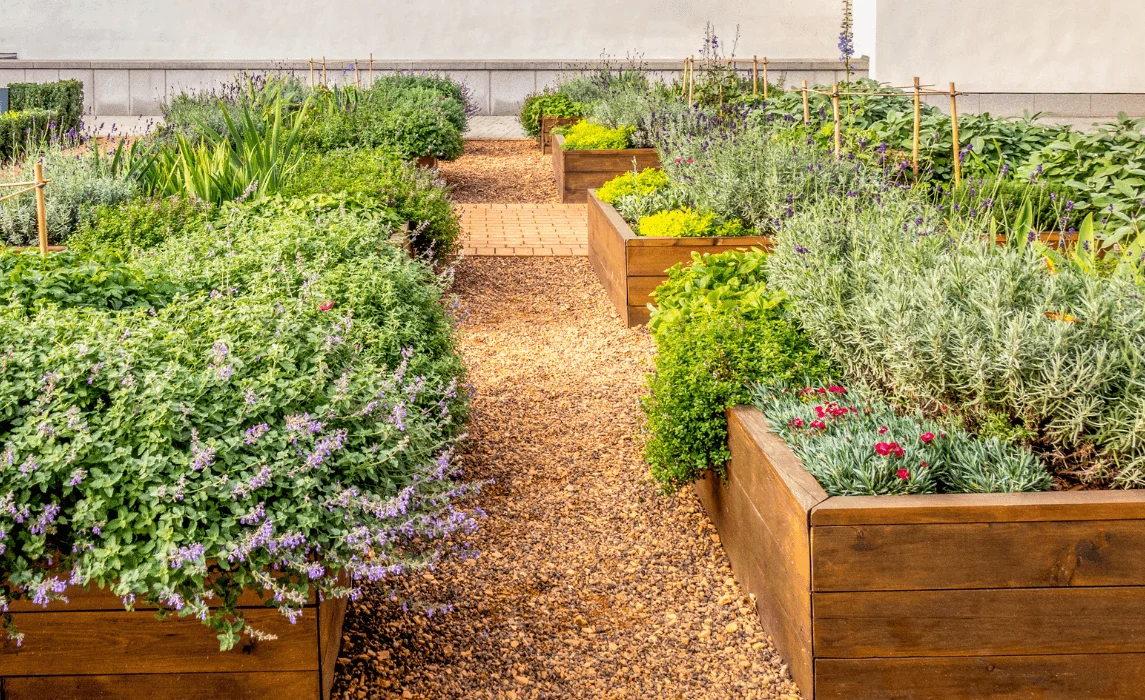
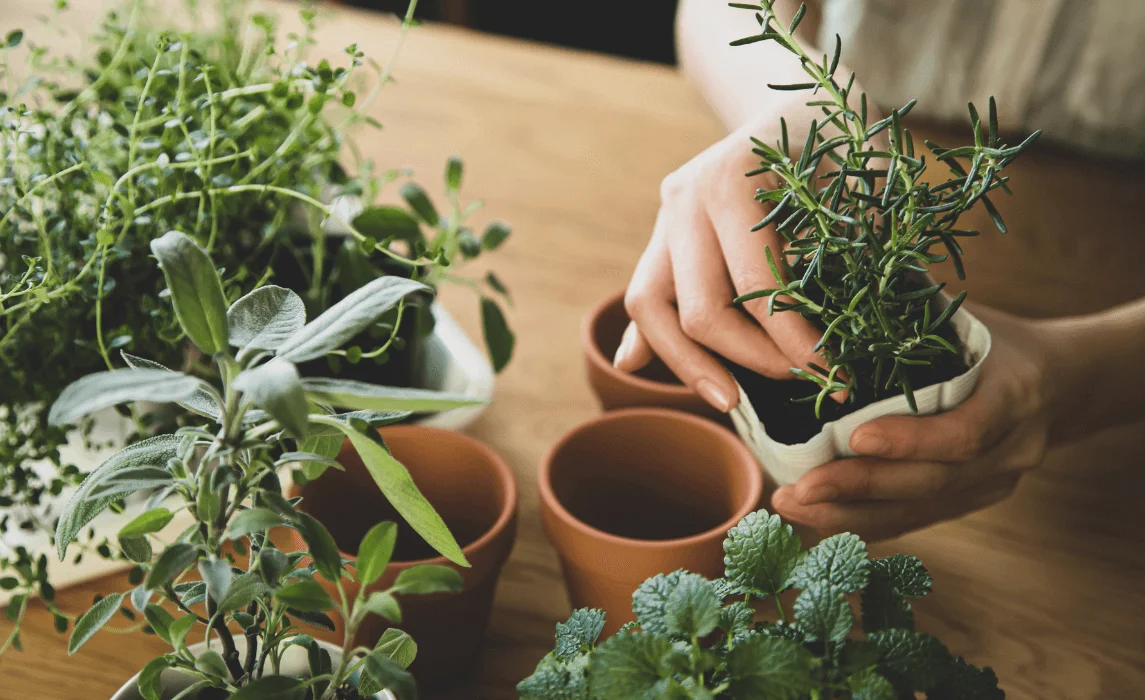
Inspired by traditional Mediterranean courtyards, this specialized roof terrace setup brings aromatic utility to small elevated spaces. This design is a concentrated, incredibly fragrant herb garden that utilizes smaller pots, vertical wall planters, or railing boxes to maximize a limited area. Herbs such as rosemary, thyme, oregano, and basil are the best plants for this environment because they absolutely thrive in the full sun and tolerate the ambient heat of a roof. To achieve this perfectly, utilize a self-watering planter system to help the plants survive intense dry spells, and use a very well-draining soil to prevent root rot. This setup is highly recommended for the busy cook or a novice gardener looking for an easy, high-reward project. The pros are its low cost, amazing culinary benefits, and relatively low space requirements, but the cons include the fact that many herbs will die off in the winter and need replacing annually.
5. The Entertainment Roof Deck Oasis
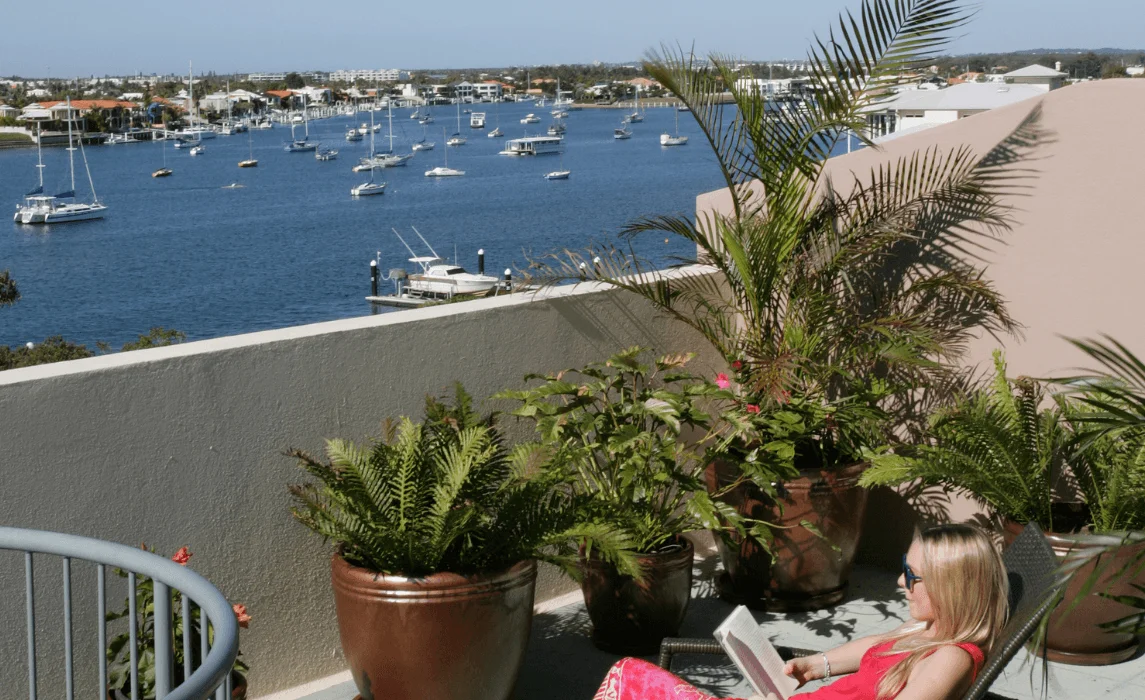
Designed as the ultimate luxurious escape from fast-paced city life, this type of rooftop garden blends horticulture with high-end outdoor living. This garden design functions as an outdoor living room or oasis, featuring comfortable weather-resistant furniture, ambient lighting, and often a built-in grill for hosting. The best plants for this luxurious space are large, dramatic architectural plants like tall bamboo, tropical palms (if climate permits), or lush, oversized ferns that create a sense of privacy and enclosure. To achieve this style comfortably, you must provide ample shade by installing a stylish shade sail, a retractable awning, or a large, heavy-duty umbrella to protect both your guests and your shade-loving plants from harsh sun and wind. This is recommended for the socialite or the entertainer who views their outdoor space as an extension of their living room. The pros are incredible aesthetic appeal and a perfect venue for parties, but the cons are the extremely high cost of setup and the need to protect expensive furniture during severe weather.
Designing a Small Garden: Top 8 Tips for a Stylish and Efficient Space
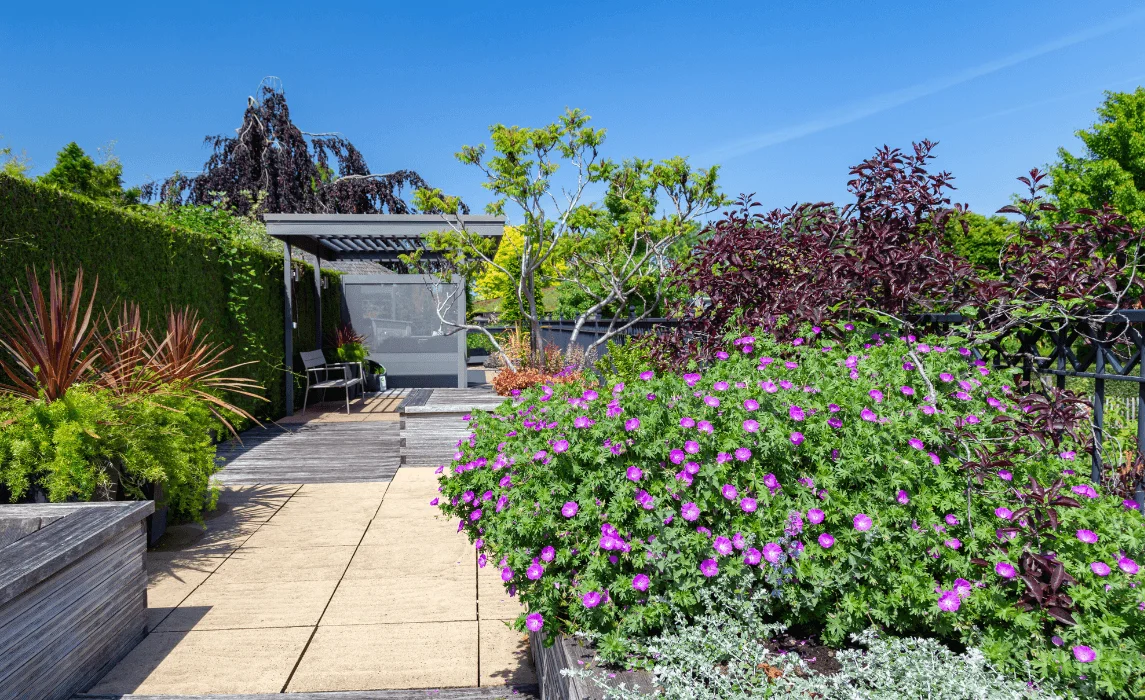
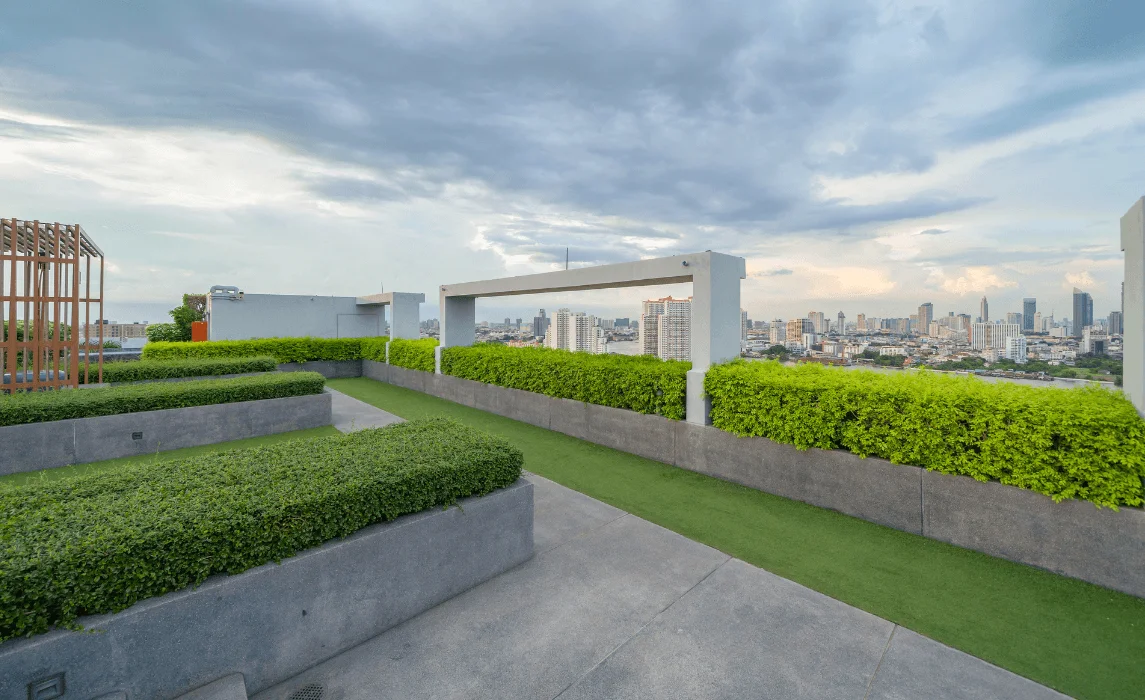
Replicating the complexity of a traditional ground-level backyard on a roof, this ambitious design pushes the boundaries of elevated horticulture. An intensive roof garden features deep soil profiles, complex hardscaping, and permanent planting beds that look and feel like a natural landscape. Because the soil is deep, the best plants include small ornamental trees, large perennial borders, and substantial, deep-rooted shrubs. To achieve this breathtaking style, meticulous planning is required, including laying extensive irrigation lines connected to a smart irrigation system, and ensuring the building's architecture can handle extreme weight restrictions. This is recommended only for the advanced gardener or someone working directly with professional landscape architects. The pros are unparalleled beauty, biodiversity, and an authentic park-like experience, but the cons are the astronomical financial investment and the requirement for professional structural engineering.
7. The Automated Irrigation Balcony Garden
Born out of the intersection between modern technology and nature, this design ensures that roof gardens and balconies survive the neglect of a busy lifestyle. This design relies entirely on automation, featuring pots and planters hooked up to an intricate network of timers and tubing. Thirsty plants that usually struggle in containers, such as hydrangeas, certain fruit-bearing dwarf trees, and lush flowering annuals, are the best choices here because their exact water needs will be met consistently. To achieve this, invest in a high-quality drip irrigation system that delivers water directly to the root zone of each pot, ensuring regular watering without flooding the balcony drainage system. This is highly recommended for the tech-savvy individual, the frequent traveler, or the busy professional who lacks time for daily chores. The pros include vibrant, healthy plants with almost zero daily effort, while the cons include the visual clutter of irrigation lines and the risk of system malfunctions causing water damage.
8. The Wind-Filtered Sky Terrace
Developed out of necessity to combat the harsh, turbulent microclimates found high above ground level, this practical garden space prioritizes resilience. The description of this terrace involves the strategic placement of heavy, sturdy planters along the perimeter to create a living wall that protects the delicate plants inside the seating area. The best plants are ornamental grasses, rugged evergreens, and flexible bamboo that can bend and filter the wind rather than snapping under its pressure. To achieve this look, avoid brittle plants, secure all lightweight objects, and use a dense soil mix to anchor the roots of your windbreak shrubs firmly. This type of garden is recommended for the practical urbanite living on a very high floor or in a notoriously windy city. The pros are that it creates a calm, usable microclimate in an otherwise hostile environment, but the con is that the dense perimeter planting may obstruct your panoramic city views.
9. The Organic Fruit Rooftop Orchard
Taking urban farming to the next level, this ambitious rooftop garden idea focuses strictly on yielding sweet, homegrown fruit. This design utilizes massive, deep containers and half-barrels to house miniature or dwarf varieties of fruit trees and bushes. The best plants for this setup are dwarf apple trees, Meyer lemons, blueberries, and fig trees, all of which can adapt to growing in a confined space if fed properly. To achieve this bountiful style, you must commit to an aggressive feeding schedule; mix in heavy amounts of organic compost when planting, and regularly apply a specialized fruit-promoting fertilizer throughout the spring and summer. This is recommended for the patient, dedicated gardener, as fruit trees require pruning, specific chill hours, and time to mature. The pros are the incredible satisfaction of harvesting your own fruit and the beautiful spring blossoms, while the cons are the massive weight of the required pots and the long waiting period before the first harvest.
10. The Pest-Managed Small Garden
Focusing on maintaining a pristine, isolated ecosystem, this small garden idea utilizes natural defenses to thrive in the city. The design is an intimately clustered group of pots on a small patio where every plant serves a specific companion-planting purpose to deter insects. The best plants are a mix of strong-smelling herbs like marigolds, mint, and chives, interplanted with your susceptible vegetable crops or delicate flowers to naturally repel aphids and spider mites. To achieve this, keep the area free of dead leaves, use high-quality, sterile potting soil to avoid bringing in soil-borne pathogens, and inspect the underside of leaves daily to catch any pest outbreak early. This is recommended for the organic enthusiast who prefers not to use chemical sprays in their living space. The pros are a safe, chemical-free environment and a healthy, biodiverse plant community, while the con is that it requires high vigilance and quick manual intervention if an infestation does occur.
Indoor Garden Ideas: Creative Gardening Ideas for a Small Space Garden
What is the most important step before transforming your rooftop into a garden?
The most critical step is hiring a structural engineer to assess the load-bearing capacity of your roof surface. Soil, water, and containers are incredibly heavy, and ignoring weight restrictions can lead to catastrophic structural damage. Additionally, you must verify all local laws to ensure compliance.
How do I manage regular watering during hot weather and dry spells?
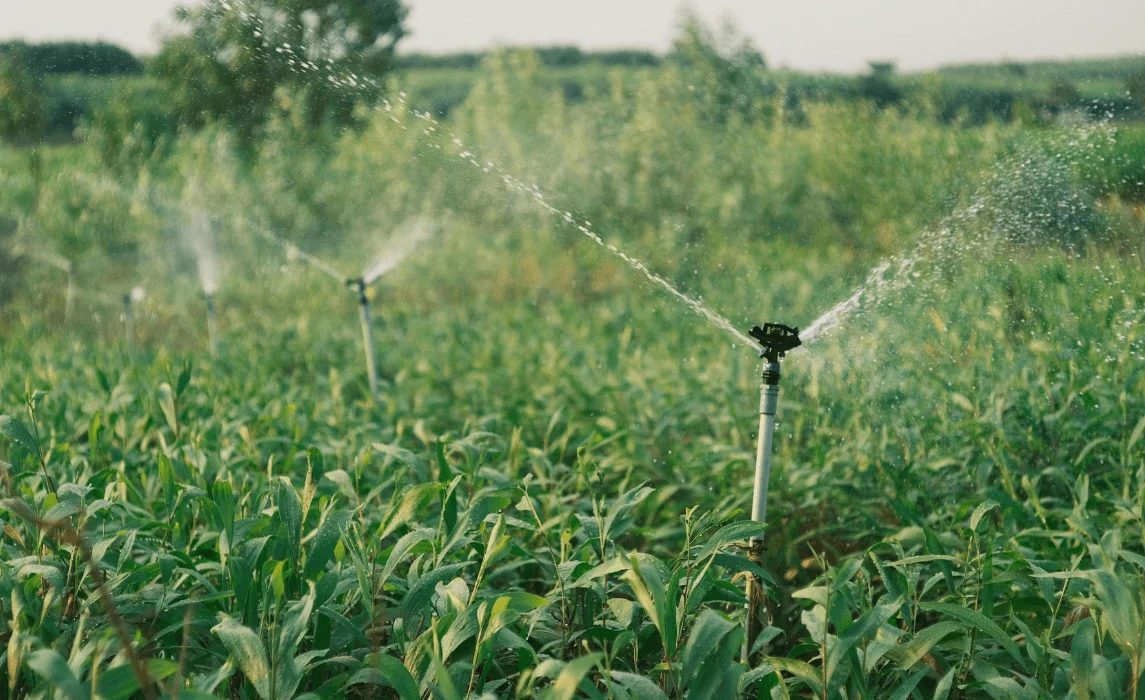
Because the sun and wind dry out elevated pots rapidly, hand-watering becomes exhausting. The best solution is to install a drip irrigation system with automated irrigation lines to ensure consistent moisture. Using a self-watering pot or adding vermiculite and coir to your soil mix will also help retain water during a dry spell.
What kind of soil mix should I use for growing plants in containers on a roof terrace?
Never use standard garden dirt, as it is too heavy and compacts easily. Instead, use a lightweight potting soil that includes a balanced mix of loam for structure, coir for moisture retention, and vermiculite for aeration. Enrich this base with organic compost and worm castings to provide nutrients.
Related posts
Here are some articles you might be interested in.