Sarah Wilson started her gardening journey during the pandemic and had fallen in love with it ever since. Eager to connect with fellow garden enthusiasts, she wants to share the knowledge she's gained over the past three years.
Planting Calendar Q&A
Is an almanac planting calendar exact?
No. It is a useful regional estimate built from historical conditions. Confirm its suggested planting date with your local forecast, soil condition, and microclimate.
When is the best time to plant?
The best time to plant is when the crop's temperature needs match your frost window and the soil is workable. Cool crops can begin earlier; tender warm-season crops wait until frost danger has passed.
Can every vegetable be started indoors?
No. Tomatoes and peppers handle indoor seed starting well, while carrots are usually sown directly in the ground. Follow crop-specific seed packets and avoid disturbing sensitive roots.
What if a late frost is forecast?
Delay transplanting tender crops, move containers inside, or cover established plants overnight. Remove covers after temperatures rise so light and airflow return.
How often should I revise my calendar?
Review it at the start of each growing season and add notes after major sowings and harvests. Records reveal which dates, varieties, and methods work best in your garden.
Evergreen Shrubs Q&A
How do I choose evergreen shrubs for my outdoor space?
Match mature size to USDA hardiness, light, drainage, and wind. Use a tall evergreen for screening, a mounded shrub for foundation planting, or ground cover on slopes. Repetition unifies home landscapes, while contrast creates a focal point in the landscape.
What are the best small evergreen shrubs?
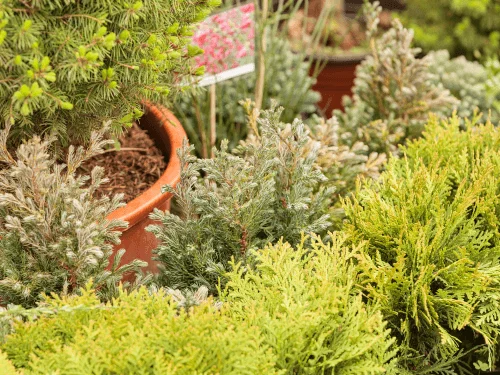
Blue Star juniper, dwarf Chamaecyparis, azalea, and Daphne are strong small-space choices. The best evergreen shrubs fit without constant shear work; check mature spread and leave airflow around glossy foliage.
Do evergreen shrubs flower as long as hydrangea?
Not usually. A hydrangea may have a long bloom time from mid-summer onward, while evergreen shrubs often bloom briefly. Combine azalea for spring, Viburnum or Mahonia for winter, and summer perennials.
When should I prune an evergreen hedge?
Prune flowering shrubs after bloom, and shape boxwood, yew, or Thuja lightly during growth. Avoid leafless old conifer wood; natural forms need less pruning and preserve year-round interest.
Why can an evergreen turn brown in winter?
Frozen soil, wind, salt, or poor drainage can brown green foliage. Water before freezing, mulch roots, and choose a protected area so evergreen shrubs retain year-round beauty and lasting structure.
Starting a Fruit Garden Q&A
What is the easiest fruit to grow for a first garden?
Strawberry is often the simplest starting point because it fits containers, fruits quickly, and is easy to replace. Raspberry, blackberry, and currant can also be forgiving when their spread is controlled. The best fruit is the one matched to your climate, sunlight, soil, and available care.
Can I grow fruit trees in a small space?
Yes. Choose a dwarf tree on a clearly labeled rootstock, train an espalier against wires, or use fruit trees in containers with sufficient soil volume and winter protection. Confirm mature dimensions, pollination needs, and whether the container can be watered consistently before you grow fruit trees.
Do I need more than one fruit tree?
It depends on the cultivar. Some trees are self-fertile, while others need compatible partners that bloom together. A nursery may recommend 2-4 fruit trees for varied harvests, but one self-pollinating dwarf tree can be enough when garden space is limited.
How soon will fruit plants produce fruit?
Strawberries and some cane fruits may crop in the first or second season, while a grafted fruit tree often takes several years. Rootstock, plant age, climate, pruning, and stress all affect timing. Remove an excessive early crop if the young plant needs energy for roots and structure.
Can a fruit garden share space with vegetables?
Yes. A combined vegetable and fruit area works when permanent crops do not shade or crowd annual beds. Put long-lived fruit plants where future digging will not disturb their roots, maintain clear paths, and choose fruits to grow at home that fit the same sunlight and watering pattern as the wider garden.
Before planting a wildflower garden, study your available garden sites. Note which garden areas receive full sun, partial shade, or shifting light, and whether the ground stays damp or behaves like a dry garden. Most sun-loving wildflowers perform best with at least six hours of direct light and well-drained soil. Prepare the soil by removing aggressive weeds, loosening the top few inches, and adding modest organic matter only when the ground is extremely poor. Rich soil can produce floppy stems and fewer blooms in many wildflower species.
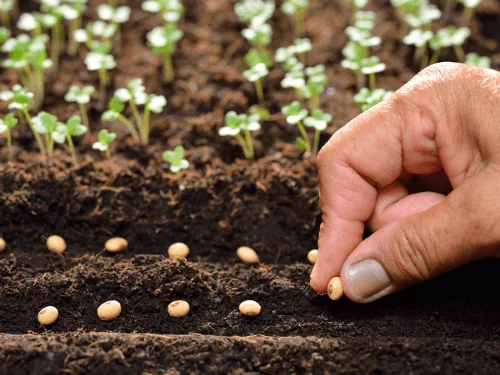
You can sow a regional wildflower mix, use carefully formulated wildflower seed mixes, or plant wildflowers as plugs. Local native species are safer than generic mixes containing unsuitable plants. Some seeds need cold stratification and may be started about 10 weeks before frost ends. Keep each seedling slightly moist until established.
Good garden design considers succession. Combine flowers from early summer with late asters, leave seed heads for birds, and repeat colors through the garden bed. A backyard wildflower garden may become a wildflower meadow, while a small garden can use compact groups in a flower garden or perennial garden. These garden ideas create a cohesive pollinator garden. The result is a low-maintenance wildflower garden needing minimal maintenance after its first growing season.
10 Best Native Wildflowers
1. California Poppies (Eschscholzia californica)
California poppies are iconic native wildflowers of the western United States and among the best wildflowers to plant in sunny, lean ground. This short-lived perennial, commonly grown as an annual, reaches 12–18 inches. Finely divided, blue-green leaves frame silky orange, gold, or yellow flowers that close in dim weather. The plants thrive on exposed slopes, gravelly beds, and other well-drained sites. Sow wildflower seed directly in early spring, water gently until germination, and avoid disturbing the taproot. Once established, this drought-tolerant wildflower needs little irrigation and reseeds through its seed heads. California poppies suit beginners, water-wise gardeners, and anyone creating a low-maintenance summer garden.
Soil: Sandy, gravelly, lean, and well-drained
Water: Low after establishment; avoid soggy soil
Light: Full sun
Humidity: Low to moderate
Fertilizer: None
Temperature: 50–80°F (10–27°C)
USDA Zone: 8–10 as a perennial; widely grown as an annual
2. Purple Coneflower (Echinacea purpurea)
Purple coneflower comes from eastern and central North American prairies and is a familiar native perennial in garden design. It grows 2–4 feet tall, with coarse, dark-green leaves and pink-purple flower heads around copper-orange cones. Blooms appear from early summer into fall; the flowers attract bees, and the cones later feed birds. Coneflower thrives in open, well-drained beds, tolerating heat, humidity, clay, and short dry spells. Water regularly the first year, then during extended drought. Deadheading extends bloom, but some seed heads support wildlife. This easy-to-grow perennial wildflower is ideal for new gardeners, pollinator enthusiasts, and anyone wanting structure in a large garden.
Soil: Average loam or clay with good drainage
Water: Moderate while establishing; low to moderate afterward
Light: Full sun; light partial shade tolerated
Humidity: Moderate to high with airflow
Fertilizer: A thin spring compost layer, if needed
Temperature: 60–85°F (16–29°C) during active growth
USDA Zone: 3–8
3. Black-Eyed Susan (Rudbeckia hirta)
Black-eyed Susan is a prairie native wildflower with a long flowering season. Depending on climate and cultivar, it behaves as an annual, biennial, or short-lived perennial. Hairy green leaves sit beneath 1–3-foot stems, and each bloom has golden-yellow rays around a dark center. These wildflowers to grow prefer full sun but accept light shade and average soil, suiting borders, meadows, and a wildflower patch. Give young plants consistent moisture, then water when the upper inch dries. Removing spent blooms encourages flowers, while seed heads feed finches. Recommend this forgiving flower to first-time gardeners, families, and anyone seeking fast color that can attract bees.
Soil: Average, adaptable, and well-drained
Water: Moderate; somewhat drought-tolerant when established
Light: Full sun to partial shade
Humidity: Moderate; provide air circulation
Fertilizer: Usually unnecessary
Temperature: 60–85°F (16–29°C)
USDA Zone: 3–9
4. Butterfly Weed (Asclepias tuberosa)
Butterfly weed is a North American milkweed and important monarch larval host. This upright, drought-tolerant perennial reaches 1–3 feet, bearing narrow, deep-green leaves and flat clusters of orange flowers. Its nectar serves a wide pollinator community, making it central to garden ideas for bees and butterflies. It thrives in sunny prairies, sandy banks, and sharply drained dry beds. The taproot dislikes disturbance; choose a permanent site and mark it because shoots emerge late. Water a new seedling carefully, then reduce irrigation once roots settle. Never use pesticide on a host plant. Butterfly weed suits wildlife gardeners, patient beginners, and growers expanding biodiversity in your garden.
Soil: Sandy to average, lean, and sharply drained
Water: Low; moderate only during establishment
Light: Full sun
Humidity: Low to moderate
Fertilizer: None
Temperature: 65–90°F (18–32°C)
USDA Zone: 3–9
5. Wild Columbine (Aquilegia canadensis)
Wild columbine is a graceful native species of rocky eastern North American woodland edges. It forms airy 1–3-foot mounds with blue-green, lobed leaves and nodding red-and-yellow flowers whose long spurs hold nectar. These are classic flowers that attract hummingbirds, while bees visit in late spring. Columbine thrives in a woodland garden, shaded border, or rock garden with cool, well-drained soil enriched by leaf mold. Keep soil evenly moist while establishing, then let the surface dry slightly. Afternoon shade helps in hot climates. Remove leaf-miner damage, and let a few seed heads mature. Recommend it to shade gardeners, native-plant collectors, and anyone preferring a naturalistic look.
Soil: Humus-rich, rocky or loamy, and well-drained
Water: Moderate; do not leave roots waterlogged
Light: Partial shade to morning sun
Humidity: Moderate
Fertilizer: Light compost in spring
Temperature: 45–75°F (7–24°C)
USDA Zone: 3–8
Red Fountain Grass: A Striking Addition to Your Garden Landscape
Wild bergamot, or bee balm, is a North American prairie perennial valued for fragrant foliage and nectar-rich blooms. Square stems reach 2–4 feet, carrying gray-green leaves and shaggy lavender, pink, or pale-purple flower clusters. The flowers attract bees, butterflies, and an occasional hummingbird. This native wildflower thrives in full sun and average soil but accepts partial shade with good airflow. Water at soil level during prolonged dry weather because wet, crowded growth invites mildew. Divide spreading clumps every few years and avoid heavy feeding. Wild bergamot suits pollinator gardeners, cottage-style growers, and anyone comfortable letting a vigorous plant weave through a wildflower garden.
Soil: Average loam, dry to moderately moist, with drainage
Water: Moderate; water the soil rather than foliage
Light: Full sun to partial shade
Humidity: Moderate; ample airflow is important
Fertilizer: Minimal; compost only in poor soil
Temperature: 55–85°F (13–29°C)
USDA Zone: 3–9
7. Blanket Flower (Gaillardia aristata)
Blanket flower is a western North American native known for vivid blooms and heat tolerance. Plants stand 1–3 feet tall, with hairy gray-green leaves and red-centered flowers tipped in yellow, orange, or both. It can bloom from early summer until frost, supplying nectar through much of the growing season. Blanket flower prefers full sun, lean sandy soil, coastal exposures, and hot garden sites. Water deeply but infrequently, and keep the crown dry in winter. Deadhead for continuous color or leave late seeds for birds. Skip rich fertilizer, which encourages weak growth. This low-maintenance choice suits busy gardeners, beginners, and people developing xeric or drought-tolerant garden areas.
Soil: Lean, sandy, and very well-drained
Water: Low; let soil dry between waterings
Light: Full sun
Humidity: Low to moderate
Fertilizer: None or a very light spring compost application
Temperature: 65–95°F (18–35°C)
USDA Zone: 3–9
8. Blue Flax (Linum lewisii)
Blue flax is a slender native perennial of western North American plains and foothills. Fine stems form 1–2-foot clumps topped with sky-blue, five-petaled flowers; each bloom lasts a day, but buds open for weeks. Narrow blue-green leaves contrast with bolder perennial wildflowers. Blue flax thrives in sunny, dry, rocky ground, suiting paths, a wildflower meadow, or the front of a garden bed. Sow directly, keep seed lightly moist until established, and then irrigate sparingly. Shear plants after the main flush or permit self-seeding. This understated native flower suits low-water gardeners and naturalistic designers who prefer movement to formal symmetry.
Soil: Sandy, rocky, lean, and well-drained
Water: Low once established
Light: Full sun
Humidity: Low to moderate
Fertilizer: None
Temperature: 50–85°F (10–29°C)
USDA Zone: 3–9
9. Yarrow (Achillea millefolium)
Common yarrow has a broad Northern Hemisphere range and centuries of garden and herbal use. It reaches 1–3 feet, producing ferny green foliage and flat clusters of tiny white flowers; cultivars may be yellow, pink, peach, or red. The blooms draw predatory wasps, hoverflies, and other beneficial insects, making yarrow valuable beside vegetables and in a pollinator garden. It grows in full sun and almost any well-drained ground, including poor soil. Water while roots establish or during serious drought. Divide wandering clumps and cut back after flowering for a second flush. Recommend this hardy, easy to grow plant to beginners, wildlife gardeners, and anyone seeking low maintenance coverage.
Soil: Average to poor; drainage is essential
Water: Low after establishment
Light: Full sun
Humidity: Low to moderate with airflow
Fertilizer: None
Temperature: 55–90°F (13–32°C)
USDA Zone: 3–9
10. New England Aster (Symphyotrichum novae-angliae)
New England aster is a tall native perennial of moist eastern and central North American meadows. It grows 3–6 feet high, with rough leaves and abundant violet-purple, pink, or white daisies around golden centers. Its late bloom supplies nectar when fewer native wildflowers flower, helping migrating monarchs and many bee species. Plant it in full sun and moisture-retentive, well-drained soil; pinch stems in early summer for bushier growth. Water during dry periods, divide crowded clumps every few years, and maintain airflow to limit mildew. Its height suits the rear of a border or a large garden. Recommend it to intermediate gardeners, habitat growers, and anyone wanting a dramatic autumn finale.
Soil: Moist, moderately rich loam with good drainage
Water: Moderate and consistent during heat
Light: Full sun; light partial shade tolerated
Humidity: Moderate to high with airflow
Fertilizer: Compost in spring; avoid excess nitrogen
Temperature: 55–80°F (13–27°C)
USDA Zone: 4–8
The Best Outdoor Foliage Plants for a Shady Container Garden Design
Yes. Wild columbine is well suited to a woodland garden, while coneflower, black-eyed Susan, and wild bergamot tolerate some partial shade. Flowering may be lighter than it is in full sun, so choose plants adapted to woodland edges rather than using a generic sun-loving wildflowers mix.
When should I plant wildflowers?
Many species can be sown in fall so winter weather naturally conditions the seed. Others are suited to early spring planting. Check the seed packet for local timing and cold-stratification instructions; indoor sowing may begin roughly 10 weeks before frost ends.
How do I prepare the soil for a wildflower garden?
Remove weeds, expose the soil surface, loosen compacted ground, and rake it level. Do not automatically add rich amendments: numerous meadow species flower better in lean ground. After sowing, press wildflower seed into contact with the surface without burying tiny seeds too deeply.
Related posts
Here are some articles you might be interested in.


.webp)
.webp)
.webp)
.webp)
.webp)

.webp)
.webp)
.webp)
.webp)
.webp)