Ryan Johnson relocated to his grandfather's old farm when he was 22 years old where he discovered the joys of farming and gardening. With his cool demeanor and strong-willed passion for the agrarian lifestyle, he now shares his know-how to aspiring gardeners.
Growing Palm Trees Q&A
How fast do palms grow?
The overall speed and rate at which palms grow depends almost entirely on the exact genetic species and the surrounding environmental conditions like water, heat, and fertilizer. Some fast-growing species, like the towering Queen palm, can aggressively grow a few feet per year under optimal conditions, while other slow-growing varieties may only painstakingly grow a few short inches annually.
Can I cut the top off my palm tree to make it shorter?
No. Unlike many other deciduous landscape trees that can be topped, a palm has only one single growing point located at the very absolute top of the trunk, botanically known as the terminal bud. If you cut the top off, the tree will permanently stop growing and will eventually die.
Why are the tips of my palm leaves suddenly turning brown and crispy?
Unsightly brown tips on the fronds can be directly caused by severe underwatering, incredibly low ambient humidity, or a toxic excess salt buildup in the soil originating from hard tap water or too much chemical fertilizer. To fix this, thoroughly flush the soil, adjust your watering schedule, and ensure you are strictly using the correct, balanced palm fertilizer in the exact recommended amounts.
Growing Chia Plants Q&A
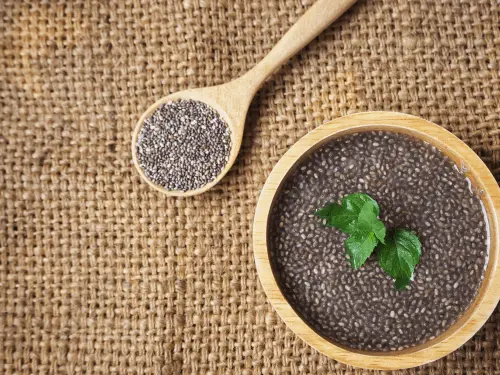
Can I grow chia from the chia seeds I buy at the store?
Yes. Organic chia seeds from the grocery store will often germinate, though germination can vary. Fresh seed from a garden supplier is more reliable.
How long does it take to grow chia?
Seeds sprout in about a week. The plant needs 100 to 150 days to mature before you can harvest the seeds.
Is chia a California native plant?
Salvia hispanica is native to central Mexico and Guatemala. However, Salvia columbariae, sometimes called California chia, is a California native plant.
Can I grow chia indoors?
You can grow chia sprouts and microgreens indoors easily. A full-size chia plant needs strong light and rarely sets a good seed crop indoors.
Why won't my chia flower?
Chia flowers when days get shorter. Plants in cooler regions or those lit at night may bloom late or not at all.
How to Grow Pumpkins Q&A
Can I grow pumpkins in a small home garden?
Yes. Choose bush or miniature varieties, grow vines on a trellis, or use raised beds. Plan on one or two plants per hill and prune vines when space is tight.
When should I plant pumpkins for Halloween?
Plant seeds in late May or early June in most climates. Count back from your first frost date and allow for 90 to 120 days of growth.
Why does my pumpkin plant have flowers but no fruit?
Male flowers appear first, so early flowers will not set fruit. If female flowers open but fail to fruit, you probably have too few bees. Pollinate by hand in the morning.
What causes pumpkin leaves to turn white?
This is usually powdery mildew. Improve airflow, water at the base, remove infected leaves, and apply a fungicide or neem oil.
Can I eat the pumpkin I grew for carving?
Yes, though carving types are stringy and bland. Pie pumpkins are sweeter, but the seeds from any pumpkin can be roasted.
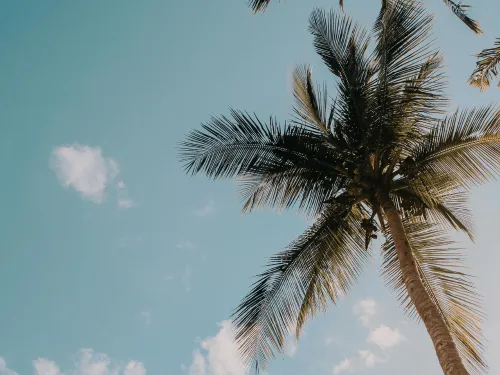
When you picture a lush tropical oasis, the very first image that comes to mind is almost always the iconic palm. The basics of what a palm plant is revolve around its unique botanical structure. These plants typically feature an unbranched stem and a glorious crown of large, distinctive leaves, with each individual leaf known as a frond. What are they good for? Beyond providing fantastic aesthetics to your home landscape, they offer immense functional benefits like dense shade, a relaxing tropical ambiance, and in some specific species, abundant edible harvests such as dates, coconuts, or the highly prized heart of the palm. If you want to successfully plant and grow these magnificent specimens in your own yard, you must first deeply understand the environment in which a tree grows naturally. Adding a new palm tree to your outdoor or indoor space can completely transform an otherwise ordinary environment into a personal retreat. The rewarding art of growing palms requires a bit of patience, especially as you diligently wait for the palm to establish its root system in the ground. By carefully planting palm specimens that are suited to your local environment, you ensure they will grow well. In this comprehensive guide, we will explore exactly how to grow palm trees, the biological mechanics of how palms grow, and how to care for them so they can eventually tower over your garden.
Plant Name
Palm (Arecaceae)
Plant Type
Evergreen tree, shrub, or liana
Size
Varies by species; can reach over 100 feet tall
Soil Type
Well-draining soil
Soil pH
6.0–7.5
Bloom Time
Spring or summer
Hardiness Zones
USDA zones 8–11
Native Area
Tropical and subtropical regions
Toxicity Level
Non-toxic
Types Of Palm Trees And Every Palm Species
Needle Palm
Ideal for regions prone to unpredictable winter weather and severe cold snaps. This plant is widely known for its incredible hardiness and its unique ability to survive freezing temperatures.
Queen Palm
A massively popular choice for those who desire a fast-growing, sweeping centerpiece for their front yard. It provides a lush, beautifully feathery canopy.
Coconut Palm
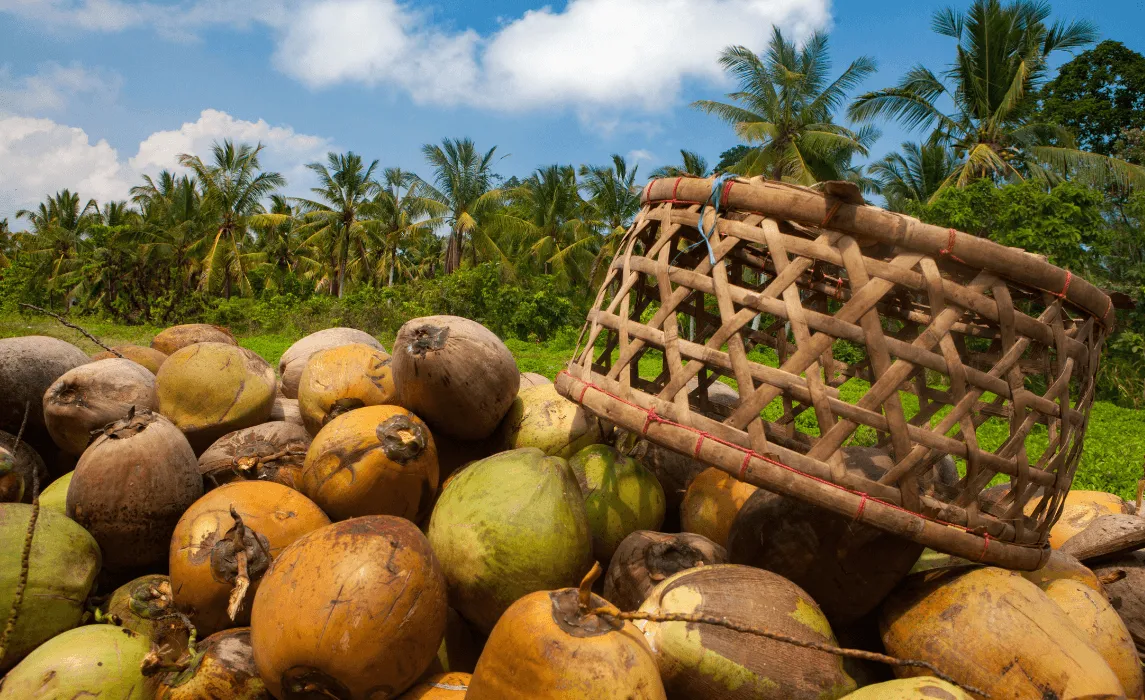
The quintessential beach tree. However, it strictly requires a hot, tropical climate to successfully survive and produce its famous fruit.
Pindo (Jelly Palm)
A highly versatile and resilient species that can easily tolerate a multitude of different climates. It is an excellent option that produces massive clusters of sweet, edible palm fruit.
Fan Palms
A visually striking option featuring broad, dramatically hand-shaped leaves that create incredible visual textures and shadows in any garden setting.
Areca Palm
A remarkably fantastic houseplant for indoor plant enthusiasts and apartment dwellers. It actively purifies stagnant indoor air while adding a vibrant splash of tropical green.
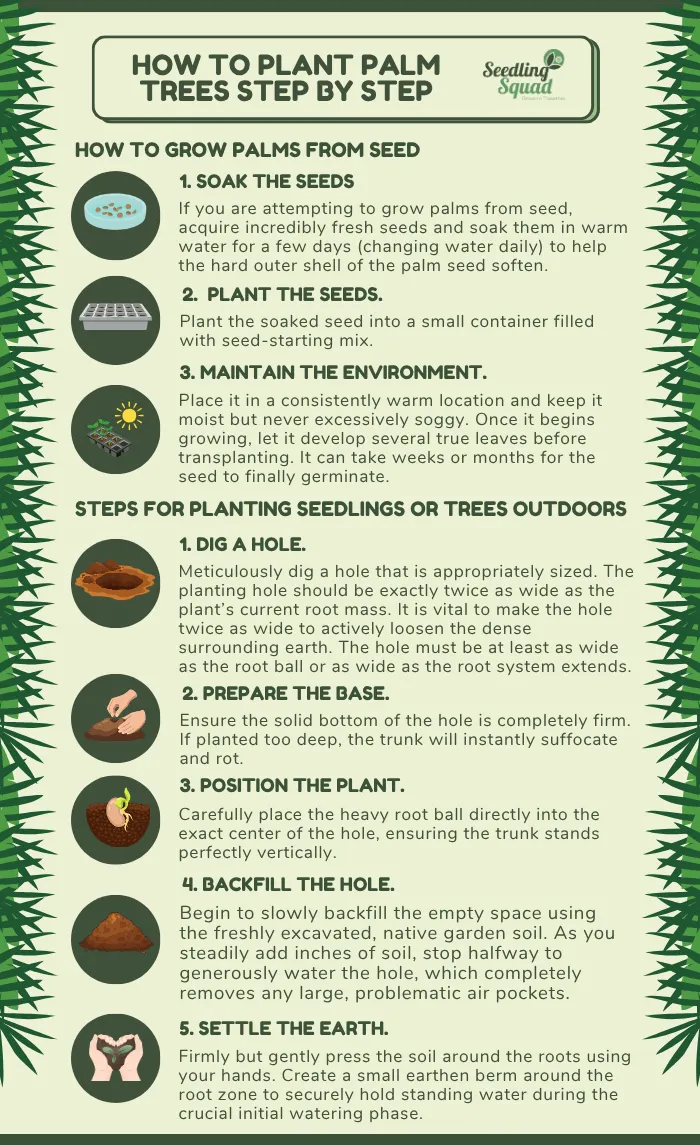
How to Plant Palm Trees Step by Step
How to Grow Palms From Seed
Soak the seeds. If you are attempting to grow palms from seed, acquire incredibly fresh seeds and soak them in warm water for a few days (changing water daily) to help the hard outer shell of the palm seed soften.
Plant the seeds. Plant the soaked seed into a small container filled with seed-starting mix.
Maintain the environment. Place it in a consistently warm location and keep it moist but never excessively soggy. Once it begins growing, let it develop several true leaves before transplanting. It can take weeks or months for the seed to finally germinate.
Steps for Planting Seedlings or Trees Outdoors
Dig a hole. Meticulously dig a hole that is appropriately sized. The planting hole should be exactly twice as wide as the plant’s current root mass. It is vital to make the hole twice as wide to actively loosen the dense surrounding earth. The hole must be at least as wide as the root ball or as wide as the root system extends.
Prepare the base. Ensure the solid bottom of the hole is completely firm. If planted too deep, the trunk will instantly suffocate and rot.
Position the plant. Carefully place the heavy root ball directly into the exact center of the hole, ensuring the trunk stands perfectly vertically.
Backfill the hole. Begin to slowly backfill the empty space using the freshly excavated, native garden soil. As you steadily add inches of soil, stop halfway to generously water the hole, which completely removes any large, problematic air pockets.
Settle the earth. Firmly but gently press the soil around the roots using your hands. Create a small earthen berm around the root zone to securely hold standing water during the crucial initial watering phase.
Majesty Palm Plant (Ravenea Rivularis): Care Guide for Majesty Palm Indoors
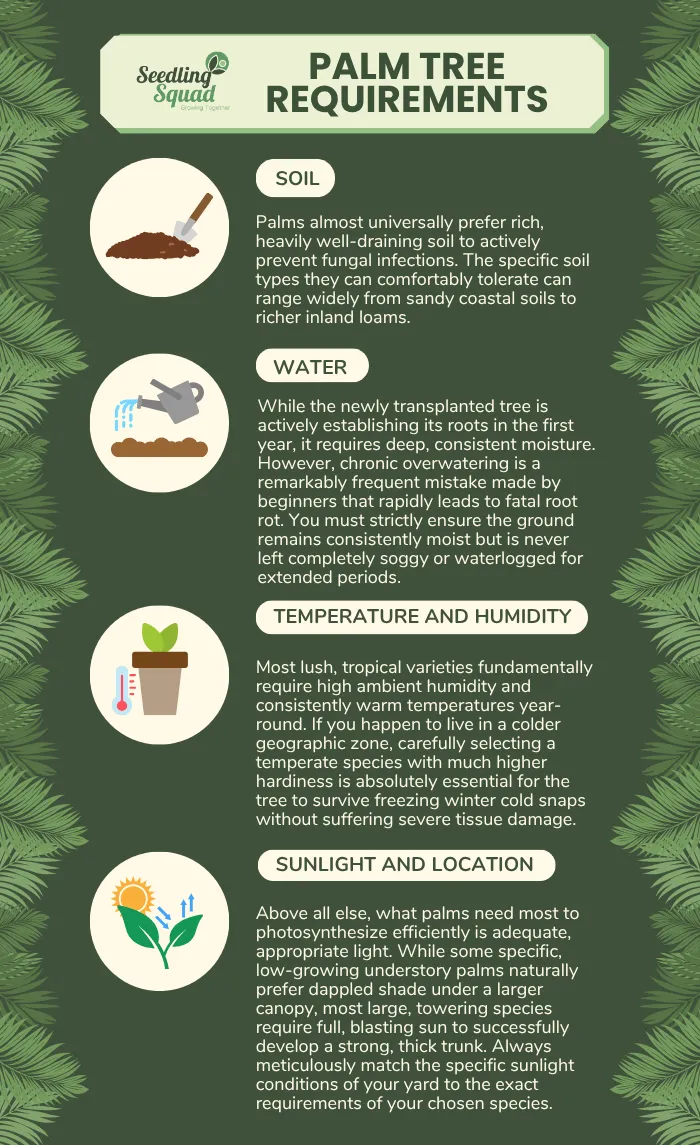
Palms almost universally prefer rich, heavily well-draining soil to actively prevent fungal infections. The specific soil types they can comfortably tolerate can range widely from sandy coastal soils to richer inland loams.
Water
While the newly transplanted tree is actively establishing its roots in the first year, it requires deep, consistent moisture. However, chronic overwatering is a remarkably frequent mistake made by beginners that rapidly leads to fatal root rot. You must strictly ensure the ground remains consistently moist but is never left completely soggy or waterlogged for extended periods.
Temperature and Humidity
Most lush, tropical varieties fundamentally require high ambient humidity and consistently warm temperatures year-round. If you happen to live in a colder geographic zone, carefully selecting a temperate species with much higher hardiness is absolutely essential for the tree to survive freezing winter cold snaps without suffering severe tissue damage.
Sunlight and Location
Above all else, what palms need most to photosynthesize efficiently is adequate, appropriate light. While some specific, low-growing understory palms naturally prefer dappled shade under a larger canopy, most large, towering species require full, blasting sun to successfully develop a strong, thick trunk. Always meticulously match the specific sunlight conditions of your yard to the exact requirements of your chosen species.
Palm Tree Maintenance Tips
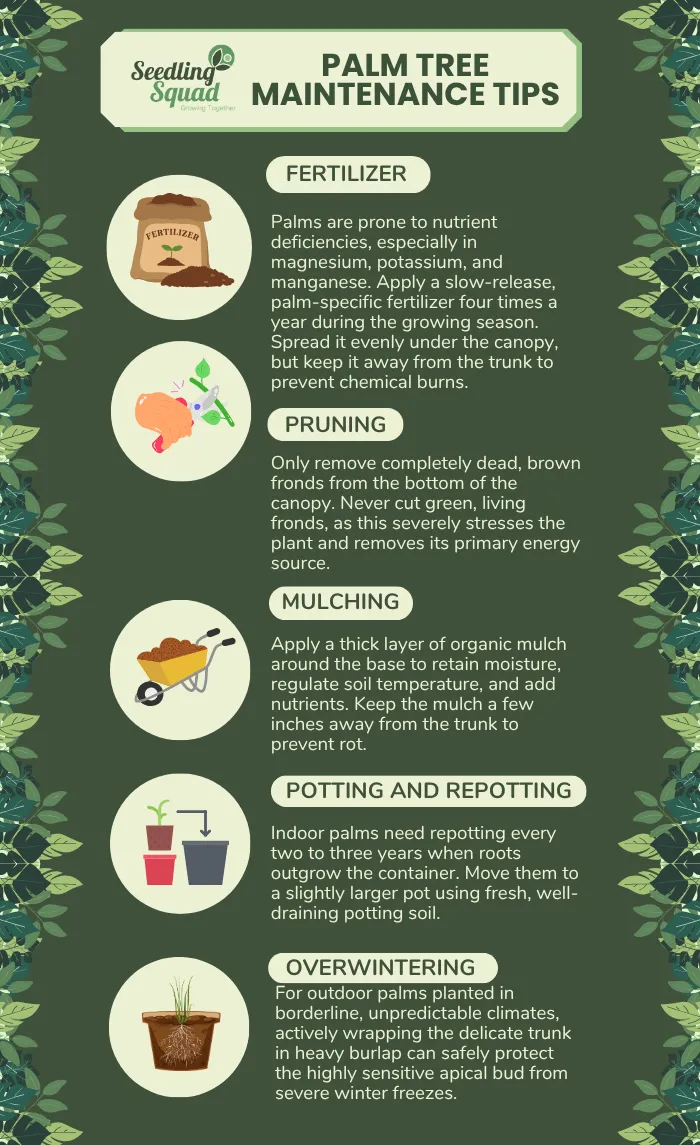
Fertilizer
Applying a scientifically balanced, proper palm fertilizer is absolutely crucial because palms in artificial landscapes are highly prone to severe nutrient deficiencies, particularly lacking in essential micronutrients like magnesium, potassium, and manganese. Apply a high-quality, slow-release, palm-specific fertilizer about four times a year during the active growing season. Carefully spread the granular fertilizer evenly under the entire span of the canopy, strictly avoiding any direct contact with the sensitive trunk to proactively prevent chemical burns.
Pruning
A highly common question among beginners is exactly how and when to prune a palm. You should only remove entirely dead fronds that have turned completely brown and crispy. As fresh, vibrant new fronds grow emerging directly from the center crown, the older leaves at the bottom of the canopy will naturally senesce and die off. You must absolutely not cut green, living fronds, as this severely stresses the plant and drastically removes its primary energy source.
Mulching
Generously apply a thick, protective layer of organic mulch around the base of the tree. This highly beneficial practice helps retain crucial soil moisture during sudden droughts, perfectly regulates extreme soil temperature fluctuations, and steadily adds valuable organic nutrients back into the earth. Always keep the mulch pulled back a few inches away from the actual trunk base to proactively prevent moisture-induced rot.
Potting and Repotting
For a beautiful indoor palm kept as a houseplant, repotting is typically needed every two to three years when the rapidly expanding roots completely outgrow the current container. Carefully upgrade to a pot that is only slightly larger than the old one, and always use extremely fresh, premium potting soil equipped with excellent drainage properties.
Overwintering
For outdoor palms planted in borderline, unpredictable climates, actively wrapping the delicate trunk in heavy burlap can safely protect the highly sensitive apical bud from severe winter freezes.
Indoor Bamboo Palm Care: Essential Tips for Thriving Houseplants
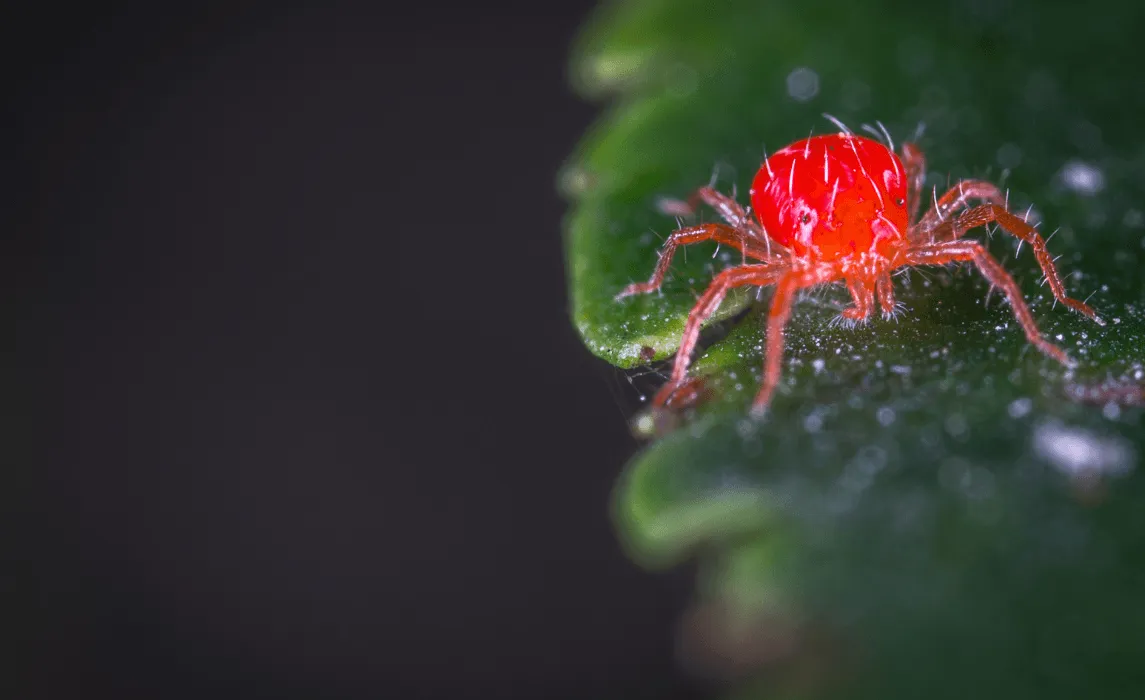
Spider mites: Tiny, notorious sap-sucking insects that cause unsightly yellowing stippling on the leaves can be effectively treated by thoroughly spraying the affected foliage with insecticidal soap or organic neem oil.
Armored scale: These annoying pests that congregate to suck vital sap directly from tender leaves, causing a rapid decline in overall plant vigor, can be treated by applying horticultural oils, using systemic insecticides, or physically scraping them off the fronds for isolated infestations.
Palm aphids: Persistent sap-sucking insects that drain the plant's energy and vitality can be treated by dislodging them from the fronds with a strong blast of water from a garden hose, followed immediately by a thorough application of insecticidal soap or neem oil.
Common Diseases
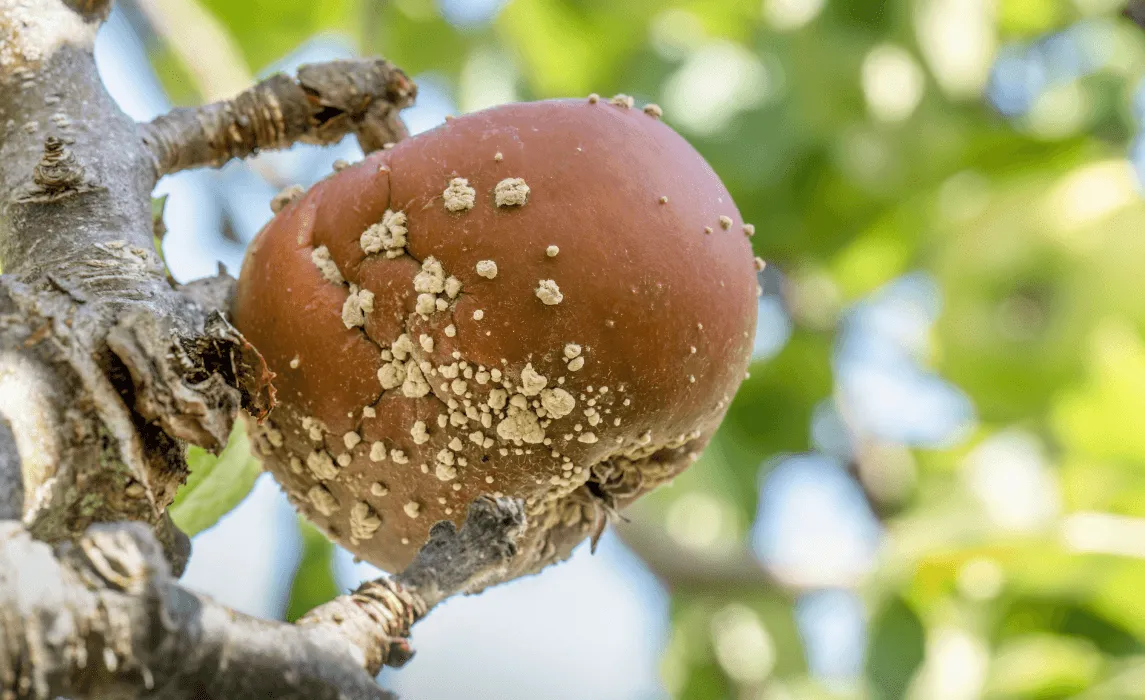
Fungal rot: Directly stemming from poor soil aeration, terrible drainage, and chronic overwatering, fungal rot can be treated by improving soil drainage, drastically reducing your watering schedule, applying a targeted copper-based fungicide, and strictly preventing the roots from sitting submerged in standing water.
Ganoderma butt rot: As a severe systemic disease that decays the lower trunk and often proves fatal to the tree, it has absolutely no cure, meaning the infected tree must be completely removed and destroyed without planting another palm in the exact same soil.
Lethal Fusarium wilt: This deadly systemic issue that rapidly declines the health of the palm has no cure, so treatment strictly consists of the rapid removal and destruction of the infected tree while completely sanitizing all pruning equipment to stop the spread to healthy plants.
Lethal yellowing: While preventative liquid antibiotic injections can be administered by a professional during the very early stages of this infamous, severe systemic bacterial disease, there is absolutely no known cure once the tree is fully infected, and the dying tree must be rapidly removed and destroyed.
Harvesting Palm Tree
Interestingly, the act of harvesting only strictly applies to certain specific species that actually produce edible yields. Whether you are gathering coconuts, pindo fruits, or other varieties, here are the overall steps to harvest from a palm tree:
Identify the harvestable yield: Determine if your specific tree produces small edible palm fruit (like dates or the jelly palm), massive coconuts, or the tender heart of the palm.
Monitor for peak ripeness: Wait for the correct visual cues indicating the fruit is ready. Most small fruits will change to a vibrant color (like bright orange) and effortlessly detach from the main stem. A coconut palm is typically harvested when the green husk just begins to turn a mature brown color.
Gather the correct tools: Depending on the towering height of the tree, prepare a sturdy ladder, a sharp pruning knife, or a long, telescoping pole saw for safely reaching high canopies. Always ensure your blades are properly sanitized.
Safely detach the yield: For drooping clusters of small fruit, you can gently shake the stem to collect loose pieces or carefully clip the entire fruiting stalk. For heavy coconuts, safely saw the stems from a distance so the heavy husks drop clear of your ladder.
Harvesting the core (Warning): If you are attempting to extract the delicious heart of the palm, which is the tender inner core of the growing apical bud, you must physically cut open the crown. However, it is vital to know that harvesting this heart permanently kills a single-stemmed palm, so it is usually only commercially done on multi-stemmed clustering varieties.
Frequently Asked Questions
How fast do palms grow?
The overall speed and rate at which palms grow depends almost entirely on the exact genetic species and the surrounding environmental conditions like water, heat, and fertilizer. Some fast-growing species, like the towering Queen palm, can aggressively grow a few feet per year under optimal conditions, while other slow-growing varieties may only painstakingly grow a few short inches annually.
Can I cut the top off my palm tree to make it shorter?
No. Unlike many other deciduous landscape trees that can be topped, a palm has only one single growing point located at the very absolute top of the trunk, botanically known as the terminal bud. If you cut the top off, the tree will permanently stop growing and will eventually die.
Why are the tips of my palm leaves suddenly turning brown and crispy?
Unsightly brown tips on the fronds can be directly caused by severe underwatering, incredibly low ambient humidity, or a toxic excess salt buildup in the soil originating from hard tap water or too much chemical fertilizer. To fix this, thoroughly flush the soil, adjust your watering schedule, and ensure you are strictly using the correct, balanced palm fertilizer in the exact recommended amounts.
Related posts
Here are some articles you might be interested in.