Ryan Johnson relocated to his grandfather's old farm when he was 22 years old where he discovered the joys of farming and gardening. With his cool demeanor and strong-willed passion for the agrarian lifestyle, he now shares his know-how to aspiring gardeners.
Growing Grapevines Q&A
How long does it take for a grape plant to produce fruit?
Most young vines need two to three years after planting before they set a full crop, though a few clusters may appear in year two. Patience pays off — established vines can keep producing for 40 years or more.
Do I need more than one vine to grow grapes?
No. Since most grape varieties are self-fertile, one plant is enough to produce fruit on its own. Planting a second variety nearby is optional and mainly helps with cross-pollination in a few less common types.
Can grape vines grow in containers?
Yes, though grape vines grow best planted directly in the ground, where the root system has room to spread. A large container works for a year or two, but expect to transplant once the vine outgrows the pot.
Why aren't my grapes ripening?
Grapes ripen slowly compared to many fruits, and cool weather, too much shade, or overcrowded canes can all delay the process. Give the vine full sun, thin the clusters, and be patient through the growing season.
What's the difference between table grapes and wine grapes?
Table grapes are bred for fresh eating, with thinner skins and fewer seeds, while wine grapes tend to have thicker skins, more seeds, and higher sugar content suited to fermentation.
Are grape vines toxic to pets?
Grapes and grape leaves are not toxic to people, but grapes and raisins are toxic to dogs and can cause kidney damage, so keep fallen fruit cleaned up if pets have access to the vineyard.
Bee Garden Q&A
What flowers attract the most bees to a garden?
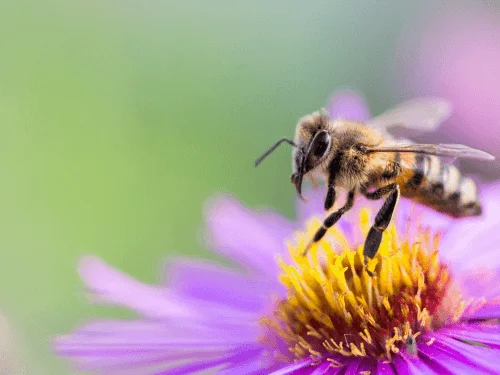
Bees are generally drawn to flowers that are blue, purple, yellow, or white, and that offer easy access to nectar and pollen. Lavender, bee balm, sunflower, and coneflower are some of the most reliable plants that attract bees to a home garden.
Do I need to avoid pesticides in a bee-friendly garden?
Yes, whenever possible. Insecticide and pesticide products can harm adult bees and their larva, even in small amounts. Choosing natural pest control methods helps keep your garden safe for visiting bees.
Can a small home garden still support pollinators?
Absolutely. Even a few containers of zinnias, salvia, or crocus on a balcony can offer pollen and nectar for local bees. Bees will travel between small garden spaces, so every bit of habitat helps.
Do bees need more than just flowers?
Yes. Bees also need nesting sites and water. Ground-nesting bees need patches of bare soil, while a shallow bee bath gives bees a safe spot to drink, especially in hot weather.
Will planting a pollinator garden really help save the bees?
It genuinely can. As natural habitat shrinks, home gardens have become an important food source and shelter for bees, including many native bee species. A well-planned bee garden supports pollination for your own flowers and vegetables while helping the wider bee population.
What is the best USDA zone for growing a bee garden?
There is no single best zone. Most of the plants above grow well across USDA zones 4 through 9, and gardeners in colder or warmer zones can simply choose varieties suited to their climate, or grow warm-season bees favorites like sunflower and zinnia as annuals.
Hypoallergenic Plants Q&A
Do houseplants cause allergies?
Yes, certain indoor plants can trigger a plant allergy through loose pollen, scented flowers, sap, dust, or damp soil. Allergies and houseplants are highly individual: one person may sneeze near peace lilies while another has no response. Overwatering lets mold produce a spore that may become airborne. If symptoms begin after adding plants in your home, isolate each pot, clean the area, and discuss persistent allergy symptoms with a qualified clinician.
Which plants to avoid?
Plants to avoid include strongly fragrant flowers, visibly dusty specimens, and wind-pollinated garden plants brought inside while shedding. Male palms can release pollen if they flower, and wet potting mix can make allergies worse. The best and worst choices depend on the person, so remove any plant that appears to cause pollen allergy symptoms or contact irritation.
Can indoor plants purify air?
Claims about indoor plants that purify come largely from controlled chambers. Although some air-purifying plants can take up chemicals, ordinary air purifying plants are not fast enough to replace ventilation or air cleaners in a real room. Plants can improve air quality mainly by supporting comfort and encouraging care for the space; they should not be presented as houseplants for clean air that reliably remove formaldehyde. To improve indoor air quality, control sources, ventilate safely, and use proven filtration.
How does the ogren scale work?
The Ogren Plant Allergy Scale system, also called OPALS, rates a plant's potential allergenicity from 1 to 10. It considers pollen, fragrance, and contact reactions, but the likelihood a plant will cause a reaction still depends on the individual and exposure. A high score does not prove a particular plant will cause pollen allergy, and a low score is not a medical guarantee.
Can plants help you breathe?
Allergy-friendly plants may make an indoor space calmer, but they do not treat disease or guarantee allergy relief. For people with allergies, clean leaves, dry saucers, fresh potting mix, and steady air circulation matter more than labels such as hypoallergenic plants. These indoor plants that are allergy-safe can help you breathe easier only by limiting likely triggers; they cannot help you breathe during an asthma attack.
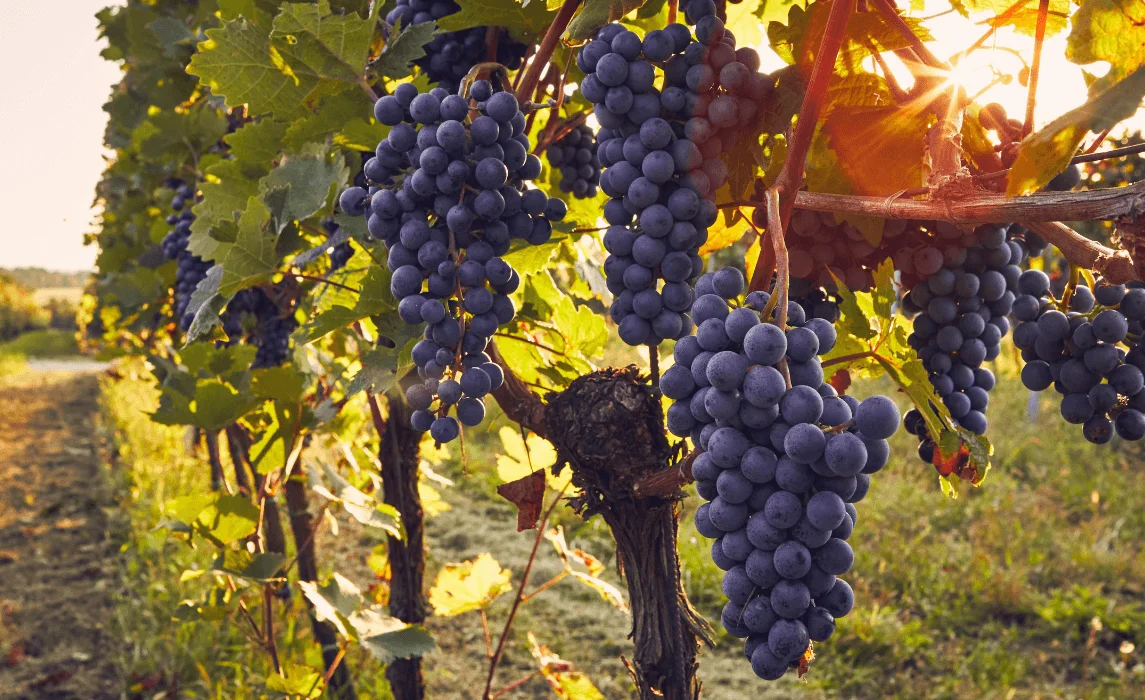
A grape vine is one of the most rewarding plants a home gardener can add to a backyard, patio, or vineyard corner. These woody, climbing vines belong to the genus Vitis and have been cultivated for thousands of years for fresh eating, juice, jam, and wine. Once established, a grapevine is easy to grow and can keep producing fruit for decades, making grape growing a long-term investment rather than a one-season project. Whether you're browsing grape vines for sale at a local nursery or ordering bare-root vines online, understanding what this plant needs before you start planting will save you a lot of trial and error. Grapes thrive across a wide range of climates, from small home vineyards to commercial rows, and with the right care, even a first-time gardener can grow grapes successfully. This guide walks through everything from plant basics to pruning, pest control, and harvest, so you can decide which vine to grow and get your grape production off to a strong start.
Plant Name
Grape (Vitis vinifera, Vitis labrusca, and hybrids)
Plant Type
Deciduous, woody, climbing perennial vine
Size
10–50+ feet in length, depending on variety and training method
Soil Type
Loose, well-drained loamy soil
Soil pH
5.5–6.5
Bloom Time
Late spring
Hardiness Zones
USDA zones 4–10, depending on variety
Native Area
North America, Europe, and Western Asia
Toxicity Level
Non-toxic to humans; toxic to dogs and cats
Common Grape Varieties for Your Vineyard
Not every vine is the same, and choosing between different grape varieties makes a big difference in flavor, hardiness, and how the fruit is used. The main types of grapes fall into three broad categories: American grape varieties, European grapes, and muscadine grapes. Here's a closer look at the most popular grape choices for a home vineyard:
Concord grape
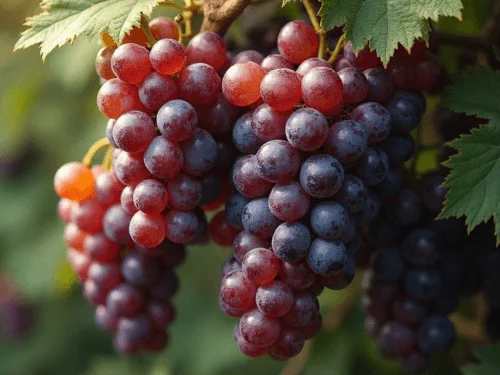
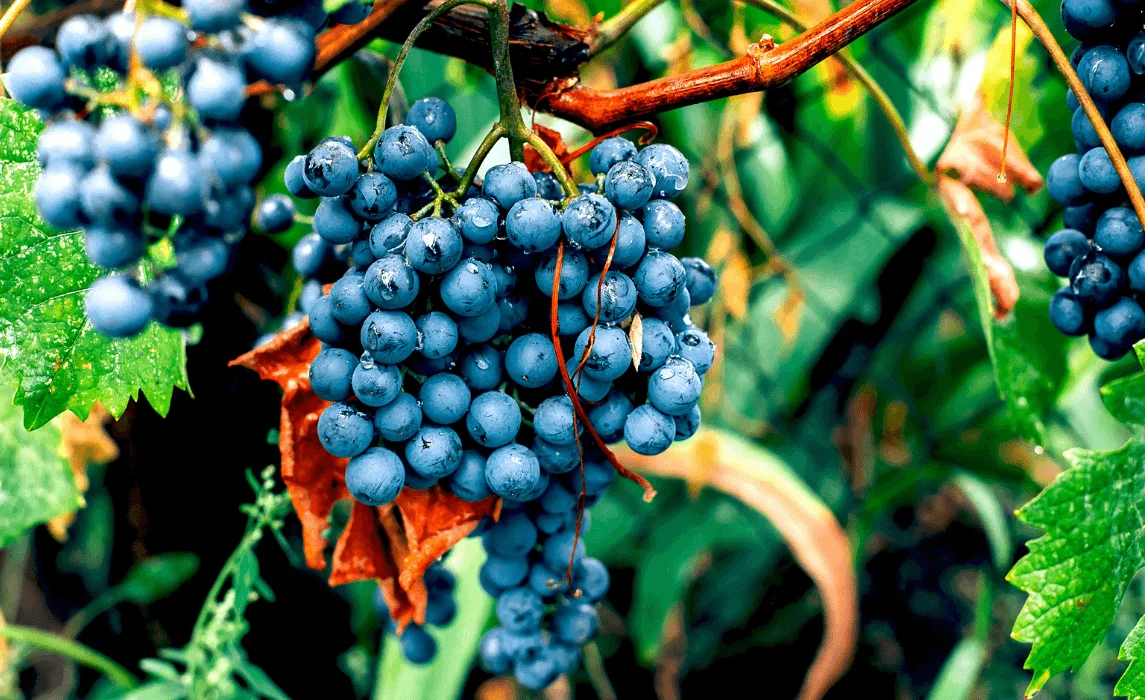
Probably the most common grape grown in home gardens across the U.S. This American grape is cold-hardy, vigorous, and produces deep purple, juicy clusters that are prized for jam, juice, and fresh eating. It's a reliable vine to grow if you're a beginner.
European grapes (such as cabernet sauvignon)
Classic wine grapes best known for producing the fruit used in red wine, though some varieties also double as a table grape. These grapes generally need a longer growing season and warmer climate than American varieties.
<aside>
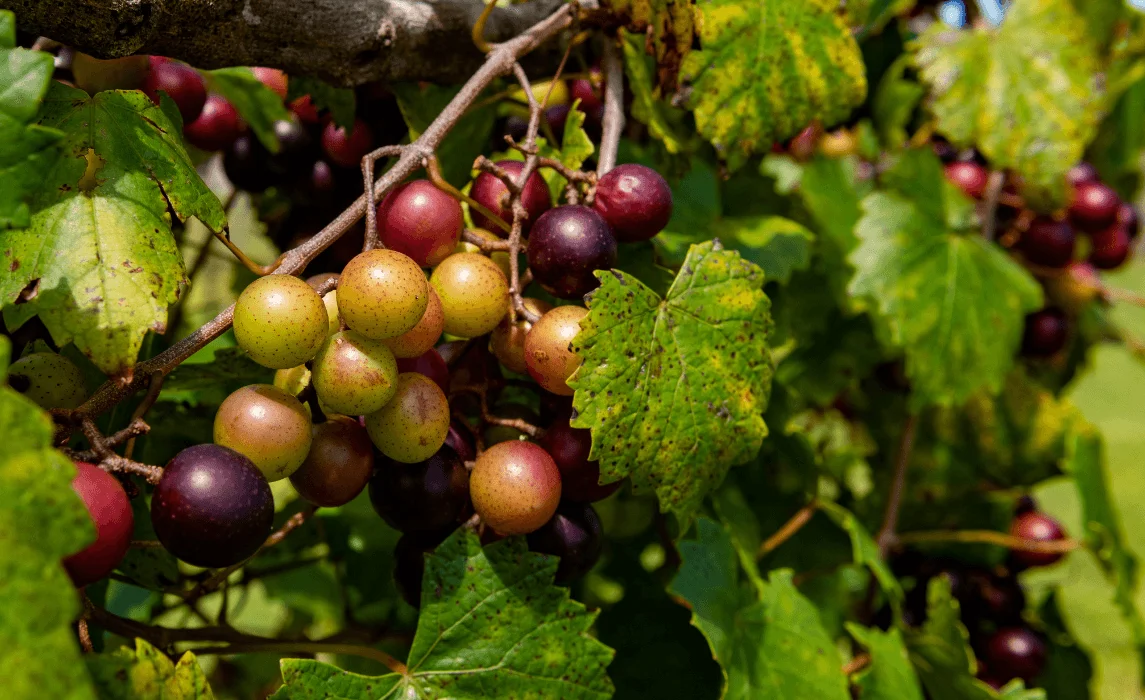
Muscadine grapes
Native to the southeastern United States, these grow well in hot, humid regions where other grape vines struggle. They produce large, thick-skinned berries with a distinctly sweet flavor.
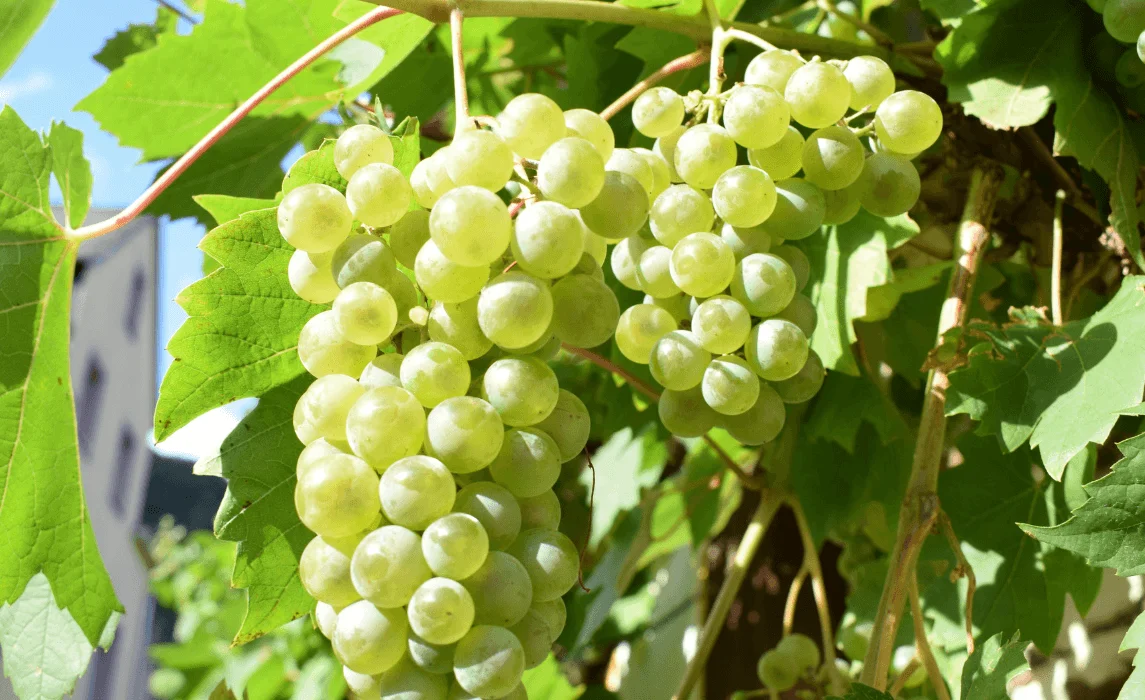
Seedless grape varieties
If you'd rather skip the seeds altogether, options like Thompson Seedless or Himrod are a popular grape choice for fresh eating and snacking.
Most grape varieties are self-fertile, so a single plant can produce fruit without a second vine nearby for pollination, though planting more than one variety often improves yields. When comparing your selection of grape vines, consider your hardiness zone, how much space you have, and whether you want wine grapes, table grapes, or something in between.
Indoor Climbing Plants: A Guide to 12 Gorgeous Vines for Your Home
Grapes are outdoor plants. They can be started indoors from seed in pots for the first few weeks, but young vines should be moved outside once the soil temperature warms and the risk of frost passes, since grape vines need full sun and open air circulation to grow well over the long term.
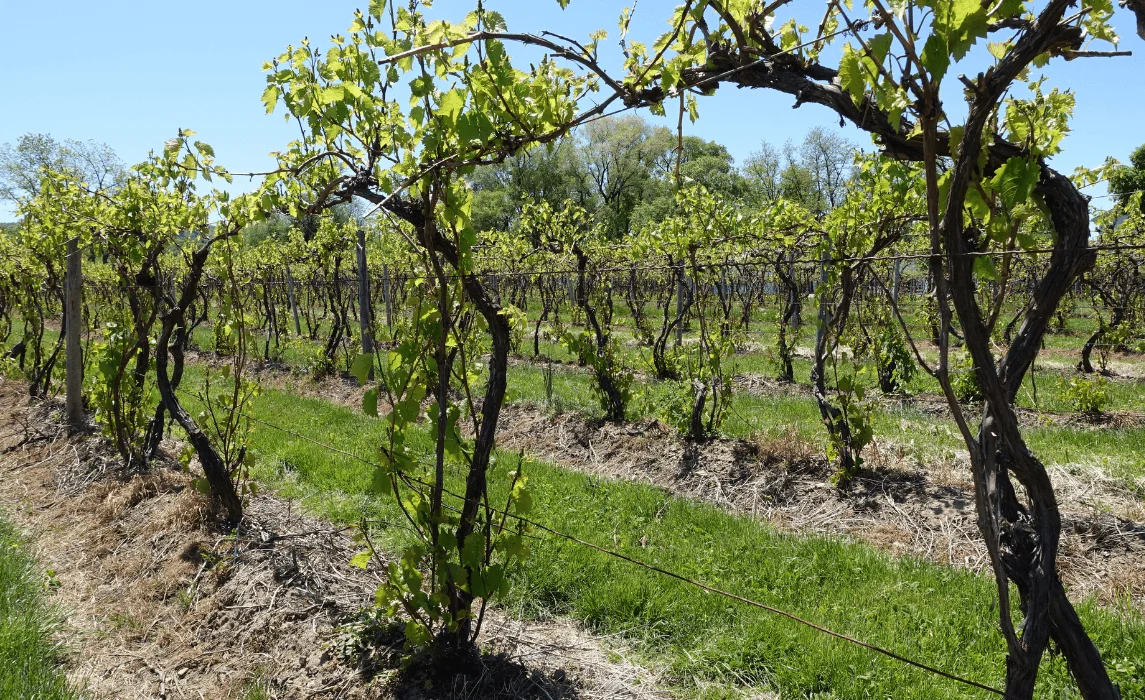
The best time for planting grape vines in most climates is early spring, while the vine is still dormant and before new growth appears. Bare-root vines are typically planted this way, though container-grown vines in the spring can go in the ground slightly later once the ground has thawed. Choose a site with at least six to eight hours of direct sun, well-drained soil, and something sturdy nearby, such as a trellis, arbor, or fence, since grape vines are natural climbers that need support as they grow.
If you're planting more than one, space plants around eight to ten feet apart to give each one room to grow; a single plant on an arbor can be trained to spread even farther. Good spacing keeps air circulation high around the vine, which helps prevent disease later in the season.
How to Grow Grape Vines
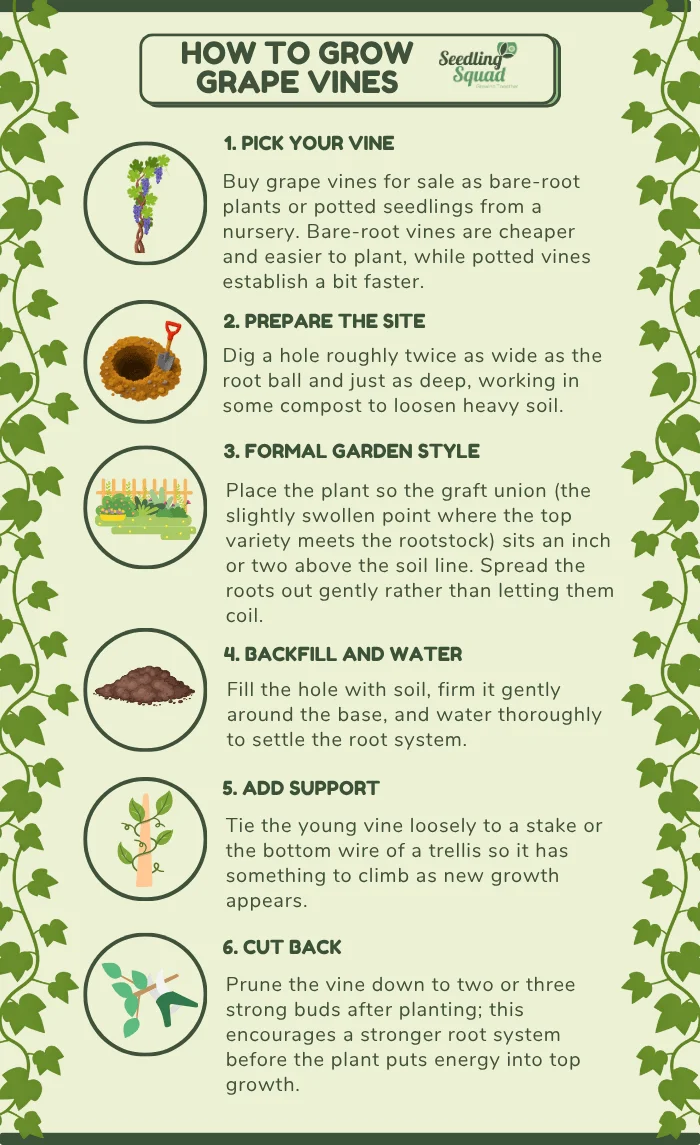
Growing your own grapevine doesn't require special equipment, just a bit of patience. Here's how to plant the vines step by step:
Pick your vine. Buy grape vines for sale as bare-root plants or potted seedlings from a nursery. Bare-root vines are cheaper and easier to plant, while potted vines establish a bit faster.
Prepare the site. Dig a hole roughly twice as wide as the root ball and just as deep, working in some compost to loosen heavy soil.
Set the vine. Place the plant so the graft union (the slightly swollen point where the top variety meets the rootstock) sits an inch or two above the soil line. Spread the roots out gently rather than letting them coil.
Backfill and water. Fill the hole with soil, firm it gently around the base, and water thoroughly to settle the root system.
Add support. Tie the young vine loosely to a stake or the bottom wire of a trellis so it has something to climb as new growth appears.
Cut back. Prune the vine down to two or three strong buds after planting; this encourages a stronger root system before the plant puts energy into top growth.
If you're starting from seed rather than a seedling, soak the seeds and refrigerate them for a few months to break dormancy, then sow them in trays and expect a full growing season before they're sturdy enough to transplant outdoors. Because seed-grown vines can vary from the parent plant and take years to produce fruit, most home growers skip this step and plant the vines from cuttings or nursery stock instead.
Grape Vine Growing Requirements
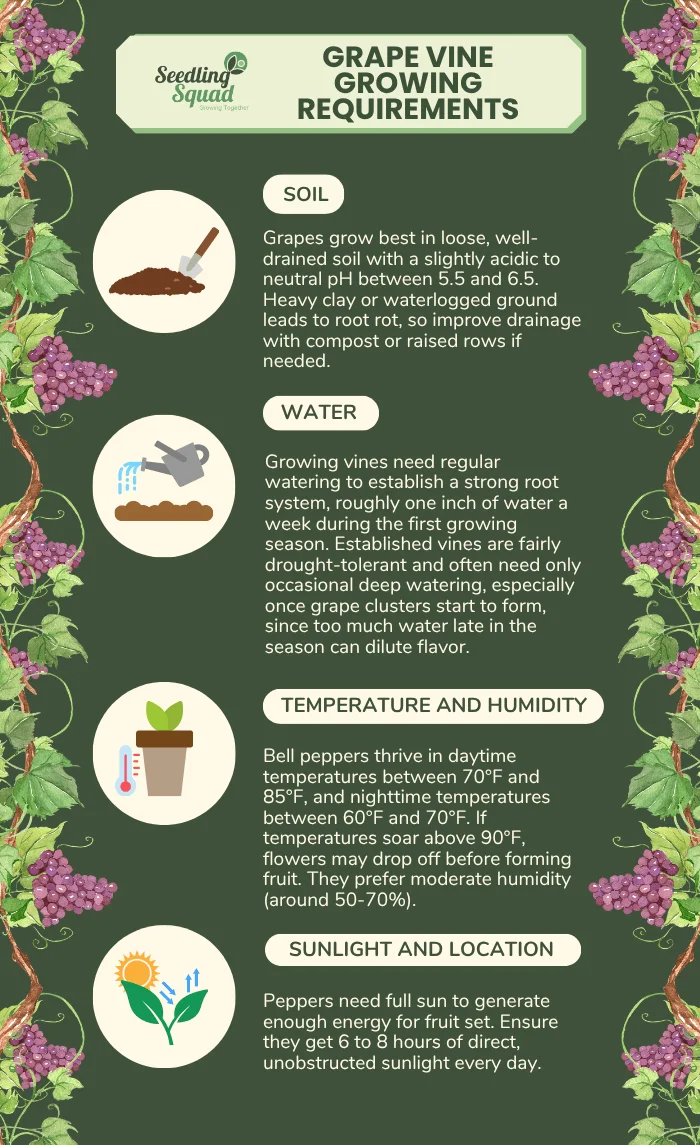
Soil
Grapes grow best in loose, well-drained soil with a slightly acidic to neutral pH between 5.5 and 6.5. Heavy clay or waterlogged ground leads to root rot, so improve drainage with compost or raised rows if needed.
Water
Growing vines need regular watering to establish a strong root system, roughly one inch of water a week during the first growing season. Established vines are fairly drought-tolerant and often need only occasional deep watering, especially once grape clusters start to form, since too much water late in the season can dilute flavor.
Temperature and humidity
Most grape varieties prefer warm, relatively dry summers and a distinct dormant period in winter to set fruit properly. Hardiness varies widely between varieties; some American types survive winters down to USDA zone 4, while many European grapes need the milder conditions of zones 7 through 10. High humidity paired with poor air circulation raises the risk of fungal disease, so this is one more reason spacing and pruning matter.
Sunlight and location
Full sun, at least six to eight hours daily, is non-negotiable for a vigorous, fruitful vine. Grape vines require an open location, away from tall trees or buildings that cast shade, and benefit from a slight slope or elevated bed that keeps cold air and moisture from pooling around the roots.
Grape Vine Care and Maintenance
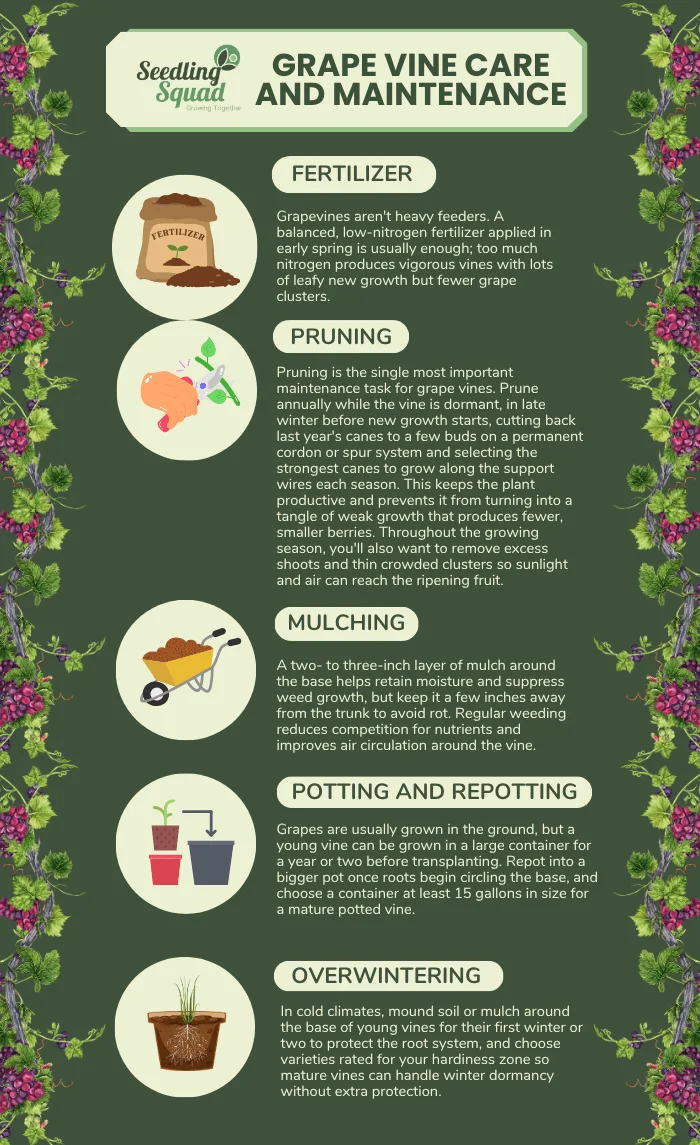
Fertilizer
Grapevines aren't heavy feeders. A balanced, low-nitrogen fertilizer applied in early spring is usually enough; too much nitrogen produces vigorous vines with lots of leafy new growth but fewer grape clusters.
Pruning
Pruning is the single most important maintenance task for grape vines. Prune annually while the vine is dormant, in late winter before new growth starts, cutting back last year's canes to a few buds on a permanent cordon or spur system and selecting the strongest canes to grow along the support wires each season. This keeps the plant productive and prevents it from turning into a tangle of weak growth that produces fewer, smaller berries. Throughout the growing season, you'll also want to remove excess shoots and thin crowded clusters so sunlight and air can reach the ripening fruit.
Mulching and Weed Control
A two- to three-inch layer of mulch around the base helps retain moisture and suppress weed growth, but keep it a few inches away from the trunk to avoid rot. Regular weeding reduces competition for nutrients and improves air circulation around the vine.
Potting and Repotting
Grapes are usually grown in the ground, but a young vine can be grown in a large container for a year or two before transplanting. Repot into a bigger pot once roots begin circling the base, and choose a container at least 15 gallons in size for a mature potted vine.
Overwintering
In cold climates, mound soil or mulch around the base of young vines for their first winter or two to protect the root system, and choose varieties rated for your hardiness zone so mature vines can handle winter dormancy without extra protection.
How to Plant and Grow a Fast Perennial Flowering Vine or Annual Vines in Your Shade Garden
Even a well-tended vineyard runs into problems now and then. Here are the pests and diseases to watch for around the vine:
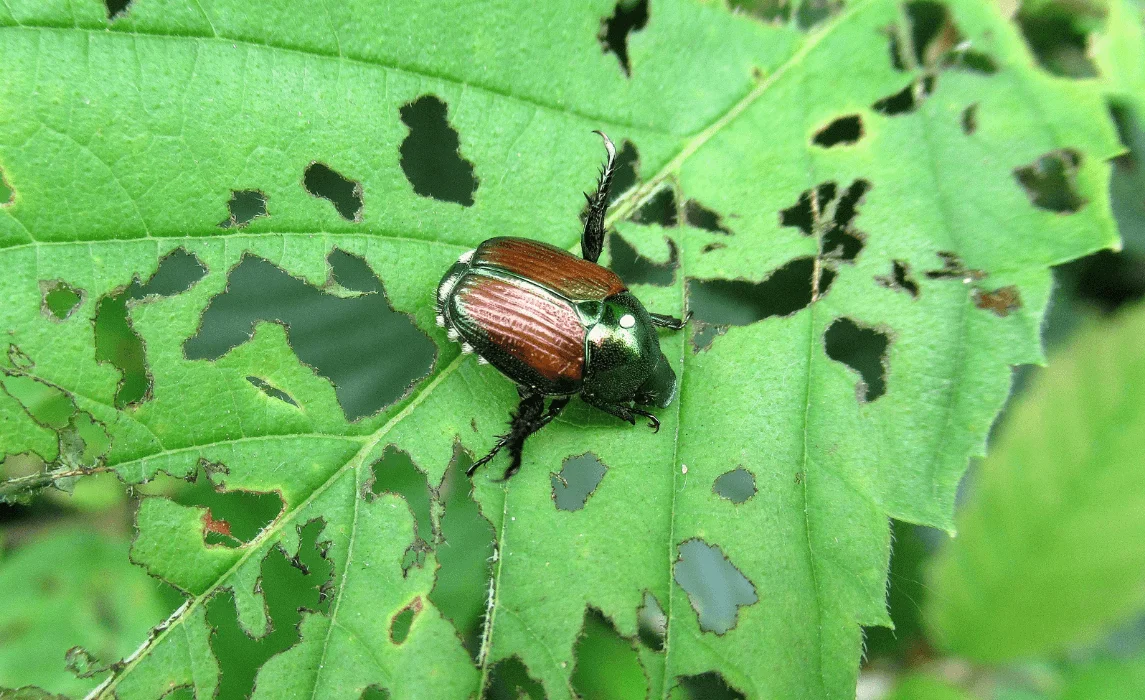
Japanese beetles, grape berry moths, and aphids
The most common grape pests, all of which feed on leaves or developing berries. Regular inspection, along with encouraging beneficial insects, keeps most infestations from getting out of hand; a targeted insecticidal soap or neem oil treatment can handle a bigger outbreak.
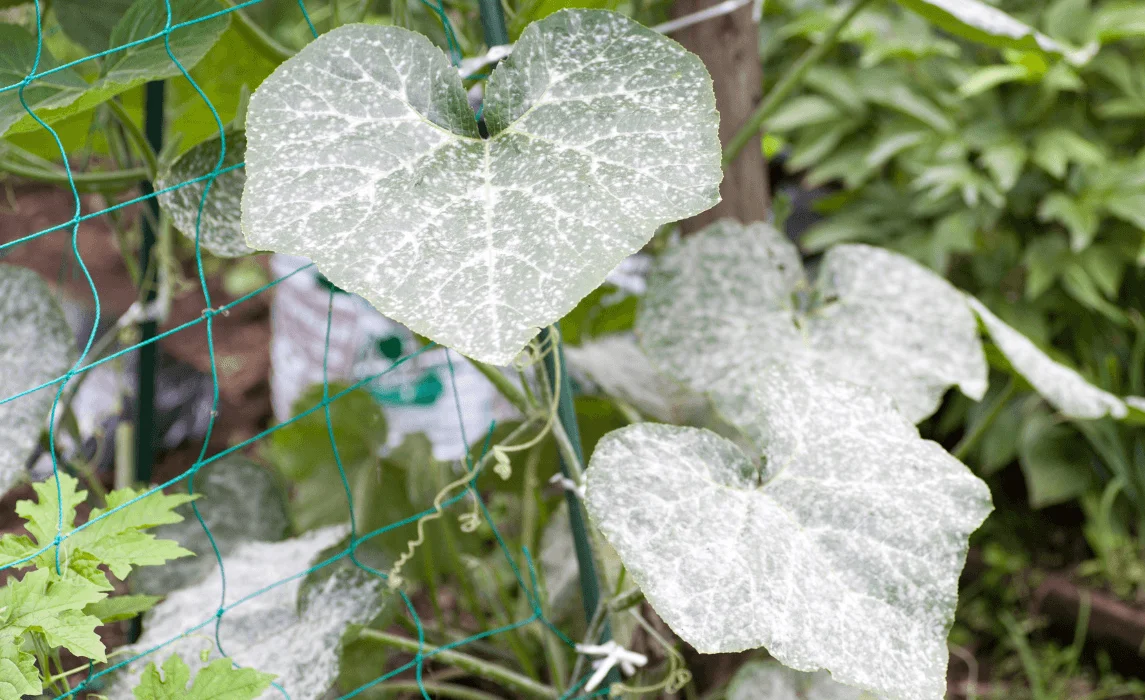
Powdery mildew and downy mildew
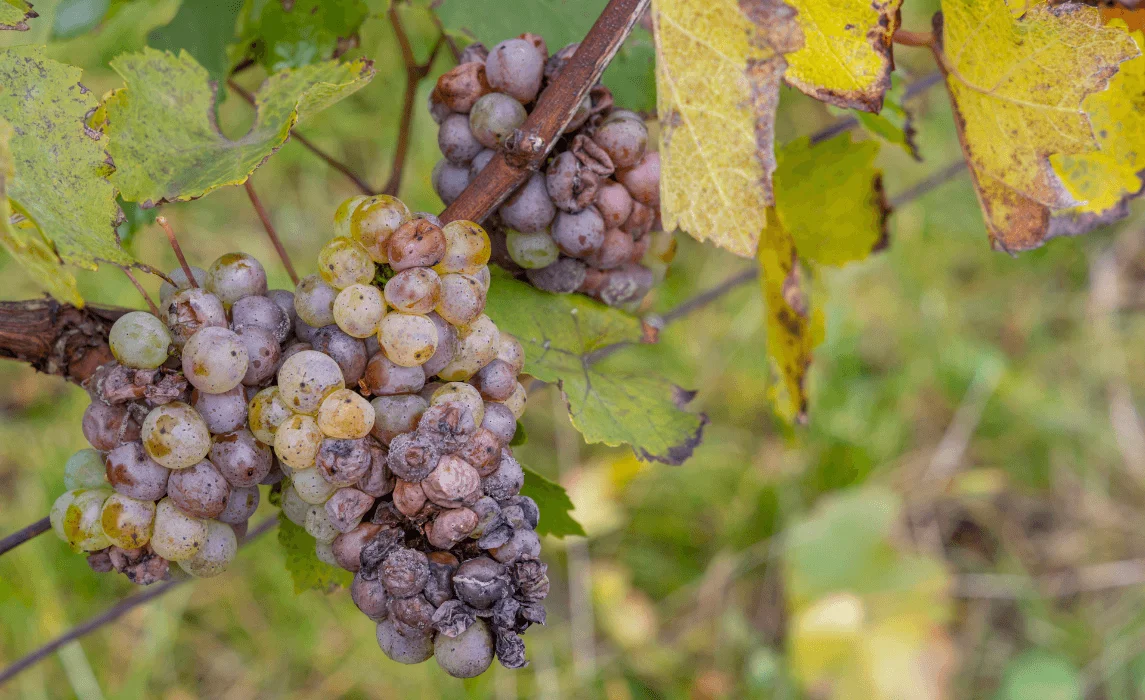
The two most common grape diseases, both caused by humid conditions and poor air circulation; they show up as a gray or white coating on grape leaves and can spread quickly across the vine.
Black rot
Causes small, sunken spots on fruit and leaves that eventually rot entire grape clusters if left untreated.
Grape diseases are usually more serious than pests, so prevention matters. To prevent grape diseases, prune the vine to keep it open, clean up fallen leaves and dropped fruit at the end of the season, and avoid overhead watering that keeps foliage wet. If a vine does develop symptoms, remove and destroy the affected leaves or clusters right away and treat the rest of the vineyard with an appropriate fungicide before the problem spreads to healthy vines.
Harvesting Grapes
Knowing when grapes are ripe takes a little practice since color alone isn't always reliable, especially with white grapes that stay pale even when ready. Taste is the best test: ripening grape clusters should taste sweet, not sour, and the stem connecting the cluster to the vine should have started turning brown and woody.
Most vines produce a harvestable crop within two to three years of planting, and harvesting grapes typically happens from late summer into early fall, depending on the variety and climate. Cut whole clusters off with pruning shears rather than pulling individual berries, since grapes don't continue to ripen once picked.
Some varieties are grown specifically as grapes for fresh eating, while thinner-skinned wine grapes are used as a table grape less often since they tend to be tarter and more seed-heavy. Still, wine grapes can be eaten straight off the vine if you don't mind the seeds, and grapes can be eaten fresh, pressed into juice, or dried into raisins.
Once harvest is done for the season, the vine's job shifts to storing energy for next year's growth. Vines produce their best crops when given a rest, so avoid heavy pruning again until the plant is fully dormant in winter.
Frequently Asked Questions About Growing Grapes
How long does it take for a grape plant to produce fruit?
Most young vines need two to three years after planting before they set a full crop, though a few clusters may appear in year two. Patience pays off — established vines can keep producing for 40 years or more.
Do I need more than one vine to grow grapes?
No. Since most grape varieties are self-fertile, one plant is enough to produce fruit on its own. Planting a second variety nearby is optional and mainly helps with cross-pollination in a few less common types.
Can grape vines grow in containers?
Yes, though grape vines grow best planted directly in the ground, where the root system has room to spread. A large container works for a year or two, but expect to transplant once the vine outgrows the pot.
Why aren't my grapes ripening?
Grapes ripen slowly compared to many fruits, and cool weather, too much shade, or overcrowded canes can all delay the process. Give the vine full sun, thin the clusters, and be patient through the growing season.
What's the difference between table grapes and wine grapes?
Table grapes are bred for fresh eating, with thinner skins and fewer seeds, while wine grapes tend to have thicker skins, more seeds, and higher sugar content suited to fermentation.
Are grape vines toxic to pets?
Grapes and grape leaves are not toxic to people, but grapes and raisins are toxic to dogs and can cause kidney damage, so keep fallen fruit cleaned up if pets have access to the vineyard.
Related posts
Here are some articles you might be interested in.


.webp)