How to Build a Smart Garden and Indoor Herb Gardening System
Published on
November 4, 2026
Author
Zuri Khumalo
Zuri's frequent journeys to South Africa in her youth ignited her fervor for environmental science, gardening, and sustainable living. These travels deepened her connection with nature, inspiring her to contribute to conservation efforts in her own meaningful ways.
Smart Garden Q&A
Is a smart garden worth it for beginners?
Yes, if you keep it simple. One soil moisture sensor and a free app give new gardeners real feedback for very little money. Expensive systems only pay off once you know you enjoy the hobby and understand what your plants need.
Which herbs grow best in a smart indoor garden?
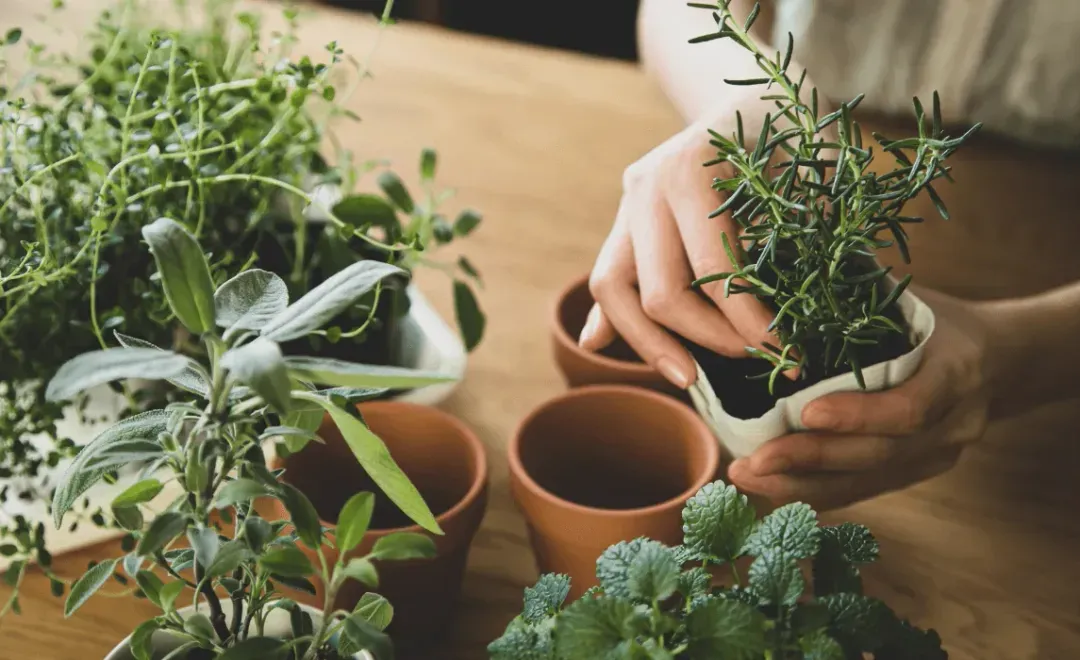
Basil, mint, parsley, chives and thyme are reliable choices. They stay compact, tolerate indoor conditions and reward regular harvesting, so you can grow fresh herbs for cooking all year. Woody herbs like rosemary are harder indoors because they want strong light and drier soil.
How is a hydroponic garden different from soil?
A hydroponic system grows roots in nutrient-rich water instead of soil, usually with plant pods, a water tank and an LED light. It tends to be cleaner and faster for herbs and vegetables, but it needs steady power, nutrients and regular reservoir checks.
Do I need wi-fi for a smart garden?
Not always. Many sensors and lights run on timers or batteries. Wi-fi adds remote monitoring and an alert on your phone when it is time to water your plants, which is helpful but optional.
Can I grow fruit and vegetables in an indoor garden?
Yes, though they need more light and space than herbs. Compact varieties like cherry tomatoes and lettuce do well under a strong full spectrum light with a larger planter.
Does a smart garden make a good gardening gift?
A countertop kit is an easy gift because it works out of the box for people without a green thumb. Pick one with pre-seeded pods so the recipient can enjoy fresh herbs within weeks, and check that refills are easy to buy.
Growing Palm Trees Q&A
How fast do palms grow?
The overall speed and rate at which palms grow depends almost entirely on the exact genetic species and the surrounding environmental conditions like water, heat, and fertilizer. Some fast-growing species, like the towering Queen palm, can aggressively grow a few feet per year under optimal conditions, while other slow-growing varieties may only painstakingly grow a few short inches annually.
Can I cut the top off my palm tree to make it shorter?
No. Unlike many other deciduous landscape trees that can be topped, a palm has only one single growing point located at the very absolute top of the trunk, botanically known as the terminal bud. If you cut the top off, the tree will permanently stop growing and will eventually die.
Why are the tips of my palm leaves suddenly turning brown and crispy?
Unsightly brown tips on the fronds can be directly caused by severe underwatering, incredibly low ambient humidity, or a toxic excess salt buildup in the soil originating from hard tap water or too much chemical fertilizer. To fix this, thoroughly flush the soil, adjust your watering schedule, and ensure you are strictly using the correct, balanced palm fertilizer in the exact recommended amounts.
Growing Chia Plants Q&A
Can I grow chia from the chia seeds I buy at the store?
Yes. Organic chia seeds from the grocery store will often germinate, though germination can vary. Fresh seed from a garden supplier is more reliable.
How long does it take to grow chia?
Seeds sprout in about a week. The plant needs 100 to 150 days to mature before you can harvest the seeds.
Is chia a California native plant?
Salvia hispanica is native to central Mexico and Guatemala. However, Salvia columbariae, sometimes called California chia, is a California native plant.
Can I grow chia indoors?
You can grow chia sprouts and microgreens indoors easily. A full-size chia plant needs strong light and rarely sets a good seed crop indoors.
Why won't my chia flower?
Chia flowers when days get shorter. Plants in cooler regions or those lit at night may bloom late or not at all.
A smart garden uses sensors, timers and apps to take the guesswork out of plant care. Instead of poking the soil and wondering whether your basil is thirsty, a small sensor gives you a reading, and a pump can add water for you if you want it to. If you have ever killed a pot of herbs and decided you lack a green thumb, the problem was probably missing information, not talent. Most plants fail indoors from too much water, too little light or inconsistent care, and all three can be measured.
This guide walks you through building an indoor smart garden at home. You can buy a ready-made garden kit such as the Click and Grow Smart Garden 9, or assemble your own gardening system one piece at a time. We will cover the honest pros and cons, an eight-step setup, the tools worth buying first, how to keep costs down and the mistakes that trip up most beginners. By the end, you will know how to grow fresh herbs indoors without overspending or overcomplicating things.
1. What Is a Smart Garden?
Smart gardening means using technology to monitor and care for plants with less guesswork. The idea is simple: collect a little data about your plants, then act on it. The data might come from a soil moisture sensor, a weather forecast or a timer, and the action might be as basic as watering when a reading drops.
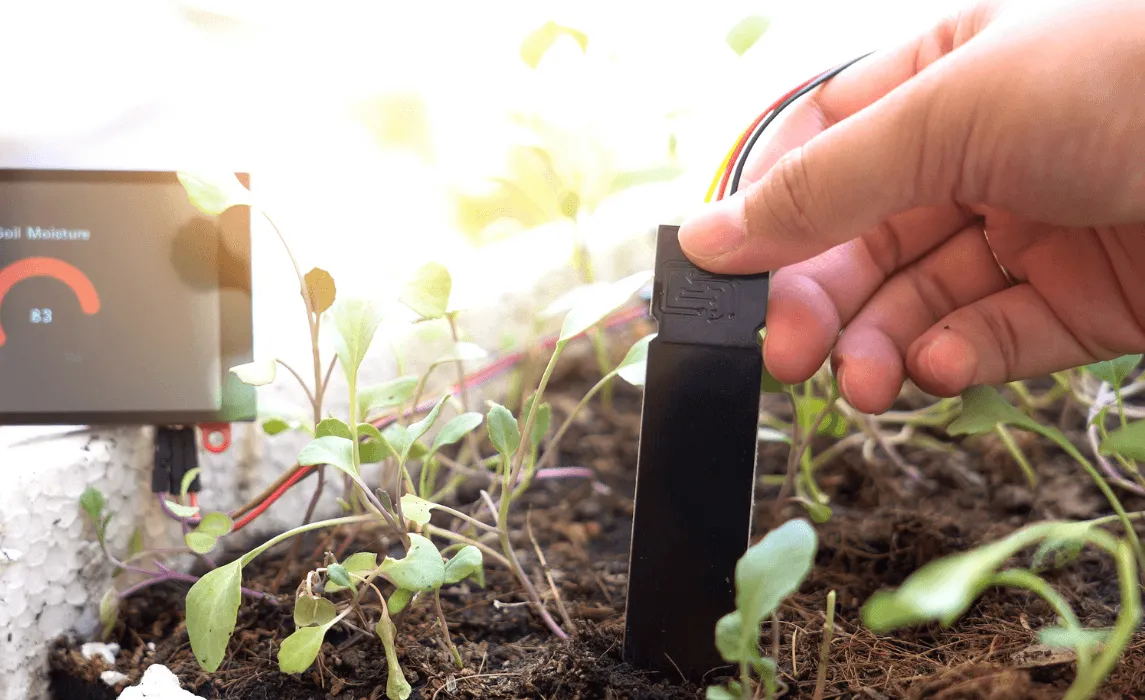
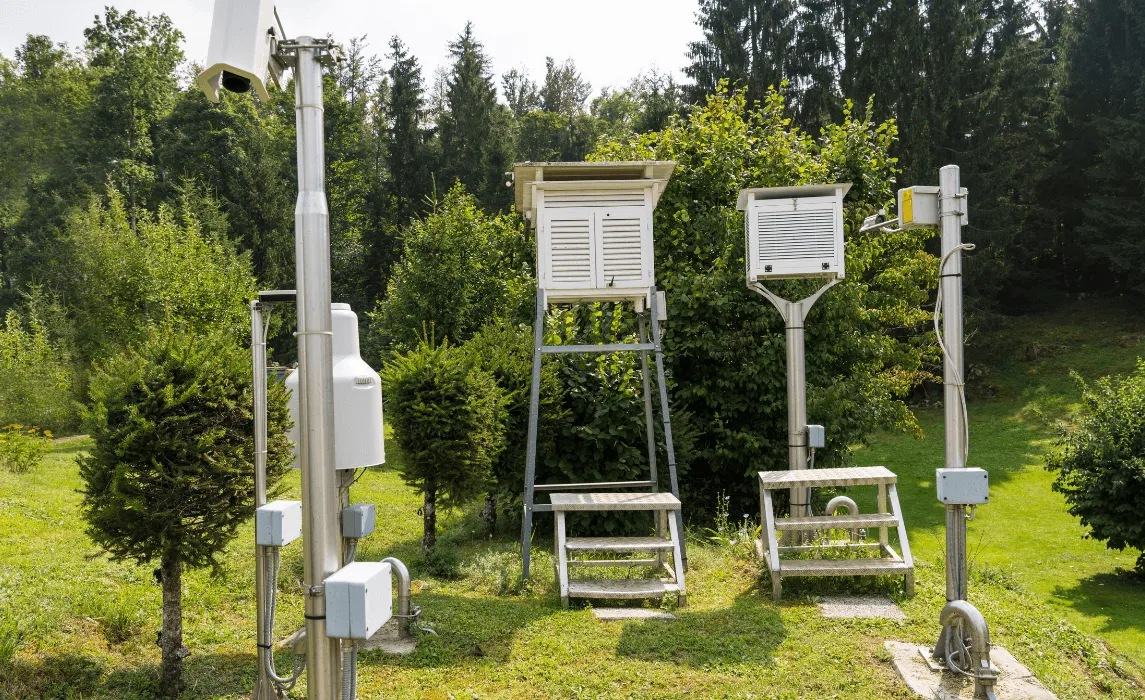
Technology helps in several practical ways. Soil moisture sensors show how wet the root zone really is, which a dry-looking surface often hides. Automatic watering, from a drip line to a pump on a timer, delivers water on schedule even when you are away. Weather apps warn you about rain, heat and frost for outdoor plants. Smart lights keep indoor plants on a steady light cycle, and a plant-care app collects reminders and alerts on your smartphone.
A smart garden also comes in very different sizes. At one end is a countertop hydroponics growing system where the planter, LED light, water tank and app arrive in one box. At the other end is a single sensor in a pot of mint on a windowsill. Both count, which brings up the point that surprises most people: you do not need an expensive setup to have a smart garden. Start with the problem you want to solve, then add technology only where it helps.
A smart garden earns its place by solving real gardening headaches.
It saves time
Instead of checking every pot daily, you glance at an app or a sensor light.
It helps prevent overwatering and underwatering
These are the two most common reasons indoor plants fail, and they look almost identical: drooping, yellowing leaves. A moisture reading tells you which problem you actually have.
It can conserve water
When you water because the soil is dry, not because the calendar says Tuesday, you use less. Hydroponic systems go further by recirculating water through a closed water reservoir, so very little is wasted.
It makes plant conditions easier to monitor
Soil moisture, temperature and the amount of light a spot receives are hard to judge by eye. Once you can see them, you can move a pot closer to the window and notice the difference.
It is useful for beginners who are still learning what plants need
The numbers act as training wheels. After a few weeks you connect a reading with how a plant looks and feels, and your own instincts take over.
For indoor growing, where there is no rain to balance your mistakes, these tools make the whole gardening experience far more forgiving.
LetPot 12-Pod Smart Hydroponics System SE – Indoor Growing System
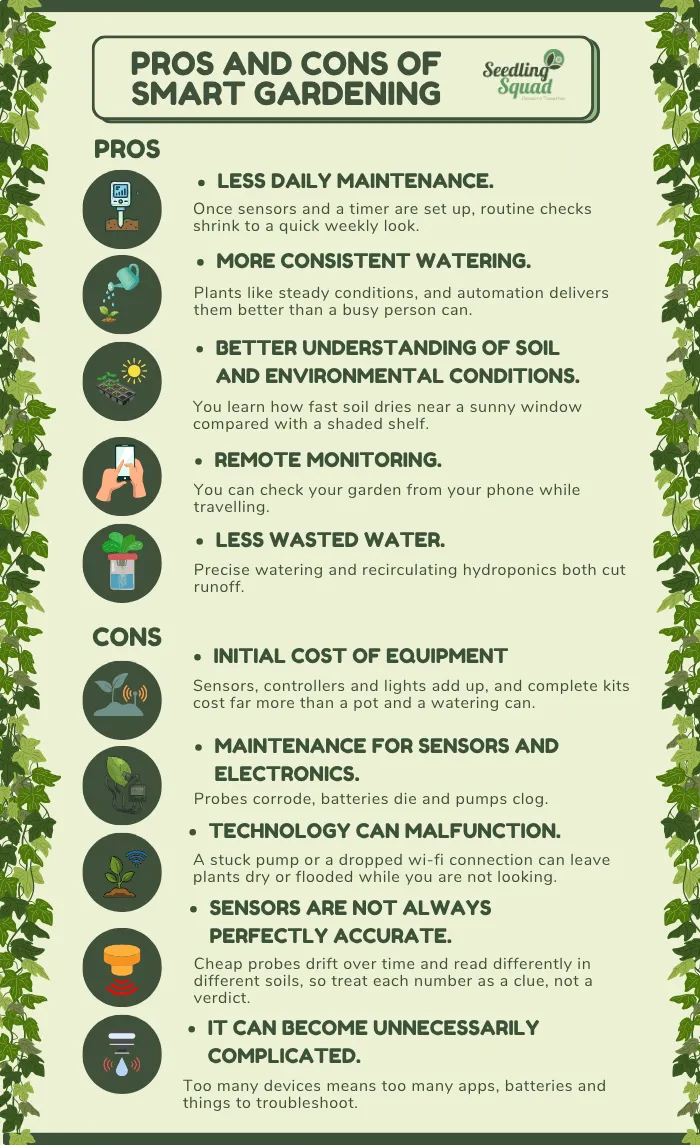
Smart gardening is not perfect, so weigh both sides before you buy anything.
Pros
Less daily maintenance: Once sensors and a timer are set up, routine checks shrink to a quick weekly look.
More consistent watering: Plants like steady conditions, and automation delivers them better than a busy person can.
Better understanding of soil and environmental conditions: You learn how fast soil dries near a sunny window compared with a shaded shelf.
Remote monitoring: You can check your garden from your phone while travelling.
Less wasted water: Precise watering and recirculating hydroponics both cut runoff.
Cons
Initial cost of equipment: Sensors, controllers and lights add up, and complete kits cost far more than a pot and a watering can.
Maintenance for sensors and electronics: Probes corrode, batteries die and pumps clog.
Technology can malfunction: A stuck pump or a dropped wi-fi connection can leave plants dry or flooded while you are not looking.
Sensors are not always perfectly accurate: Cheap probes drift over time and read differently in different soils, so treat each number as a clue, not a verdict.
It can become unnecessarily complicated: Too many devices means too many apps, batteries and things to troubleshoot.
The takeaway: smart tools work best as helpers. A gardener who understands the basics will always get more out of them than someone who buys gadgets and hopes for the best.
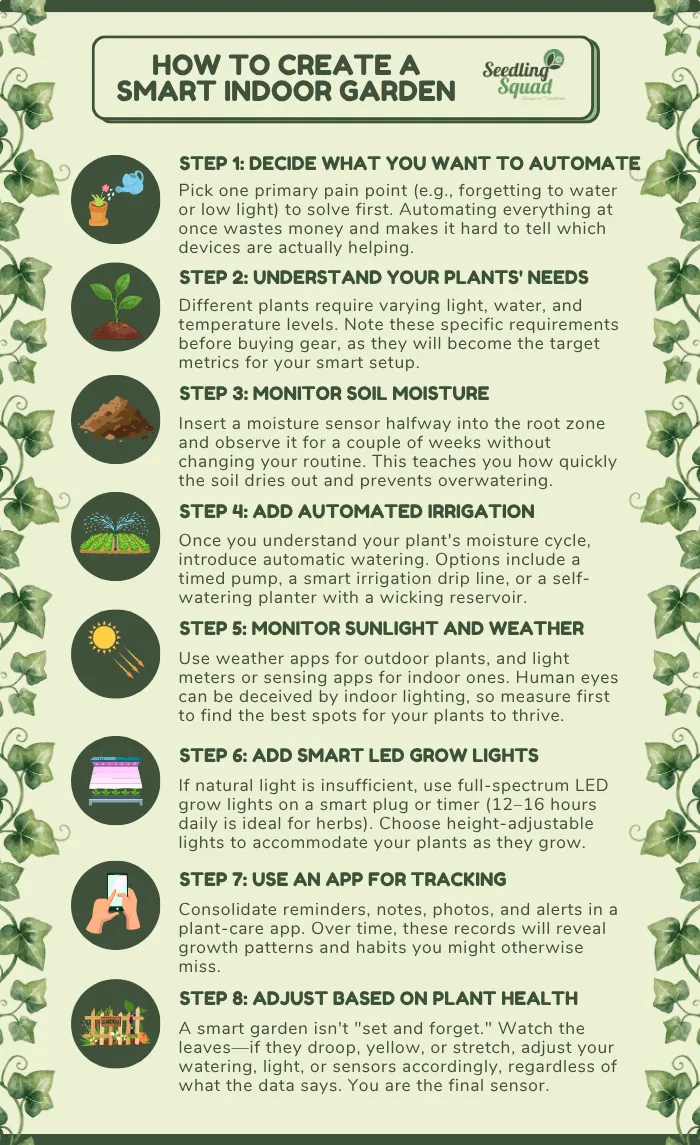
Follow these eight steps in order. You can stop at any point and still have a working setup, so treat this as a ladder, not an all-or-nothing project.
Step 1: Decide What You Want to Automate
Pick one pain point first. Maybe you forget to water, maybe you are never sure whether a spot gets enough sun, or maybe your apartment has almost no natural light. Write that one problem down. Automating everything at once is how budgets and patience disappear, and you will never know which device is actually helping.
Step 2: Understand Your Plants' Needs
Different plants want very different things. Basil likes warmth, bright light and evenly moist soil. Mint tolerates some shade and drinks more. Before buying gear, note the amount of water and the amount of light each plant needs, plus a rough temperature range. That list becomes the target your technology works toward.
Step 3: Start Monitoring Soil Moisture
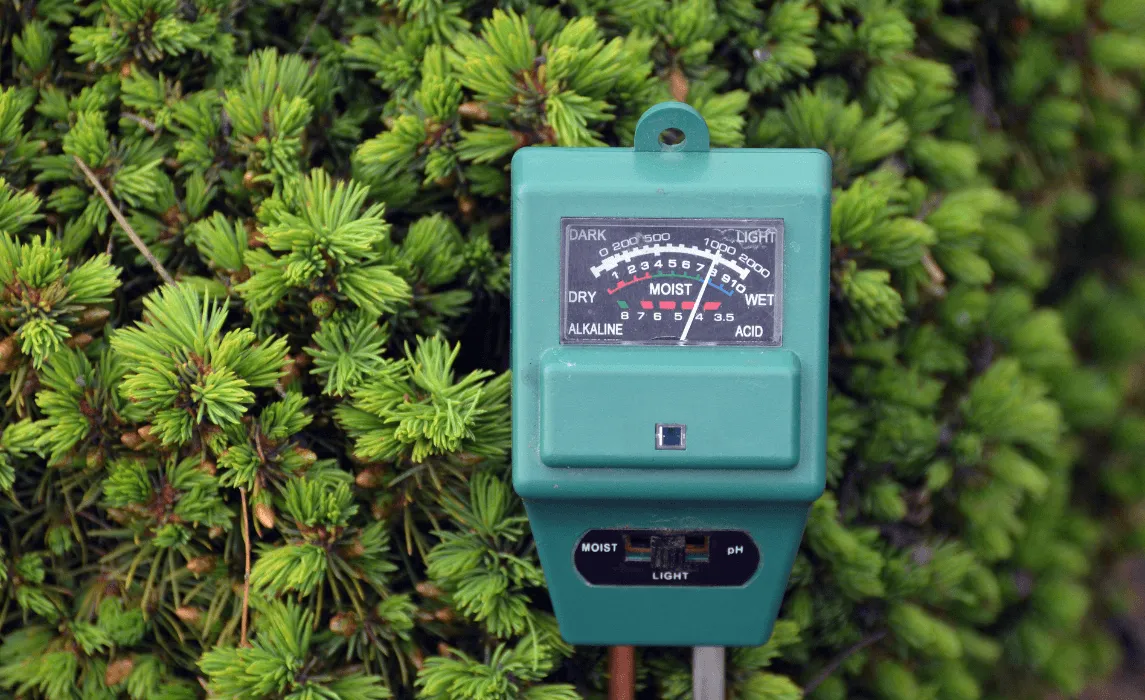
Push a soil moisture sensor into the pot, about halfway down the root zone, and watch it for a week or two without changing your routine. You will learn how quickly the soil dries, how much a normal watering raises the reading and whether you have been overdoing it.
Step 4: Add Automated Irrigation With a Self Watering Planter
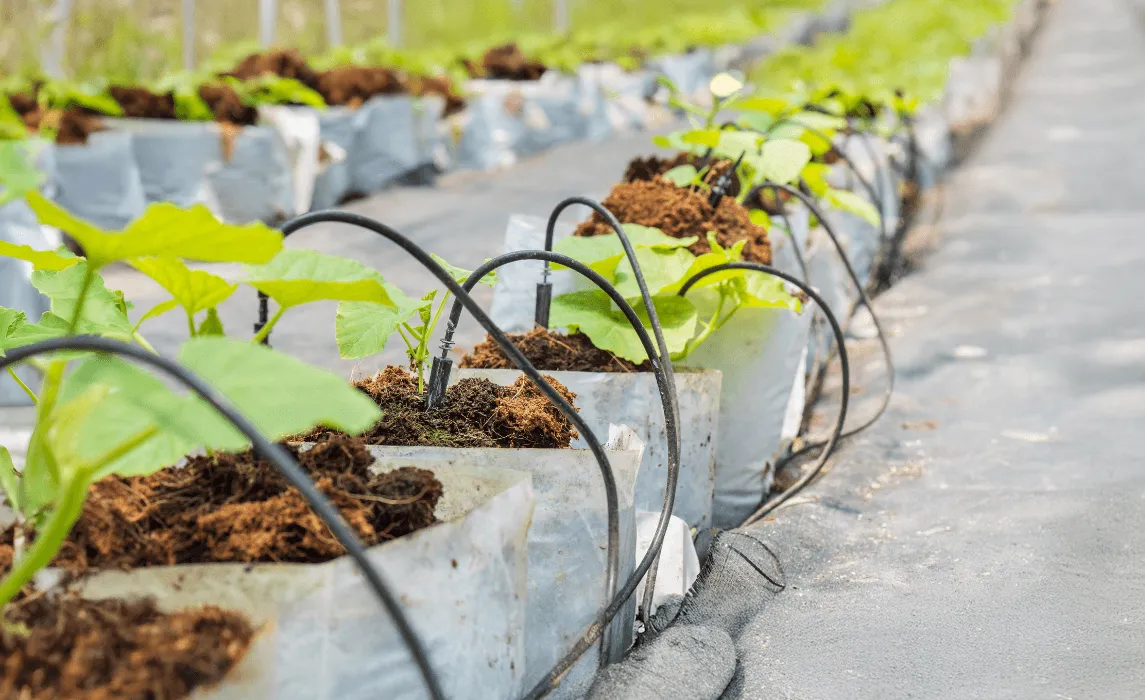
Once you trust your readings, add automatic watering. Options include a small pump on a timer, a drip line fed by an irrigation controller, or a self watering planter with a built-in reservoir that wicks moisture up as the plant needs it.
Step 5: Monitor Sunlight and Weather
For outdoor plants, a weather app shows rain, humidity and temperature swings. Indoors, use a light meter or a light-sensing app to measure different spots, because a place that looks bright to your eyes can be surprisingly dim for a plant. Measuring first shows you where your plants thrive.
Step 6: Add Smart Lighting With an LED Grow Light for Indoor Growing
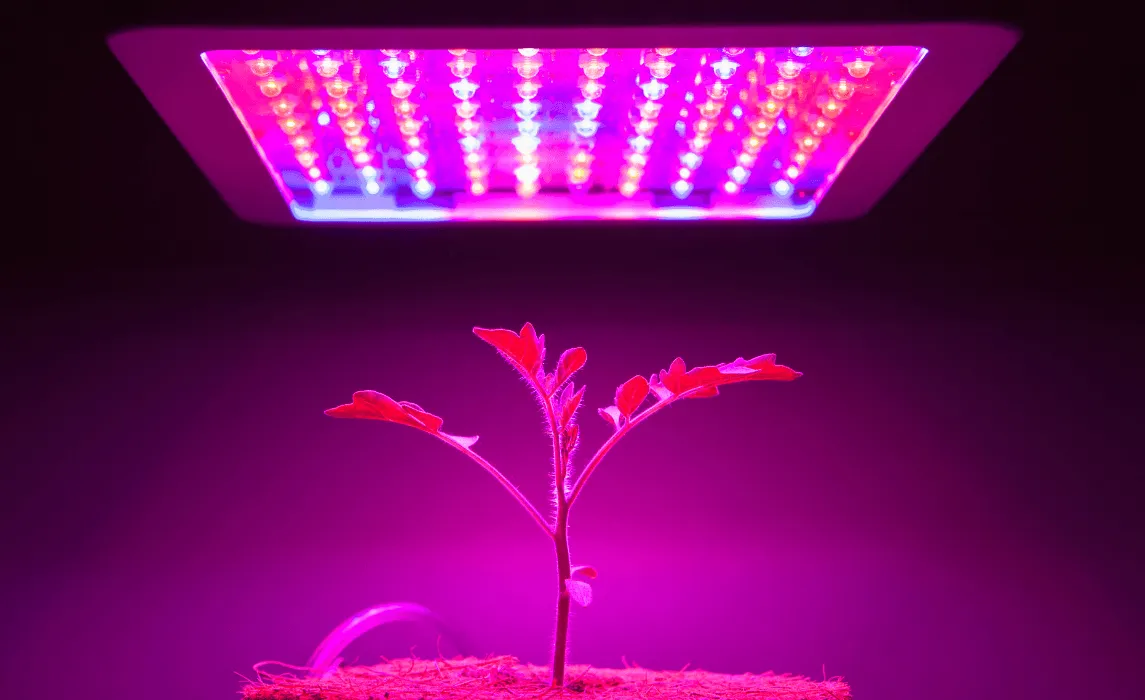
If natural light falls short, a full spectrum LED grow light on a smart plug or built-in timer fills the gap. If you want to grow herbs under lights, 12 to 16 hours a day often works well. Choose adjustable lighting, ideally with adjustable height, so you can keep it close to seedlings and raise it as plants grow.
Step 7: Use an App to Keep Track of Everything
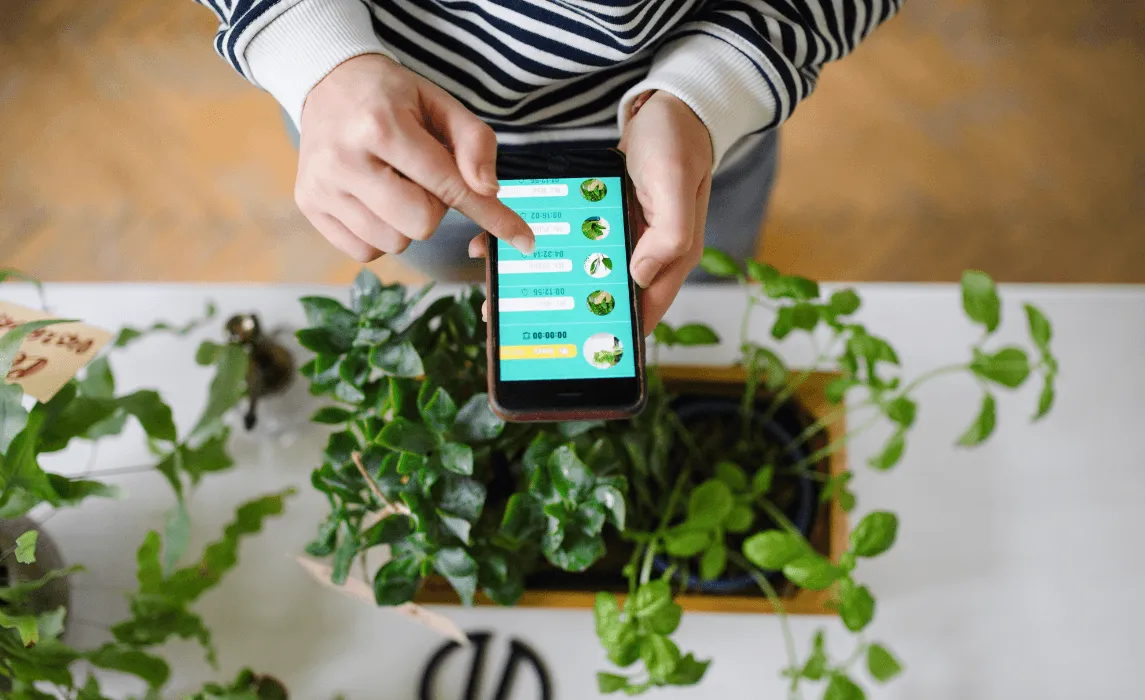
A plant-care app gathers reminders, notes, photos and alerts in one place. After a month, those small records reveal patterns you would never remember on your own.
Step 8: Adjust Your System Based on What Your Plants Actually Need
Leaves tell the truth. If they droop, yellow, curl or stretch toward the window, change your watering schedule, your light or your sensor placement, no matter what the numbers say. A smart garden is never set and forget. It is a feedback loop, and you are the final sensor.
5. Best Smart Gardening Tools for Plant Care
These tools are ordered by how useful they are to a beginner, not by how fancy they look. Buy in this order and you will rarely waste money.
Indoor Garden Ideas: Creative Gardening Ideas for a Small Space Garden
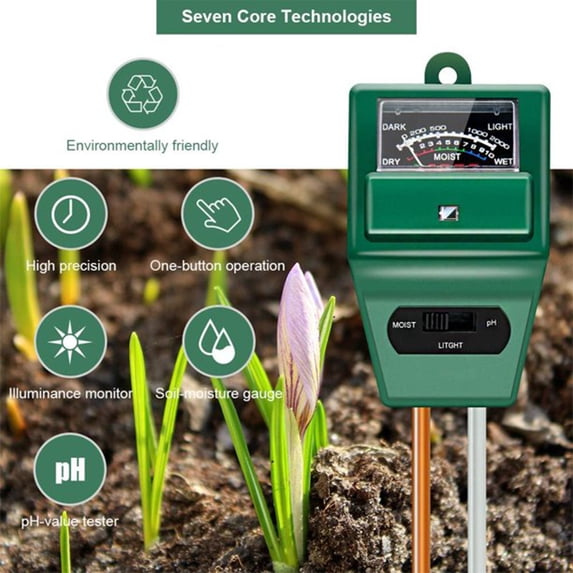
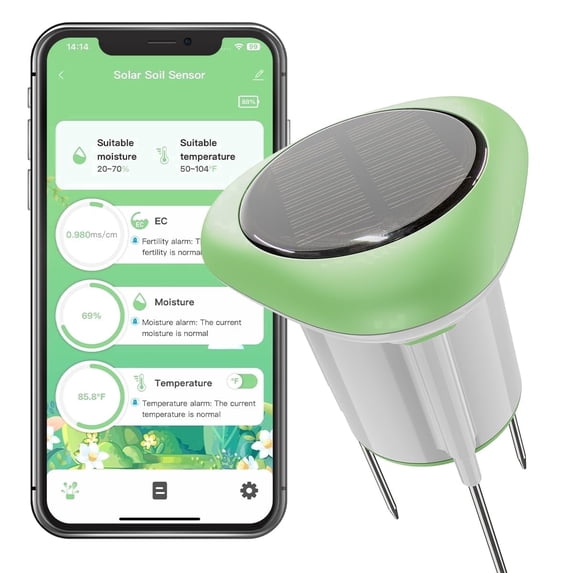
The single most helpful gadget. It helps determine when plants actually need water, which fixes most beginner problems by itself. Choose one with a clear display or app reading and a probe that is easy to clean.
Smart Irrigation Controller
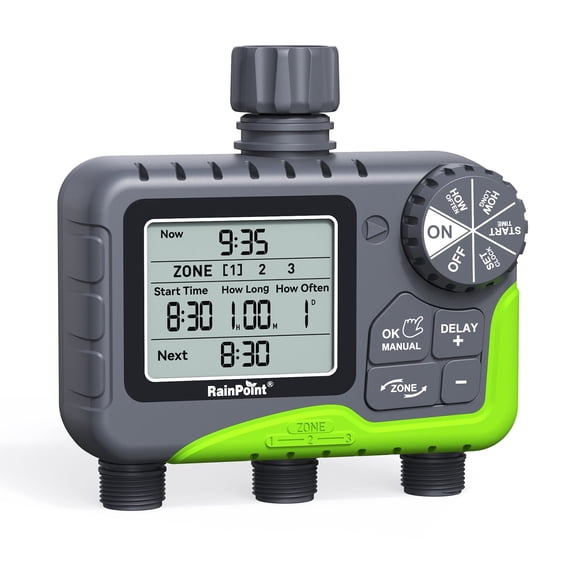
Automates watering and can adjust schedules based on moisture readings or the weather. Add it after your sensor has shown what your plants need, because a controller multiplies whatever routine you give it, good or bad. It pairs well with a drip line or a watering planter.
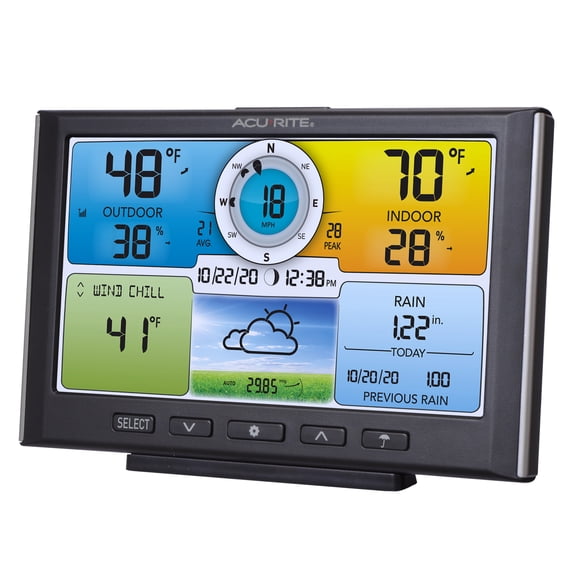
Helps you account for rain, temperature and humidity. A free app is plenty for most home gardeners, especially with outdoor plants.
Light Meter or Light Sensor
Helps determine whether plants are getting optimal light. It is especially handy on a kitchen windowsill, where light shifts with the season and time of day. Measure a few spots at a few times, then place sun-loving herbs in the brightest one.
Plant-Care App
Useful for reminders, plant identification and keeping track of care. Many are free and work with or without other devices. Treat the app as your garden's logbook, not as the final authority on what a plant needs.
Smart Grow Lights
Particularly useful for indoor gardening. Look for a full-spectrum LED light with adjustable height and a built-in timer, so it follows your plants as they grow and shuts off at night.
If you can only afford one thing, buy the moisture sensor. Add the rest only when you have a clear reason.
WiFi 3-in-1 Smart Soil Sensor – Moisture, Temperature & Fertility Meter
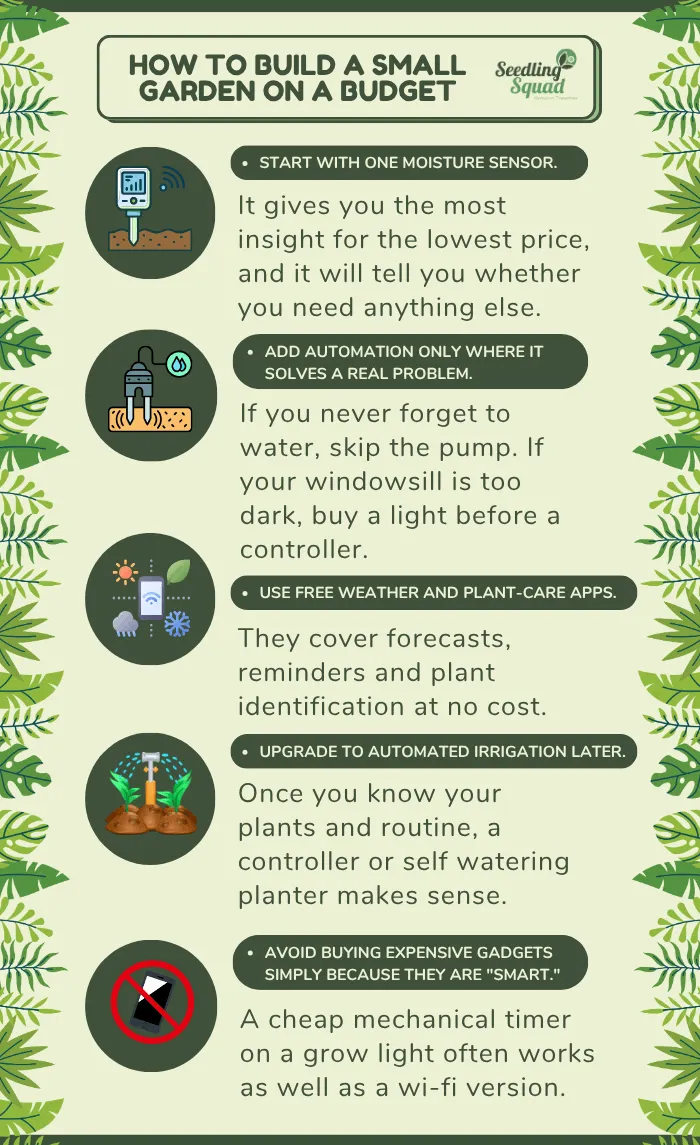
You can build a capable small garden setup for far less than most people expect. The trick is to spend money only after a problem has proven itself.
Start with one moisture sensor: It gives you the most insight for the lowest price, and it will tell you whether you need anything else.
Add automation only where it solves a real problem: If you never forget to water, skip the pump. If your windowsill is too dark, buy a light before a controller.
Use free weather and plant-care apps: They cover forecasts, reminders and plant identification at no cost.
Upgrade to automated irrigation later: Once you know your plants and routine, a controller or self watering planter makes sense.
Avoid buying expensive gadgets simply because they are "smart.": A cheap mechanical timer on a grow light often works as well as a wi-fi version.
If you would rather skip the DIY route, an indoor herb garden kit or any indoor garden kit bundles everything into one countertop unit. Click and Grow Smart Garden models use plant pods and a water tank, AeroGarden units combine hydroponics with LED lights, and Rise Gardens makes larger hydroponic designs. They cost more upfront but need minimal effort, and they make a thoughtful gardening gift. A starter kit of loose parts is cheaper and teaches you more.
7. Tips for Using Smart Gardening Technology
A few habits will keep your gadgets honest and your plants healthy.
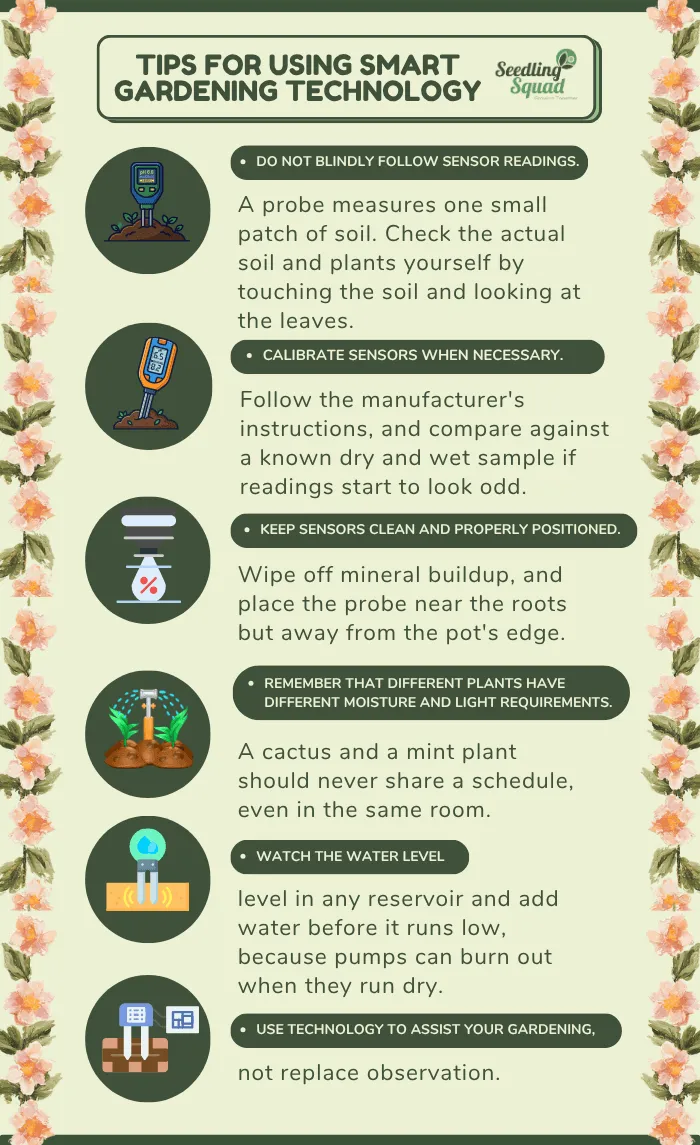
Do not blindly follow sensor readings: A probe measures one small patch of soil. Check the actual soil and plants yourself by touching the soil and looking at the leaves.
Calibrate sensors when necessary: Follow the manufacturer's instructions, and compare against a known dry and wet sample if readings start to look odd.
Keep sensors clean and properly positioned: Wipe off mineral buildup, and place the probe near the roots but away from the pot's edge.
Remember that different plants have different moisture and light requirements: A cactus and a mint plant should never share a schedule, even in the same room.
Watch the water level: Add water in any reservoir before it runs low, because pumps can burn out when they run dry.
Use technology to assist your gardening: Technology is used as a tool, not something to replace natural obeservation and talent.
The best gardener combines data with a quick daily look at the leaves. That habit supports healthy plant growth better than any gadget, and it catches problems no sensor is built to see, such as pests.
8. Common Beginner Mistakes
Most smart gardening problems come from a short list of errors, and almost all of them are about restraint.
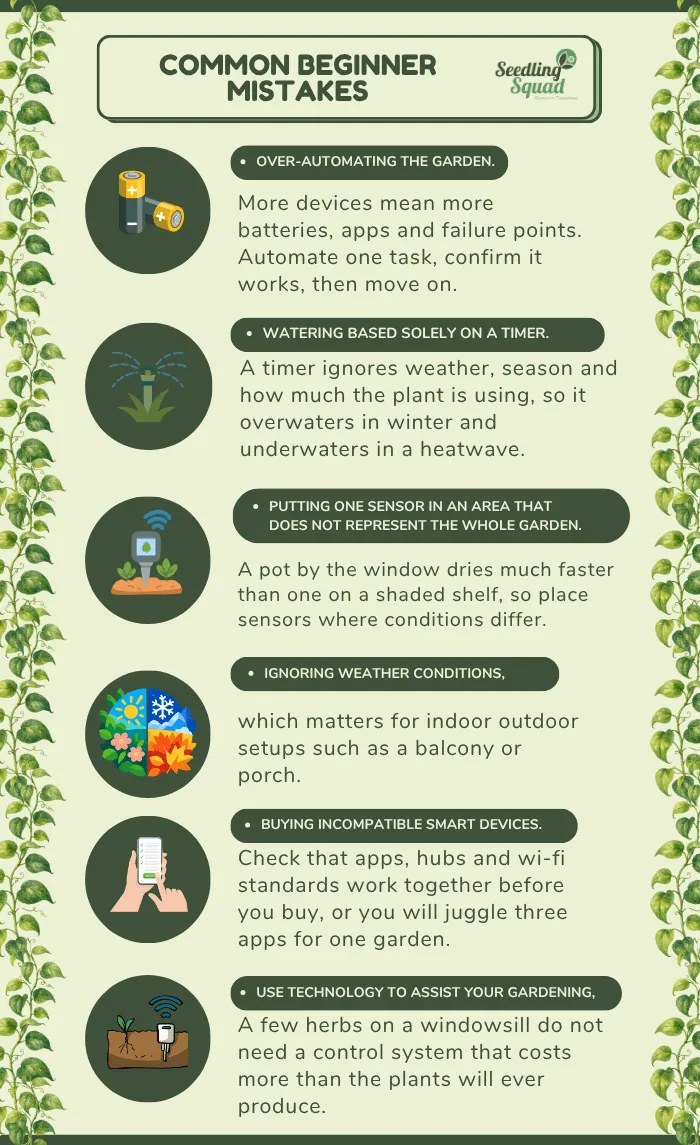
Over-automating the garden: More devices mean more batteries, apps and failure points. Automate one task, confirm it works, then move on.
Watering based solely on a timer: A timer ignores weather, season and how much the plant is using, so it overwaters in winter and underwaters in a heatwave.
Putting one sensor in an area that does not represent the whole garden: A pot by the window dries much faster than one on a shaded shelf, so place sensors where conditions differ.
Ignoring weather conditions
Buying incompatible smart devices: Check that apps, hubs and wi-fi standards work together before you buy, or you will juggle three apps for one garden.
Spending more on technology than the garden actually requires: A few herbs on a windowsill do not need a control system that costs more than the plants will ever produce.
A modest system you understand will always beat a complicated one you do not.
Yes, if you keep it simple. One soil moisture sensor and a free app give new gardeners real feedback for very little money. Expensive systems only pay off once you know you enjoy the hobby and understand what your plants need.
Which herbs grow best in a smart indoor garden?
Basil, mint, parsley, chives and thyme are reliable choices. They stay compact, tolerate indoor conditions and reward regular harvesting, so you can grow fresh herbs for cooking all year. Woody herbs like rosemary are harder indoors because they want strong light and drier soil.
How is a hydroponic garden different from soil?
A hydroponic system grows roots in nutrient-rich water instead of soil, usually with plant pods, a water tank and an LED light. It tends to be cleaner and faster for herbs and vegetables, but it needs steady power, nutrients and regular reservoir checks.
Do I need wi-fi for a smart garden?
Not always. Many sensors and lights run on timers or batteries. Wi-fi adds remote monitoring and an alert on your phone when it is time to water your plants, which is helpful but optional.
Can I grow fruit and vegetables in an indoor garden?
Yes, though they need more light and space than herbs. Compact varieties like cherry tomatoes and lettuce do well under a strong full spectrum light with a larger planter.
Does a smart garden make a good gardening gift?
A countertop kit is an easy gift because it works out of the box for people without a green thumb. Pick one with pre-seeded pods so the recipient can enjoy fresh herbs within weeks, and check that refills are easy to buy.
Related posts
Here are some articles you might be interested in.