Sarah Wilson started her gardening journey during the pandemic and had fallen in love with it ever since. Eager to connect with fellow garden enthusiasts, she wants to share the knowledge she's gained over the past three years.
Winter Plants Q&A
How do I protect plants from cold winter damage?
Mulch roots with 2 to 3 inches of shredded bark, water well before the ground freezes and cover tender plants with frost cloth before a hard freeze. Choosing plants that thrive in your USDA zone is the best protection, since healthy plants survive winter far better.
Can winter plants grow in pots?
Yes. Pansies, kale and heath all grow well in containers. Use pots with drainage holes and fresh potting mix. Containers freeze faster than soil, so check which plants are suitable for one zone colder than yours.
When should I plant for winter color?
Plant shrubs, perennials and bulbs in fall so roots settle before the ground freezes. You can buy plants from winter sales at a garden center, but check the zone first.
What do plants need to look their best?
Most plants need good drainage, shelter from drying wind and the right light. Pick a selection of plants that bloom at different times, and keep watering during dry spells, so you can embrace the beauty of winter all season.
Smart Garden Q&A
Is a smart garden worth it for beginners?
Yes, if you keep it simple. One soil moisture sensor and a free app give new gardeners real feedback for very little money. Expensive systems only pay off once you know you enjoy the hobby and understand what your plants need.
Which herbs grow best in a smart indoor garden?
Basil, mint, parsley, chives and thyme are reliable choices. They stay compact, tolerate indoor conditions and reward regular harvesting, so you can grow fresh herbs for cooking all year. Woody herbs like rosemary are harder indoors because they want strong light and drier soil.
How is a hydroponic garden different from soil?
A hydroponic system grows roots in nutrient-rich water instead of soil, usually with plant pods, a water tank and an LED light. It tends to be cleaner and faster for herbs and vegetables, but it needs steady power, nutrients and regular reservoir checks.
Do I need wi-fi for a smart garden?
Not always. Many sensors and lights run on timers or batteries. Wi-fi adds remote monitoring and an alert on your phone when it is time to water your plants, which is helpful but optional.
Can I grow fruit and vegetables in an indoor garden?
Yes, though they need more light and space than herbs. Compact varieties like cherry tomatoes and lettuce do well under a strong full spectrum light with a larger planter.
Does a smart garden make a good gardening gift?
A countertop kit is an easy gift because it works out of the box for people without a green thumb. Pick one with pre-seeded pods so the recipient can enjoy fresh herbs within weeks, and check that refills are easy to buy.
Growing Palm Trees Q&A
How fast do palms grow?
The overall speed and rate at which palms grow depends almost entirely on the exact genetic species and the surrounding environmental conditions like water, heat, and fertilizer. Some fast-growing species, like the towering Queen palm, can aggressively grow a few feet per year under optimal conditions, while other slow-growing varieties may only painstakingly grow a few short inches annually.
Can I cut the top off my palm tree to make it shorter?
No. Unlike many other deciduous landscape trees that can be topped, a palm has only one single growing point located at the very absolute top of the trunk, botanically known as the terminal bud. If you cut the top off, the tree will permanently stop growing and will eventually die.
Why are the tips of my palm leaves suddenly turning brown and crispy?
Unsightly brown tips on the fronds can be directly caused by severe underwatering, incredibly low ambient humidity, or a toxic excess salt buildup in the soil originating from hard tap water or too much chemical fertilizer. To fix this, thoroughly flush the soil, adjust your watering schedule, and ensure you are strictly using the correct, balanced palm fertilizer in the exact recommended amounts.
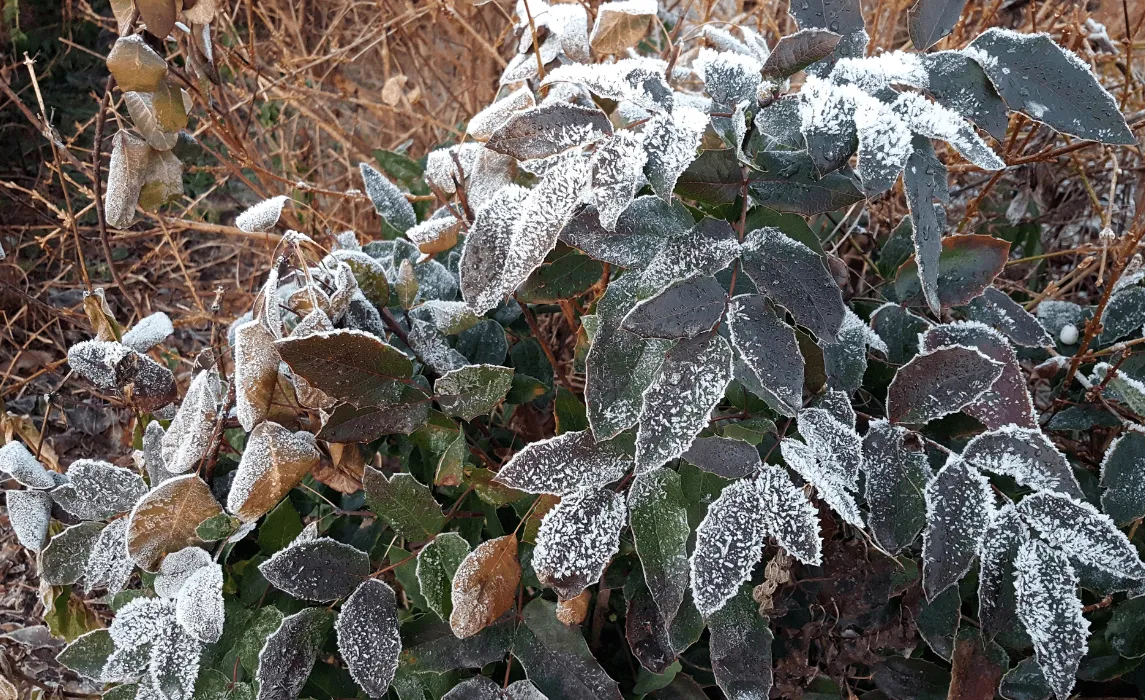
Winter does not have to mean a bare yard. The best winter plants bring flower color, fresh foliage and bright berries to the colder months, and many of them need very little fuss. Choosing plants that thrive in winter weather matters more than having a green thumb, because the right plants only ask for the right spot. In return they add winter interest from early winter right through to early spring. This guide to the best winter plants to grow in your garden covers ten easy plants for winter, from hardy shrubs and trees to bulbs, bedding plants and winter pots. Each entry covers where the plant comes from, how it looks, where it grows well and which gardener it suits, followed by quick care notes and its USDA zone. Check your climate first, then visit your local garden center and pick the plants to add that will transform your winter garden into a winter wonderland.
10 Best Winter Plants
1. Hellebore
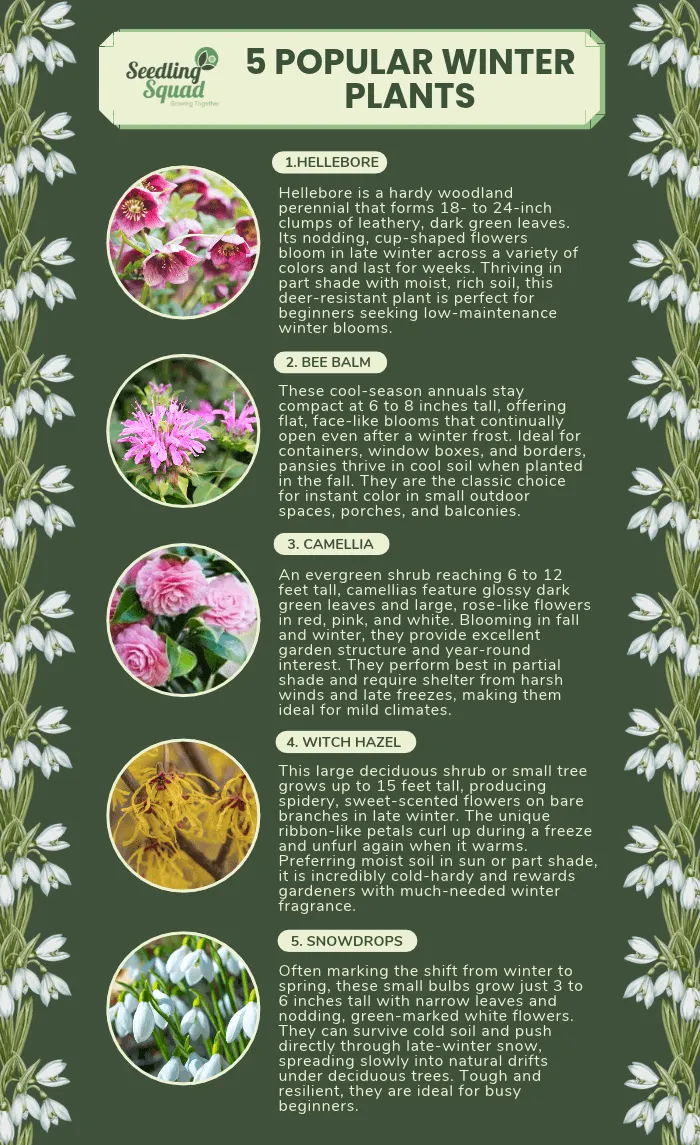
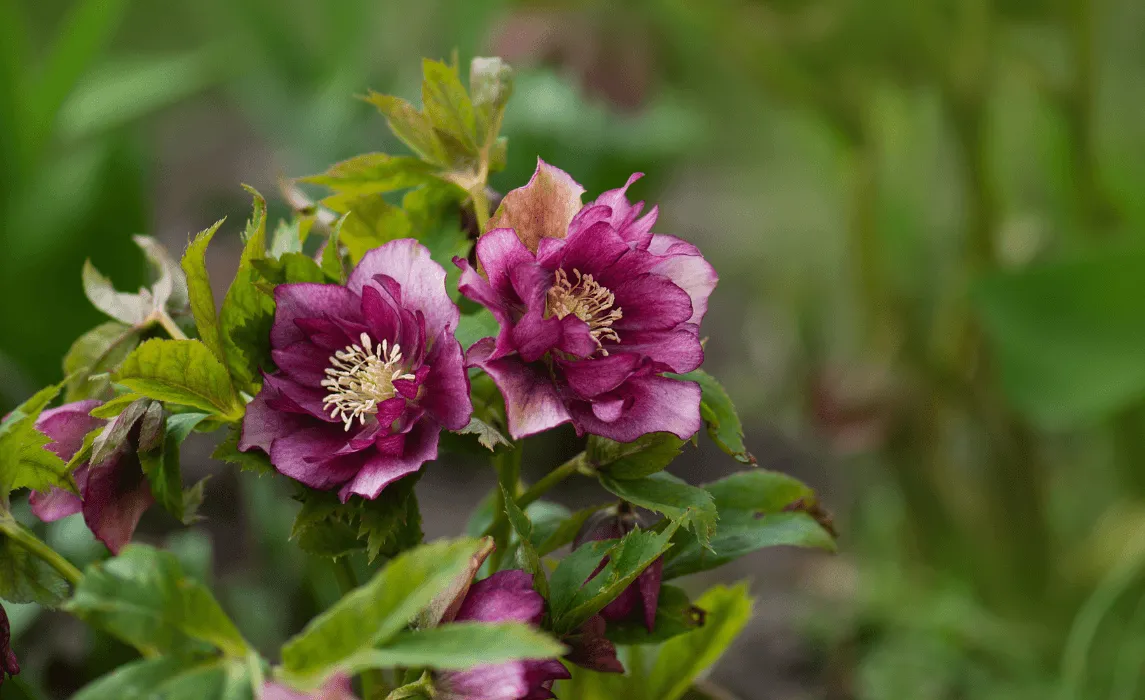
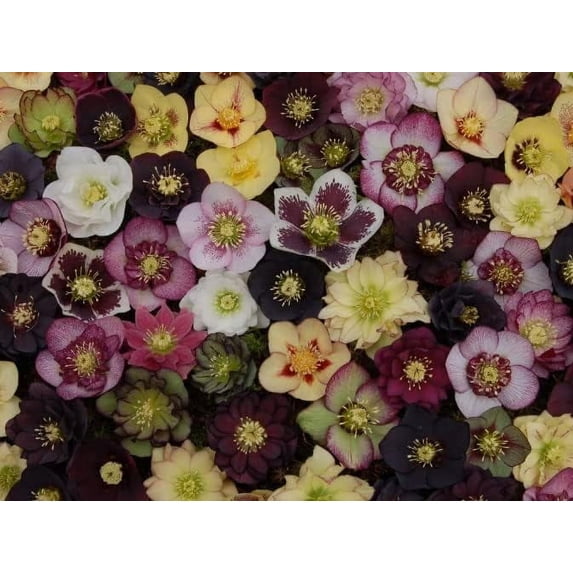
Hellebore, also called Lenten rose, is a perennial from the woodlands of Europe and western Asia that has grown in cottage gardens for centuries. It is a hardy flowering plant that forms a clump 18 to 24 inches tall and wide, with leathery, dark green leaves that stay put through a cold winter. Nodding, cup-shaped flowers open in late winter in white, pink, plum, yellow and green, often with speckled centers, and they last for weeks. Hellebores thrive in part shade under deciduous trees, where the soil stays moist and rich, and deer leave them alone. We recommend them to first-time gardeners who want a low-maintenance plant that will bloom in winter with almost no attention.
Soil: Rich, well-drained soil, neutral to slightly alkaline
Water: Moderate; weekly for young plants, only in dry spells once established
Light: Part shade to full shade
Humidity: Average
Fertilizer: Compost in fall and a slow-release feed in early spring
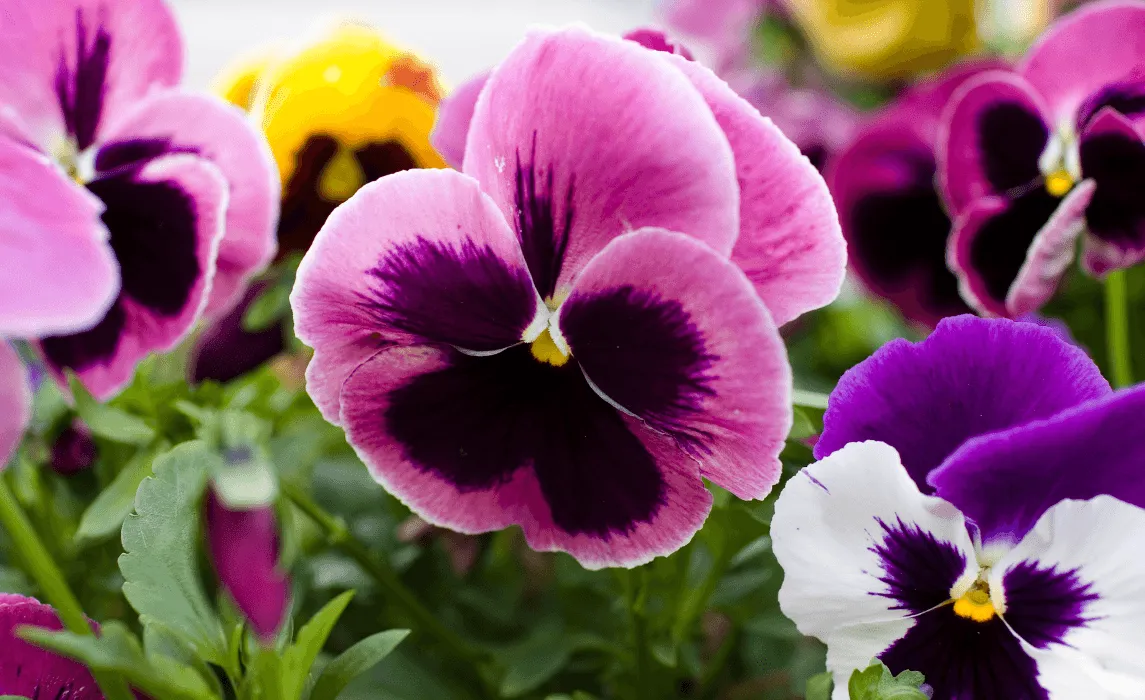
Winter pansies are cool-season violas bred in Europe from wild heartsease in the 1800s, and they remain the classic choice for instant color. These winter annuals stay compact at 6 to 8 inches tall, with small green leaves and flat, face-like blooms in purple, yellow, blue, orange, white and near black. Flowers are usually 2 to 3 inches wide and keep opening after a winter frost. Pansies grow well in containers, window boxes and borders, so they make easy winter containers for porches and patios. Plants like pansies enjoy cool soil and look their best when planted in fall. They suit renters, balcony gardeners and busy beginners with a small outdoor space.
Soil: Fertile, well-drained, slightly acidic soil or fresh potting mix
Water: Keep evenly moist; never let pots sit in water
Light: Full sun to part shade
Humidity: Average
Fertilizer: Balanced liquid feed every two to four weeks in mild weather
Temperature: Best between 40 and 65°F; tolerates light frost
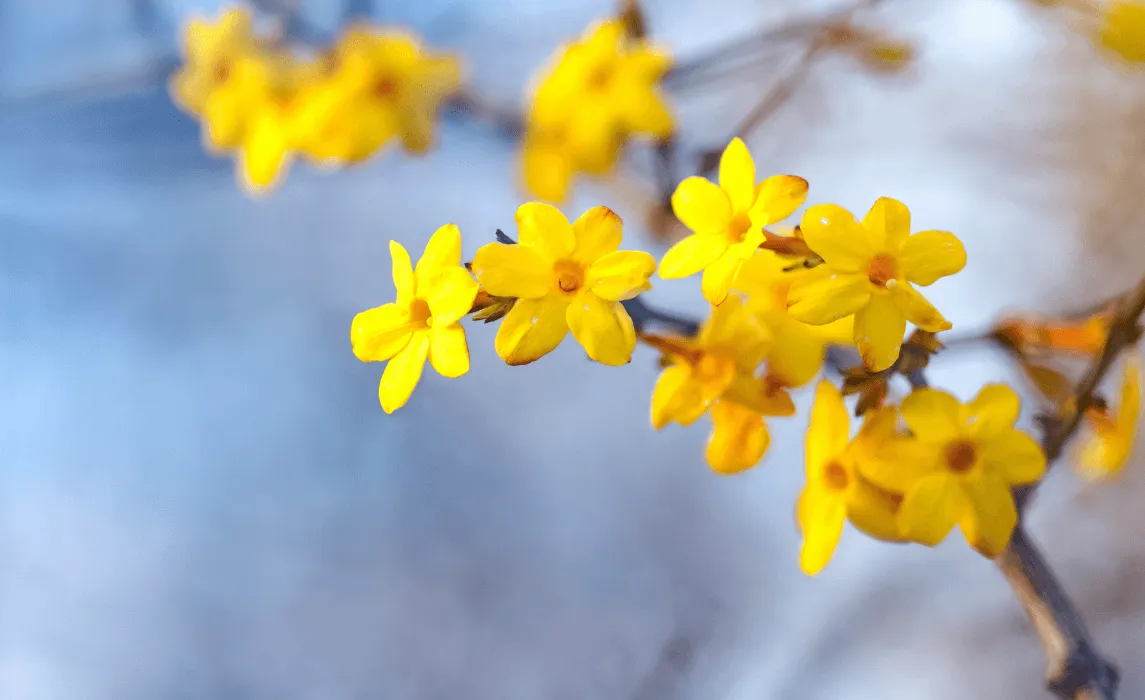
Winter jasmine (Jasminum nudiflorum) is a deciduous shrub from China that reached Western gardens in the 1840s. It is one of the earliest winter-flowering plants, with arching green stems that grow 4 to 5 feet tall and spread wider, especially when trained on a wall. Bright yellow flowers appear on bare stems from December to March, well before the small dark green leaves unfold in spring, so leaves and flowers rarely overlap. The plant carries no leaves in winter, so the color shows clearly against the winter landscape. It tolerates poor soil, wind and city air, which makes it forgiving. Beginners will like it for slopes, fences and retaining walls.
Soil: Almost any well-drained soil, including poor or clay
Water: Moderate; regular for new plants, then only in drought
Light: Full sun to part shade
Humidity: Average
Fertilizer: Light balanced feed in spring after flowering
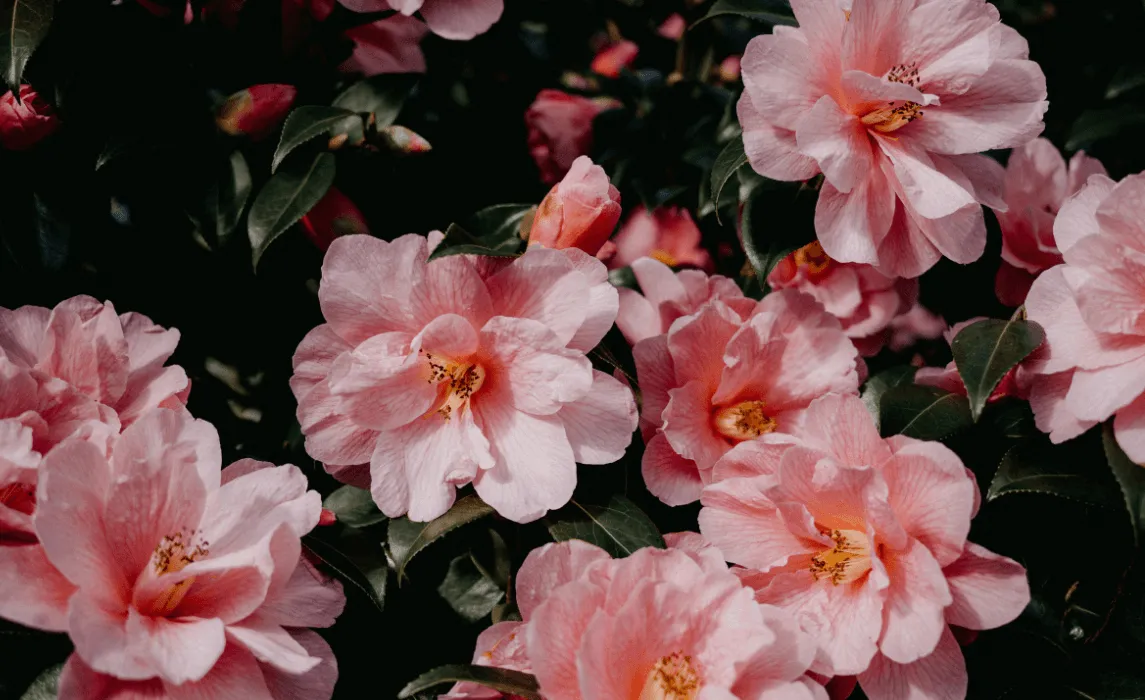
Camellia japonica and Camellia sasanqua are evergreen shrubs from Japan, China and Korea, loved in the American South for generations. A mature camellia reaches 6 to 12 feet tall, with glossy dark green leaves that look good all year. Large, rose-like flowers in red, pink and white open in fall and winter, with sasanqua starting early and japonica extending the show through winter and early spring. These ornamental shrubs give a great winter display and plenty of structure. Plant camellias in partial shade, shelter them from harsh wind and protect plants from late freezes that brown the buds. They suit patient gardeners in mild climates.
Soil: Acidic (pH 5.5 to 6.5), humus-rich, well-drained soil
Water: Regular; keep evenly moist while buds form
Light: Partial shade, with afternoon protection
Humidity: Moderate to high
Fertilizer: Acid-loving plant food after flowering ends
Temperature: Best above 10°F; shelter buds from hard freezes
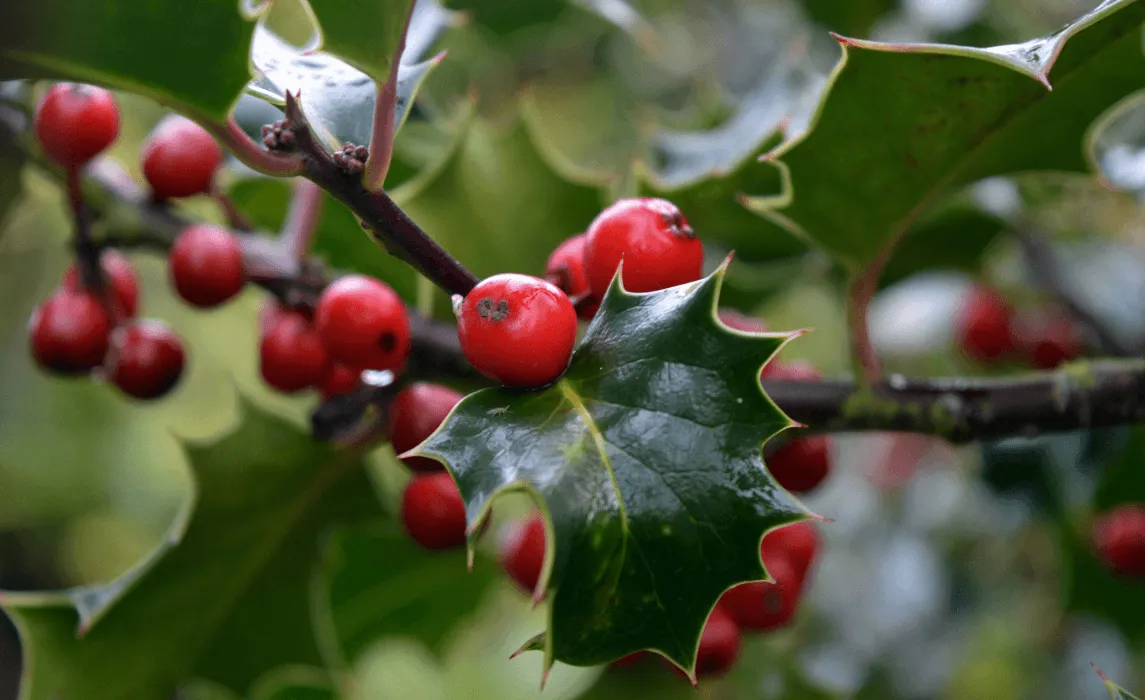
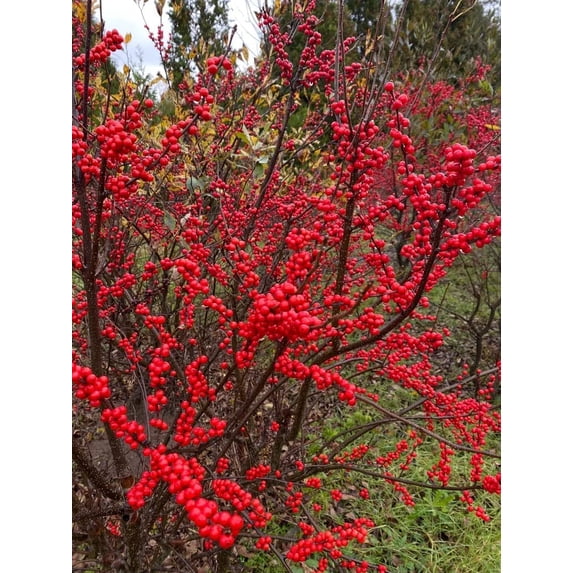
Winterberry holly (Ilex verticillata) is a deciduous holly native to eastern North America, where it grows in wet woods and swamps. Unlike most hollies, it drops its oval green leaves in fall and leaves branches covered in bright red berries that last through winter and feed visiting birds. The shrub grows 3 to 10 feet tall. Plant a male pollinator within about 50 feet, because only female plants produce red berries. It is the best berry shrub for a winter display in damp spots where other plants struggle. Beginners who like holiday wreaths and wildlife-friendly gardens will enjoy it.
Soil: Acidic, moist to wet, organic soil
Water: Regular; tolerates wet feet
Light: Full sun for the most berries; tolerates part shade
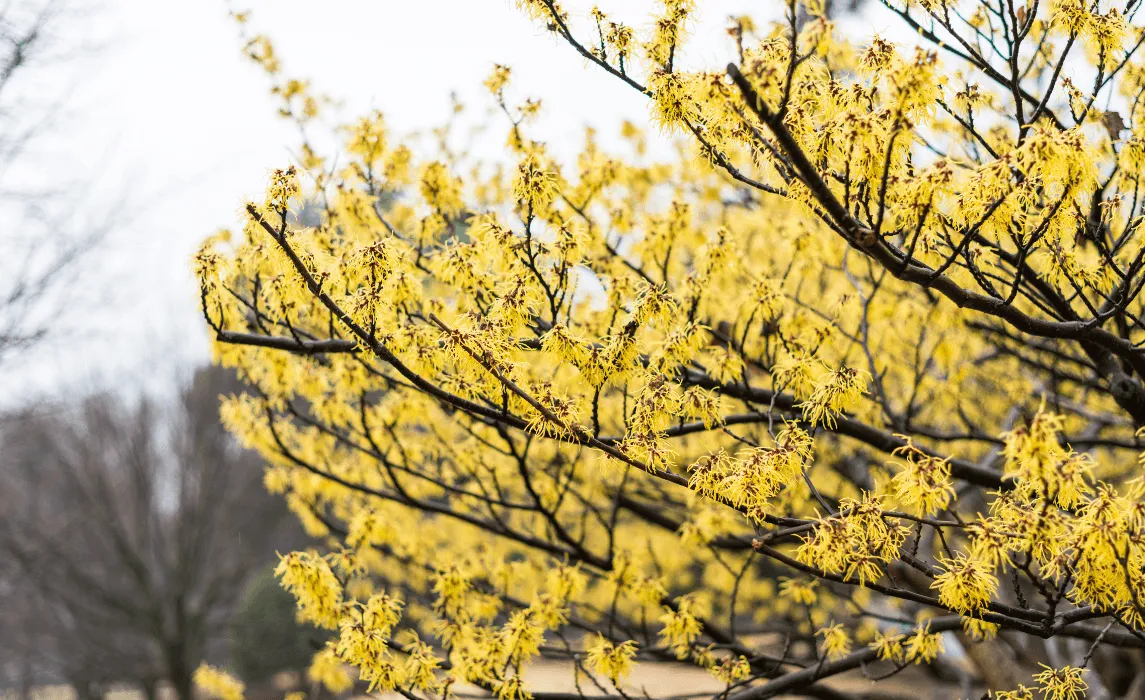
Witch hazel (Hamamelis) is a large deciduous shrub or small tree native to North America and Asia, long used in traditional remedies. The popular hybrid 'Arnold Promise' reaches 12 to 15 feet tall, and its spidery yellow flowers open on bare branches from late winter, though orange and red types also exist. The ribbon-like petals curl up in a freeze and unfurl again when it warms, and the scent is lightly sweet. Witch hazel does best in sun or part shade with moist soil, and it needs room. A garden in the coldest regions can still grow American witch hazel, which is hardy to zone 3. Gardeners with a larger yard who want fragrance in the winter months will find it rewarding.
Soil: Moist, well-drained, slightly acidic soil rich in organic matter
Water: Regular for the first two years, then moderate
Light: Full sun to part shade
Humidity: Average
Fertilizer: Compost or a light balanced feed in early spring
Temperature: Hardy to about -20°F or colder, depending on species
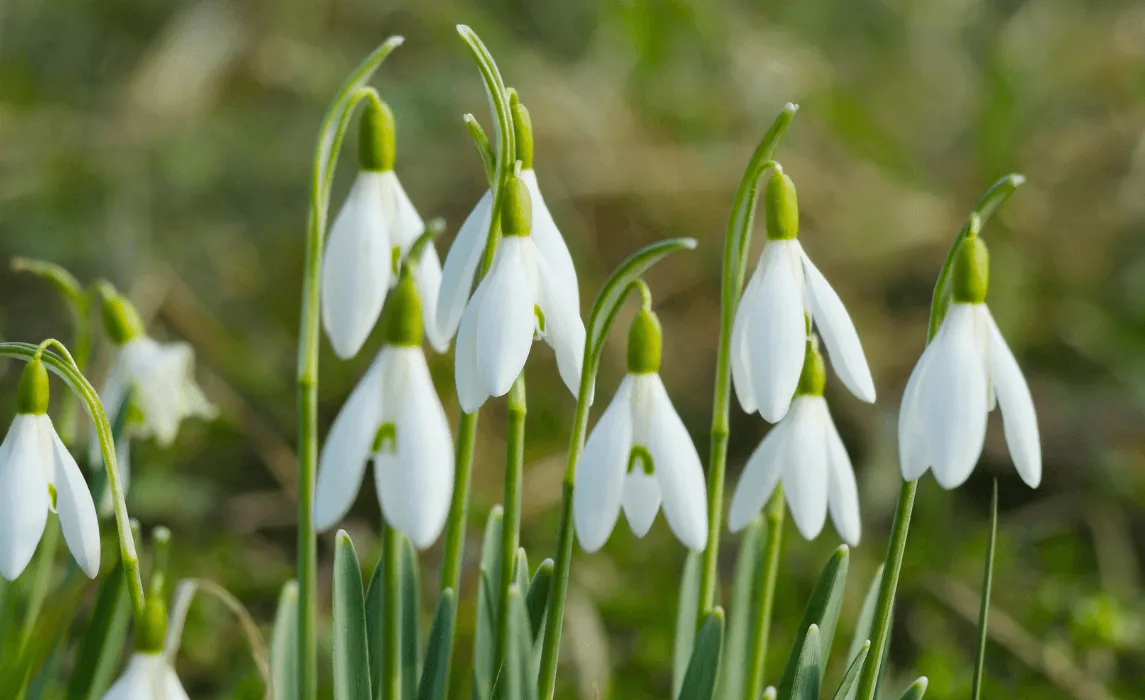
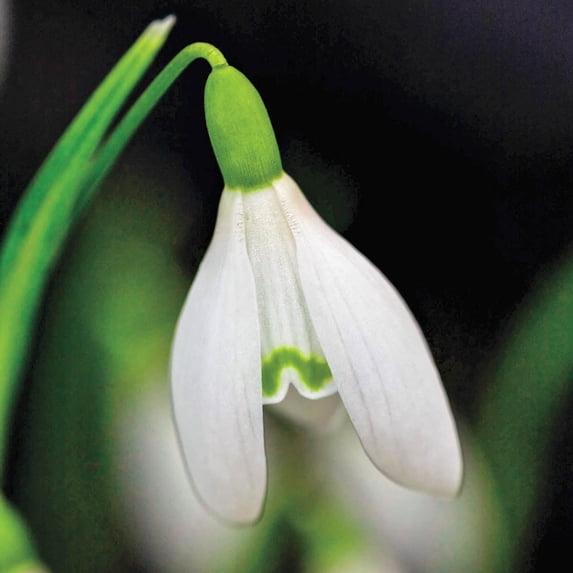
Snowdrops (Galanthus nivalis) are small bulbs from the woodlands of Europe, and their return each year marks the shift from winter to spring. Plants grow only 3 to 6 inches tall, with narrow gray-green leaves and nodding white flowers marked with green. They survive in cold soil, push through snow in late winter and spread slowly into natural drifts. These plants thrive under deciduous trees, where they get sun before the canopy fills in. Tuck them into a shady part of the garden, planting bulbs in fall. They are tough, which makes them ideal for beginners with little time.
Soil: Humus-rich, moist but well-drained soil
Water: Moderate in fall and winter; dry summer dormancy
Light: Part shade to full shade
Humidity: Average
Fertilizer: Compost at planting and a light feed after bloom
Temperature: Hardy to about -35°F
USDA Zone: 3 to 8
White Snowdrops – 25 Dormant Spring Flowering Bulbs
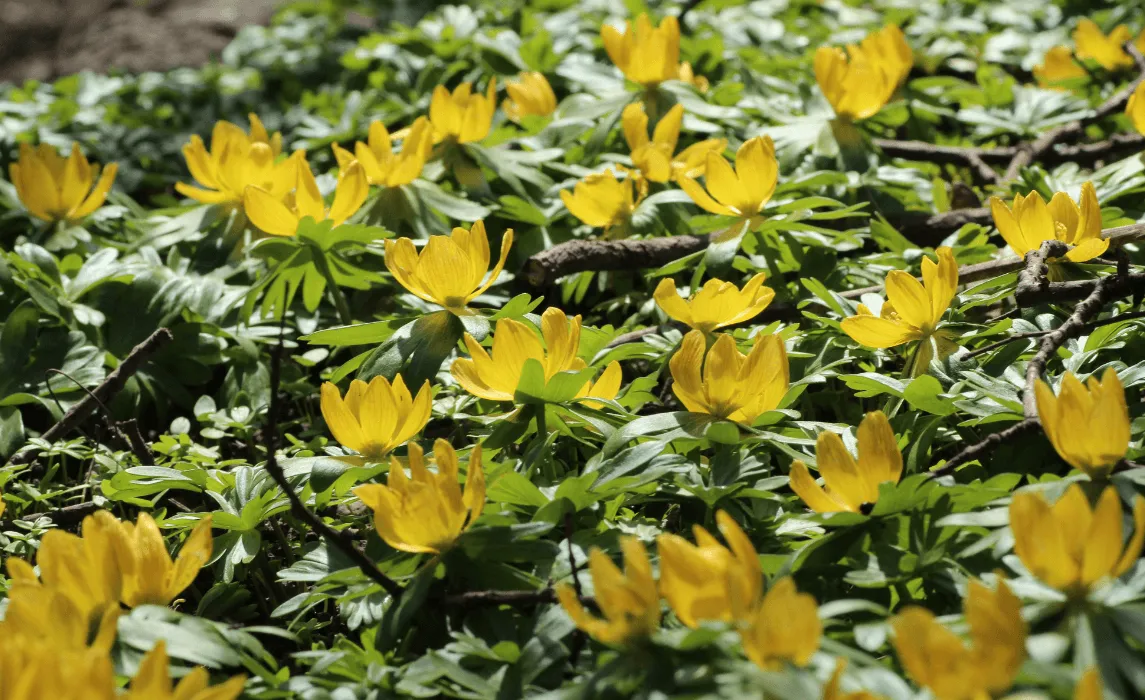
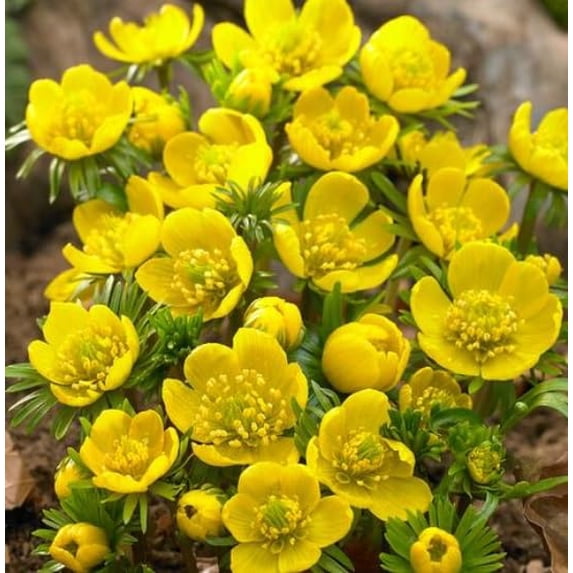
Winter aconites (Eranthis hyemalis) are tiny tuberous perennials from southern Europe that naturalize easily. Each plant stands just 2 to 4 inches tall and carries one buttercup-like yellow flower above a green ruff of leaves, from winter to early spring. Flowers look cheerful against bare soil, and these garden plants provide early nectar for bees on mild days. Choose them for a woodland edge or beneath shrubs, where they bring color to winter gardens. Soak the tubers overnight before planting in fall, and keep them away from pets because all parts are toxic. They suit patient beginners while colonies spread.
Soil: Humus-rich, moist, well-drained soil, neutral to alkaline
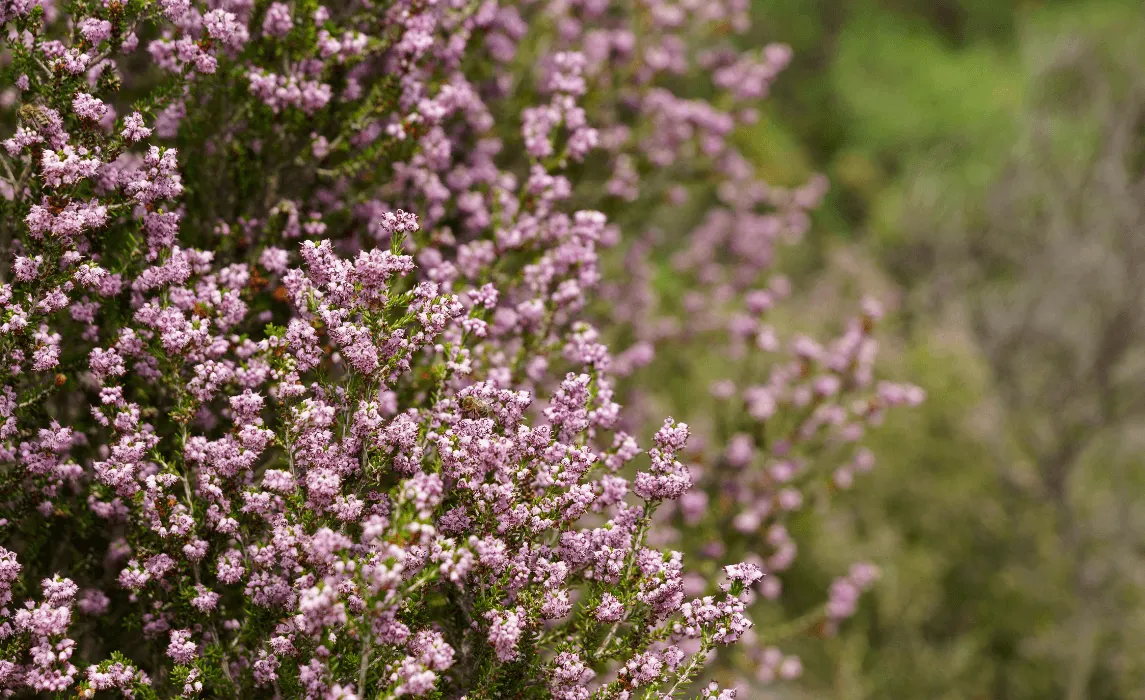
Winter heath (Erica carnea) is a low evergreen ground cover from the mountains of central and southern Europe. It forms mats 6 to 12 inches tall and up to 2 feet wide, covered in needle-like dark green winter foliage that bronzes in the cold. Tiny bell-shaped flowers in pink, magenta and white cover the plant from early winter into spring, so the show lasts for months. Unlike summer heather, it tolerates some lime. It looks lovely along paths, on slopes and in rock gardens, and mixes well with dwarf conifers for year-round interest. Gardeners who want tough outdoor plants with minimal pruning will love it.
Soil: Well-drained, acidic to neutral; tolerates poor soil
Water: Moderate; drought tolerant once established
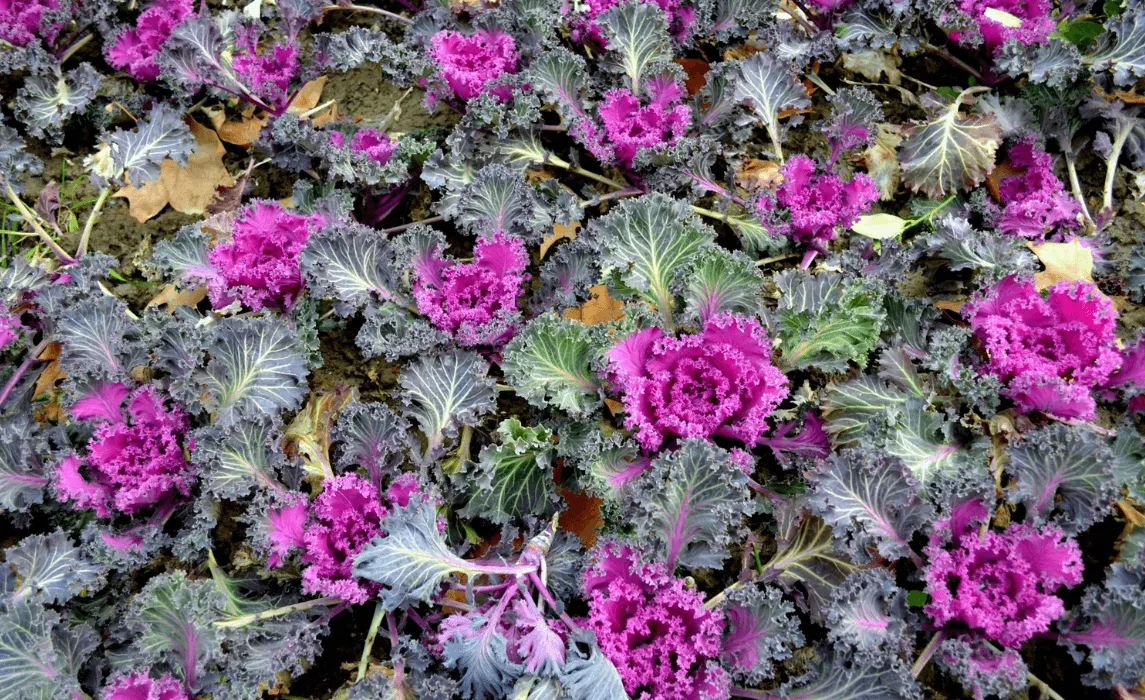
Ornamental kale and ornamental cabbage (Brassica oleracea) are cool-season plants bred from edible kale and grown for frilly foliage rather than blooms. Rosettes spread 12 to 18 inches wide, with ruffled leaves in purple, pink or cream at the center and blue-green leaves around the edge. Colder nights deepen the color, so the display peaks after a frost. Kale is a biennial grown as an annual, and it also suits borders and bedding plants displays. A few rosettes can transform your garden beds and winter pots with almost no effort, which makes kale ideal for beginners.
Soil: Fertile, well-drained, slightly acidic to neutral soil
Water: Keep evenly moist; avoid soggy pots
Light: Full sun
Humidity: Average
Fertilizer: Balanced feed at planting, then monthly in mild weather
Temperature: Best color below 50°F; tolerates hard freezes
Mulch roots with 2 to 3 inches of shredded bark, water well before the ground freezes and cover tender plants with frost cloth before a hard freeze. Choosing plants that thrive in your USDA zone is the best protection, since healthy plants survive winter far better.
Can winter plants grow in pots?
Yes. Pansies, kale and heath all grow well in containers. Use pots with drainage holes and fresh potting mix. Containers freeze faster than soil, so check which plants are suitable for one zone colder than yours.
When should I plant for winter color?
Plant shrubs, perennials and bulbs in fall so roots settle before the ground freezes. You can buy plants from winter sales at a garden center, but check the zone first.
What do plants need to look their best?
Most plants need good drainage, shelter from drying wind and the right light. Pick a selection of plants that bloom at different times, and keep watering during dry spells, so you can embrace the beauty of winter all season.
Related posts
Here are some articles you might be interested in.