Zuri's frequent journeys to South Africa in her youth ignited her fervor for environmental science, gardening, and sustainable living. These travels deepened her connection with nature, inspiring her to contribute to conservation efforts in her own meaningful ways.
Hypoallergenic Plants Q&A
Do houseplants cause allergies?
Yes, certain indoor plants can trigger a plant allergy through loose pollen, scented flowers, sap, dust, or damp soil. Allergies and houseplants are highly individual: one person may sneeze near peace lilies while another has no response. Overwatering lets mold produce a spore that may become airborne. If symptoms begin after adding plants in your home, isolate each pot, clean the area, and discuss persistent allergy symptoms with a qualified clinician.
Which plants to avoid?
Plants to avoid include strongly fragrant flowers, visibly dusty specimens, and wind-pollinated garden plants brought inside while shedding. Male palms can release pollen if they flower, and wet potting mix can make allergies worse. The best and worst choices depend on the person, so remove any plant that appears to cause pollen allergy symptoms or contact irritation.
Can indoor plants purify air?
Claims about indoor plants that purify come largely from controlled chambers. Although some air-purifying plants can take up chemicals, ordinary air purifying plants are not fast enough to replace ventilation or air cleaners in a real room. Plants can improve air quality mainly by supporting comfort and encouraging care for the space; they should not be presented as houseplants for clean air that reliably remove formaldehyde. To improve indoor air quality, control sources, ventilate safely, and use proven filtration.
How does the ogren scale work?
The Ogren Plant Allergy Scale system, also called OPALS, rates a plant's potential allergenicity from 1 to 10. It considers pollen, fragrance, and contact reactions, but the likelihood a plant will cause a reaction still depends on the individual and exposure. A high score does not prove a particular plant will cause pollen allergy, and a low score is not a medical guarantee.
Can plants help you breathe?
Allergy-friendly plants may make an indoor space calmer, but they do not treat disease or guarantee allergy relief. For people with allergies, clean leaves, dry saucers, fresh potting mix, and steady air circulation matter more than labels such as hypoallergenic plants. These indoor plants that are allergy-safe can help you breathe easier only by limiting likely triggers; they cannot help you breathe during an asthma attack.
Planting Calendar Q&A
Is an almanac planting calendar exact?
No. It is a useful regional estimate built from historical conditions. Confirm its suggested planting date with your local forecast, soil condition, and microclimate.
When is the best time to plant?
The best time to plant is when the crop's temperature needs match your frost window and the soil is workable. Cool crops can begin earlier; tender warm-season crops wait until frost danger has passed.
Can every vegetable be started indoors?
No. Tomatoes and peppers handle indoor seed starting well, while carrots are usually sown directly in the ground. Follow crop-specific seed packets and avoid disturbing sensitive roots.
What if a late frost is forecast?
Delay transplanting tender crops, move containers inside, or cover established plants overnight. Remove covers after temperatures rise so light and airflow return.
How often should I revise my calendar?
Review it at the start of each growing season and add notes after major sowings and harvests. Records reveal which dates, varieties, and methods work best in your garden.
Evergreen Shrubs Q&A
How do I choose evergreen shrubs for my outdoor space?
Match mature size to USDA hardiness, light, drainage, and wind. Use a tall evergreen for screening, a mounded shrub for foundation planting, or ground cover on slopes. Repetition unifies home landscapes, while contrast creates a focal point in the landscape.
What are the best small evergreen shrubs?
Blue Star juniper, dwarf Chamaecyparis, azalea, and Daphne are strong small-space choices. The best evergreen shrubs fit without constant shear work; check mature spread and leave airflow around glossy foliage.
Do evergreen shrubs flower as long as hydrangea?
Not usually. A hydrangea may have a long bloom time from mid-summer onward, while evergreen shrubs often bloom briefly. Combine azalea for spring, Viburnum or Mahonia for winter, and summer perennials.
When should I prune an evergreen hedge?
Prune flowering shrubs after bloom, and shape boxwood, yew, or Thuja lightly during growth. Avoid leafless old conifer wood; natural forms need less pruning and preserve year-round interest.
Why can an evergreen turn brown in winter?
Frozen soil, wind, salt, or poor drainage can brown green foliage. Water before freezing, mulch roots, and choose a protected area so evergreen shrubs retain year-round beauty and lasting structure.
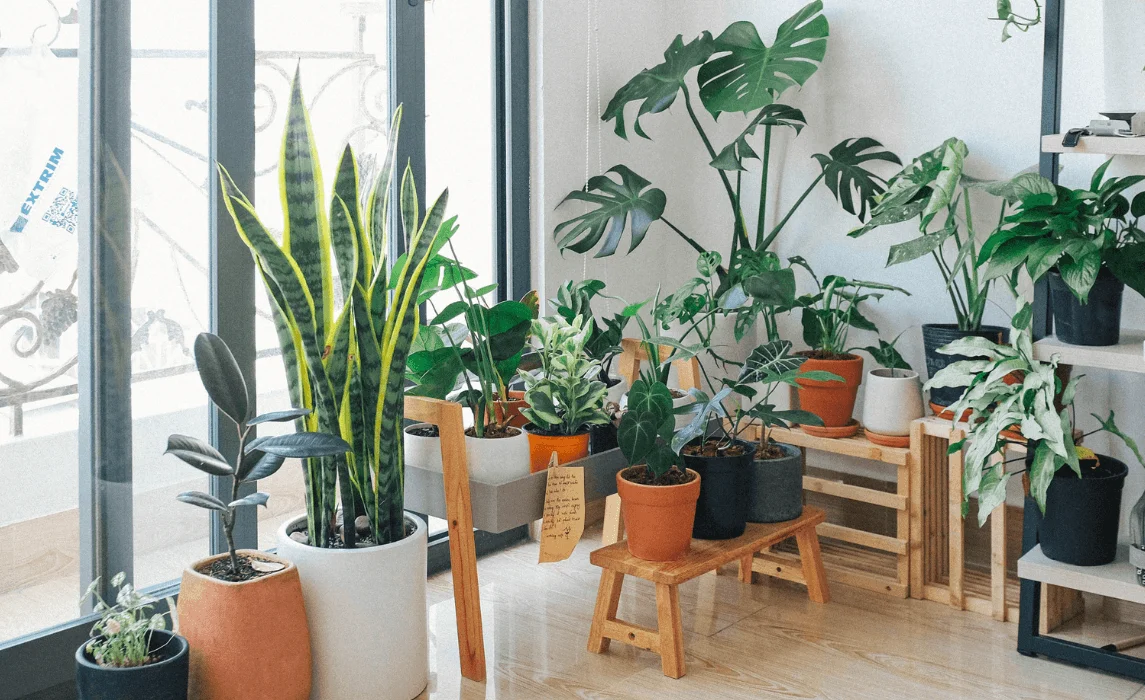
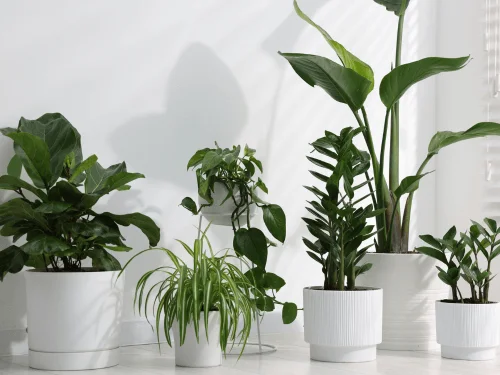
The best plants for an allergy-aware indoor space are foliage-led species that rarely flower inside or hold their pollen in heavy, sticky structures rather than releasing it into the air. No living plant is completely hypoallergenic, because sap, dust, fragrance, potting mix, or a mold spore can still act as an allergen. Even so, the ten choices below are practical plants for allergies when their soil is kept clean and their leaves are wiped regularly. They suit a home or office and range from nearly indestructible foliage to carefully managed flowering plants.
Lists advertised as the top 8 indoor plants or the best indoor plants often repeat broad claims about plants that purify. Laboratory studies have measured uptake of formaldehyde and other indoor pollutants, but an ordinary potted plant does not filter the air as quickly as ventilation or proven air purifiers. Plants absorb carbon dioxide during photosynthesis and indoor plants can improve air comfort and enjoyment, yet effective air purifiers and source control remain the better tools for removing indoor contaminants. For allergy relief, prevent soggy compost, maintain air circulation, and stop using any plant that seems to trigger your allergies or make allergies worse.
Top 10 Indoor Plants For People With Allergies
These hypoallergenic plants for your home emphasize low pollen exposure and manageable care. They are practical allergy-safe indoor plants, not medical devices, and every variety should be observed for an individual reaction.
1. Snake Plant
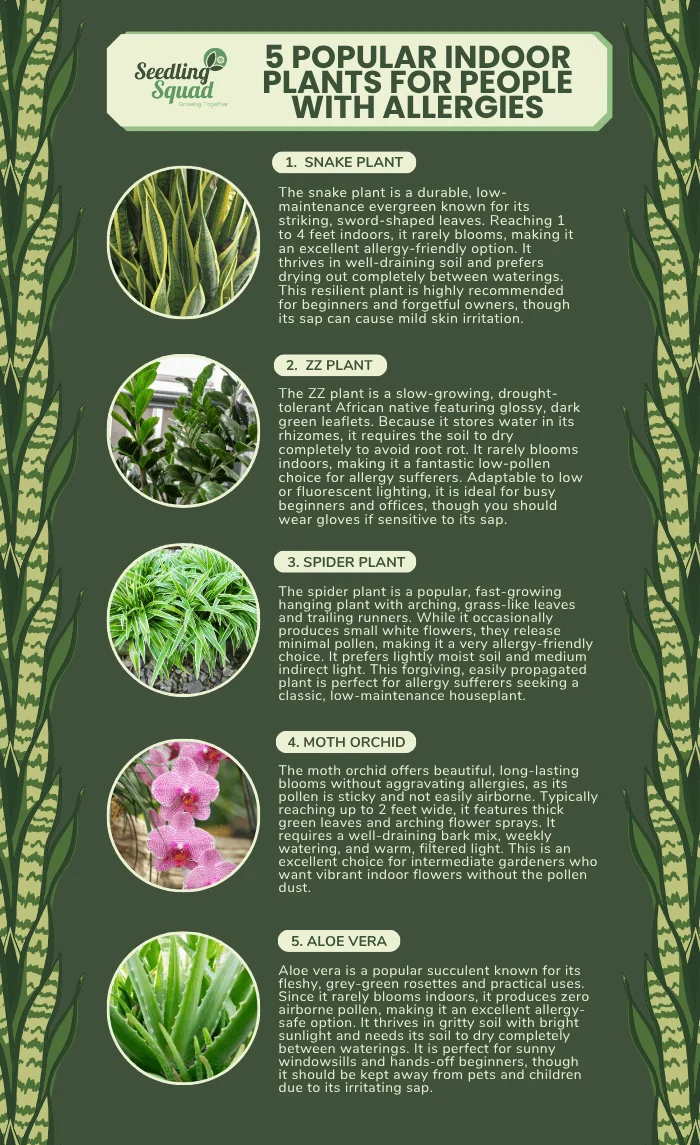
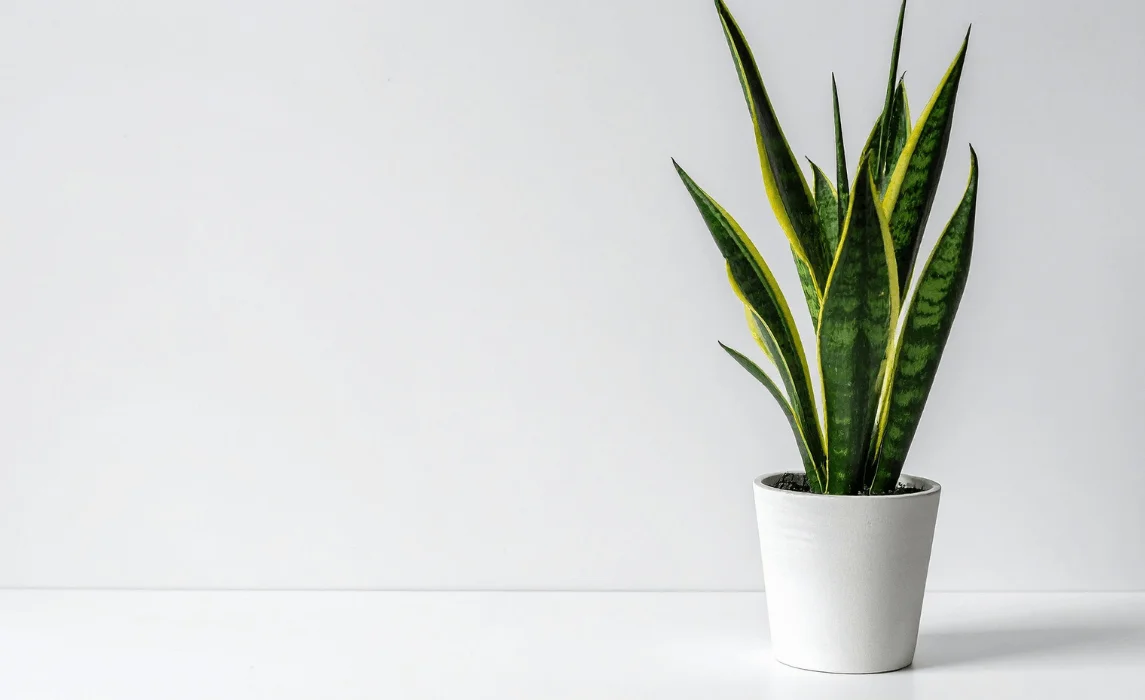
Native to tropical Africa, snake plant, now classified as Dracaena trifasciata, is a durable evergreen grown mainly for upright, sword-shaped leaves. Most forms reach 1 to 4 feet indoors; their dark green blades carry silver bands, while cultivars may have yellow margins. Slender greenish-white blooms are uncommon in a room, so little pollen becomes airborne. That makes it an allergy-friendly choice, although its sap can irritate sensitive skin. Use gritty, freely draining soil, let it dry well, and avoid harsh direct sunlight after deep shade. This is the strongest recommendation for beginners, forgetful owners, and anyone seeking low-maintenance indoor plants like the snake plant.
Soil: Cactus or succulent mix
Water: Dry fully between waterings
Light: Low to bright indirect
Humidity: Low to average
Fertilizer: Half strength twice yearly
Temperature: 60 to 85 F
USDA Zone: 10 to 12
2. ZZ Plant
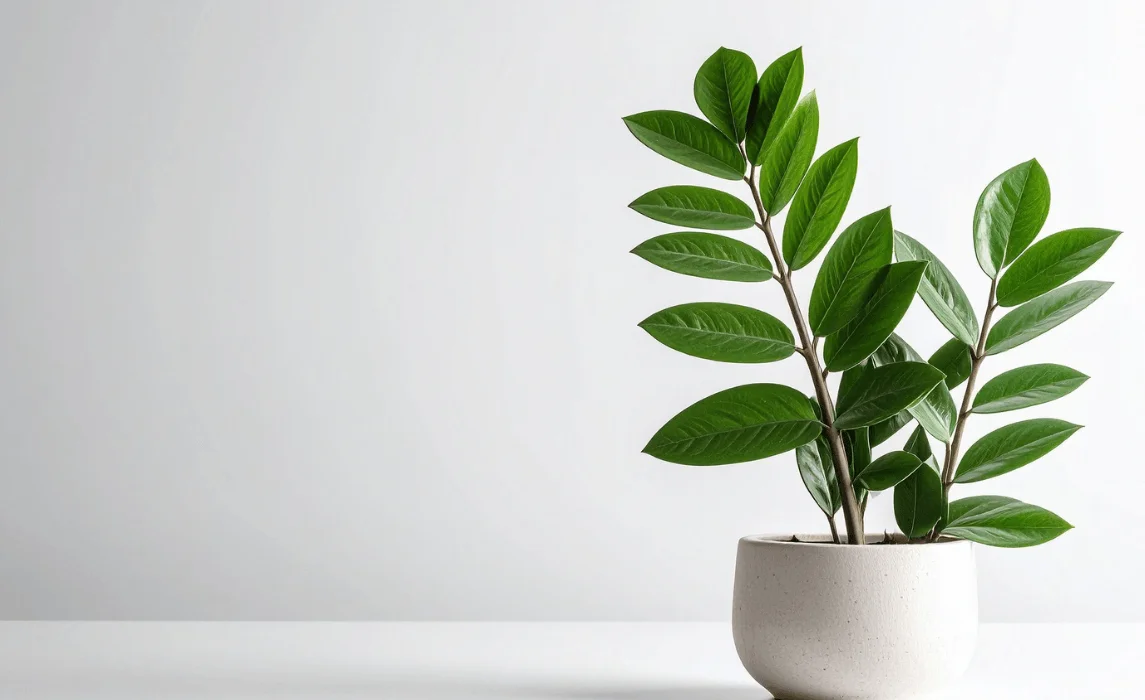
The ZZ plant, Zamioculcas zamiifolia, comes from tropical eastern Africa and stores water in thick underground rhizomes. It grows slowly to about 2 to 4 feet, carrying glossy, oval, deep green leaflets on upright stems. Its small cream spadix is usually hidden near the soil and is rare indoors; the plant is therefore valued as a low-pollen indoor plant rather than as a bloomer. Allow the mix to dry completely, because wet roots invite rot and fungal growth. Bright indirect light gives the best form, though fluorescent or low light is tolerated. Recommend it to busy beginners and office gardeners, with gloves for anyone sensitive to aroid sap.
Soil: Fast-draining potting mix
Water: Dry fully between waterings
Light: Low to bright indirect
Humidity: Average
Fertilizer: Balanced feed once or twice yearly
Temperature: 60 to 80 F
USDA Zone: 9 to 11
3. Spider Plant
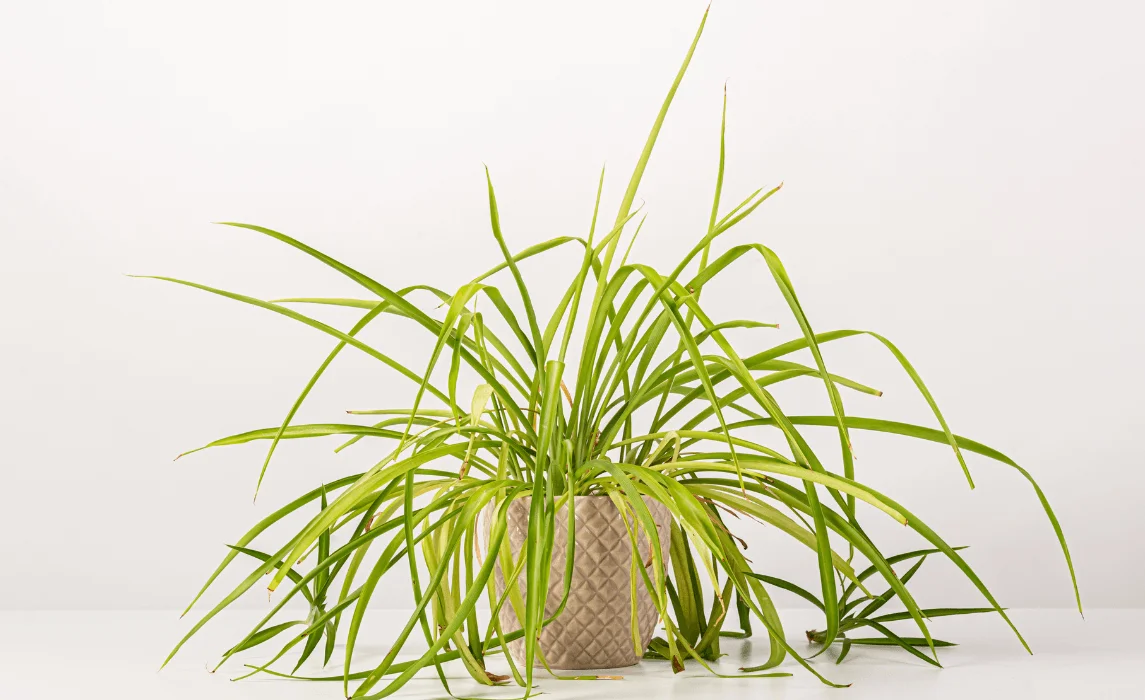
Spider plant, Chlorophytum comosum, is an African perennial familiar from hanging baskets. Its arching, grasslike leaves grow 12 to 18 inches long and may be solid green or striped green and white; long runners carry plantlets and small white, star-shaped flowers. Those modest flowers produce far less loose pollen than wind-pollinated garden plants, making this popular indoor houseplant a sensible allergy friendly option. Keep the mix lightly moist but never waterlogged, use rainwater if tap-water salts brown the tips, and protect it from strong sun. It is perfect for allergy sufferers who want a quick-growing hanging plant, easy propagation, and forgiving indoor gardening.
Soil: Moist well-drained loam
Water: When top inch dries
Light: Medium indirect
Humidity: Average to moderate
Fertilizer: Half strength monthly in growth
Temperature: 55 to 80 F
USDA Zone: 9 to 11
4. Parlor Palm
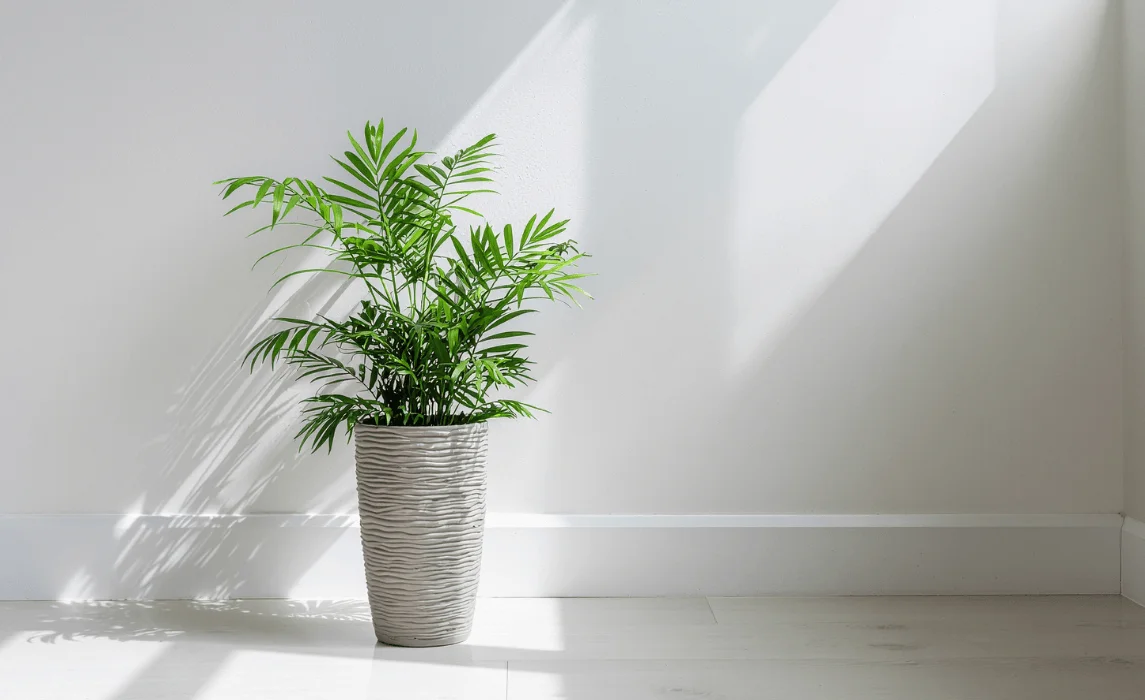
Parlor palm, Chamaedorea elegans, is a shade-dwelling palm from Mexico and Central America that became a classic Victorian houseplant. Several seedlings are often planted together, forming a soft clump 2 to 5 feet tall with slender green canes and feathery, light green fronds. Mature plants may carry tiny yellow or orange flower clusters, but flowering is limited indoors; choosing a nonflowering specimen further reduces pollen exposure. Give it humus-rich, drained soil, gentle east or north light, and protection from cold drafts. It suits patient beginners who prefer a calm, floor-standing plant and can inspect regularly for mites while avoiding overwatering.
Soil: Humus-rich drained mix
Water: When surface dries slightly
Light: Low to bright indirect
Humidity: Low to moderate
Fertilizer: Balanced feed monthly in growth
Temperature: 65 to 80 F
USDA Zone: 10 to 12
5. Lady Palm
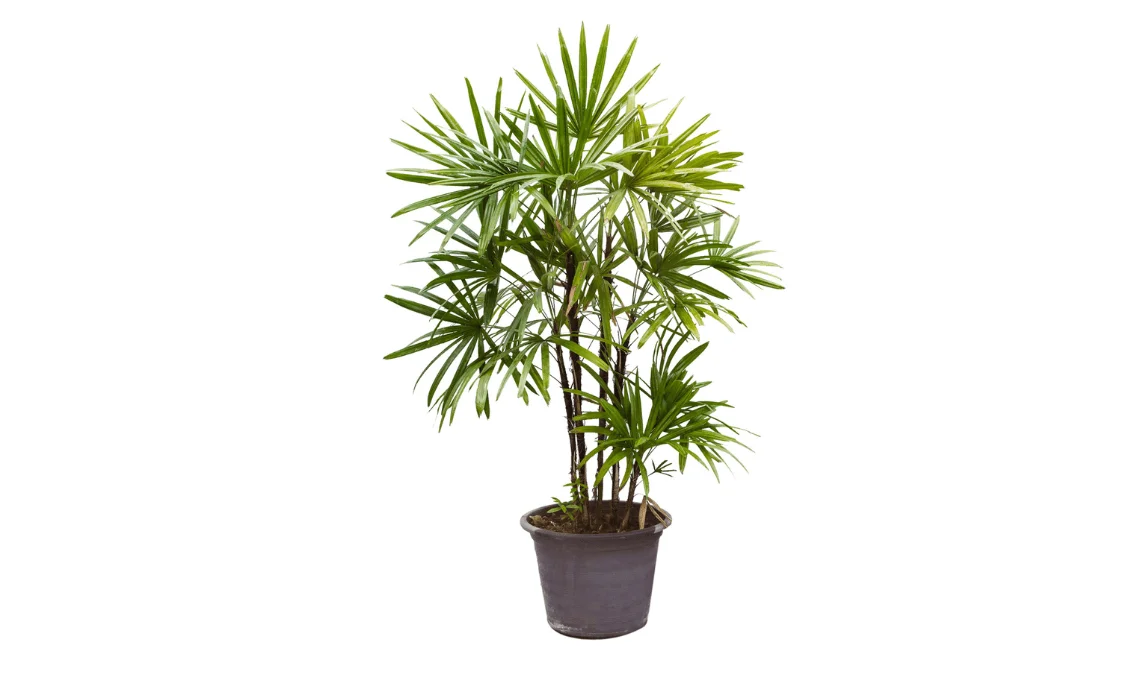
Lady palm, Rhapis excelsa, is a clustering evergreen from China and Vietnam, historically grown as an elegant container palm. Indoors it commonly reaches 4 to 8 feet, with fiber-covered canes and glossy fan leaves divided into blunt, toothed segments. Tiny yellow spring flowers are inconspicuous and seldom appear inside, so a foliage-only plant offers low airborne pollen. Keep the root zone evenly moist in growth, reduce water in winter, and use filtered light; deep shade is tolerated but slows it further. This allergy-safe indoor plant fits intermediate gardeners who want a large architectural specimen and can wipe its broad leaflets to prevent dust buildup.
Soil: Rich well-drained loam
Water: Regularly then less in winter
Light: Low to indirect light
Humidity: Low to average
Fertilizer: Slow-release feed in spring
Temperature: 60 to 80 F
USDA Zone: 9 to 11
Cat-Friendly Houseplants: The Best Indoor Plants That Are Safe for Cats and Perfect for Any House Plant Lover
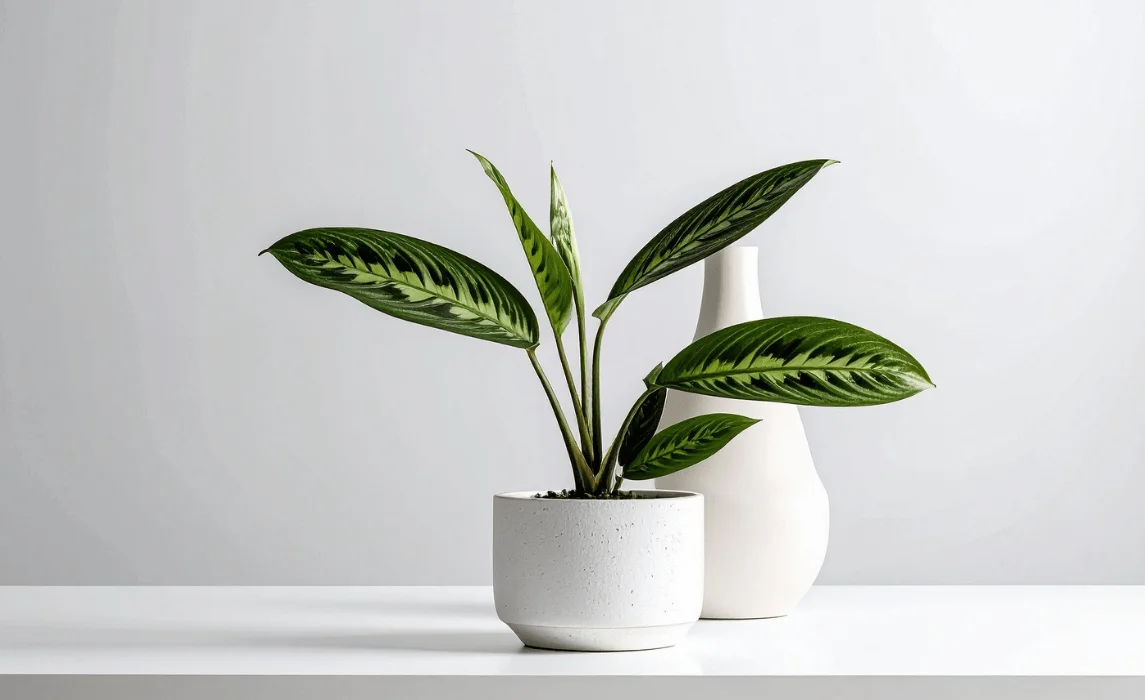
The prayer plant, Maranta leuconeura, is a Brazilian rainforest evergreen whose leaves rise and fold at night. Its spreading mound stays near 8 to 12 inches high, displaying oval green leaves with pale markings, dark blotches, or red veins and purple-green undersides. Small white flowers are secondary to the foliage and do not normally release clouds of pollen indoors. Warmth, even moisture, bright filtered light, and higher humidity prevent curled or scorched leaves, but the pot must still drain to discourage mold. Recommend this plant to attentive intermediate gardeners who enjoy responsive foliage and can balance humidity with fresh air in the indoor environment.
Soil: Peaty well-drained mix
Water: Keep evenly moist
Light: Bright indirect
Humidity: Moderate to high
Fertilizer: Half strength monthly in growth
Temperature: 65 to 80 F
USDA Zone: 11 to 12
7. Baby Rubber Plant
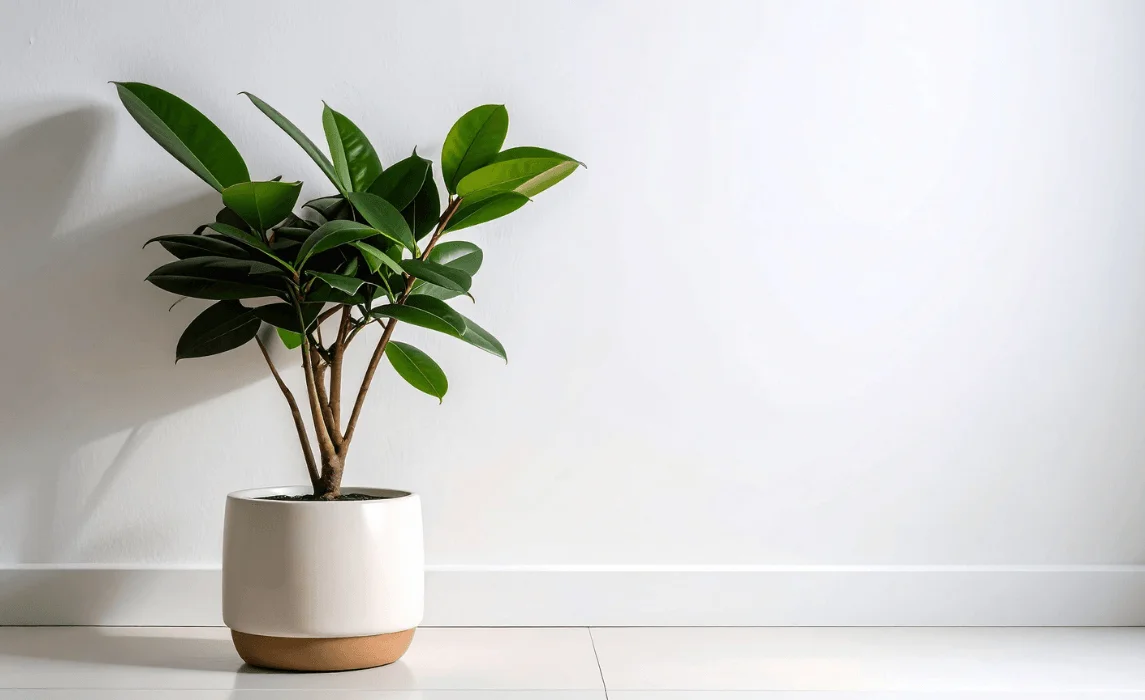
Baby rubber plant, Peperomia obtusifolia, is a compact tropical American perennial unrelated to the rubber tree. It grows 8 inches to 2 feet tall, with thick, glossy, rounded leaves in deep green or cream-and-green variegation and pink-tinged stems. Its minute flowers sit on narrow pale spikes; they are inconspicuous, unscented, and unlikely to spread much indoor pollen. Let the upper mix dry before watering, provide bright filtered light for variegated forms, and avoid both saturated soil and cold drafts. It is one of the best indoor plants for allergies for desk gardeners, small-space collectors, and beginners who tend to water cautiously.
Soil: Loose peat-free drained mix
Water: When top half dries
Light: Medium to bright indirect
Humidity: Low to average
Fertilizer: Half strength every six weeks
Temperature: 65 to 80 F
USDA Zone: 10 to 12
8. Cast Iron Plant
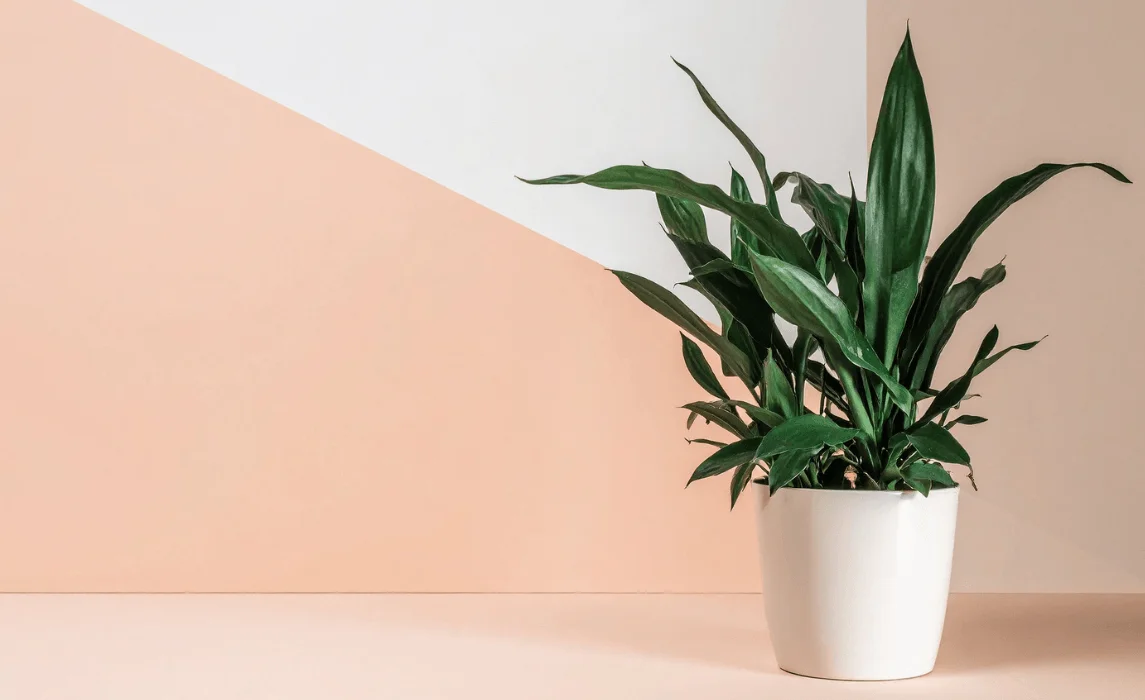
Aspidistra elatior, the cast iron plant, is an East Asian rhizomatous evergreen long used in dim homes and shaded gardens. Upright clumps reach about 2 to 3 feet, with broad, leathery, dark green leaves; spotted or cream-striped cultivars add color. Small purple-brown flowers form at soil level and are easily missed, which keeps their pollen away from normal breathing height. Rich soil, deep shade or indirect light, and restrained winter watering are enough, although dust should be wiped from the leaves. Recommend it to novice or frequently travelling gardeners who need an allergy safe, exceptionally tolerant floor plant.
Soil: Rich well-drained mix
Water: Regularly then sparingly in winter
Light: Low to medium indirect
Humidity: Average
Fertilizer: Balanced feed monthly in growth
Temperature: 50 to 85 F
USDA Zone: 8 to 10
9. Moth Orchid
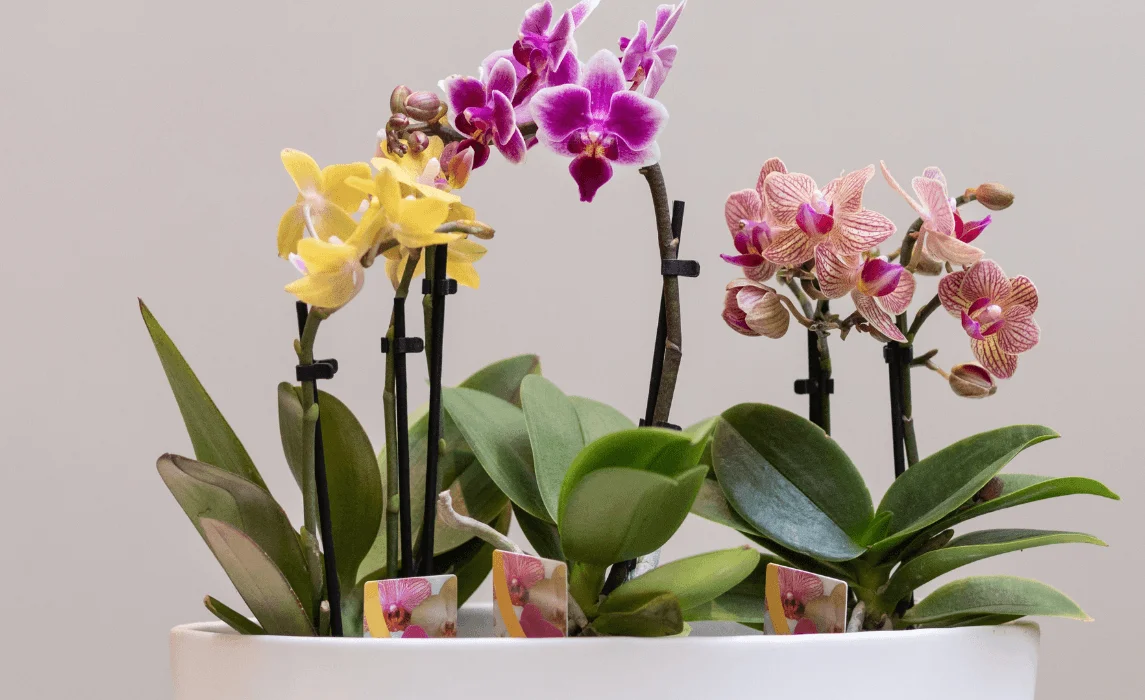
Phalaenopsis, the moth orchid, is an epiphyte from tropical Asia and Australia and one of the few flowering plants suitable for a low-airborne-pollen list. A plant is usually 6 inches to 2 feet wide, with thick green leaves and arching sprays of white, pink, yellow, purple, or patterned blooms. Orchid pollen is packed into sticky masses designed for animal transfer, rather than released on the wind. Grow it in airy bark, water and drain weekly, and provide warm filtered light with moderate humidity. It suits an intermediate gardener who wants long-lasting flowers and will remove fading blooms promptly if fragrance or debris begins to aggravate allergies.
Soil: Bark-based orchid mix
Water: Weekly after partial drying
Light: Low to bright indirect
Humidity: Moderate to high
Fertilizer: Quarter strength weekly in growth
Temperature: 65 to 85 F
USDA Zone: 10 to 12
10. Aloe Vera
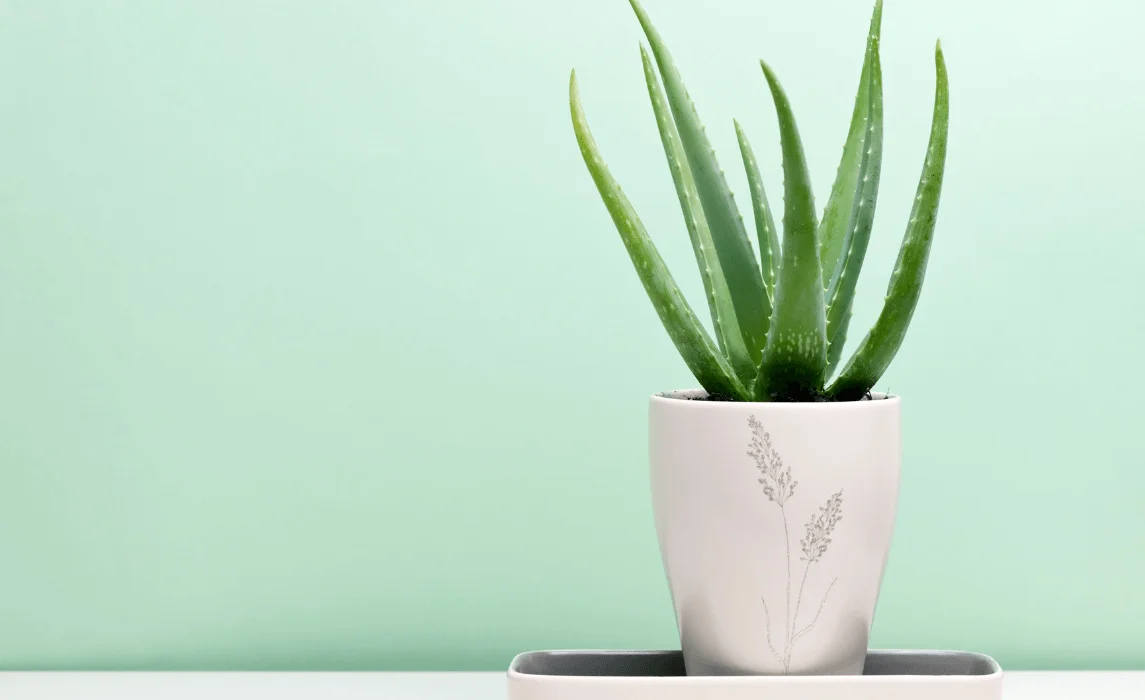
Aloe vera is an Arabian Peninsula succulent now grown worldwide as a useful ornamental. A mature rosette reaches roughly 2 to 3 feet, with fleshy gray-green leaves, toothed edges, and occasional tall spikes of tubular yellow to orange flowers. Indoor plants seldom bloom; without a flower spike, there is no plant pollen to circulate. The leaf latex and sap can still irritate some skin, so low pollen does not mean risk-free. Give it gritty soil, abundant light, low humidity, and a full dry-down between waterings. Recommend aloe vera to sunny-window beginners who resist frequent watering and can keep it away from children or pets that may chew it.
Soil: Cactus mix with added grit
Water: Dry fully between waterings
Light: Bright light or gentle sun
Humidity: Low
Fertilizer: Half strength twice in summer
Temperature: 55 to 80 F
USDA Zone: 10 to 12
Pretty Yet Poisonous Flowers to Avoid in Your Garden: A Guide to Safe Gardening
Yes, certain indoor plants can trigger a plant allergy through loose pollen, scented flowers, sap, dust, or damp soil. Allergies and houseplants are highly individual: one person may sneeze near peace lilies while another has no response. Overwatering lets mold produce a spore that may become airborne. If symptoms begin after adding plants in your home, isolate each pot, clean the area, and discuss persistent allergy symptoms with a qualified clinician.
Which plants to avoid?
Plants to avoid include strongly fragrant flowers, visibly dusty specimens, and wind-pollinated garden plants brought inside while shedding. Male palms can release pollen if they flower, and wet potting mix can make allergies worse. The best and worst choices depend on the person, so remove any plant that appears to cause pollen allergy symptoms or contact irritation.
Can indoor plants purify air?
Claims about indoor plants that purify come largely from controlled chambers. Although some air-purifying plants can take up chemicals, ordinary air purifying plants are not fast enough to replace ventilation or air cleaners in a real room. Plants can improve air quality mainly by supporting comfort and encouraging care for the space; they should not be presented as houseplants for clean air that reliably remove formaldehyde. To improve indoor air quality, control sources, ventilate safely, and use proven filtration.
How does the ogren scale work?
The Ogren Plant Allergy Scale system, also called OPALS, rates a plant's potential allergenicity from 1 to 10. It considers pollen, fragrance, and contact reactions, but the likelihood a plant will cause a reaction still depends on the individual and exposure. A high score does not prove a particular plant will cause pollen allergy, and a low score is not a medical guarantee.
Can plants help you breathe?
Allergy-friendly plants may make an indoor space calmer, but they do not treat disease or guarantee allergy relief. For people with allergies, clean leaves, dry saucers, fresh potting mix, and steady air circulation matter more than labels such as hypoallergenic plants. These indoor plants that are allergy-safe can help you breathe easier only by limiting likely triggers; they cannot help you breathe during an asthma attack.
Related posts
Here are some articles you might be interested in.