Anjali was born and raised in Indi and is now residing in New Jersey with her husband. Anjali's passion lies in raising her own vegetables and herbs, which she wants to share with others.
Planting Calendar Q&A
Is an almanac planting calendar exact?
No. It is a useful regional estimate built from historical conditions. Confirm its suggested planting date with your local forecast, soil condition, and microclimate.
When is the best time to plant?
The best time to plant is when the crop's temperature needs match your frost window and the soil is workable. Cool crops can begin earlier; tender warm-season crops wait until frost danger has passed.
Can every vegetable be started indoors?
No. Tomatoes and peppers handle indoor seed starting well, while carrots are usually sown directly in the ground. Follow crop-specific seed packets and avoid disturbing sensitive roots.
What if a late frost is forecast?
Delay transplanting tender crops, move containers inside, or cover established plants overnight. Remove covers after temperatures rise so light and airflow return.
How often should I revise my calendar?
Review it at the start of each growing season and add notes after major sowings and harvests. Records reveal which dates, varieties, and methods work best in your garden.
Evergreen Shrubs Q&A
How do I choose evergreen shrubs for my outdoor space?
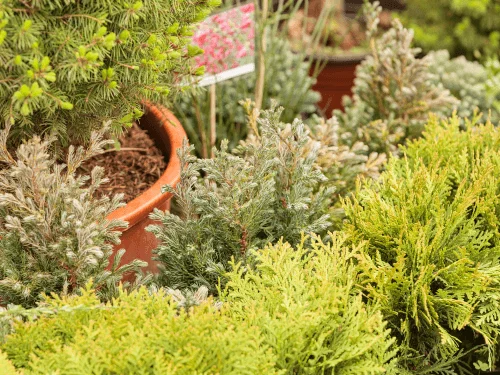
Match mature size to USDA hardiness, light, drainage, and wind. Use a tall evergreen for screening, a mounded shrub for foundation planting, or ground cover on slopes. Repetition unifies home landscapes, while contrast creates a focal point in the landscape.
What are the best small evergreen shrubs?
Blue Star juniper, dwarf Chamaecyparis, azalea, and Daphne are strong small-space choices. The best evergreen shrubs fit without constant shear work; check mature spread and leave airflow around glossy foliage.
Do evergreen shrubs flower as long as hydrangea?
Not usually. A hydrangea may have a long bloom time from mid-summer onward, while evergreen shrubs often bloom briefly. Combine azalea for spring, Viburnum or Mahonia for winter, and summer perennials.
When should I prune an evergreen hedge?
Prune flowering shrubs after bloom, and shape boxwood, yew, or Thuja lightly during growth. Avoid leafless old conifer wood; natural forms need less pruning and preserve year-round interest.
Why can an evergreen turn brown in winter?
Frozen soil, wind, salt, or poor drainage can brown green foliage. Water before freezing, mulch roots, and choose a protected area so evergreen shrubs retain year-round beauty and lasting structure.
Starting a Fruit Garden Q&A
What is the easiest fruit to grow for a first garden?
Strawberry is often the simplest starting point because it fits containers, fruits quickly, and is easy to replace. Raspberry, blackberry, and currant can also be forgiving when their spread is controlled. The best fruit is the one matched to your climate, sunlight, soil, and available care.
Can I grow fruit trees in a small space?
Yes. Choose a dwarf tree on a clearly labeled rootstock, train an espalier against wires, or use fruit trees in containers with sufficient soil volume and winter protection. Confirm mature dimensions, pollination needs, and whether the container can be watered consistently before you grow fruit trees.
Do I need more than one fruit tree?
It depends on the cultivar. Some trees are self-fertile, while others need compatible partners that bloom together. A nursery may recommend 2-4 fruit trees for varied harvests, but one self-pollinating dwarf tree can be enough when garden space is limited.
How soon will fruit plants produce fruit?
Strawberries and some cane fruits may crop in the first or second season, while a grafted fruit tree often takes several years. Rootstock, plant age, climate, pruning, and stress all affect timing. Remove an excessive early crop if the young plant needs energy for roots and structure.
Can a fruit garden share space with vegetables?
Yes. A combined vegetable and fruit area works when permanent crops do not shade or crowd annual beds. Put long-lived fruit plants where future digging will not disturb their roots, maintain clear paths, and choose fruits to grow at home that fit the same sunlight and watering pattern as the wider garden.
Back in India, I grew up with the usual eggplants similar to the Western varieties—big and round. But I also knew about those long, slender ones (which I later found out are called Japanese eggplants). Curiosity got the better of me, so I gave them a shot in my vegetable garden to see how they differ with the ones I'm used to. Turns out, they're really easy to grow, super productive, and they've opened up a whole new world of recipes in my kitchen.
If you're thinking about giving them a shot, I say go for it! Let me help you get started:
What is a Japanese Eggplant?
Before we get started, let’s clear up any confusion. Japanese eggplants, also known as Oriental eggplants, are distinct from the larger, more common varieties you might find in Western supermarkets. They're long, slender, and glossy with a tender texture and mild flavor, perfect for stir-fries, grilling, and tempura. One of the distinct characteristics of Japanese eggplant is that it has a thinner skin and fewer seeds than other varieties of eggplant, making it easier to cook and digest. Some of the famous varieties include Black Beauty, Ichiban, and Orient Express.
When and Where to Plant
Timing
Wait until after the last frost date in your area. Japanese eggplants thrive in warm weather, so soil temperatures should ideally be above 60°F (15°C).
Location
Choose a spot in your garden that receives full sun, about 6-8 hours of direct sunlight per day. Ensure the soil is well-draining to prevent waterlogging, which can lead to root rot.
Japanese Eggplant Step-by-Step Planting Guide
Materials You’ll Need:
Japanese eggplant seeds or seedlings
Nutrient-rich soil or potting mix
Compost or aged manure
Gardening tools: trowel, garden fork or shovel, watering can or garden hose
Mulch (optional but recommended)
Fertilizer suitable for vegetables
Seed tray
1. Choosing the Right Seeds or Seedlings
I personally prefer to use organic seeds as they are free of harmful chemicals and pesticides. You can find them at your local nursery or online. Make sure to choose seeds that are specifically labeled as Japanese eggplant. They should be dark purple and have a slightly curved shape. Avoid seeds that are discolored or have any signs of damage.
But if you don't want to start from seeds, you can also buy healthy seedlings from a nursery or garden center.
2. Prepare the soil
Before planting Japanese eggplant, it is important to prepare the soil properly. Start by choosing a sunny spot in your garden that gets at least 6-8 hours of direct sunlight per day. Use a trowel or garden shovel to dig up the soil, loosening it to a depth of about 12-15 inches. I usually add organic matter such as compost or aged manure to the soil to improve its texture and fertility. This helps the plants grow healthy and strong.
If you're planting in pots or starting from seed trays, just fill them up with a good potting mix that has good drainage.
3.Planting Seeds
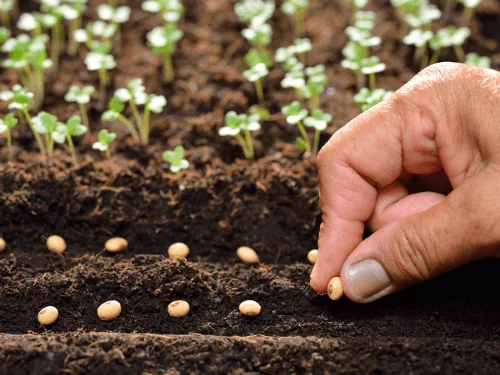
I like to plant the seeds indoors in a seed tray or small pots filled with well-draining potting mix. Just pop them in about 1/4 inch deep and keep the soil consistently moist—like a damp sponge, not soaking wet. Put the tray or pots in a warm, sunny spot, and cover them with plastic wrap or a humidity dome to help keep everything nice and humid. Once you see the little seedlings sprout, take off the cover and keep watering regularly to keep the soil moist.
4. Transplanting
Keep in mind that timing is crucial for transplanting. Make sure to wait until all danger of frost has passed and the soil temperature is consistently above 60°F (15°C). As I mentioned above, Japanese eggplants love warmth, so a sunny, warm day is perfect for transplanting.
Before transplanting, give your seedlings a good soak in their pots. This helps them handle the move better and makes it easier to take them out without hurting their roots.
Gently tap the sides and bottom of the pots to loosen up the soil. Carefully lift the seedlings out by holding the base of the stem and supporting the root ball. If your seedlings are in biodegradable pots, you can just plant them directly without taking them out of the pot.
Lastly, place each seedling into a prepared hole, making sure the top of the root ball is level with the soil surface. Be sure to space the plants about 18-24 inches apart in rows that are 2-3 feet apart. Gently fill the hole with soil, pressing it down lightly to get rid of air pockets and ensure good soil-to-root contact.
If you bought a seedling instead of seeds, you can skip the seed-starting process and jump straight to transplanting them once you've prepared the soil.
5. Water your Plants
After planting, water your Japanese eggplants thoroughly. Keep the soil consistently moist but not waterlogged throughout the growing season. Water deeply once or twice a week, depending on weather conditions.
Maintenance Tips
Fertilization Schedule
Fertilizing your eggplants is important to ensure healthy growth and a good harvest. I usually fertilize my plants every two weeks with a balanced fertilizer, such as 10-10-10. Be sure to follow the instructions on the fertilizer package, as over-fertilizing can damage the plants. Additionally, I like to add a layer of compost around the base of the plants every month to provide additional nutrients.
Pruning and Support
Pruning your eggplants can help promote healthy growth and a higher yield. I usually prune my plants when they reach about 12 inches in height by removing the lower leaves and any suckers that grow in between the main stem and the branches. This helps to direct the plant's energy towards the fruit. Additionally, providing support for your eggplants can prevent them from falling over due to the weight of the fruit. I like to use tomato cages or stakes to support my plants.
Mulching
I recommend applying a 2-3 inch layer of mulch around the plants to conserve moisture, suppress weeds, and regulate soil temperature. Mulching also helps maintain soil structure and reduces the need for frequent watering.
Overwintering
During the winter months, Japanese eggplants don't need as much water. Let the soil dry out a bit between waterings to keep their roots happy and avoid root rot. Simply check the top inch of soil—if it feels dry, it's time to water.
If you live in a place with mild winters, mulch around the base of the plants with a thick layer of straw or leaves to insulate the roots. In colder climates, think about using a row cover or cloche to protect your plants from freezing temperatures. Alternatively, if you're growing them in containers, bring them inside before the first frost and find them a sunny spot indoors.
Pest and Disease Management
Common Pests
As with any plant, Japanese eggplants are prone to pests. Some common pests that affect them include aphids, flea beetles, and spider mites. These pests can cause damage to the leaves and fruit of the plant, leading to reduced yield and poor quality produce.
To prevent pest infestations, I recommend regularly inspecting your plants for signs of damage or pests. If you notice any pests, you can try removing them by hand and using an insecticidal soap or neem oil spray. It's also important to keep your garden clean and free of debris, as this can attract pests.
Disease Prevention
In addition to pests, this plant is also susceptible to diseases such as verticillium wilt and bacterial spot. These diseases can cause stunted growth, yellowing leaves, and reduced yield.
It's important to keep your garden clean and free of debris, as this can harbor disease-causing organisms. Additionally, avoid overwatering your plants and ensure they have adequate air circulation to prevent moisture buildup.
Harvesting and Storing
When to Harvest
As a general rule, Japanese eggplants are ready to harvest when they reach a length of 6-8 inches and a diameter of 1-2 inches, that should be around 60-80 days after planting. The skin should be shiny, and the flesh should be firm to the touch. It is important to harvest the eggplants as soon as they are ready to prevent them from becoming overripe and bitter. Overripe eggplants can also develop tough skin and seeds, making them less desirable for cooking.
How to Harvest
To harvest, I use a sharp pair of pruning shears or scissors to cut the stem about 1 inch above the fruit. It is important to avoid pulling or twisting the eggplant, as this can damage the plant and reduce future yields. I also wear gloves while harvesting to protect my hands from the prickly stems and leaves.
Storage Tips
Once harvested, they should be stored in a cool, dry place with good air circulation. I like to store them in a single layer in a shallow container or on a wire rack to prevent them from touching each other and becoming bruised. They can also be stored in a plastic bag with a few ventilation holes to prevent moisture buildup. Japanese eggplants can be stored in the refrigerator for up to 1 week.
FAQs
Q: How do you save seeds from Japanese eggplants for planting next season?
To save seeds from Japanese eggplants, allow a few fruits to fully ripen on the plant until they turn yellow and start to dry. Remove seeds from the fruit, rinse them clean, and air-dry them thoroughly before storing in a cool, dry place for future planting.
Q: Can Japanese eggplants be grown hydroponically or in a greenhouse?
Yes, Japanese eggplants can be grown hydroponically or in a greenhouse environment with controlled temperature, humidity, and nutrient levels. Ensure adequate light and ventilation for healthy growth and fruit production.
Q: Are Japanese eggplants suitable for companion planting?
Yes, Japanese eggplants can benefit from companion planting with vegetable and herb like basil, which can deter pests, or with other vegetables like peppers and tomatoes, which have similar growing requirements.
Related posts
Here are some articles you might be interested in.